
How Do You Paint Stainless Steel
Ever looked at that trusty stainless steel appliance in your kitchen – maybe your fridge, your toaster, or even that fancy new kettle – and thought, "Man, it's looking a bit… well, samey"? Or perhaps you've got a stainless steel table in your workshop that’s seen better days, sporting more scuffs than a toddler’s knee? We've all been there! That shiny, cool surface is fantastic for a reason, but sometimes, just sometimes, we get the urge to give it a little personality, a splash of color, or maybe just a refresh.
Now, before you picture yourself wrestling with industrial-grade paint and a prayer, let me tell you: painting stainless steel is totally doable, and it doesn't have to be a Herculean task. Think of it less like a complicated science experiment and more like giving your favorite old jeans a cool new patch. It’s about personalization, about making things fit your vibe, not just the manufacturer's.
Why bother, you ask? Well, imagine this: your kitchen is the heart of your home, right? It’s where you whip up culinary masterpieces (or at least, attempt to!), where you have your morning coffee chats, and where life often happens. If your stainless steel appliances are looking a bit drab, it can subtly drag the whole mood down. But what if you could paint that old appliance a cheerful robin's egg blue? Or maybe a sophisticated charcoal gray to match your new kitchen theme? Suddenly, your kitchen isn't just functional; it's you. It's a reflection of your style, a conversation starter, and dare I say, a little bit of everyday art!
And it’s not just about aesthetics. Sometimes, stainless steel surfaces get scratched or worn. A fresh coat of paint can be like a superhero cape for your metal, hiding those imperfections and giving it a new lease on life. Think of it as a stylish bandage for your appliances. Plus, it can even offer a bit of extra protection. Who knew a little paint could be so practical and pretty?
So, How Do We Actually Do This Magic?
Alright, let’s get down to business. The secret sauce to painting stainless steel isn't some magical potion; it's all about preparation. Yep, that’s the word you’ll hear again and again in the DIY world, and for good reason. Think of it like building a sturdy house – you wouldn't start slapping up walls without a solid foundation, right? Same goes for painting stainless steel.
First things first, you need to clean that metal like it owes you money. Seriously. Fingerprints, grease, dust bunnies – they’re all unwelcome guests at your painting party. Use a good degreaser or a simple solution of warm water and mild dish soap. Give it a good scrub, then rinse thoroughly. You want that surface to be as squeaky clean as a freshly washed windowpane.
Once it’s clean and dry, it’s time for the real magic: adhesion. Stainless steel is, well, slippery. Paint needs something to grab onto. This is where a good primer comes in. And not just any primer – you need a primer specifically designed for metal surfaces or, even better, one that boasts excellent adhesion to tricky surfaces like stainless steel. It’s like giving your paint a tiny little handshake with the metal, saying, "Hey, we're friends now!"
Apply this primer in thin, even coats. Don't go globbing it on like you're frosting a cake. Patience, my friends, is key. You want a smooth, consistent layer that will form the perfect base for your color. Let it dry completely according to the manufacturer's instructions. This is not the time to rush. Imagine trying to run a marathon after skipping your warm-up – not going to end well!

Choosing Your Weapon: The Paint
Now for the fun part: picking your color! You have a few options here, and the best choice often depends on what you’re painting and how much wear and tear it’s likely to get. For most home projects, a good quality enamel paint is your best friend. These paints are known for their durability and ability to withstand bumps and scrapes. They come in a rainbow of colors, so let your imagination run wild!
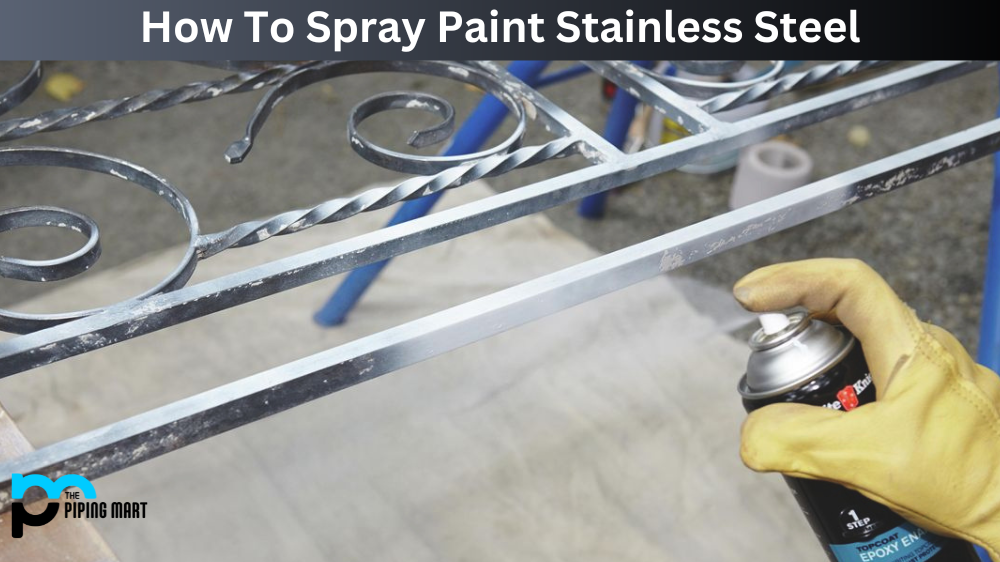
You can opt for spray paint designed for metal, which can be super convenient for intricate shapes or when you want a really smooth finish. Just remember to use it in a well-ventilated area – maybe your garage with the door wide open, or even outdoors on a calm day. Safety first, always!
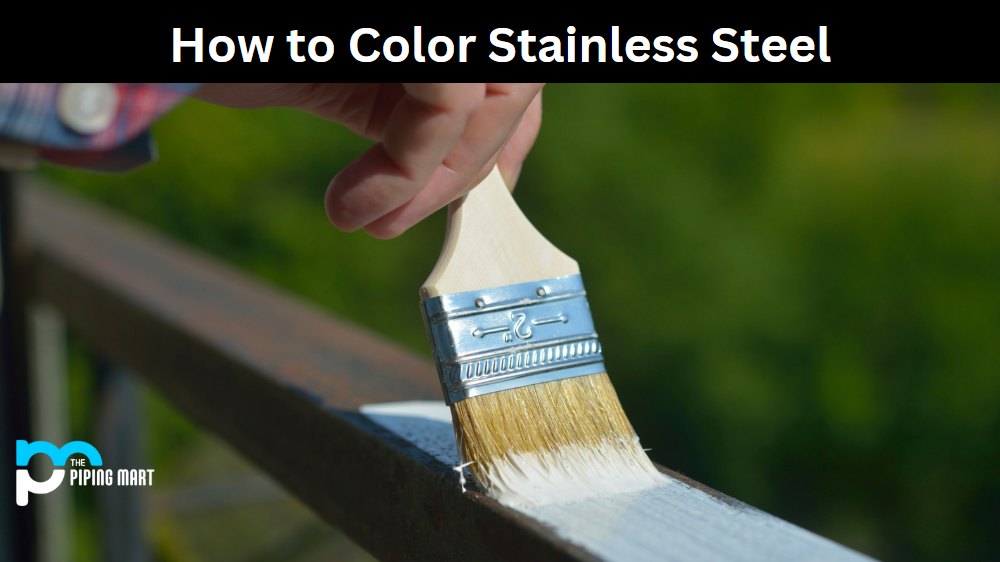
Alternatively, you can use a brush-on enamel paint. This gives you a bit more control, especially for larger, flatter surfaces. If you go this route, a high-quality synthetic brush will give you the smoothest finish, preventing those pesky brush marks that can sometimes make your project look less than professional. Think of it like choosing between a fluffy pillow and a lumpy beanbag – you want the comfy, smooth option!
Let the Painting Commence!
With your surface prepped and your paint ready, it's time to actually paint. Again, we’re talking thin, even coats. It’s much better to apply two or three thin coats than one thick, gloppy one that’s likely to drip and peel. Each coat should be allowed to dry thoroughly before you apply the next. This is where that patience we talked about really pays off.
If you’re using spray paint, keep the can moving in a steady, sweeping motion, about 8-12 inches away from the surface. Overlap your passes slightly to avoid missed spots. It’s like laying down a perfectly even stripe of sidewalk chalk, but, you know, way more permanent and stylish.
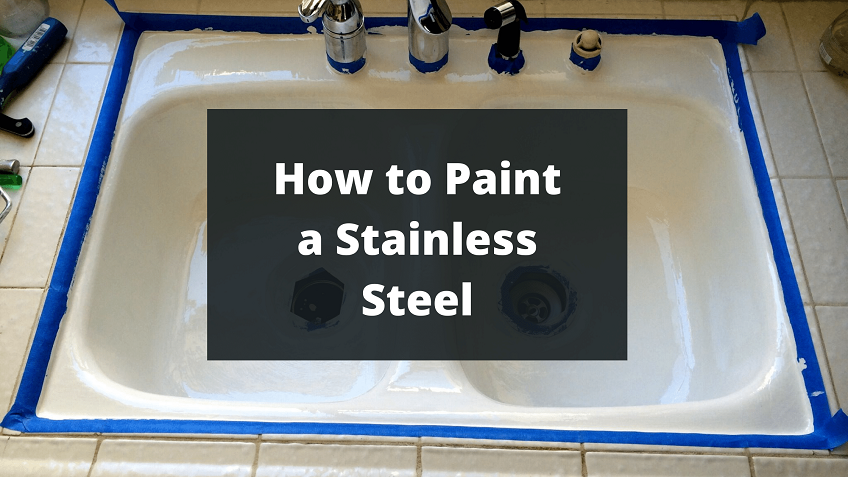
If you’re brushing, work in one direction, following the grain of the stainless steel if there is one, or just making smooth, consistent strokes. Don’t overwork the paint; let it do its thing.
The Grand Finale: Curing and Care
Once you’ve applied your final coat, you’re not quite done. Most paints need a little time to cure, which is a fancy word for fully harden. This can take anywhere from a few days to a couple of weeks, depending on the paint. During this curing period, try to be gentle with your newly painted surface. Avoid scrubbing it vigorously or placing heavy, abrasive items on it. Think of it as giving your painted creation a nice, relaxing spa day after all its hard work.
After it’s fully cured, you can clean your painted stainless steel with a soft cloth and mild soap. Easy peasy! You’ve just transformed a dull surface into something that reflects your personality. From that tired old toaster to that bland metal shelf, you’ve given it a new lease on life, added a splash of color, and maybe even a touch of pride in your own DIY skills. And that, my friends, is something to smile about.