
How Does Stainless Steel Rust
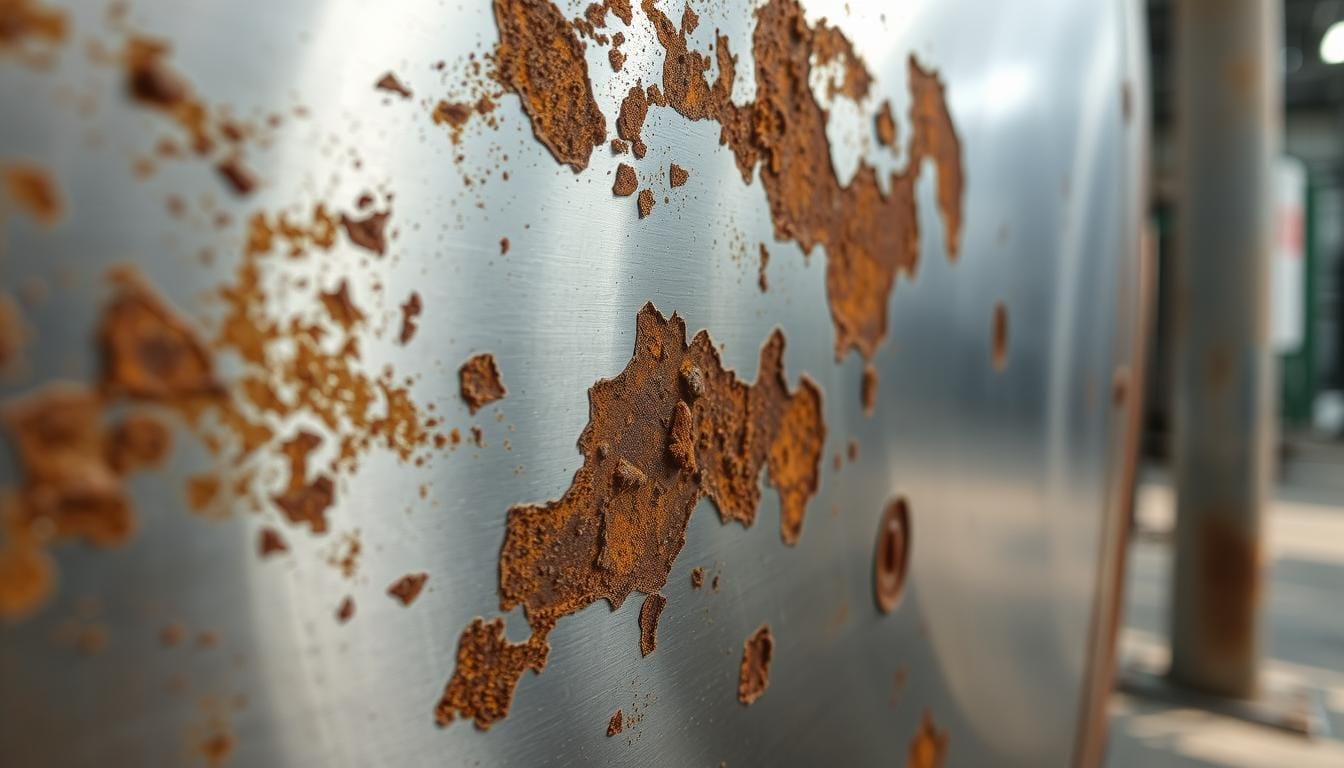
Ever wondered why your shiny new stainless steel pot or that handy kitchen knife doesn't get those annoying orange flecks of rust like your old cast iron pan? It's a pretty cool little piece of science happening right before your eyes, and understanding it is surprisingly easy and incredibly useful! Think of it as unlocking a secret superpower for your kitchenware and beyond.
For beginners, this is a fantastic way to demystify a common material. You'll gain a newfound appreciation for the everyday items you use. Families can use this as a fun, educational moment with kids, explaining why certain things last longer than others – a valuable lesson in material science! Hobbyists, especially those into DIY projects, camping gear, or even custom knife making, will find this knowledge crucial for choosing the right materials and ensuring their creations stand the test of time.
So, what's the deal with stainless steel and rust? It all comes down to a superhero ingredient called chromium. Pure iron, the kind you find in regular steel, is like a magnet for oxygen and water – the two key ingredients for rust. When iron meets these, it forms iron oxide, which we know as rust. Yuck! Stainless steel, on the other hand, is an alloy, meaning it’s a mix of metals. The magic happens when at least 10.5% of its weight is chromium. This chromium mingles with oxygen in the air to create a super-thin, invisible, and incredibly tough layer on the surface called the passive layer. This layer is like a protective shield, preventing oxygen and water from reaching the iron underneath.
Think of it like this: regular steel is like an unprotected knight, easily pierced by the elements. Stainless steel is like that same knight wearing a magical, self-healing suit of armor. If the armor gets scratched, the chromium quickly reacts with the air to repair itself. Pretty neat, right?
Now, you might be thinking, "But I've seen stainless steel rust before!" And you're right! While highly resistant, stainless steel isn't completely immune. Certain conditions can overwhelm that protective passive layer. Things like exposure to saltwater (think seaside kitchens or marine equipment), harsh chemicals, or even prolonged contact with non-stainless steel can cause problems. It's also important to know that there are different grades of stainless steel. The most common grades, like 304 and 316, offer excellent resistance for everyday use. Grade 316, for instance, has a little bit of molybdenum added, which gives it even better protection against corrosion, especially in salty environments.

Getting started with understanding this is simple. Next time you're in the kitchen, take a close look at your stainless steel items. Notice how they clean up easily? That’s the passive layer at work! If you’re a hobbyist, when shopping for materials, look for the "stainless steel" label and, if possible, the grade (e.g., 304). Proper cleaning is also key – a simple wash with soap and water is usually all your stainless steel needs to maintain its shine and its protective layer.
So, the next time you admire that gleaming sink or a perfectly sharp chef’s knife, remember the unsung hero: chromium. Understanding how stainless steel resists rust isn't just about knowing science; it's about appreciating the clever engineering that makes our lives a little bit easier and a lot more durable. It's a small bit of knowledge that adds a touch of wonder to the everyday.