
How Extruded Aluminum Is Made
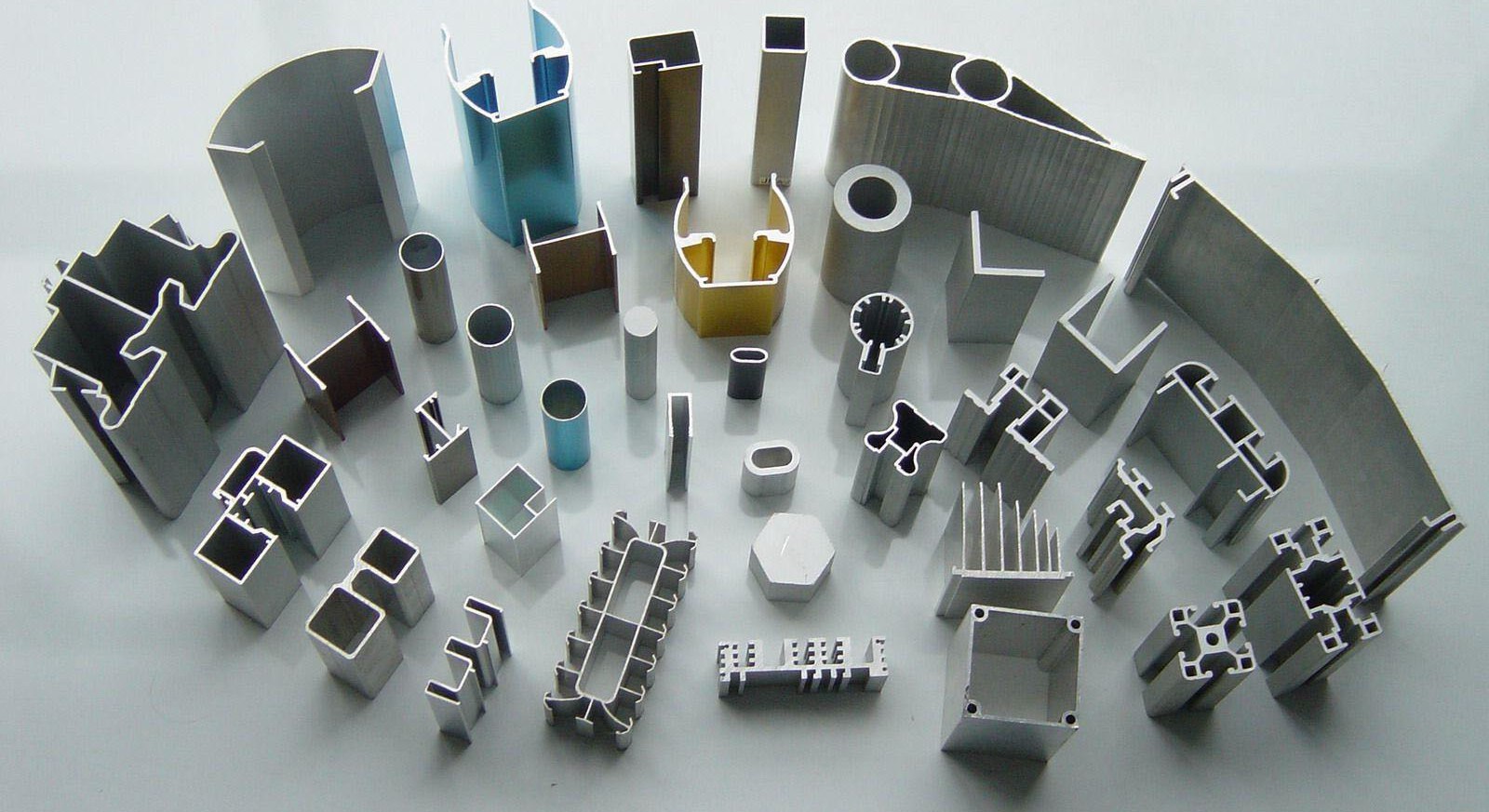
Alright, gather 'round, folks, and let me tell you a tale. A tale of metal, of fire, and of… well, a really big tube squeezer. We're not talking about that awkward moment at the gym when you try to contort yourself into a pretzel; we're talking about the magical, albeit slightly industrial, process of making extruded aluminum. You know, that stuff that makes up your fancy bike frame, the sleek casing of your laptop, and, dare I say, even that suspiciously sturdy camping chair your uncle insists on bringing.
Now, I know what you're thinking. Aluminum? Sounds… well, it sounds like something you'd find in a tin can, right? Wrong! Modern aluminum is a marvel of engineering, and the way it's shaped is nothing short of witchcraft, or at least some really smart science. Think of it like this: imagine Play-Doh, but instead of your tiny hands mashing it into questionable shapes, we've got a giant, angry robot doing the work. And instead of a rainbow of colors, we're dealing with a metal that’s stronger than your average dad joke.
So, how does this metal shapeshifting happen? It all starts with the ingredients. We're not just throwing random bits of shiny stuff into a pot. Oh no. The primary ingredient, as you might have guessed, is aluminum. But it's not just any aluminum; it's usually an alloy, meaning it's mixed with other metals like silicon, magnesium, or copper. This is like adding superpowers to our hero. These little additions make the aluminum stronger, more durable, and ready to tackle whatever life throws at it. Think of it as giving your superhero a utility belt, but instead of grappling hooks, it's got enhanced tensile strength.
Once we've got our super-powered aluminum alloy, we melt it down. And I mean melt it down. We're talking temperatures that would make a dragon sweat. Imagine a volcano deciding to have a spa day; that's the kind of heat we're dealing with. This molten metal, looking like liquid gold but smelling considerably less like treasure and more like… well, hot metal, is then ready for its close-up.
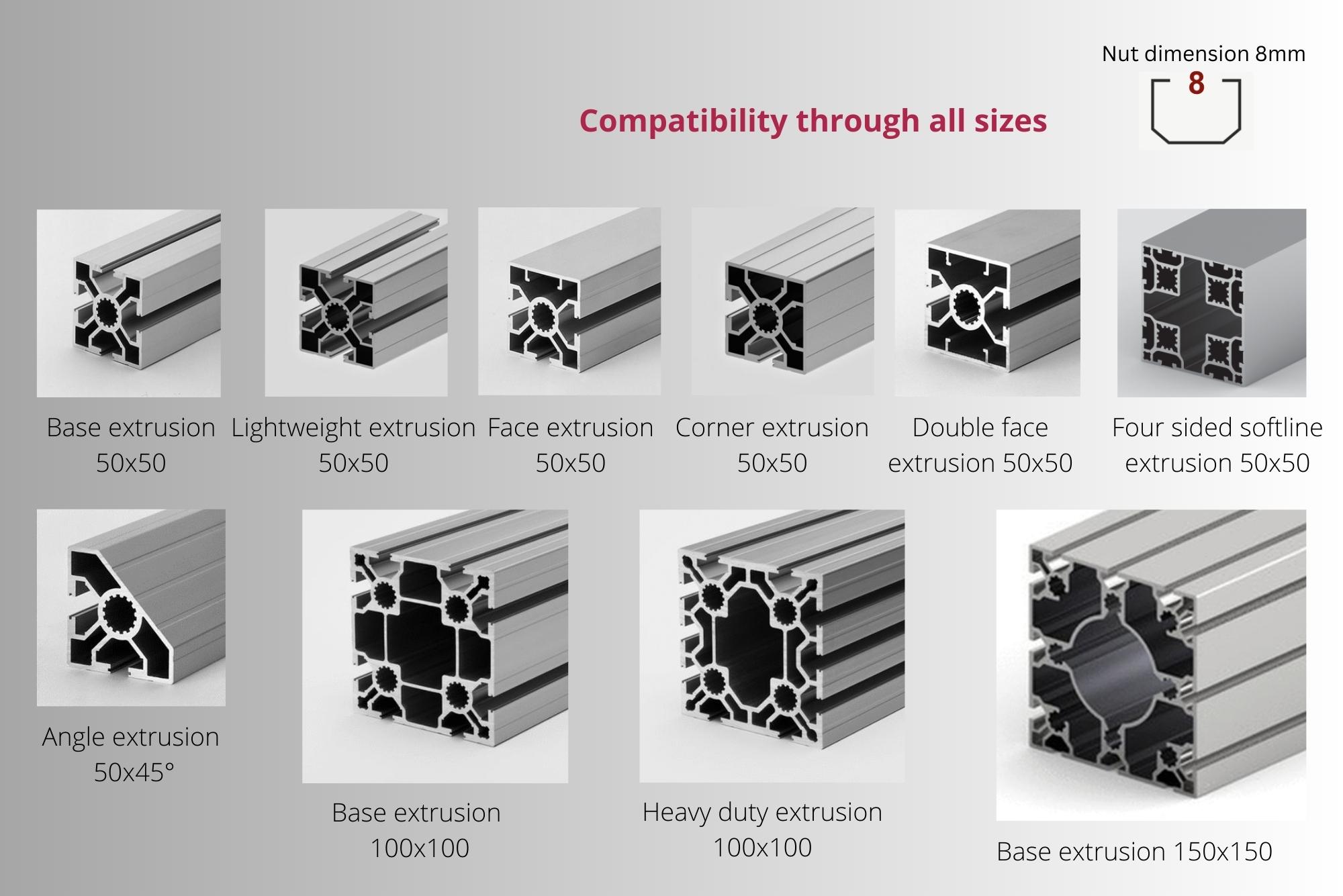
This is where the real magic, or the aforementioned robot squeeze, comes in. We take this molten aluminum and pour it into a mold. But not just any mold. This isn't your grandma's cookie cutter. This is a specially designed tool called a die. Think of a die as the ultimate stencil. It has the exact shape of the final product we want – whether it's a hollow tube, a complex C-channel, or something that looks like it belongs in a spaceship. These dies are incredibly precise, etched with microscopic details that would make a diamond cutter weep with envy.

Now, here’s the kicker. We don’t just pour the molten aluminum through the die. That would be messy and, frankly, not very effective. Instead, we take our aluminum alloy, but in a more solid form – usually as large, cylindrical blocks called billets. These billets are pre-heated to a temperature that makes them malleable, like a piece of warm butter, but still solid enough to be handled by industrial-grade machinery. They're not quite liquid, not quite solid – they're in that sweet spot of being just right, like Goldilocks’s porridge, but way hotter and way heavier.
Then comes the main event: the extrusion press. This is the beast, the titan, the undisputed heavyweight champion of metal shaping. Imagine a colossal hydraulic press, a machine so powerful it could probably flatten a small car with a casual sigh. This press exerts immense pressure, pushing the heated aluminum billet through the die. It’s like trying to squeeze toothpaste through a very, very small hole, except the toothpaste is molten metal and the hole is a precisely crafted masterpiece.
The aluminum is literally forced through the opening of the die, taking on its exact shape. This is where the "extruded" part comes in. Think of it like squeezing a giant tube of metallic spaghetti. The speed at which this happens is mind-boggling, and the pressure involved is astronomical. We're talking thousands of pounds per square inch, enough pressure to make your eyeballs water just thinking about it. The result is a long, continuous profile of aluminum, emerging from the other side of the die like a metallic serpent.
As this hot, newly formed aluminum profile slides out, it’s still pretty warm – like, "don't touch me, or you'll regret it for the rest of your life" warm. So, it gets quickly cooled, usually by being passed through a water bath or blown with cool air. This rapid cooling, known as quenching, is crucial. It locks in the strength and properties of the alloy that we painstakingly added earlier. It's like a superhero taking a quick dip in an ice bath after a tough fight to recover and become even stronger.
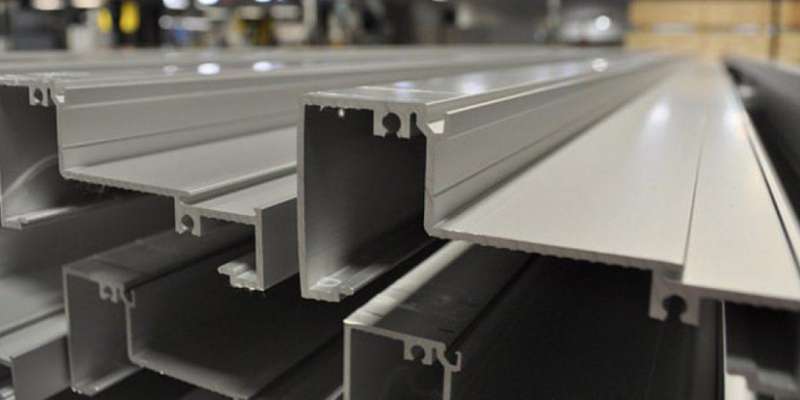
Once cooled, this long, continuous strand of aluminum is still a bit wiggly and might not be the exact length we need for our final product. So, it’s then cut to size. Precision saws, sharp enough to make a barber jealous, slice through the aluminum with ease. We’re not talking about a leisurely chop here; this is a swift, decisive cut that ensures our aluminum pieces are exactly what we need, no more, no less.
But wait, there's more! The aluminum is often still a bit soft and might not have reached its full potential in terms of hardness and strength. This is where the magical process of heat treatment comes into play. Think of it as a special spa treatment for the metal. The aluminum is heated again, but this time in a controlled oven, to specific temperatures and for specific durations. This rearranges the internal structure of the metal, making it significantly stronger and more durable. It’s like giving the metal a power-up, a "level-up" in its durability stats.
After the heat treatment, some aluminum profiles might undergo further treatments like anodizing. This is where the surface of the aluminum is electrochemically treated to create a tough, protective oxide layer. It’s like giving our aluminum hero a shiny, super-strong suit of armor. This also allows for a variety of colors, so your aluminum doesn't have to be just plain silver. It can be black, bronze, or even a flamboyant shade of blue, if you're feeling adventurous. Imagine your bike frame being able to withstand a meteor shower and look fabulous doing it.
And there you have it! From a lump of metal that looks like a giant, shiny sausage to the sleek, strong, and versatile components we use every day. Extruded aluminum is a testament to human ingenuity, a bit of industrial wizardry, and a whole lot of very controlled force. So next time you see a beautifully crafted aluminum product, remember the fiery journey it took. It’s not just metal; it’s a story of heat, pressure, and a whole lot of really impressive engineering. Now, who wants another coffee? We've earned it.