
How Is Aluminum Extrusion Made
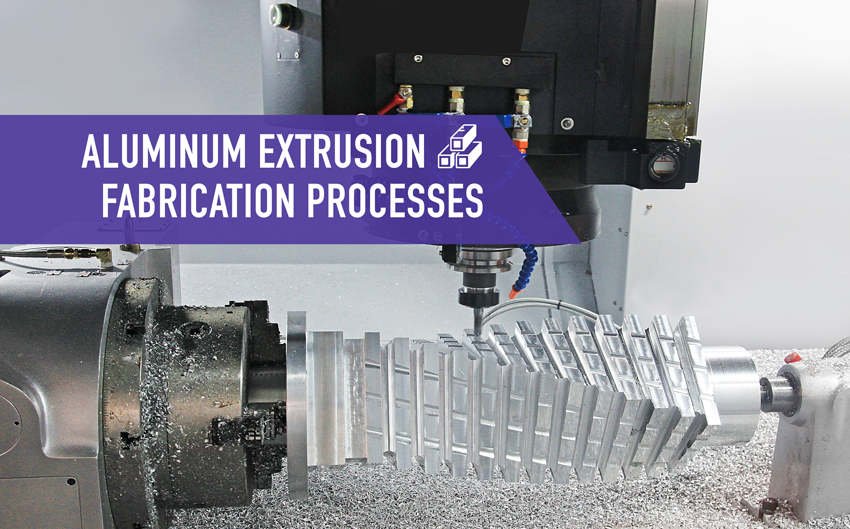
I remember the first time I really noticed aluminum extrusion. I was at this ridiculously cool playground, the kind that looks like a sci-fi movie set. There were these sleek, curved slides, climbing frames that seemed to defy gravity, and these… well, they were just these perfectly shaped silver bars holding everything together. They weren't just random pieces of metal; they had these intricate grooves and channels, like something a giant, very precise ant had built. I remember touching one, thinking, "How in the heck did they make it that shape?" Little did I know, that was my first real introduction to the magic of aluminum extrusion.
It's funny, isn't it? We see these things every day – window frames, furniture legs, the chassis of your laptop – but we rarely stop to think about how they get their distinctive forms. It’s not like you can just chop up a block of aluminum and have it magically turn into a U-channel, right? Nope. It takes a pretty clever, and dare I say, slightly violent process to get aluminum to bend to our will.
So, How IS Aluminum Extrusion Actually Made?
Okay, so let's get down to the nitty-gritty. At its core, aluminum extrusion is all about forcing molten or semi-molten aluminum through a shaped hole. Think of it like squeezing toothpaste out of a tube, but on an industrial scale and with molten metal. Sounds simple enough, but the devil, as always, is in the details. And let me tell you, there are a lot of details.
The Raw Material: It All Starts with Goo
First things first, you need your aluminum. This isn't just random scrap metal, though recycling is a huge part of aluminum production, which is awesome! The primary aluminum is usually smelted from bauxite ore, a process that, believe me, requires more electricity than your average city uses in a week. But let's not get too bogged down in the mining and smelting – we're here for the shaping!
For extrusion, the aluminum is typically melted down and then cast into large cylindrical logs, called "billets." These billets are the starting point, the raw ingredients for our shaped masterpieces. Imagine giant, metallic sausages, ready to be transformed.
The Star of the Show: The Die
Now, this is where the real magic happens. The die. If the billet is the dough, the die is the cookie cutter. It's a hardened steel tool, usually made from tool steel, that has the exact negative image of the desired cross-section of the aluminum profile. So, if you want an 'L' shape, the die will have a slot that, when the aluminum is pushed through, forms that 'L'.
These dies are precision instruments. They have to be incredibly durable because they’re going to face some serious pressure. The shapes can be surprisingly complex – think hollow tubes, intricate finned profiles for heat sinks, or even multi-chambered sections for window frames. The complexity of the die dictates the complexity of the final product. And let me tell you, some of these dies are works of art in themselves!
Fun fact: The creation of these dies is a whole other specialized craft! Machining such intricate shapes with tight tolerances in extremely hard steel requires specialized machinery and a whole lot of skill. So, before the aluminum even gets squeezed, someone's been working hard on that essential template.

The Big Squeeze: This Is Where the Heat Is On!
Alright, time for the main event. The aluminum billet, usually preheated to a specific temperature (we're talking hundreds of degrees Celsius here, folks!), is placed into a massive hydraulic press. This press is a beast, designed to generate an enormous amount of force.
The billet sits inside a container, and then a ram pushes against it with immense pressure. Because the billet is hot and malleable, and the die is right there, the aluminum has only one way to go: through the hole in the die. And just like that, out comes a long, continuous strand of aluminum in the exact shape of the die's opening.
This process is called "direct extrusion" or "indirect extrusion," depending on the setup. In direct extrusion, the ram pushes the billet directly against the die. In indirect extrusion (less common for aluminum but worth a mention), the die is attached to the ram, and the container holding the billet moves. The direct method is the most prevalent for aluminum, and it’s responsible for most of those sleek profiles you see.
The pressure involved is insane. We're talking thousands of tons of force. It’s enough to make you rethink your entire understanding of what "pushing" means. Imagine the forces at play! It's a testament to engineering that these presses can operate so consistently and precisely.
Cooling Down: Don't Let It Get Too Stressed
As the extruded aluminum emerges from the die, it's still incredibly hot. It needs to be cooled down, and this is a critical step. If it cools too quickly or unevenly, the aluminum can become stressed, and its mechanical properties can be compromised. Think of it like trying to cool a perfectly baked cake too fast – it might crack!
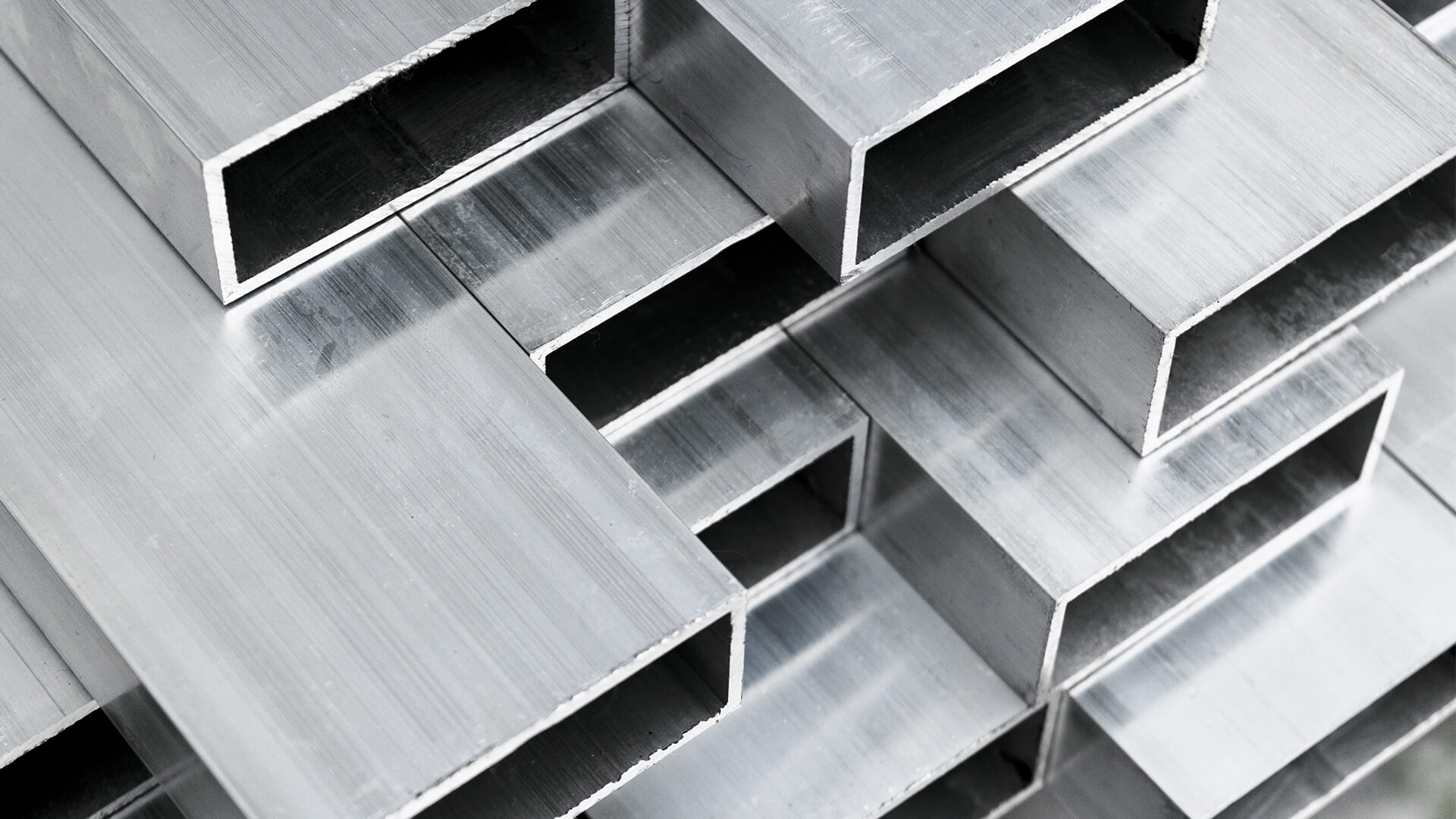
So, the long extrusion is usually pulled onto a cooling bed, often a series of rollers, where it cools gradually. Sometimes, a water quench is used for specific alloys and desired properties, but it's all done under very controlled conditions. The goal is to achieve a uniform microstructure throughout the metal.
Straightening Up: A Little Tweak Here and There
Even with the best processes, the long, hot extrusion can sometimes come out with a slight curve or warp. It's like a noodle fresh out of the pot – a little floppy. To fix this, the aluminum goes through a straightening process. This usually involves rollers that gently apply pressure to bend the extrusion back into a perfectly straight line.
This step is crucial for ensuring that the final product will fit perfectly in its intended application. Imagine trying to put together a window frame where the pieces aren't straight – it would be a nightmare! The straightening process ensures dimensional accuracy.
Cutting to Size: Making It Usable
Once it's cooled and straightened, the long extrusion is cut into the desired lengths. This is usually done with high-speed saws. Think of a giant, industrial-sized pizza cutter, but for metal. They can cut through the aluminum efficiently, creating pieces ready for the next stage of manufacturing or for direct shipment to customers.
The lengths can vary wildly depending on the application, from small pieces for intricate components to very long lengths for structural beams. The precision of the cut is also important, ensuring that each piece is exactly the same length as its brethren.

Surface Treatments: The Glamour Shot
Now, here's where the aluminum goes from functional to fabulous. Raw aluminum, while strong, can look a bit… plain. And it can also corrode over time. This is where surface treatments come in. These treatments aren't just about looks; they also add durability and functionality.
The most common treatment is anodizing. This is an electrochemical process that creates a durable, corrosion-resistant oxide layer on the surface of the aluminum. It can also be dyed to achieve a wide range of colors, from classic silver and bronze to vibrant reds and blues. Anodizing is fantastic because it’s hard, wear-resistant, and doesn't chip or peel.
Another very popular finish is powder coating. This involves applying a dry powder electrostatically, which is then cured under heat to form a smooth, uniform, and durable coating. Powder coating comes in an almost endless array of colors and textures, allowing for immense design flexibility. It's also a more environmentally friendly option as it emits very few volatile organic compounds (VOCs).
There’s also mechanical finishing, like brushing or polishing, to give the aluminum a specific sheen. Each finish serves a purpose, from purely aesthetic to enhancing performance in harsh environments. It’s like giving your aluminum a stylish outfit and a protective shield all at once.
Alloys: Not All Aluminum Is Created Equal
It's also important to remember that the type of aluminum used makes a big difference. Pure aluminum is quite soft. To give it the strength and properties needed for extrusion, it's usually alloyed with other elements like magnesium, silicon, copper, or zinc. Different alloys have different characteristics – some are stronger, some are more corrosion-resistant, some are easier to extrude.
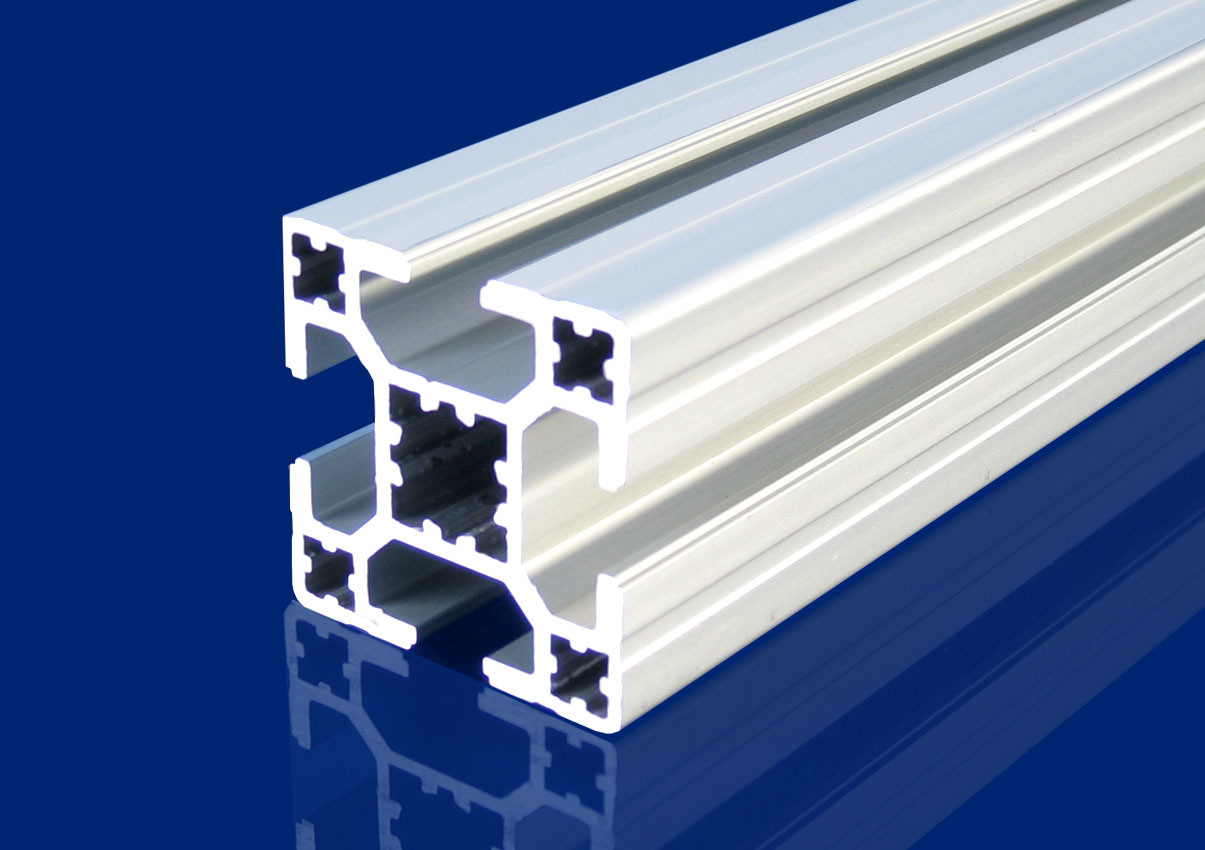
For example, 6063 alloy is incredibly popular for architectural applications like window frames and curtain walls because it offers a good balance of strength, corrosion resistance, and extrudability. 6061 alloy is another workhorse, often used in structural components, bicycle frames, and even aircraft parts, due to its superior strength.
The choice of alloy is paramount and is determined by the intended use of the extruded profile. It's like choosing the right ingredients for a recipe – you wouldn't use cake flour for bread, right?
Why Is This Process So Darn Useful?
So, why all the fuss about extrusion? Why go through all this effort? Well, because it offers some pretty incredible advantages:
- Design Freedom: As we’ve seen, the die can be shaped into almost any complex cross-section. This allows for highly specialized and intricate designs that are difficult or impossible to achieve with other manufacturing methods. You can create integrated features, hollow sections for weight reduction, and channels for wiring or plumbing, all in one piece. It’s the ultimate in customization for metal shapes.
- Strength and Lightness: Aluminum is naturally lightweight, and the extrusion process, particularly with certain alloys, can create strong, rigid profiles. This makes it ideal for applications where you need strength without adding a lot of weight, like in aerospace, automotive, and sporting goods.
- Cost-Effectiveness: While the initial tooling (the die) can be an investment, for high-volume production, extrusion can be a very cost-effective way to manufacture complex shapes. The process is efficient, and the ability to create multiple features in one go reduces assembly time and costs.
- Surface Finish: As we discussed, the ability to easily apply various finishes means you can get both functional and aesthetically pleasing results directly from the extrusion process.
- Recyclability: Aluminum is infinitely recyclable without losing its quality. This makes extrusion a sustainable manufacturing choice, especially when using recycled aluminum, which requires significantly less energy than producing primary aluminum.
Think about it: those sleek, modern furniture pieces, the efficient cooling fins on your computer's processor, the frames of solar panels helping us harness clean energy, the railings on a public walkway keeping everyone safe… all thanks to the humble, yet incredibly powerful, process of aluminum extrusion.
It’s a process that takes something as basic as metal and, with a bit of heat, immense pressure, and a precisely cut hole, turns it into the building blocks of so many of the things we rely on and interact with every single day. So, next time you see a perfectly formed aluminum shape, give a little nod to the die and the press that made it happen. It’s pretty darn cool when you think about it.