
How Is Eustachian Tube Dysfunction Diagnosed

Ever felt that weird plugged-up popping sensation in your ears, especially after a plane ride or a particularly enthusiastic karaoke session? You know, the one that makes you want to chew gum like you're in a 90s sitcom? Well, chances are, you've tangoed with the elusive Eustachian tube. It’s like the unsung hero of your middle ear, diligently working behind the scenes to keep everything balanced. But when this little guy gets a bit grumpy, things can get… well, unbalanced.
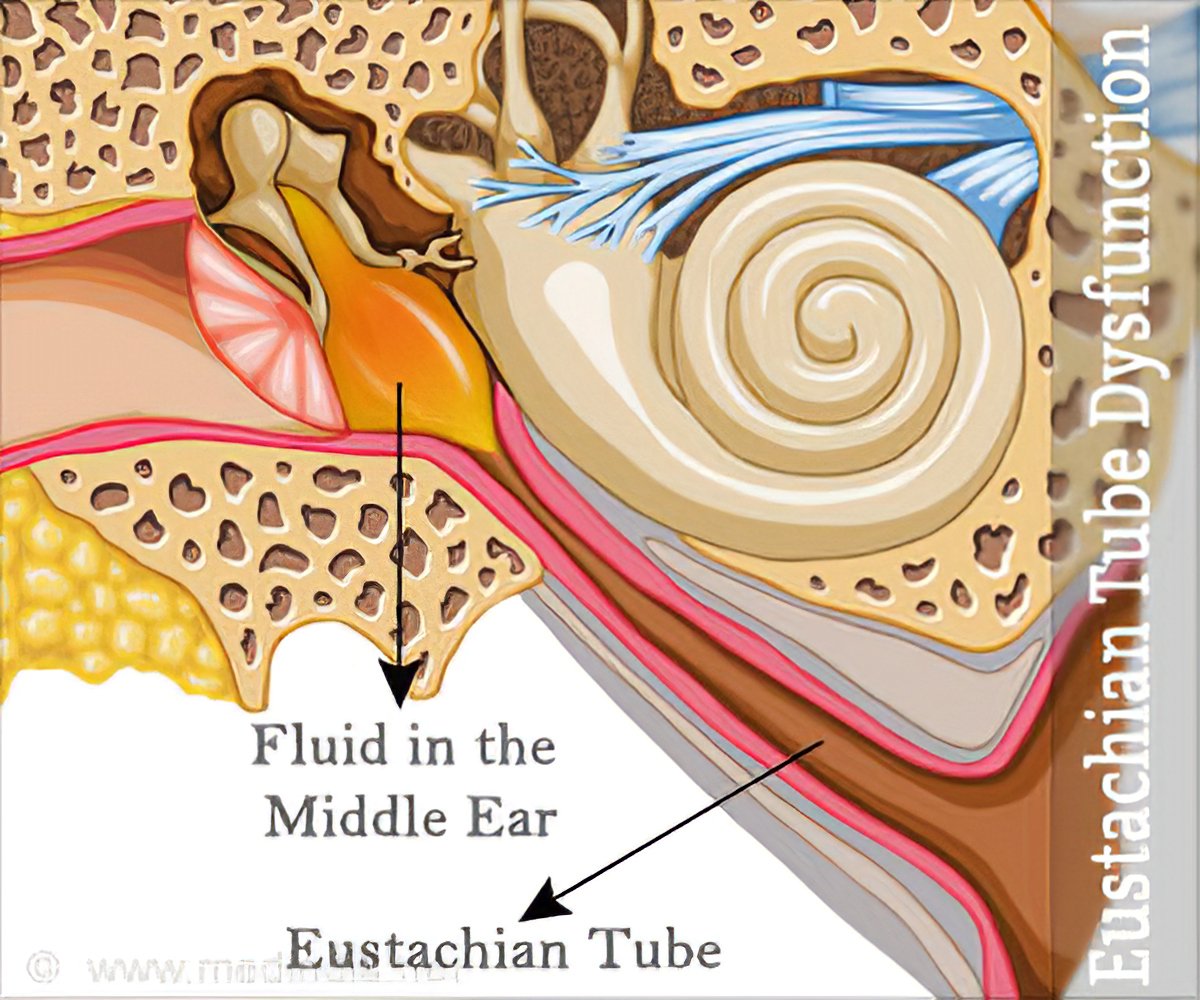
Let’s dive into the world of the Eustachian tube, that wondrous little conduit connecting your middle ear to the back of your throat. Its primary gig? Equalizing pressure. Think of it as the ultimate air traffic controller for your ears. When you swallow, yawn, or even just sigh dramatically, it opens up, allowing air to flow in and out, keeping that precious middle ear pressure in check. Pretty neat, right? It also helps drain any accumulated fluid, keeping your hearing clear and your inner ear party going strong.
But what happens when this sophisticated system throws a bit of a tantrum? This, my friends, is where Eustachian Tube Dysfunction (ETD) saunters into the spotlight. It’s not some rare, exotic ailment you’d only read about in ancient medical texts; it’s actually quite common, affecting people of all ages. From kiddos with tiny tubes to seasoned travelers who’ve seen more airports than most people have seen sunsets, ETD can be a real buzzkill.
So, How Does a Doctor Even Figure This Out?
Diagnosing ETD might sound like a scene from a medical drama, complete with intense staring and complex jargon. But in reality, it’s often a pretty straightforward process. Doctors, or otolaryngologists (say that five times fast!), are like the Sherlock Holmeses of ear, nose, and throat issues. They’ve got a few trusty tools and techniques up their sleeves to get to the bottom of what’s really going on with your Eustachian tube.
The first line of defense is usually a good old-fashioned chat. Your doctor will want to hear all about what you’re experiencing. They’ll ask you questions like: “When did this start?” “Does it happen at certain times?” “What makes it better or worse?” This is your chance to be a detective yourself, recalling every muffled conversation, every dizzying descent on an airplane, every time you felt like your ears were packed with cotton balls.
Be prepared to describe any accompanying symptoms. Are you experiencing ear pain? A feeling of fullness? Tinnitus (that ever-present ringing or buzzing)? Dizziness? Hearing loss? The more details you can provide, the better equipped your doctor will be to piece together the puzzle. Think of it as giving them the crucial clues to crack the case!
The Visual Inspection: Looking Down the Rabbit Hole
Once they’ve got the lowdown from your story, the doctor will likely move on to a physical examination. This is where things get a little more… visual. They’ll use a tool called an otoscope. This handy device is essentially a magnifying glass with a light, allowing them to peer into your ear canal and get a good look at your eardrum (or tympanic membrane, for those who like to sound fancy).

What are they looking for? Well, a healthy eardrum is typically pearly gray and can be seen moving slightly when you make sounds. In cases of ETD, the eardrum might look retracted (pulled inward), or it could be bulging outward if there’s fluid buildup. They might also see a dull or cloudy appearance, or even signs of inflammation. It’s like checking the engine of your car to see if everything’s running smoothly.
This visual inspection is crucial because it provides direct evidence of how the Eustachian tube’s dysfunction is impacting the middle ear. If the eardrum isn’t moving as it should, or if there’s fluid, it’s a pretty strong indicator that something’s up with that tube.
Beyond the Naked Eye: More Advanced Techniques
Sometimes, the visual inspection alone isn’t enough to pinpoint the exact problem or its severity. This is when your doctor might bring out the big guns, or more accurately, the specialized diagnostic tools.
One of these is called tympanometry. Don't let the name scare you; it's a painless and quick test. A small probe is placed in your ear, and it emits a series of tones while gently changing the air pressure. The machine then measures how your eardrum responds. It's like a little acoustic dance between the probe and your eardrum. A flat line or an unusual curve on the tympanogram can indicate poor movement of the eardrum, often due to pressure imbalances or fluid in the middle ear – classic signs of ETD.

Another technique you might encounter is the Valsalva maneuver. This is something you might have instinctively done yourself! It involves holding your nose, closing your mouth, and gently blowing, like you're trying to inflate a balloon through your nose. If your Eustachian tubes are functioning properly, you'll feel a pop or click in your ears as the pressure equalizes. Your doctor might have you perform this while they observe your eardrum with the otoscope, or they might use a device to measure the pressure change.
For a more in-depth look at how well the Eustachian tube is actually opening and closing, there’s a test called Eustachian Tube Function Test (ETFT). This can involve a few different methods, but the general idea is to see if the tube can open and close effectively to equalize pressure. Some tests involve swallowing or yawning while measuring pressure, while others might use specialized equipment.
In some more complex or persistent cases, your doctor might recommend imaging tests like a CT scan or an MRI. These aren't standard for ETD, but they can be helpful if there’s a suspicion of a structural abnormality, a blockage caused by something more significant like a tumor, or if there are other underlying conditions affecting the ear.
When to Call in the Cavalry (or Just Your Doctor)
So, when should you actually consider that you might have ETD and schedule that doctor's appointment? If you're experiencing any of the following persistently, it's probably time to get it checked out:
- A persistent feeling of fullness or pressure in one or both ears.
- Muffled hearing or a noticeable drop in your hearing ability.
- Ear pain or discomfort, especially when swallowing or yawning.
- Popping or clicking sounds in your ears that aren't related to normal activities.
- Tinnitus (ringing or buzzing in your ears).
- Dizziness or a feeling of imbalance.
These symptoms can really impact your quality of life. Imagine trying to enjoy your favorite podcast, have a crucial work call, or even just have a relaxed chat with a friend when your ears are playing up. It’s like trying to watch a high-definition movie on a fuzzy old TV.
What Triggers This Earful?
Before we wrap up this ear-centric journey, let's touch on what often causes ETD in the first place. Think of it as understanding the "why" behind your ear's grumbles.
The most common culprit is often the humble common cold or the flu. When you’re battling a nasty virus, the lining of your nasal passages and throat can get inflamed, and this inflammation can spread to the Eustachian tube, causing it to swell and block up. It’s like a traffic jam on a tiny, important road. Allergies are another big player. Pollen, dust mites, pet dander – if they’re making your nose run, they might also be making your Eustachian tube congested.
Then there are the more obvious triggers, like rapid changes in altitude. Think of those moments on a plane when you descend or ascend. The air pressure outside your ear changes, and your Eustachian tube needs to work overtime to equalize it. If it can't, bam – you get that uncomfortable feeling. Skiing or scuba diving can also pose similar challenges.

For children, their Eustachian tubes are smaller and more horizontally oriented, making them more prone to getting blocked by fluid and leading to ear infections. It’s a common childhood rite of passage, unfortunately. Certain medical conditions, like acid reflux or even structural issues in the head and neck, can sometimes contribute as well.
A Little Cultural Ear-Fact
Did you know that the ancient Greeks believed that the Eustachian tube was the passage through which the soul departed the body? While we now know it's much more about pressure equalization and drainage, it’s a fascinating glimpse into how our ancestors perceived these mysterious bodily functions. Makes you appreciate modern medicine, doesn’t it?
And in the realm of pop culture, the Eustachian tube’s antics have inspired countless moments of relatable discomfort. From characters in movies desperately trying to pop their ears after a flight to everyday people looking for that miracle gum or yawn to find relief, it’s a shared human experience.
The Takeaway: Listen to Your Ears
Ultimately, diagnosing Eustachian Tube Dysfunction is a process of careful observation, open communication, and sometimes, a little bit of technological wizardry. It's about understanding your body and seeking professional help when it sends out signals. Your ears are incredibly sophisticated organs, and when they’re not working optimally, it can affect so much of your daily life – from enjoying music to communicating effectively.
So, the next time you feel that familiar plugged sensation, don't just dismiss it as a fleeting annoyance. Pay attention. If it persists or causes discomfort, have a chat with your doctor. They have the tools and the knowledge to figure out what’s going on and help you get back to hearing the world in full clarity. It’s a small tube with a big impact, and ensuring it’s functioning properly is key to your overall well-being. After all, life’s too short to miss out on the good sounds, whether it’s the subtle melody of a jazz tune or the joyous laughter of loved ones.