
How Is Magnesium Metal Made
Ever wondered about the stuff that makes up our world? Like, where do those shiny, lightweight metals come from? Today, let's dive into the fascinating journey of making magnesium metal. It's a pretty neat process, and honestly, it's a lot cooler than you might think.
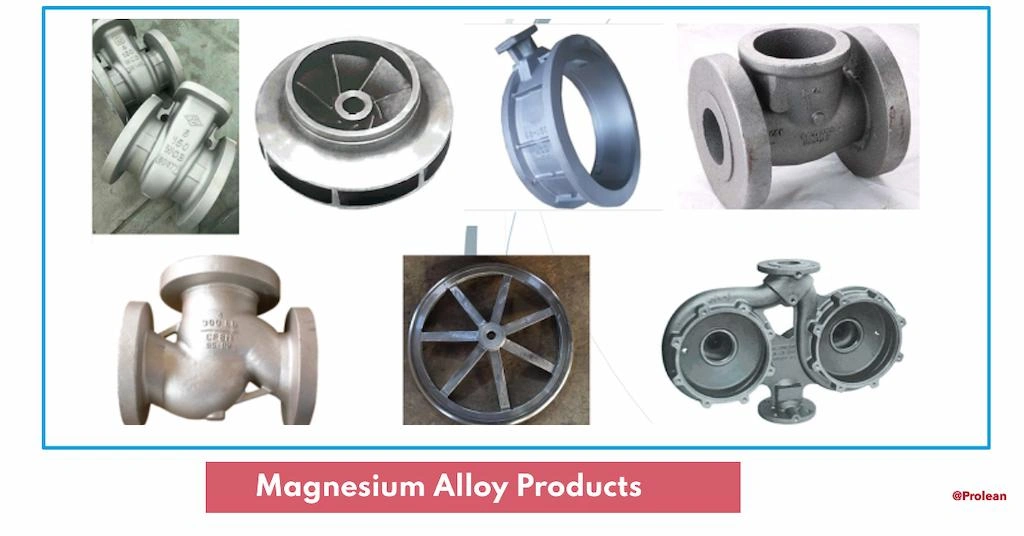
So, what exactly is magnesium? You might not think about it much, but it's actually the eighth most abundant element in the Earth's crust. Pretty common, right? And it’s super important. Think about your smartphone, your bike, even airplanes – a lot of them use magnesium because it's incredibly light yet surprisingly strong.
But how do we get this useful metal out of rocks and seawater? It’s not like you can just dig up a lump of pure magnesium. Nope, it’s usually locked up tight within compounds. So, we need a little help from science and some serious heat to coax it out.
The Magic Ingredient: Seawater or Minerals
The starting point for making magnesium metal is usually one of two places: either seawater or certain types of minerals. Both are brimming with magnesium ions, just waiting to be liberated.
Seawater is like a giant, salty soup, and dissolved in that soup are all sorts of good things, including magnesium. It’s kind of like finding a treasure chest at the bottom of the ocean, but instead of gold doubloons, we're looking for magnesium atoms.
Alternatively, we can use minerals like dolomite or magnesite. These are rocks that have a lot of magnesium compounds naturally occurring within them. Think of them as solid blocks of magnesium waiting to be broken down.
Option 1: The Seawater Splashdown
Let's start with the seawater route. It's a classic method and really highlights the abundance of magnesium around us. First, we need to get the magnesium ions to separate from all the other salts in the seawater. How do we do that? With a dash of lime, which is calcium hydroxide.

Imagine you’re trying to get a specific toy out of a box full of other toys. Lime acts like a special tool that only grabs the magnesium toys and pulls them out. When lime is added to seawater, it causes magnesium hydroxide to precipitate – basically, it forms a solid that can be filtered out. It’s like magic, but it’s just chemistry!
So, we’ve got our magnesium hydroxide. Now what? This stuff is still not pure magnesium metal. It’s like having flour but wanting a finished cake. We need to go through a few more steps.
The next big step involves electrolysis. Now, electrolysis sounds a bit intimidating, but think of it like using electricity to break things apart. It’s a powerful way to get elements separated.
We take our magnesium hydroxide and convert it into magnesium chloride. This is a salt that conducts electricity really well when it's melted. So, we heat it up until it’s a liquid – really, really hot liquid!
Then, we pass a strong electric current through this molten magnesium chloride. The electricity basically forces the magnesium atoms to break free from the chlorine atoms. It’s like giving the magnesium atoms a strong electric jolt to say, "Hey, it’s time to be on your own!"
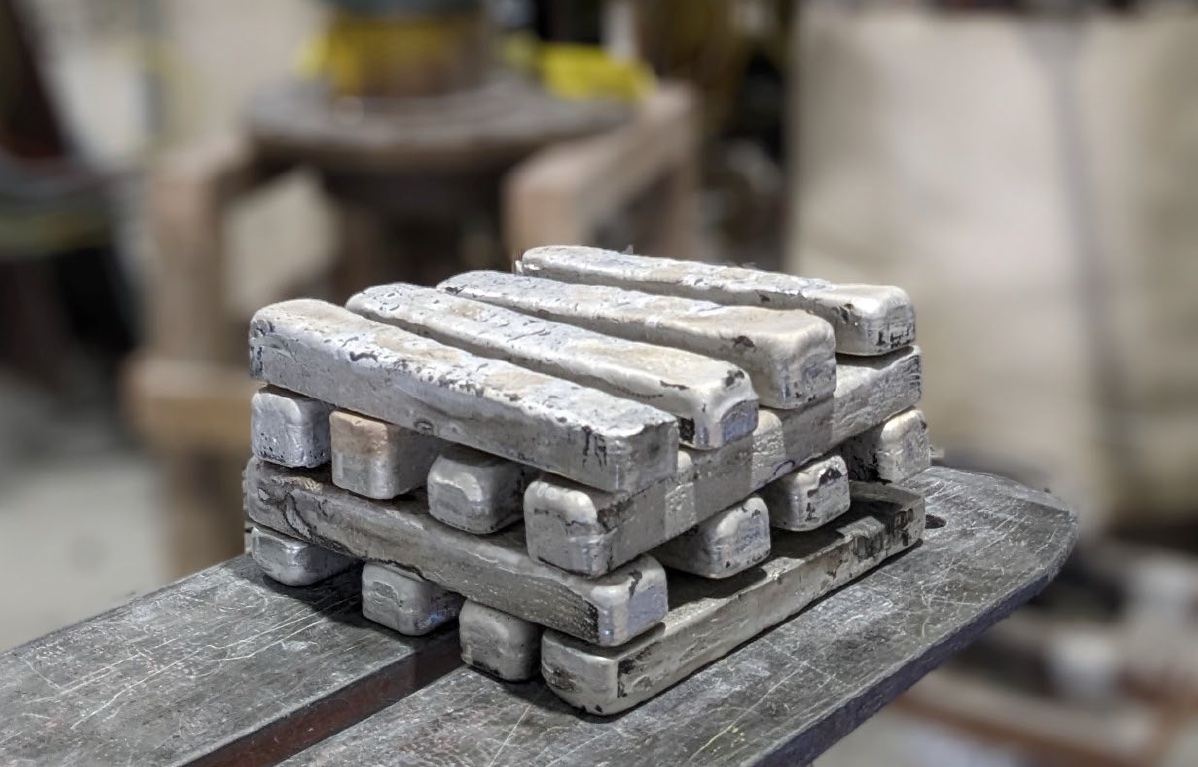
At one end of the electric setup, the molten magnesium metal starts to collect. It's then skimmed off, cooled, and shaped into ingots or other forms. Pretty neat, huh?
Option 2: The Mineral Munchies
What about those minerals? The process here is a bit different but also involves that crucial step of electrolysis.
If we’re using minerals like dolomite or magnesite, we first need to break them down. This often involves heating them to very high temperatures in a process called calcination. This gets rid of carbon dioxide and leaves us with magnesium oxide. Think of it as roasting the rocks until they release what they're holding onto.
This magnesium oxide then needs to be converted into a form that can be electrolyzed. Again, we typically turn it into magnesium chloride. This is often done by mixing the magnesium oxide with something like hydrochloric acid.
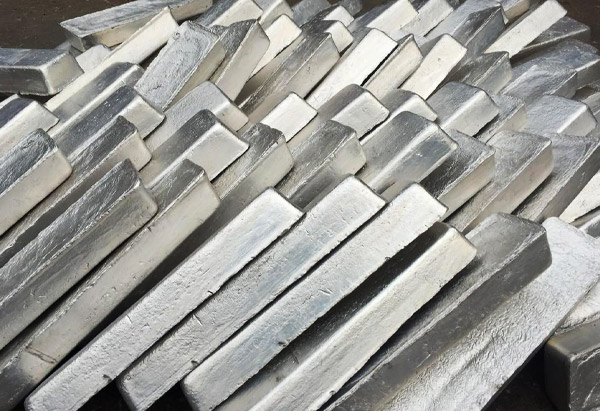
Once we have our molten magnesium chloride, we’re back to the same magical electrolysis process we saw with the seawater method. A powerful electric current is passed through the molten salt, and voilà, molten magnesium metal is produced!
The Electrolysis "Spa Treatment"
Let’s spend a moment appreciating electrolysis. It’s the workhorse for producing many reactive metals, and magnesium is definitely one of them. It’s basically forcing a chemical reaction to happen that wouldn’t normally occur on its own, all thanks to the power of electricity.
The electrolysis cells are pretty impressive. They are large tanks filled with the molten salt. Electrodes, which are like the positive and negative terminals of a battery but on a massive scale, are submerged in the molten salt. When the electricity flows, the magnesium ions are attracted to the negative electrode (the cathode), where they pick up electrons and become neutral magnesium atoms. The chlorine ions go to the positive electrode (the anode) and become chlorine gas.
This chlorine gas is actually a useful byproduct and can be captured for other industrial uses. So, it’s not just about getting magnesium; it’s about efficiently using all the components.
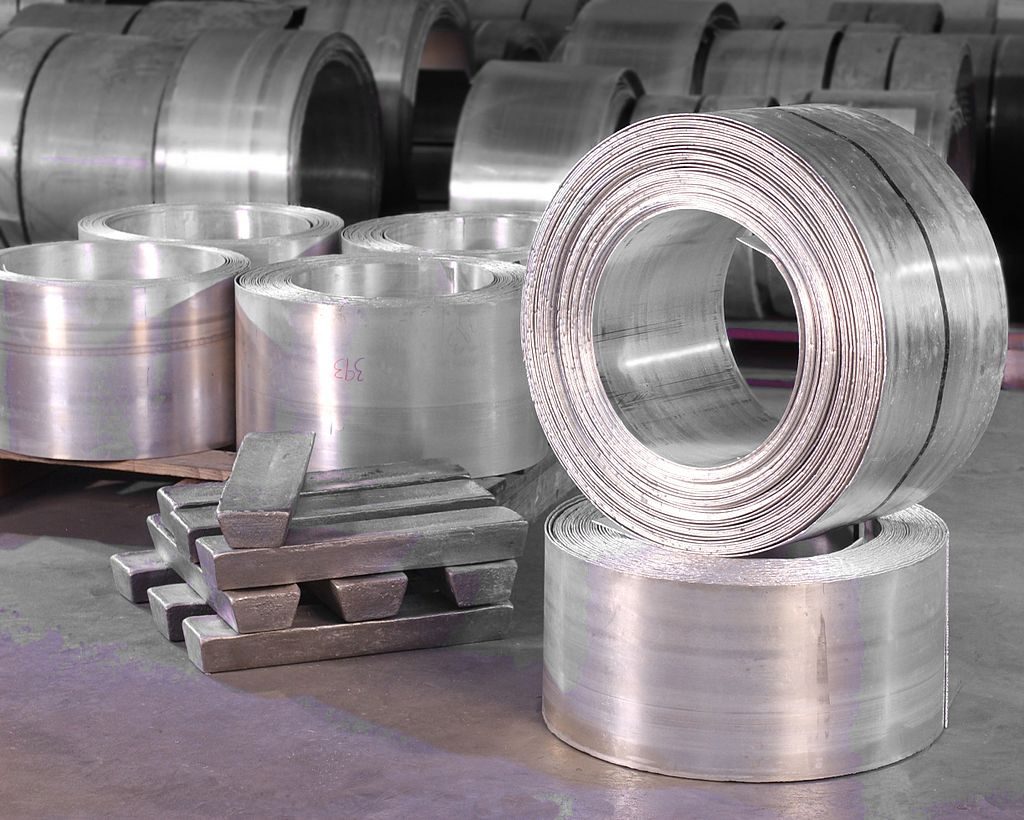
The molten magnesium metal that forms is lighter than the molten salt, so it floats to the top. Workers then carefully collect this glowing, liquid metal. It's a fiery, industrial ballet!
Why All This Effort?
So, why go through all this trouble? Well, that lightweight strength is a game-changer.
Magnesium is about a third lighter than aluminum, which is already pretty light! This is huge for industries where every ounce counts, like aerospace. Lighter planes use less fuel, which saves money and reduces emissions. So, that shiny magnesium in an airplane wing is helping us fly more efficiently.
In cars, magnesium alloys help make vehicles lighter, improving fuel economy. And in our everyday lives, those sleek, lightweight laptop cases or durable bicycle frames? Chances are, magnesium is playing a role.
It's also used in fireworks for that brilliant white sparkle, and in certain chemical reactions because it's quite reactive. It's like the multi-tool of the metal world!
The process of extracting magnesium metal is a testament to human ingenuity, taking common substances like seawater and rocks and transforming them into a highly useful and advanced material through complex chemical and electrical processes. It’s a cool reminder that even the most everyday objects have a story of creation, often involving a bit of heat, some electricity, and a whole lot of science.