
How Long Can You Drive On A Donut Spare Tire

So, you’ve got a flat. Bummer. But wait! What’s that little guy peeking out from your trunk? It’s the infamous donut spare. We’ve all seen ‘em. They look… well, a bit odd, right?
They’re skinny. They’re usually a different color. They make your car feel kinda… wobbly. It’s like your car decided to wear roller skates for one wheel. Kinda funny, kinda terrifying. But the big question on everyone’s mind, the one whispered in gas station parking lots and shouted in roadside diners, is: how long can you actually drive on this thing?
Let’s dive in, shall we? This isn’t rocket science, but it’s definitely a story worth telling. Because who doesn't love a little roadside drama? And the donut spare? It’s the unsung hero of the automotive world. Or maybe the slightly embarrassing cousin.
The “Donut” Mystery: What’s Up With That Name?
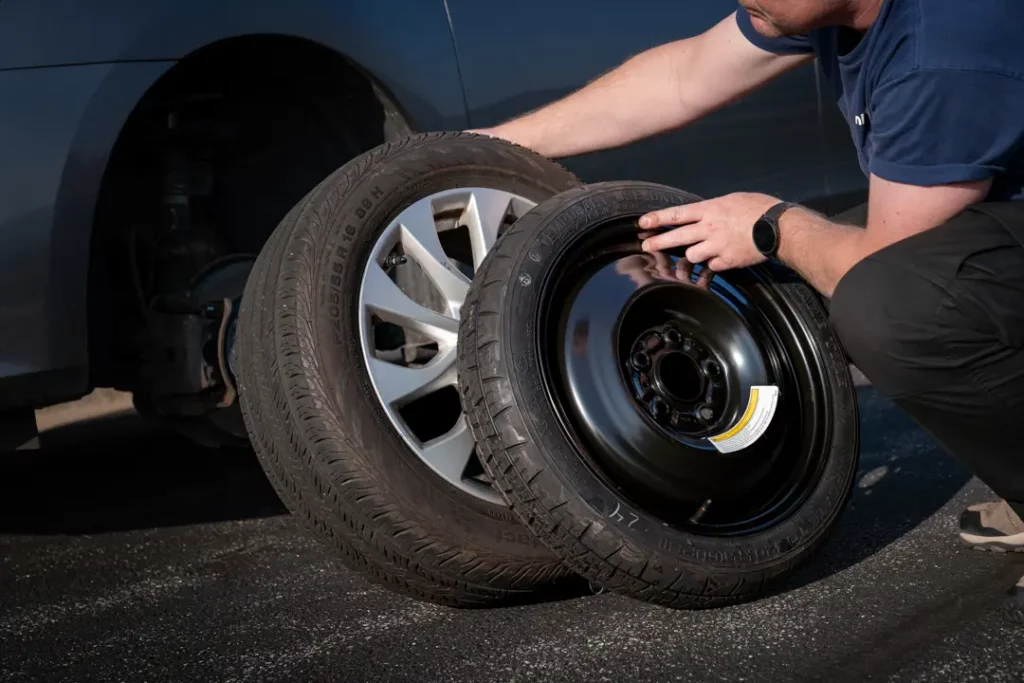
First things first. Why do we call it a donut? Is it because it’s round? Shocking, I know. But it’s more than that. It’s the shape. It’s significantly smaller and narrower than your regular tires. It looks a bit like, you guessed it, a donut. A sad, deflated donut, maybe. Or a very skinny bagel.
It’s not designed for speed. It’s not designed for long trips. It’s basically a temporary fix. Think of it as a quick snack, not a five-course meal. You wouldn’t go on a cross-country road trip with just a single cookie, would you? Same principle. Speed limits are your best friend here.
The Not-So-Secret Limit: Time and Distance
Alright, let’s get to the juicy part. The actual numbers. Most donut spares come with a strict time and distance limit. And for good reason! These little guys are made with a lighter rubber compound and are designed to get you out of a bind, not be your new permanent footwear.
Typically, you’re looking at around 50 to 70 miles. That’s it. And speed-wise? Don't push it past 50 mph. Seriously. It’s not a suggestion; it’s a vital piece of information that could save you from a very unpleasant situation.
Why these numbers? Well, the smaller size means it’s not built for the same stress as your regular tires. The thinner sidewalls can’t handle high speeds or heavy loads. Plus, the different circumference can mess with your car’s anti-lock braking system (ABS) and traction control. Imagine your car getting confused about how fast each wheel is spinning. Not ideal.
The Quirky Facts You Never Knew You Needed
Here’s where it gets fun. Did you know that some donut spares have different lug nut patterns than your regular wheels? It’s true! You might have a 5-lug pattern on your main tires, and the donut could be a 4-lug. This is another reason they’re not meant to be on for long. It’s a temporary “different” wheel.
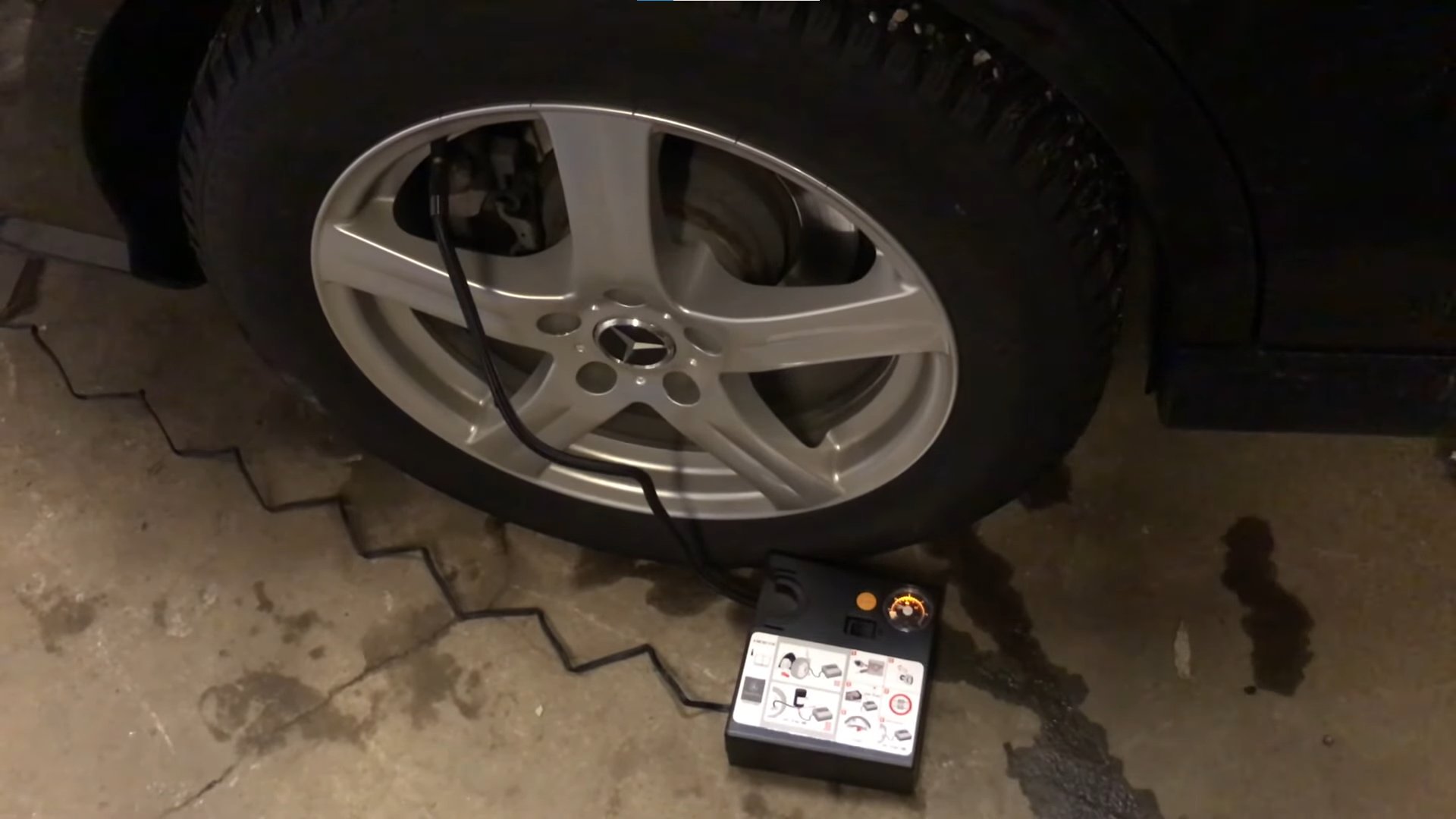
And what about the pressure? They often need higher tire pressure than your regular tires. It’s because they’re smaller and carrying more weight proportionally. So, when you check your tire pressure, don’t just assume the regular PSI. The donut often has its own recommended pressure printed on its sidewall. It's like a secret code on a spy gadget.
Another funny thought: what if you get a flat on your rear wheel and put the donut on the front? Or vice versa? This can seriously mess with your car's handling. It’s like trying to dance with one sensible shoe and one platform boot. You might end up doing the splits. Unintentionally.
The "Why" Behind the Weirdness
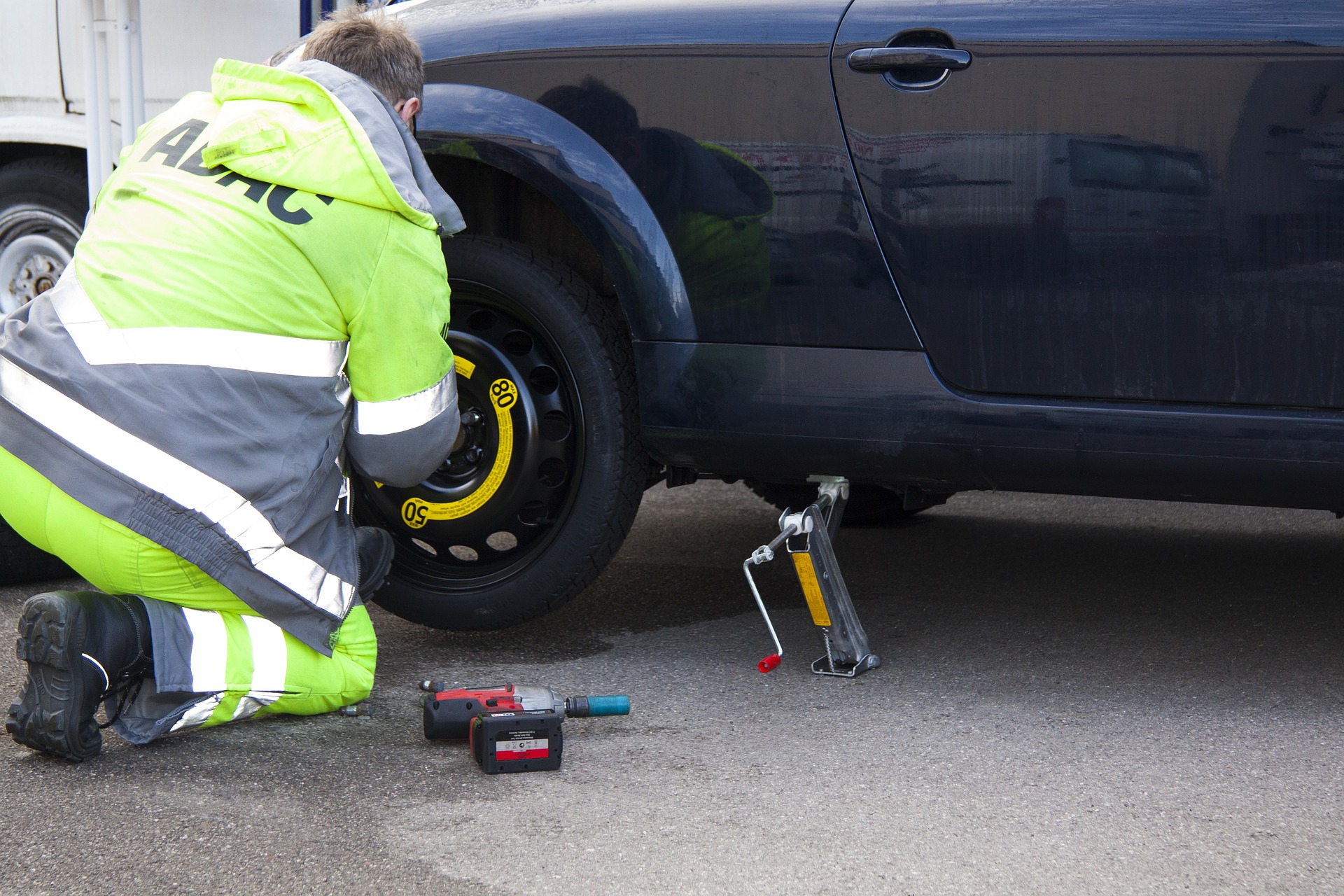
So, why do car manufacturers even bother with these skinny spares? It’s all about space and weight. A full-sized spare tire takes up a lot of real estate in your trunk. Think about all the extra junk you could fit in there if you didn't have a giant tire hogging all the space! Plus, a full-sized spare adds weight, which impacts fuel efficiency. Every little bit counts, right?
The donut spare is a compromise. It’s a way to give you an option to get to a repair shop without forcing you to carry around a behemoth tire. It’s the automotive equivalent of a granola bar in your backpack – not fancy, but it’ll keep you going in a pinch.
What to Do When the Donut Calls
Okay, so you’re on donut duty. What now? 1. Find your nearest tire shop. Don’t delay. The clock is ticking, and the miles are counting down. 2. Drive cautiously. Slow and steady wins the race. And avoids a potential disaster. 3. Avoid rough roads. Potholes are the enemy. Gravel roads are the devil. Stick to smooth pavement like it's your job. 4. Listen to your car. If it feels weird, it probably is. 5. Don't test its limits. Seriously, just don't. The temptation might be there, but resist!

And here’s a pro-tip: know your donut’s limits before you need it. Check your car’s manual. It will tell you the specific speed and distance recommendations for your spare. It’s like having a cheat sheet for your car’s little secret.
The Grand Finale: Back to Normal!
The moment you pull into the tire shop and they swap that skinny donut for a proper tire, you’ll feel a sense of relief. Your car will feel normal again. The wobbly, slightly panicked feeling will disappear. It’s like taking off those awkward high heels after a long night. Ah, sweet, sweet normalcy.
So, the next time you spot that donut spare, don't just see it as a hassle. See it as a clever, albeit slightly quirky, piece of automotive engineering. It’s got a job to do, and it does it well, for a limited time. Just remember its limitations. And maybe have a laugh about its skinny profile. It’s all part of the grand adventure of owning a car. Now go forth and drive safely… on your regular tires!