
How Long Did The Trojan War Last
Ever found yourself wondering about epic tales from ancient times? The Trojan War is one of those stories that just grabs you – a grand drama filled with heroes, gods, and a whole lot of drama. It’s like the ultimate ancient blockbuster, and a question that pops up surprisingly often is: just how long did this legendary conflict actually drag on?
Understanding the timeline of the Trojan War isn't just about satisfying a trivia itch. It helps us appreciate the sheer scale of the undertaking. Imagine soldiers marching, ships sailing, and battles raging for years on end. It gives you a real sense of the endurance, the suffering, and the monumental effort involved for everyone on both sides of the conflict. Plus, knowing the duration adds a layer of depth to the characters and their motivations. Would Achilles have been as legendary if his rage had cooled after a few months? Would Helen have remained the face of such a prolonged conflict if it was over in a blink?
The Epic Grind: A Decade of Drama
So, let's get to the big question! According to the ancient Greek poems and stories, most notably Homer's epic The Iliad, the Trojan War wasn't a quick skirmish. Oh no, this was a marathon, not a sprint. The generally accepted duration for the Trojan War is a whopping ten years. That's a decade of intense fighting, strategic maneuvering, and divine intervention!
Think about that. Ten years. That's longer than most people spend in high school or college. It's longer than many marriages last today. For the soldiers who fought on the plains outside the mighty walls of Troy, it meant leaving their homes, their families, and their normal lives for an entire decade. Imagine the weariness, the homesickness, and the sheer grit it would take to keep fighting day after day, year after year.
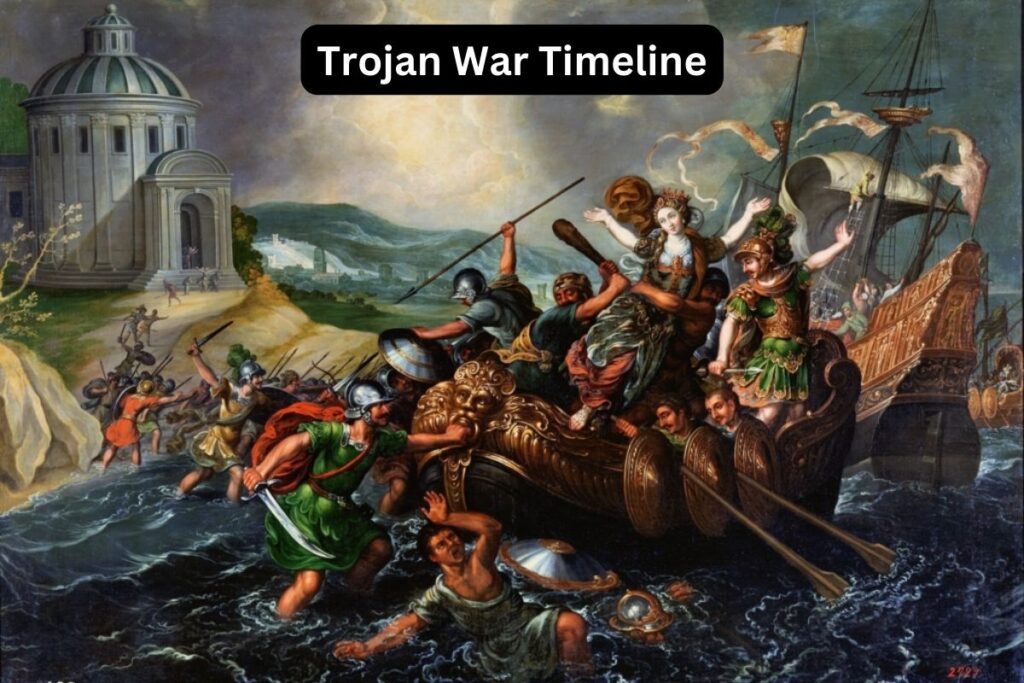
The war itself is said to have begun after the Trojan prince, Paris, abducted Helen, the wife of Menelaus, the king of Sparta. This insult was simply too much for the Greeks (or Achaeans, as they were known then) to bear. Menelaus, with the backing of his powerful brother, Agamemnon, the king of Mycenae, gathered an immense force – a coalition of Greek kingdoms – to sail to Troy and bring Helen back. And so, the stage was set for a conflict that would echo through history.
The Pace of Ancient Warfare
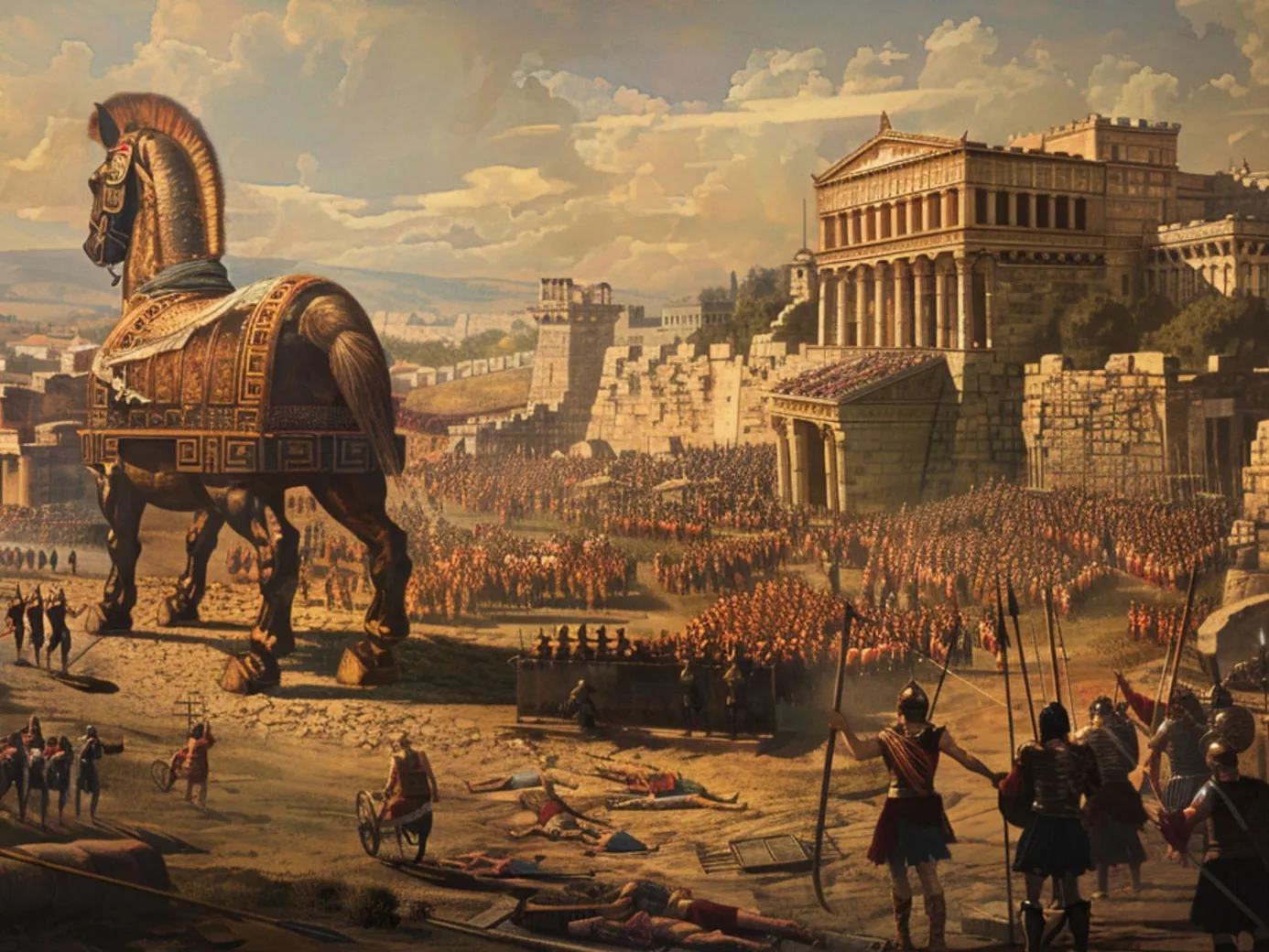
Why did it take so long? Well, ancient warfare was different. Sieges were incredibly difficult, especially against a well-fortified city like Troy, which was known for its formidable walls. Breaking down those defenses required time, resources, and a whole lot of patience. It wasn't like today where modern armies can cover vast distances and achieve objectives in days or weeks.
The fighting wasn't necessarily continuous, either. There would have been periods of intense campaigning, followed by lulls, especially during winter months. However, the Greeks maintained a constant presence, blockading the city, harassing its supply lines, and engaging in skirmishes and pitched battles whenever opportunities arose. The Iliad itself, while covering some of the most dramatic events, focuses on a relatively short period within the tenth year of the war. This suggests that the intervening years, while perhaps less celebrated in epic poetry, were filled with ongoing conflict and the slow grind of siege warfare.
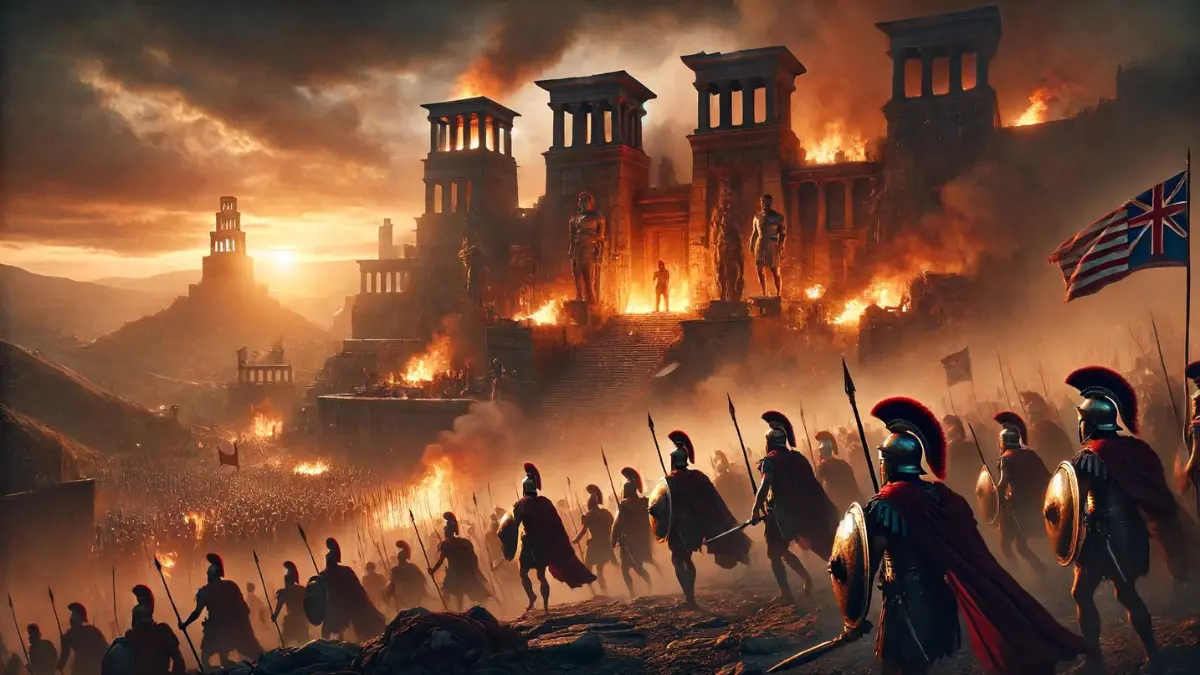
It’s a testament to the resilience and determination of both the Achaeans, who refused to give up on their mission, and the Trojans, who fiercely defended their homeland. The heroes on both sides, like the mighty Hector, the valiant Ajax, and the swift-footed Achilles, became legendary precisely because of their exploits over this extended period. Their deeds, their bravery, and their tragic fates are all woven into the fabric of this ten-year saga.
The Trojan War eventually ended, not with a prolonged frontal assault on the walls, but with the cunning of the Trojan Horse, a stratagem credited to the clever Odysseus. This ingenious trick allowed the Greeks to infiltrate the city and bring about its downfall. But even that iconic moment was the culmination of a decade of struggle.
So, the next time you hear about the Trojan War, remember that it wasn't just a quick clash. It was a monumental, decade-long saga that tested the limits of human endurance and shaped the very foundations of Western literature and mythology. It's a story that reminds us that some of the greatest tales are often the longest ones.