
How Long Do Snapdragons Take To Grow

Hey there, fellow plant enthusiast! So, you've got your eye on those delightful, whimsical snapdragons? Excellent choice! Seriously, they’re like little floral party poppers, aren’t they? And the best part? They’re not exactly rocket science to grow. But the burning question, the one that keeps you staring out the window with hopeful anticipation, is: how long do snapdragons take to grow? Let’s dive in, shall we? And don't worry, we'll keep it as breezy as a summer garden party.
First off, let’s talk about what "growing" really means for a snapdragon. Are we talking about from a tiny seed to a full-blown, flower-spewing marvel? Or are you more interested in how quickly those cute little seedlings will start looking like actual plants? The journey from seed to bloom is where the magic truly happens, and it's a process that’s surprisingly rewarding. Think of it like baking a cake – you can’t rush perfection, but the anticipation is half the fun, right?
So, you’ve just planted your snapdragon seeds. Hooray! Now, patience, my friend, is your new best gardening buddy. Generally speaking, you can expect to see those first little green shoots poking their heads out of the soil within 7 to 14 days. Yep, it’s like they’re having a secret meeting underground and deciding, "Okay, time to make our grand entrance!" Sometimes it can be a tad quicker, maybe 5 days if they're feeling particularly ambitious. Other times, especially if the conditions aren’t quite perfect (we’ll get to that later), it might take a little longer, say 21 days. But don't panic! As long as the soil is moist and the temperature is right, they’re likely just taking their sweet time to get ready.
Once those little seedlings have emerged, it’s go-time! They’ll start to grow more visibly each day. You'll see them develop their first set of "true leaves" – those are the ones that look like miniature snapdragon leaves, not the initial baby ones. This stage is crucial for building a strong foundation. Think of it as their baby steps before they start running the marathon of blooming.
Now, if you’re starting with tiny seedlings from a nursery or a friend’s garden, you're already a few steps ahead! In this case, the timeline shifts a bit. You’re looking at a plant that’s already got a bit of a head start. From a healthy young seedling, you can typically expect to see those first adorable flower buds forming within 4 to 6 weeks after planting it out in your garden. See? Much quicker when they’ve already done the whole "emerging from the dirt" phase!
So, to sum up the seed-to-first-bloom marathon: if you’re starting from seed, plan for roughly 8 to 10 weeks from sowing to your first lovely snapdragon bloom. This is a general timeframe, of course, and can be influenced by a few factors. It’s not an exact science, more like a beautiful, unfolding mystery!
What’s the Deal with the Timeline? Factors Affecting Snapdragon Growth
Alright, so we've got our general timelines. But as any seasoned gardener knows (or anyone who’s ever tried to keep a houseplant alive!), there are always a few quirky variables that can speed things up or slow them down. Let’s peek behind the curtain and see what makes these snapdragons tick:
Temperature is Key (They’re Not Fans of the Heatwave!)
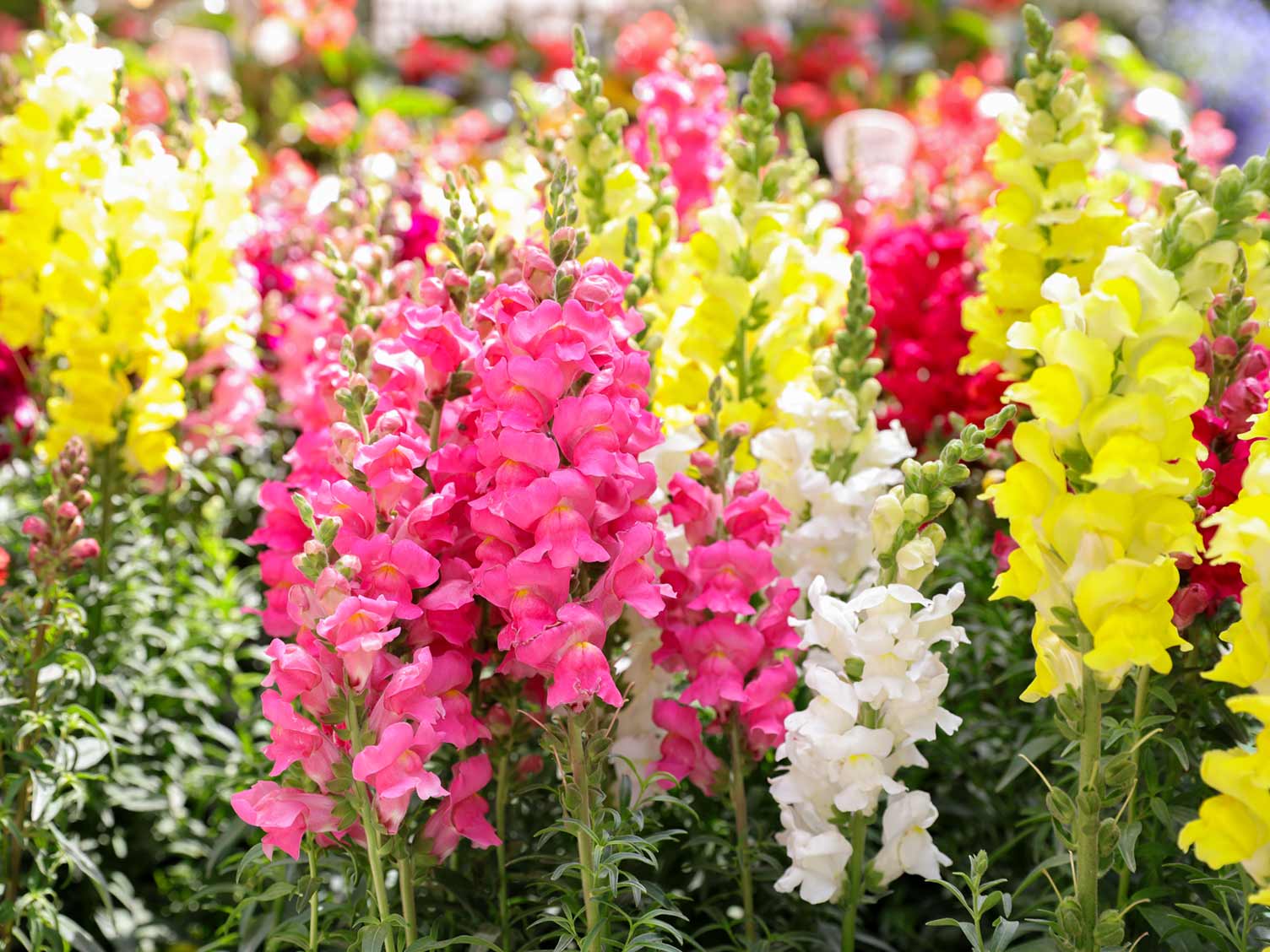
Snapdragons are cool-season lovers. They absolutely adore the mild temperatures of spring and fall. They’re like us – they want to be comfortable, not sweating it out in a heatwave! If you plant them too early in the spring when there’s still a risk of hard frosts, they might get a little stressed. Conversely, if you try to grow them in the peak of summer's scorching heat, they might sulk and stop blooming, or their growth will definitely slow down. They’re much happier when the daytime temperatures are in the 60s and 70s Fahrenheit (that’s around 15-25 Celsius for my metric friends). So, keep an eye on your local weather forecast!
Light, Camera, Snapdragon!
These guys are sun-worshippers, but with a caveat. They need at least 6 hours of direct sunlight per day to truly thrive and produce abundant blooms. More sun generally means more flowers, which is exactly what we want, right? However, in very hot climates, a little afternoon shade can actually be beneficial. It’s like they enjoy a bit of a cool-down drink after their sunbathing session. Too much shade, though, and you’ll get leggy plants with fewer flowers – nobody wants a sad, stretched-out snapdragon!
Soil-So-Good!
Your snapdragons will thank you with speedy growth if they’re planted in well-draining soil. They hate having "wet feet" – basically, soil that stays soggy. Soggy soil can lead to root rot, and that’s a party killer for any plant. A good, loamy soil that’s amended with some compost is usually their idea of heaven. It provides nutrients and allows for good drainage. If your soil is heavy clay, consider mixing in some sand or perlite to improve its texture. Happy soil means happy roots, which means happy, fast-growing snapdragons!
Watering Wisdom
Consistent watering is your friend. Snapdragons appreciate moist soil, but not waterlogged soil. Aim to water them deeply when the top inch or so of the soil feels dry. This usually means watering a few times a week, depending on the weather. During hot, dry spells, they might need more frequent watering. Overwatering is just as bad as underwatering, so finding that sweet spot is key. A good watering can really set them on their growth trajectory!

Variety is the Spice of Snapdragon Life
Did you know there are different types of snapdragons? Yep! You’ve got your towering giants (like 'Rocket' series), your mid-height charmers, and your dainty little dwarf varieties. Generally, the larger varieties might take a smidge longer to reach their full towering glory, but they often produce more impressive blooms. The dwarf varieties might give you flowers a little sooner. So, the specific type you choose can also play a small role in the overall timeline.
Starting Strong: Seeds vs. Transplants
We’ve touched on this, but it’s worth reiterating. Starting from seed is the most rewarding, but it’s also the slowest route. You get to witness the entire miracle from the get-go! Buying established transplants from a garden center or nursery gives you a significant head start. If you’re impatient (and who can blame you?), transplants are your fast-track ticket to snapdragon bliss. They've already weathered the seedling stage and are ready to get down to business.
From Seedling to Stunning Bloom: A Visual Journey
Let’s paint a picture, shall we? Imagine you’ve just sown those tiny snapdragon seeds. For the first week or so, it’s all quiet anticipation. Then, pop! A little green speck appears. It’s your baby snapdragon, saying hello to the world. It might look a bit fragile, but it’s got big dreams.
In the next couple of weeks, those specks will unfurl into small, leafy seedlings. They’ll be a few inches tall and might start to look a bit more like recognizable plants. This is when you might think about thinning them out if they're too crowded, giving each little sprout more room to stretch its legs (or roots!).
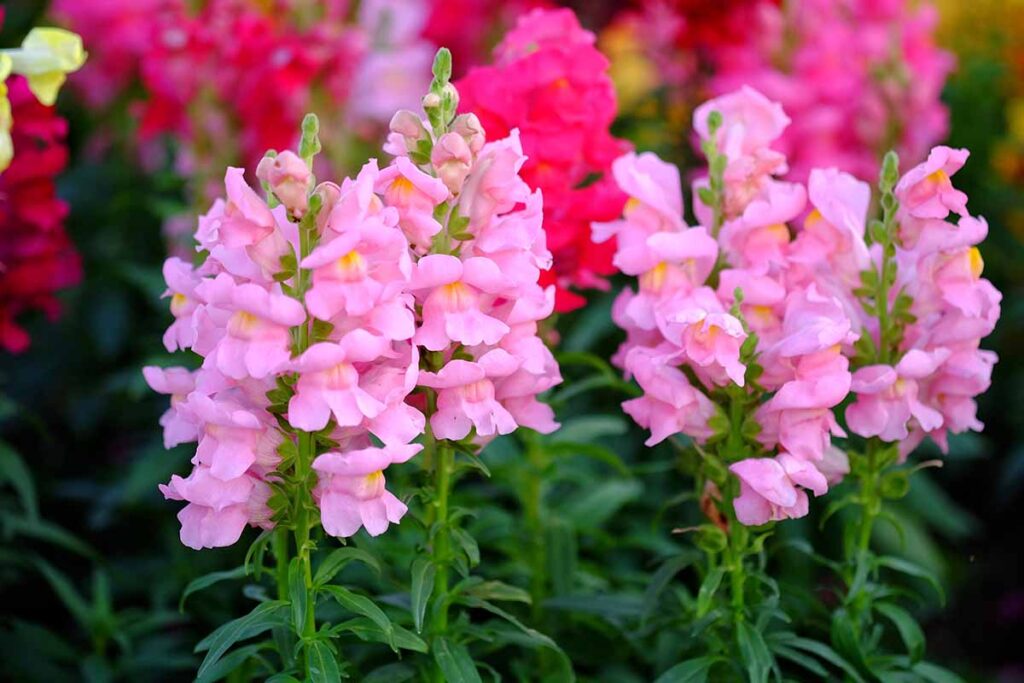
By about 4-6 weeks after germination (or shortly after planting out transplants), you’ll start to notice little bumps forming at the top of the stems. These are your first flower buds! It’s like they’re getting ready for their big fashion show. You'll watch with bated breath as these buds swell and begin to show their color.
And then, the moment you’ve been waiting for! The first snapdragon flower will open. Ta-da! It’s a glorious sight. And the best part? Once they start blooming, they tend to keep on going, especially if you remember to "deadhead" them.
The Magic of Deadheading: Keep the Blooms Coming!
Ah, deadheading. It sounds a little morbid, but it’s actually one of the most rewarding gardening tasks, especially for snapdragons. When you see those spent, faded flowers at the top of the stem, it’s time to snip them off. Why? Because it tells the plant, "Hey, you’re done with those, but I’m still here, ready for more!"
By removing the old blooms, you encourage the plant to produce even more flower spikes. It’s like giving them a little pep talk to keep the show going. This can significantly extend your blooming season, meaning you get to enjoy those cheerful snapdragon faces for much longer. Instead of a plant that blooms once and then calls it a day, deadheading can keep them producing flowers for weeks and even months. It’s the secret handshake of continuous bloom!
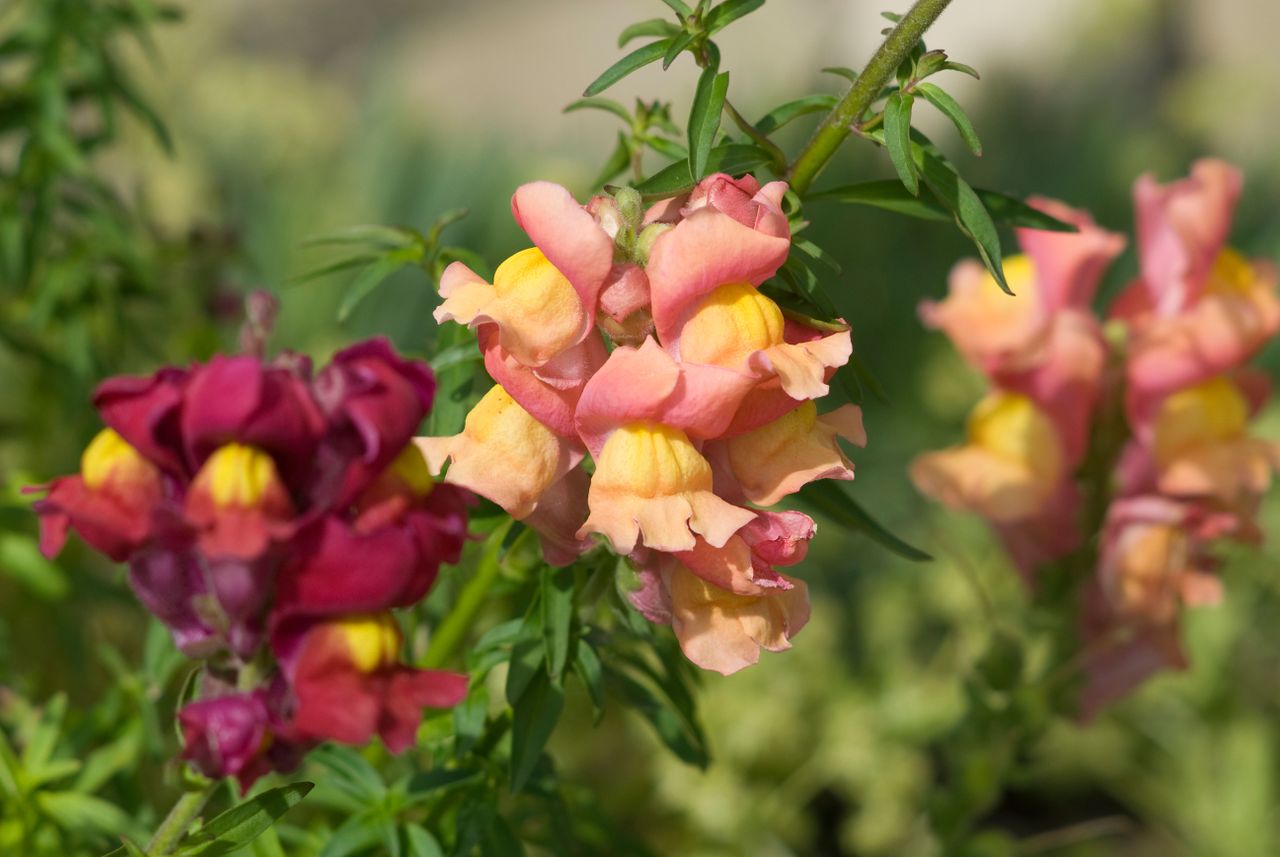
So, while the initial journey from seed to bloom is a few months, the ongoing enjoyment can last for ages if you just give them a little trim now and then. It’s a small effort for a huge floral reward!
So, to Recap: How Long Do Snapdragons Take to Grow?
Let’s break it down one last time, nice and simple:
- From Seed to First Sprout: Expect to see tiny seedlings emerge in about 7 to 14 days, sometimes up to 21 days.
- From Seed to First Bloom: If you started from seed, you’re looking at roughly 8 to 10 weeks from sowing to that first beautiful flower opening.
- From Transplant to First Bloom: If you’re starting with young plants, you’ll likely see blooms in about 4 to 6 weeks after planting them out.
- Ongoing Blooms: With regular watering, good sun, and a bit of deadheading, your snapdragons can continue to bloom for many weeks, even months!
Remember, these are general guidelines. Nature always likes to throw in a little surprise now and then! But by providing the right conditions – good soil, adequate sun, consistent water, and suitable temperatures – you're setting your snapdragons up for success and a beautiful, extended blooming period. They’re not the slowest bloomers out there, and they certainly give you a fantastic bang for your buck in terms of flower power and duration.
And there you have it! The wonderful world of snapdragon growth, demystified. Now, go forth and plant those cheerful blooms! Imagine your garden bursting with color, those whimsical heads bobbing in the breeze, bringing smiles to your face and to anyone lucky enough to wander by. There’s something truly magical about watching a garden grow, especially when it’s as fun and rewarding as growing snapdragons. So, plant them with love, nurture them with care, and get ready to be amazed by the delightful show they put on. Happy gardening, and may your snapdragon journey be filled with color, joy, and plenty of blooming magic!