
How Long Does It Take To Make A Claymation Movie
Ever found yourself mesmerized by those wonderfully quirky, stop-motion worlds where everyday objects come to life? You know, the ones where a little blob of clay wiggles its way into your heart? We’re talking about claymation, that magical process that transforms sticky stuff into stories. And the question that often pops into our heads, right after "How did they do that?!" is: How long does it actually take to make a claymation movie?
Well, buckle up, buttercup, because the answer is… it’s a big range! Think of it like asking how long it takes to build a sandcastle. A quick little turret? A few minutes. A sprawling, multi-level fortress with moats and bridges? That’s a whole afternoon (and maybe a few sunburns). Claymation is kind of like that, but with significantly more patience and a lot less sand in your shoes.
Let’s break it down, shall we? At its core, claymation is all about stop-motion animation. This means you take a picture, move the clay a tiny, tiny bit, take another picture, move it again, and so on. Rinse and repeat. A lot. Like, a lot a lot.
So, how many pictures do we need for a movie? A standard movie runs at about 24 frames per second. That means for one second of animation, you need 24 individual photos! Imagine that! You sneeze, you blink, you accidentally breathe too hard, and BAM! Your meticulously crafted character just grew a third eye or sprouted a rogue antenna. Talk about pressure!
Now, let's talk about the stars of the show: the clay! You can’t just grab a handful of Play-Doh from the kindergarten art bin. Oh no, my friend. Professional claymation artists use specialized modeling compounds that are designed to hold their shape and not dry out too quickly. It’s a bit like choosing the right paint for a masterpiece – gotta have the right tools!
The Tiny Steps to Big Dreams
Think about a simple action, like a character walking. For a few seconds of walking, an animator might have to make hundreds of tiny movements. Each movement needs to be just right to create the illusion of smooth motion. It’s like meticulously arranging dominoes, but instead of a satisfying topple, you get a character strutting their stuff.
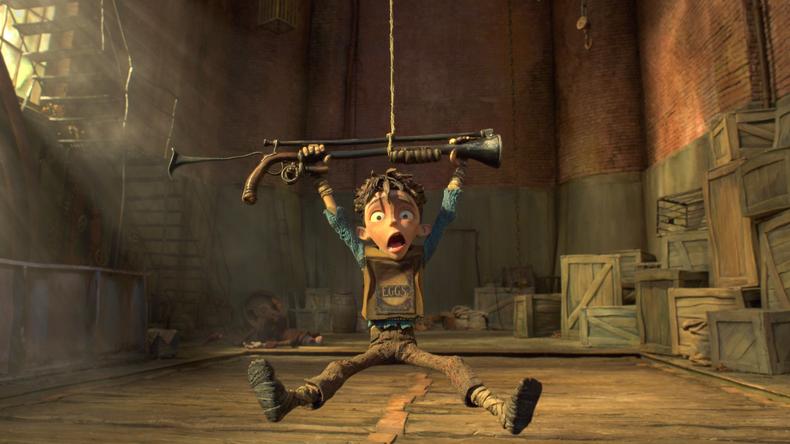
And the characters themselves! They often need to be built with an armature – a little wire skeleton – to help them hold poses. Then, the clay is carefully applied over this frame. This process alone can take hours, even days, for a complex character. You want a grumpy-looking badger with expressive eyebrows? That’s an investment of time and artistic skill, my friend!
Then comes the actual animating. Let’s say you’re making a short film, maybe just one minute long. At 24 frames per second, that’s 24 frames x 60 seconds = 1440 individual photographs. Even if an animator is super-duper speedy and can capture 10 frames (that’s about half a second of animation!) in an hour, that’s over 140 hours of pure animating. And that doesn’t even include the building, the set design, the storyboarding, the voiceovers, the sound effects, or the editing!
So, for a short film, you could be looking at anywhere from a few weeks to several months. It really depends on the complexity of the story, the detail of the characters, and the number of people working on it.
When Full-Length Features Enter the Scene…
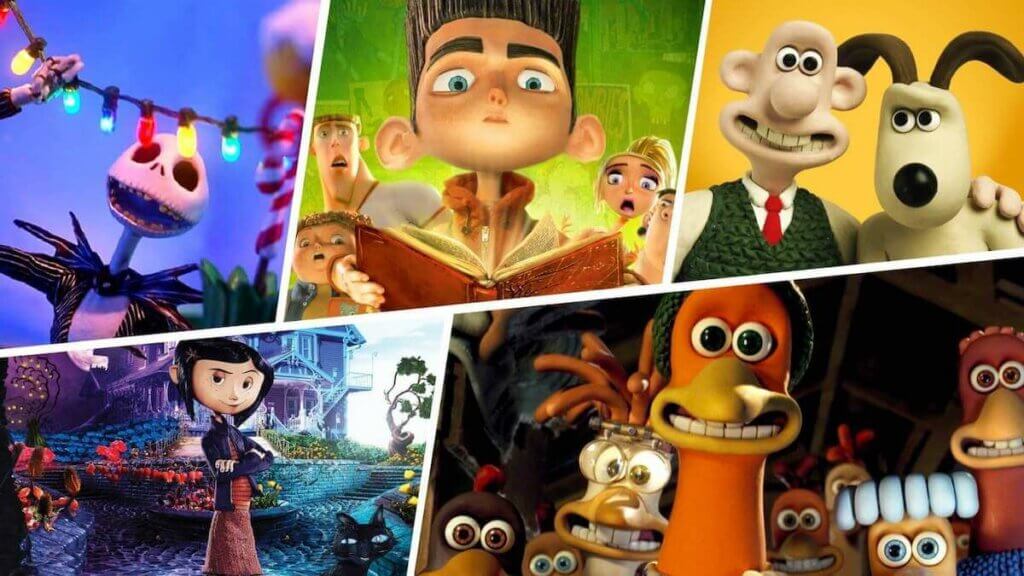
Now, if you’re thinking about the epic adventures of Wallace and Gromit, or the whimsical worlds of Laika Studios (hello, Coraline and Kubo and the Two Strings!), we’re talking about a whole different ballgame. These are not weekend projects, folks.
For a full-length feature film, the timeline can stretch into years. We’re talking two, three, even four or five years of dedicated work from a team of incredibly talented and patient individuals. Think about it: hundreds of characters, elaborate sets, complex lighting, and a narrative that needs to captivate audiences for an hour and a half (or more!).
Each shot is meticulously planned and executed. A single scene might take weeks to animate. And imagine the sheer volume of clay used! It's like a never-ending supply of colorful, moldable magic.
So, Why Bother With All That Time?
Because, my dear reader, the result is pure, unadulterated charm! There’s a tactile quality to claymation that CGI just can't replicate. You can feel the effort, the craftsmanship, the love that went into every frame. It’s like holding a handmade gift versus something mass-produced – there’s a special kind of magic in the personal touch.
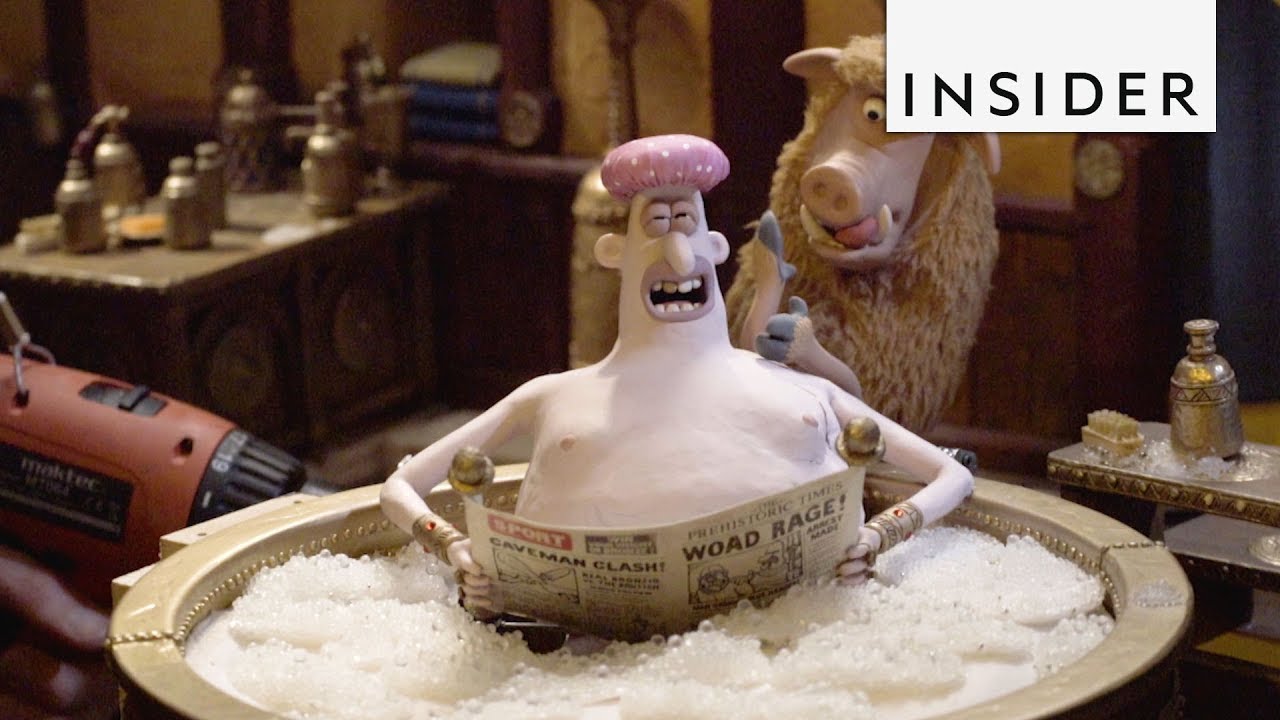
Plus, the process itself can be incredibly fun and rewarding. Imagine sculpting your own characters, bringing them to life with your own hands, and seeing your story unfold frame by frame. It’s a fantastic way to exercise your creativity and learn a whole lot about storytelling, patience, and the sheer power of perseverance.
It’s a hobby that can spark endless joy, a way to escape into your own little universe. You can start small, of course! Even a few seconds of animated wonder can be incredibly satisfying. All you need is some modeling clay, a camera (your phone works perfectly!), and a good dose of imagination.
The world of claymation is a testament to what human ingenuity and dedication can achieve. It’s proof that with a little bit of patience and a whole lot of passion, you can truly make anything come alive. So, the next time you watch a claymation film, take a moment to appreciate the incredible journey each frame took to get to your screen. And who knows, maybe it’ll inspire you to pick up some clay yourself. You might just surprise yourself with what you can create!