
How Long Does Wood Take To Dry After Rain

Woodworking, whether it's crafting a sturdy garden bench, carving a whimsical birdhouse, or simply whittling away an afternoon, is a pursuit that connects us with nature and our own creativity. The smell of freshly cut timber, the satisfying scrape of a chisel, the transformation of a raw material into something beautiful – it’s all part of the magic. But for those who dabble in this rewarding craft, especially those working with lumber sourced after a good soaking, a crucial question often arises: how long does wood take to dry after rain?
Understanding this drying process isn't just about avoiding warping and cracking; it's about ensuring the longevity and integrity of your creations. For artists and hobbyists, working with properly dried wood means your masterpieces will stand the test of time. Casual learners embarking on their first project will find their efforts far more successful when they respect the material's needs. This patience is a virtue in woodworking, yielding both aesthetic and functional rewards.
The beauty of woodworking lies in its incredible diversity. Imagine a rustic, reclaimed wood sign weathered to perfection, or a delicately carved wooden spoon that fits perfectly in your hand. Perhaps you're drawn to the geometric precision of modern furniture design, or the organic flow of nature-inspired sculptures. From intricate intarsia to bold, chunky folk art, the possibilities are as limitless as your imagination. Each style benefits from understanding the wood's moisture content. A damp piece can lead to frustrating shrinkage and unexpected splits, jeopardizing even the most meticulously planned design.
So, what's the verdict on drying time? Generally, after a significant rainfall, freshly cut logs or lumber can take anywhere from a few days to several weeks to dry sufficiently for most woodworking applications. This depends heavily on several factors: the type of wood (hardwoods generally dry slower than softwoods), the thickness of the pieces, the ambient humidity and temperature, and how the wood is stacked and stored. Good airflow is key! Ideally, you want to stack your wood with spacers (stickers) to allow air to circulate freely around each board, accelerating the drying process and preventing mold growth.
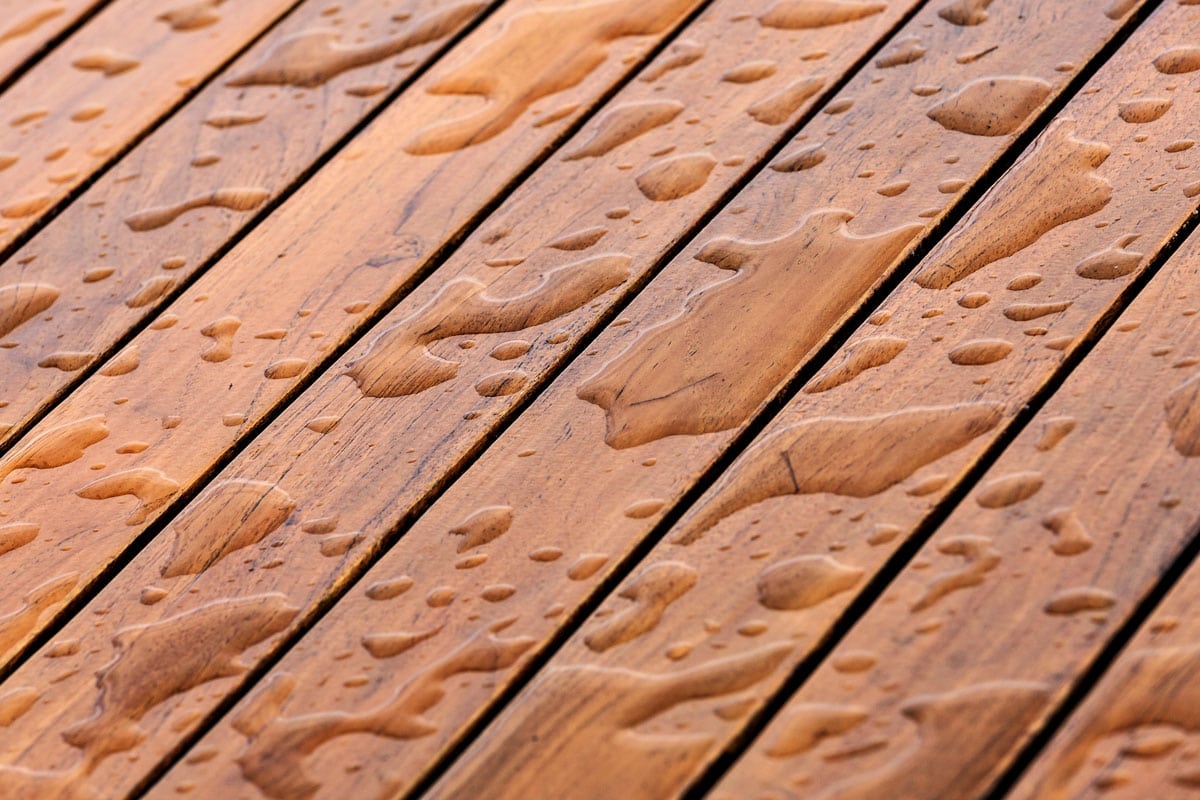
For those eager to try their hand at woodworking or eager to get that project started, here are a few tips. If you’ve acquired lumber that's been exposed to rain, find a dry, well-ventilated spot to store it. Avoid direct sunlight, which can cause uneven drying and cracking. If you're impatient, you can use a moisture meter – a handy tool that tells you the exact moisture content of the wood. For many indoor projects, wood with a moisture content of around 6-12% is ideal.
Ultimately, the wait for wood to dry after rain is a small price to pay for the joy and satisfaction of creating something tangible with your own hands. It’s a process that teaches us patience, respect for natural materials, and the immense pleasure that comes from turning raw potential into something truly special. So, embrace the drying time, learn from it, and get ready to build, carve, and create!