
How Long For Dragon Fruit To Grow

Have you ever gazed upon a dragon fruit at the grocery store, with its vibrant pink skin and speckled flesh, and wondered, "Where does this magical fruit come from?" It’s an exotic beauty, and for many, the thought of growing one at home sparks a sense of adventure and culinary possibility. Whether you're a seasoned gardener or just someone who enjoys a good story, understanding the journey of dragon fruit from a tiny seedling to a bountiful harvest is surprisingly fascinating and incredibly rewarding. It’s not just about the delicious fruit; it's about cultivating a piece of the tropics in your own backyard, or even on your balcony!
The Exotic Journey: Unpacking Dragon Fruit Growth
So, you've got your hands on a dragon fruit cutting or maybe even a seed, and you're itching to know when you'll be feasting on your own homegrown gems. The big question on everyone's mind is: How long does it take for dragon fruit to grow? The answer, like the fruit itself, is a little bit exotic and depends on a few factors. But don't worry, we're going to break it down into bite-sized pieces.
First off, let's talk about what dragon fruit actually is. It's not a dragon's egg, despite the name! Dragon fruit, also known as pitaya or pitahaya, is the fruit of several different cactus species indigenous to the Americas. These aren't your typical desert cacti; they are vining cacti that thrive in warm, humid climates. Think of them as glamorous, tropical climbing plants.
The journey from a tiny cutting to a fruit-bearing plant is a marathon, not a sprint. Generally, if you're starting with a cutting, which is the most common and recommended method for home growers, you can expect to see flowers and eventually fruit within 1 to 3 years. This is the speedier route. If you’re feeling incredibly patient and decide to start from seed, that timeline stretches considerably. From seed, it can take anywhere from 4 to 7 years for your dragon fruit plant to mature enough to produce fruit. So, while seeds are a fun experiment, cuttings are the way to go if you're eager for that sweet, juicy reward.
The health and vigor of your dragon fruit plant are key drivers in its growth rate. A well-cared-for plant, with plenty of sunshine, proper watering, and good soil, will reach maturity and produce fruit much faster than one that's struggling. These tropical beauties love warmth and don't tolerate frost, so they are best grown in USDA hardiness zones 9-11 or in containers that can be brought indoors during cooler months.
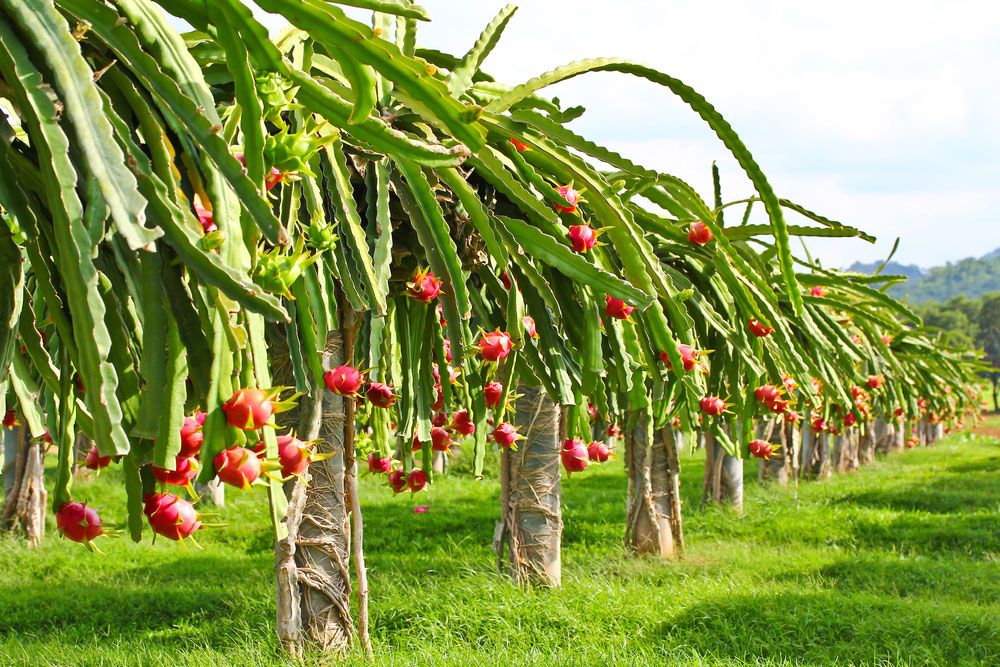
Sunlight is crucial. Dragon fruit plants need at least 6-8 hours of direct sunlight per day to thrive and produce flowers. Without enough sun, your plant might grow, but it won’t be happy enough to bloom. Watering is another delicate dance. They are cacti, after all, so they prefer to dry out between waterings. Overwatering is a common mistake that can lead to root rot, which is a plant's worst nightmare. And when it comes to soil, a well-draining mix is essential. A cactus or succulent mix, or a blend of potting soil, sand, and perlite, works wonders.
Let's dive a little deeper into the stages of growth:
:max_bytes(150000):strip_icc()/DragonfruitHuyThoai-898eec3d6d684e9daf4a4b0b500f7c31.jpg)
- Initial Establishment (First 6-12 months): After planting your cutting, the plant's primary focus is on establishing a strong root system and growing new stems. You'll see new shoots emerging, and the plant will start to climb. This is like the toddler phase – a lot of energy going into just getting bigger and stronger.
- Maturation and Flowering (Year 1-3 for cuttings): Once the plant has developed a substantial structure, typically with several mature stems reaching a good length (often needing support like a trellis or post), it will start to mature. This is when the magic begins to happen – flower buds will appear. Dragon fruit flowers are spectacular! They are large, white, and often fragrant, opening at night and lasting for just one evening. Pollination is key here, and in many cases, artificial pollination might be necessary for fruit set, especially if you don't have the right pollinators buzzing around your garden.
- Fruiting (Following flowering): If pollination is successful, those beautiful night-blooming flowers will transform into the iconic dragon fruit. The fruit takes about 30-50 days to mature after flowering. So, even after seeing those gorgeous blooms, there’s still a wait for the actual fruit to ripen to its full glory. The fruit will change color from green to its characteristic pink or red, and the "wings" will become less rigid.
Variety also plays a role. There are different types of dragon fruit, such as Hylocereus undatus (white flesh), Hylocereus polyrhizus (red flesh), and hybrids. Some varieties might be slightly faster or slower to mature and fruit than others, but the general timeline remains similar.
The benefits of growing your own dragon fruit are manifold. You get incredibly fresh, nutrient-rich fruit, packed with antioxidants, vitamins, and fiber. Imagine slicing into a fruit you nurtured from a small cutting, its flavor bursting with sunshine and homegrown goodness. Beyond the harvest, there's the joy of the process itself. Watching your plant grow, bloom, and eventually bear fruit is a deeply satisfying experience. It's a connection to nature, a source of healthy food, and a fantastic conversation starter when guests see your exotic plants.
So, while the wait for dragon fruit can feel long, especially when you're dreaming of those vibrant fruits, patience is truly a virtue. The reward of harvesting your own pitaya, knowing you’ve cultivated this tropical wonder, is absolutely worth every moment. Happy growing!