
How Long To Leave A Battery Charger On A Car

So, you've got a car battery that's looking a little… sluggish. Maybe it's been sitting for a while, or perhaps you've left the dome light on (we've all been there, right?). Whatever the reason, it's time to whip out the battery charger. But then comes the big question, the one that sparks a little confusion in many of us: How long do you actually leave a battery charger on a car? It's not exactly rocket science, but it's also not a one-size-fits-all kind of deal. Let's dive in and figure this out, shall we?
Think of your car battery like a phone battery. You wouldn't just plug your phone in and leave it plugged in for days on end, would you? Well, maybe some of us do, but generally, we tend to unplug it when it's full. Your car battery is a bit similar, but with a few more nuances. The goal here isn't just to juice it up, but to do it in a way that keeps your battery happy and healthy for the long haul. And who doesn't want a happy, healthy car battery? It's the unsung hero of your daily commute!
The Great Battery Charging Mystery
The truth is, there's no single magical number for how long to leave a charger on. It really depends on a few factors, kind of like how long it takes to cook a perfect steak – it depends on the thickness, the heat, and how you like it done. For car batteries, it boils down to:
- The charger itself: Are you using a fancy smart charger or a more basic, old-school model?
- The battery's state of charge: Is it completely dead, or just a little low?
- The battery's condition: How old is it? Has it seen better days?
Let's break these down, because understanding them is key to becoming a battery charging ninja.
Smart Chargers: The Brainy Bunch
If you've got a modern battery charger, chances are it's a "smart charger." These things are pretty darn cool. They're like the personal trainers of the battery world. They don't just blast a bunch of power in. Instead, they have clever little microprocessors that monitor the battery's voltage and current. They'll start with a higher charge rate to get things moving, and as the battery gets fuller, they automatically reduce the charge. Pretty neat, huh?
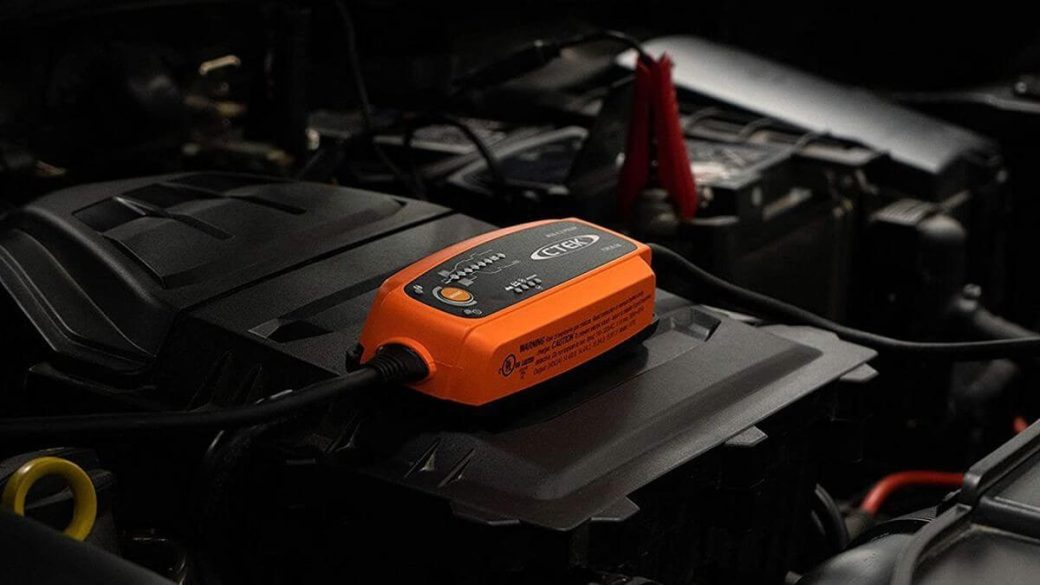
With a smart charger, you can often leave it connected for longer periods, even days. Once the battery is fully charged, the charger will usually switch to a "float" or "maintenance" mode. This is like giving your battery a gentle sip of energy, just enough to keep it topped up without overcharging. So, for these high-tech gadgets, you can often just plug 'em in and forget about 'em until you need your car. It's the automotive equivalent of setting it and forgetting it!
Older, Simpler Chargers: The Workhorses
Now, if you've got a more basic, older charger, you've got to be a bit more hands-on. These guys are more like a straightforward power hose – they just keep on going. They don't have the fancy brainpower to know when to stop or slow down. This is where you need to be more vigilant. Leaving one of these on too long can actually damage your battery. Think of it like overwatering a plant; too much of a good thing can be bad!

With these older chargers, you'll typically want to check the instructions that came with it. They'll usually give you a rough estimate, like "charge for 8-12 hours." You might also need to keep an eye on the battery itself. If it starts getting excessively hot, that's a big red flag to unplug it. A little warmth is okay, but you don't want it feeling like a baked potato.
Decoding Your Battery's Needs
The next big piece of the puzzle is the battery's current situation. Is it just a bit parched, or is it practically gasping for air?
Slightly Low Battery: If your car just struggled to start, or maybe the radio cut out when you turned the engine off, the battery might just be a bit low. A smart charger might only need a few hours to top it off. An older charger might take, say, 4-6 hours. It's like giving it a refreshing drink, not a full meal.

Deeply Discharged Battery: This is when the battery is really, really low, perhaps due to a forgotten light or a faulty alternator. This will take longer. A smart charger will work its magic over several hours, intelligently adjusting. An older charger might need a full overnight charge (around 12-24 hours, but again, check those instructions and monitor for heat!). This is like trying to revive a wilting plant – it needs sustained, careful attention.
Battery Age and Condition: The Elder Statesmen
Batteries, like all of us, don't stay young forever. An older battery might not hold a charge as well as a new one. It might take longer to charge, or it might not reach its full capacity. In some cases, a deeply discharged old battery might just be beyond saving, no matter how long you leave the charger on. It's a bit sad, but that's the cycle of life (and car parts!).
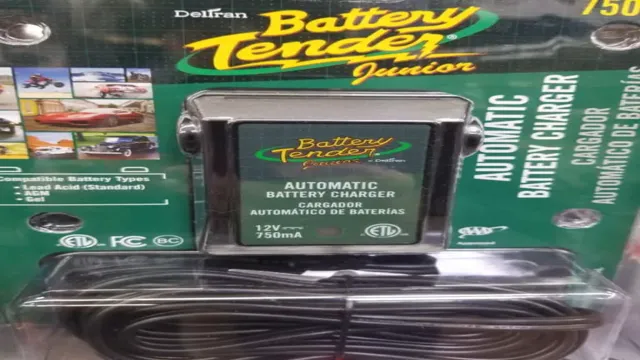
If you're constantly having to charge your battery, or it takes an unusually long time to charge, it might be a sign that it's time for a replacement. Think of it like trying to get a really old phone to perform like a brand new one – it's just not going to happen, no matter how long you charge it.
The "How-To" Guide for Peace of Mind
So, how do you put all this into practice without accidentally turning your car into a science experiment? Here's a chill approach:
- Read the Manuals: Seriously, the charger manual and your car's manual are your best friends here. They'll have specific advice.
- Know Your Charger: Is it smart or basic? This is your first clue.
- Assess Your Battery: Did it just squeak to life, or is it completely unresponsive?
- Start with Common Sense: For a slightly low battery and a smart charger, a few hours is often a good start. For a deeply discharged battery with an older charger, overnight is a common timeframe, but always monitor it.
- Feel the Heat (Carefully!): If the battery or charger feels excessively hot, unplug it immediately. A little warmth is normal, but a burning sensation is not.
- Trust Your Smart Charger: If you have one, you can generally leave it connected for maintenance charging.
- When in Doubt, Consult a Pro: If you're really unsure or if your battery seems beyond help, a mechanic can give you the definitive answer.
Ultimately, leaving a battery charger on your car is about striking a balance. You want to give your battery the power it needs to perform, but you don't want to overdo it. With a little understanding of your tools and your battery's needs, you can keep your car humming along without a second thought. Happy charging!