
How Long To Wait After Shocking Pool To Swim

Ah, the pool. That shimmering oasis of cool on a scorching summer day. There's nothing quite like it, right? The gentle lapping of water, the scent of sunscreen, and the blissful escape from the everyday hustle. But then comes that moment. That moment when you realize your beloved pool is looking a little... off. Maybe it's a touch cloudy, perhaps a hint of that tell-tale algae green is creeping in, or you've had one too many pool parties featuring a legion of happy, splashy humans. It's time for the big guns: shocking the pool.
Shocking, in pool-speak, is basically giving your pool a super-dose of chlorine. Think of it as a spa day for your water, but with a much more potent disinfecting agent. It's essential for zapping away bacteria, algae, and any other microscopic party crashers that might be making your pool less than inviting. But here’s the million-dollar question, the one that echoes around your backyard whenever the shock treatment is deployed: how long do you have to wait before you can dive back in? The suspense is real, and nobody wants to end up with that distinct chlorine-smelling hair or, worse, irritated skin.
The Great Chlorine Countdown: Deciphering the Waiting Game
So, you’ve just poured that potent liquid or granular magic into your pool. The water swirls with a temporary, almost mystical, cloudiness as the shock works its wonders. Now, the waiting begins. And let’s be honest, waiting is rarely our strong suit, especially when a perfectly good pool is sitting there, taunting us with its potential coolness. But patience, as they say, is a virtue, and in this case, it's also a pretty important safety measure.
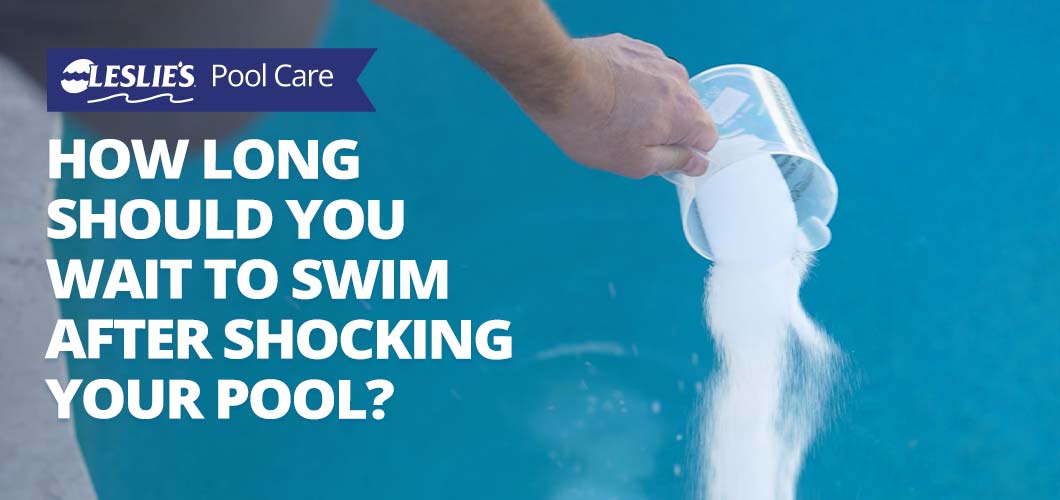
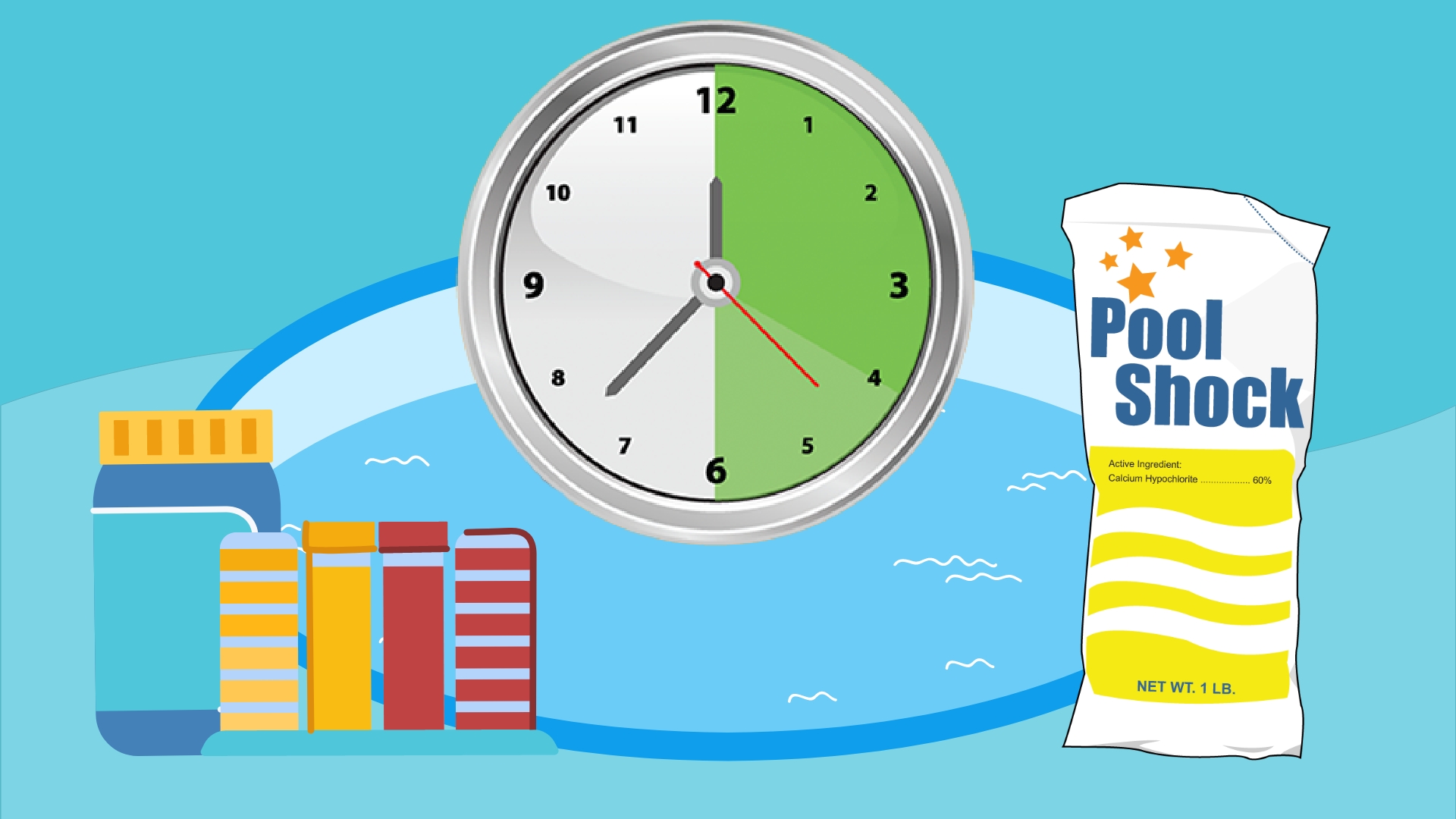
The general rule of thumb, the one you'll see bandied about on most pool product labels and whispered between seasoned pool owners, is to wait a minimum of 8 to 12 hours after shocking your pool before taking a dip. This isn't just some arbitrary number pulled out of a hat. It’s all about allowing the chlorine levels to return to a safe and comfortable range.
Think of it like this: when you shock your pool, you're intentionally raising the chlorine levels significantly. This super-chlorination is what gets the job done, eradicating those stubborn contaminants. However, those high levels are also what can cause that stinging sensation in your eyes and irritation to your skin. It’s like drinking a double espresso when you only needed a single shot – effective, but perhaps a bit overwhelming for your system!
Why the Wait? The Science Behind the Soak-Free Zone
Let's get a little nerdy for a second, shall we? When you add a shocking agent (typically calcium hypochlorite or sodium hypochlorite), it releases a powerful dose of hypochlorous acid. This acid is the workhorse, breaking down organic matter and killing microorganisms. The higher the concentration, the faster and more effectively it works.
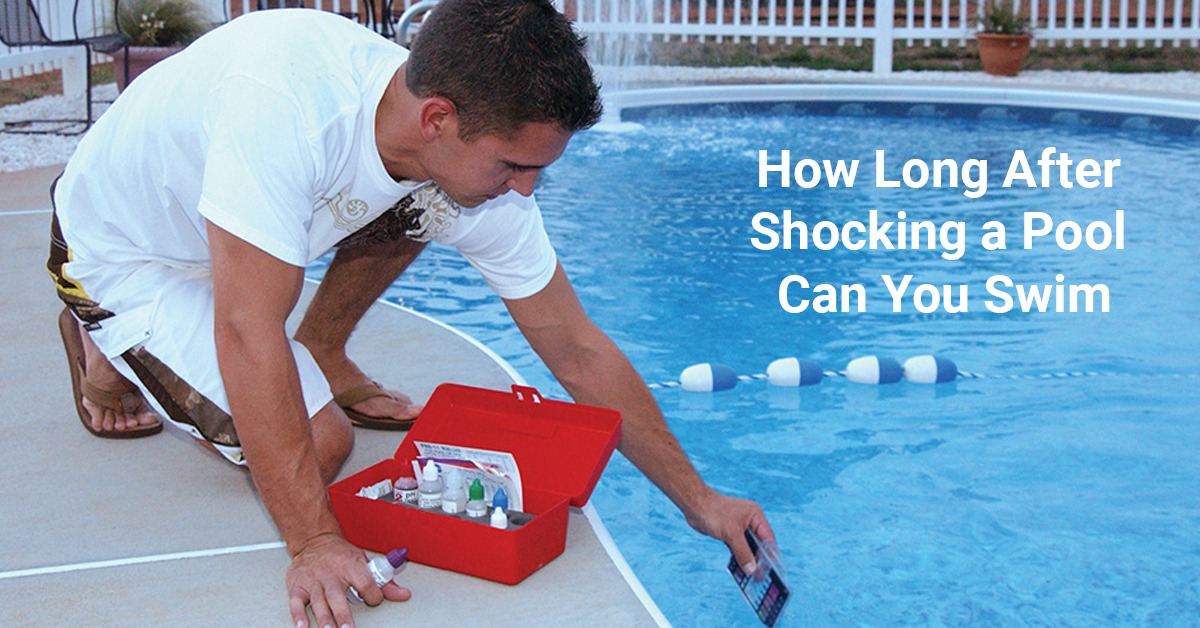
However, as the shock does its thing, it's also being consumed. The water chemistry eventually starts to balance out, and the excess chlorine dissipates. Testing your pool water is key here. You’re aiming for a free chlorine level of between 1 and 3 parts per million (ppm) for regular swimming. After shocking, your levels might be 5, 10, or even higher! You need to give it time to come down naturally or by using a chlorine neutralizer if you’re in a real hurry.
A fun fact for you: chlorine doesn't just vanish into thin air. It reacts with contaminants, and eventually, that reaction leaves behind less potent compounds. So, it’s a process of action and then neutralization. The longer you wait, the more this process unfolds, bringing your water back to swim-safe nirvana.
Factors That Can Influence Your Wait Time
While 8 to 12 hours is the golden rule, there are a few things that can nudge that waiting period in either direction. Think of these as your pool’s personality traits influencing the timeline.
The Type of Shock You Used
There are a few different types of pool shock on the market. The most common are:
- Calcium Hypochlorite: This is a popular choice because it also adds calcium to your water, which can help prevent plaster surfaces from degrading. It generally requires the standard 8-12 hour wait.
- Sodium Hypochlorite (Liquid Chlorine): This is essentially bleach! It's fast-acting and doesn't add any other chemicals to your pool. It also typically requires the 8-12 hour wait.
- Dichlor (Dichlor-s-triazinetrione): This is a stabilized form of chlorine that contains cyanuric acid (CYA). If your CYA is already high, using dichlor can further increase it, which can make your chlorine less effective. It usually requires the same waiting period.
- Potassium Monopersulfate (Non-Chlorine Shock): This is a great option if you have a chlorine-sensitive skin or if you want to swim sooner. It oxidizes contaminants without significantly raising chlorine levels. With non-chlorine shock, you might be able to swim in as little as 15-30 minutes, or once the water is clear! This is a real game-changer for those impatient swimmers.
So, always check the packaging of the shock you’re using. It will usually have specific instructions regarding wait times and testing.
Water Temperature and Sunlight
Believe it or not, your pool’s environment can play a role. On a hot, sunny day, sunlight helps to break down chlorine faster. This is a good thing for getting back to swimming sooner! Conversely, if it’s cooler or overcast, the chlorine might linger a bit longer.

Think of it like leaving a glass of milk out on a sunny windowsill versus a cool pantry. The milk on the windowsill is going to spoil much faster. Similarly, UV rays from the sun are a natural chlorine reducer. So, if you shock your pool in the morning on a bright, hot day, you might be able to get away with a slightly shorter wait, but it’s always best to test.
The "Load" on Your Pool
How many people are typically in your pool? A busy pool with lots of swimmers introduces more sweat, oils, and other organic matter, which the shock has to work harder to eliminate. A pool that’s been relatively quiet might clear up faster.
It’s like a restaurant kitchen. If there are only a few customers, the chefs can whip up orders quickly. If the entire town decides to eat there at once, things get a bit backed up. Your pool's shock is the kitchen crew!
The Ultimate Test: Your Pool Test Kit
Here’s where you become the master of your own pool domain. Relying solely on the clock can be a bit like guessing your speed limit. The most reliable way to know when it's safe to swim is to use a pool water test kit. These handy gadgets are your best friends in pool maintenance.
You can get simple strip kits or more advanced liquid reagent kits. Whichever you choose, make sure it tests for free chlorine. After shocking, test your water. When the free chlorine level reads between 1 and 3 ppm, you’re good to go! It’s like getting a green light from your water.
Don't have a test kit? Consider it your next essential pool purchase. It’s a small investment that saves you a lot of guesswork and potential discomfort. It also empowers you to understand your pool's needs better. It’s less about just following instructions and more about knowing your pool.
What If I Can't Wait? The Neutralizer Option
Okay, we get it. Sometimes, life happens. You’ve shocked the pool, but suddenly your neighbour calls with an impromptu barbecue, and everyone wants to cool off. If you absolutely must get back in the water before the natural dissipation period, there's an option: a chlorine neutralizer, also known as a de-chlorinator. Products like sodium thiosulfate can quickly reduce chlorine levels.
Use this method sparingly, though. Overuse can lead to over-correction and other water chemistry imbalances. It’s generally better to plan ahead and allow for the natural waiting period whenever possible. Think of it as a superhero rescue for impatient swimmers, but superheroes aren't always the most sustainable solution for everyday life.
Making Shocking Less of a Chore
The best way to avoid long wait times after shocking is to prevent the need for it in the first place! Regular pool maintenance is key:
- Maintain proper sanitizer levels: Keep your regular chlorine or bromine levels consistent.
- Brush and vacuum regularly: This removes debris before it can become an algae food source.
- Circulate your water: Run your pump for adequate hours each day to ensure good filtration and distribution of chemicals.
- Test your water frequently: Catching issues early is always easier than dealing with a full-blown crisis.
Think of it like taking care of your body. Regular exercise and a balanced diet mean you’re less likely to get sick. Consistent pool care means you’re less likely to need a major shock intervention.
A Splash of Culture: From Roman Baths to Backyard Oases
The concept of water purification and its importance for health and leisure is ancient. The Romans, masters of hydrotherapy, had elaborate bathhouses where water quality was paramount. While they didn't have chlorine shock, they understood the value of clean, inviting water for their public baths. Our modern backyard pools, in their own way, are descendants of those ancient communal spaces – places for relaxation, socialization, and rejuvenation.
And for a fun, slightly quirky cultural nod, think about the iconic "pool scene" in movies. Whether it's a dramatic confrontation or a carefree summer party, the pool is often a central element. Imagine if everyone in those movie scenes had to wait 12 hours after a shock treatment! The suspense would be considerably less dramatic, and the splash fights might be postponed indefinitely.
The Takeaway: Patience, Positivity, and a Pristine Pool
So, there you have it. The mystery of how long to wait after shocking your pool is less of a mystery and more of a carefully orchestrated dance with chemistry and time. The 8-12 hour guideline is your solid starting point, but your trusty test kit is your ultimate arbiter. Non-chlorine shocks offer a quicker escape route. And consistent, preventative maintenance is the true path to a perpetually swim-ready paradise.
Ultimately, the waiting period after shocking your pool is a small price to pay for the joy and relaxation that a clean, healthy swimming environment provides. It's a moment to pause, perhaps read a book on the patio, listen to your favorite podcast, or simply enjoy the peace before the joyful chaos of splashing ensues.
And perhaps that’s the real lesson here, one that extends beyond pool care. In our fast-paced world, we often crave instant gratification. But sometimes, the most rewarding experiences come after a period of patience. Like waiting for a seed to grow into a beautiful flower, or waiting for a perfect sourdough starter to bubble. The anticipation can be part of the pleasure, and the eventual payoff – a pristine, inviting pool – is all the sweeter for it.