
How Many Different Classes Of Fire Are There
So, imagine this: you're chilling, maybe making some toast, or even, you know, doing something super responsible like… boiling water. Suddenly, BAM! Fire! Uh oh. We've all seen it in movies, right? Big flames, dramatic music. But here's the thing, not all fires are created equal. They're like people, really. Some are chill, some are a bit spicy, and some… well, they’re just downright drama queens.
And that, my friends, is where our little chat today about fire classes comes in. It’s not as boring as it sounds, I promise! Think of it as a secret handshake for firefighters, or a helpful cheat sheet for when your kitchen decides to throw a tantrum. Because knowing what kind of fire you’re dealing with is kinda… important. Like, really important. You wouldn’t try to put out a grease fire with water, would you? (Spoiler alert: DON'T!) So, let’s dive into this fiery world, shall we?
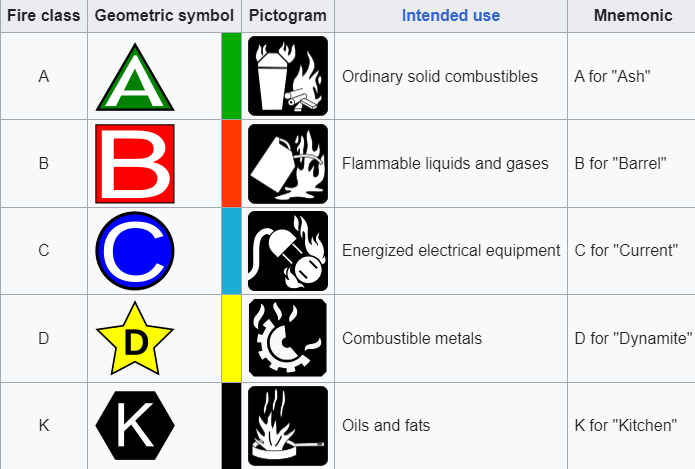
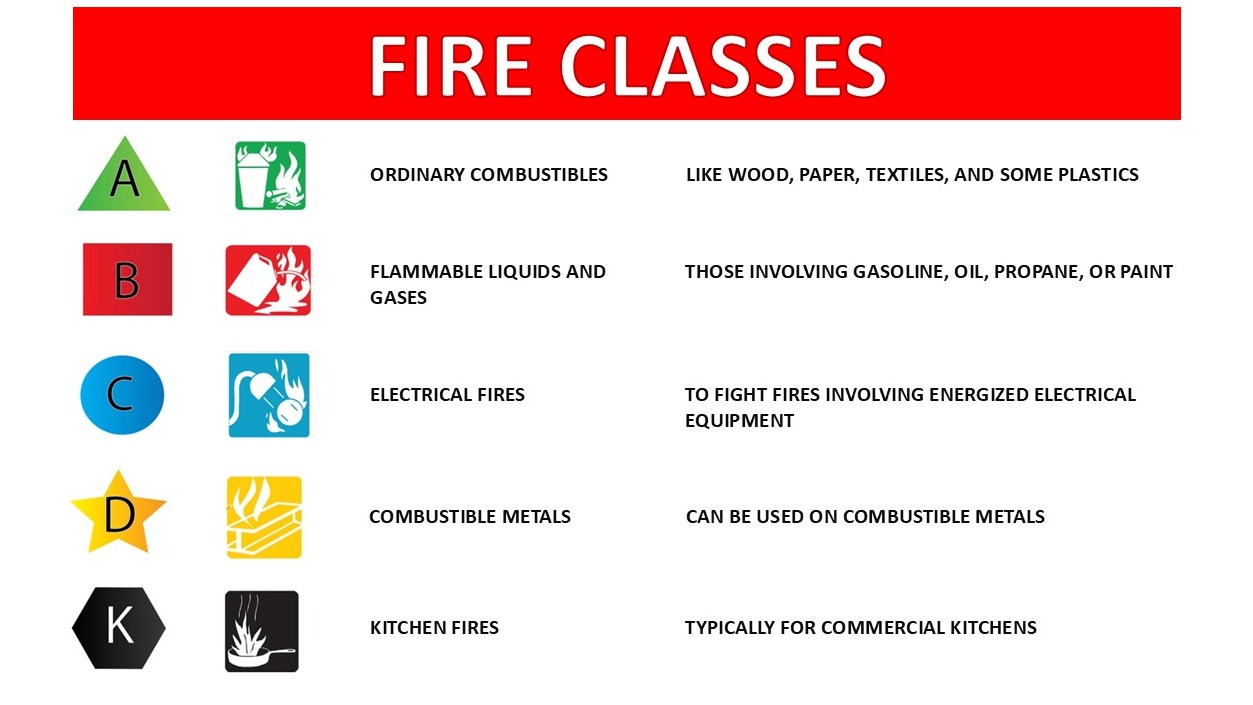
Okay, so the big question: How many different classes of fire are there? Drumroll please… generally speaking, there are five main classes. Yep, just five. Seems simple enough, right? But oh, the nuances! It’s like saying there are only five types of pizza. Technically true, but we all know there's a whole universe of toppings and crusts out there. Fire is kind of like that, but with more… burning. And less pepperoni.
Let’s break them down, starting with the most common, the OG of fires, if you will. This is Class A. Think of it as your everyday, run-of-the-mill, “whoops, I left the newspaper too close to the candle” kind of fire. What burns in Class A? Stuff like wood, paper, cloth, and plastics. Basically, your everyday solids. The kind of things that, when they burn, leave behind that lovely, dusty ash. You know the stuff. It’s like the quiet kid in class, usually well-behaved, but can get out of hand if you’re not careful.
So, if you’ve got a fire involving your favorite fluffy blanket, or maybe that pile of junk mail you’ve been meaning to recycle (we all have one, don't lie), that’s a Class A fire. Easy peasy. And the good news? These are often the easiest to tackle. We’ll get to how later, but for now, just remember: A is for Ash, and Ash is for everyday stuff.
Next up, we have the sizzlers, the sparklers, the ones that make you go “EEK!” This is Class B. Now, Class B fires involve flammable liquids and gases. Think gasoline, oil, paint, alcohol, propane. You know, the stuff that makes your car go vroom, or fuels your fancy camping stove. These guys are a bit more… unpredictable. They can spread super fast, and they don’t usually leave much ash behind. They’re more like a slippery, fast-moving danger zone. Imagine trying to catch a greased pig. That's kinda Class B. Fun times.

The key thing to remember with Class B is the liquid and gas part. If it flows, or if it can fill a room with fumes, you're probably looking at a Class B. And again, definitely no water here. Water and flammable liquids? Not besties. It’s like trying to mix oil and water, but with a whole lot more fire involved. And nobody wants that kind of chemistry experiment going on.
Moving on to something a bit more… electrifying. We’ve got Class C fires. Now, these are the ones that can give you a little jolt, literally. Class C fires involve energized electrical equipment. Think faulty wiring, overloaded outlets, that ancient toaster that’s been with you since college. Anything that’s plugged in and zapping electricity. The scary thing about Class C is that the electrical current is the ignition source. So, you’re dealing with fire and electricity. Double whammy!
The crucial point here? You need to de-energize the equipment first, if at all possible. Turn off the power! It’s like telling the electrical monster to go to bed. Once the power is off, the fire might revert to a Class A or B, depending on what else is burning. But while it's got that electric zap? Pure Class C. And again, no water! Water conducts electricity. Imagine your worst nightmare combined with a static shock. Yeah, that’s Class C.
Now, let’s talk about something you might not encounter every day, but is super important if you’re in a kitchen or a restaurant. This is Class K. This class is all about cooking oils and fats. Yep, that deep fryer at your favorite burger joint? That’s its happy place. Think animal fats and vegetable oils. These get incredibly hot, way hotter than your regular cooking oil. And when they catch fire, they can be seriously dramatic. Like, really dramatic. They can even erupt, sending burning oil everywhere. Imagine a volcanic eruption, but with less lava and more… grease. And a lot more potential for a very bad day.
Class K fires are a big deal in commercial kitchens. You can’t just throw a tea towel at it. You need special suppression systems, usually a wet chemical agent. It’s designed to cool the oil and create a barrier, smothering the flames. So, if you see flames coming out of a deep fryer, or a big pot of cooking oil on the stove, think Class K. And for the love of all that is holy, don't use water! Seriously, I can’t stress this enough. Water and burning oil are NOT friends. They are enemies. sworn enemies.
Finally, we have the heavyweight champion, the one that’s all about the bling: Class D. This class is for fires involving combustible metals. Think things like magnesium, titanium, sodium, and potassium. These metals are used in all sorts of industries, from aerospace to medicine. But when they get hot enough and encounter air or moisture, they can ignite. And when they burn, they burn like crazy. Super hot, super bright, and very, very difficult to put out. They don’t respond to your usual fire extinguisher tricks.
Putting out a Class D fire is a whole specialized thing. You need special extinguishing agents, like dry powders designed specifically for metal fires. You can't just douse them with water or foam. In fact, water can make them worse! It can react with some metals and cause even more fire, or even an explosion. So, if you ever see something shiny and metallic glowing red hot and starting to spit flames… yeah, that’s probably a Class D. And you should probably back away slowly and call the professionals. Like, really call them. Don't try to be a hero with a garden hose.
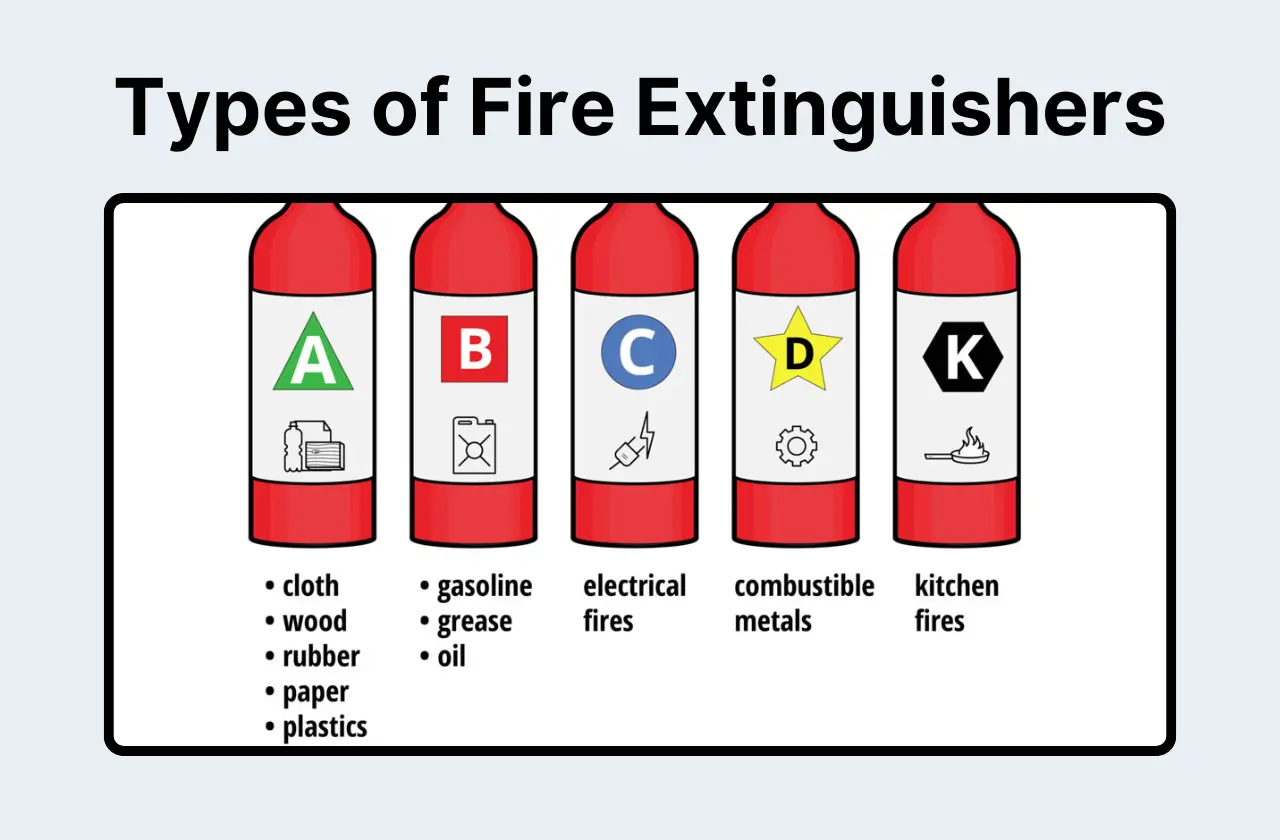
So, there you have it! The big five: Class A (solids), Class B (liquids/gases), Class C (electrical), Class K (cooking oils), and Class D (metals). It’s like a fire spectrum, from your basic paper fire to the super-hot, super-specialized metal infernos. Understanding these classes is the first step to knowing how to deal with them. And believe me, when it comes to fire, knowledge is power. Or at least, it’s knowing which button to push on the fire extinguisher!
Why is this so important, you ask? Well, besides the obvious “not burning down your house” thing, it’s all about using the right tools for the job. You wouldn’t use a hammer to screw in a lightbulb, right? Same with fire extinguishers. They’re labeled with symbols indicating which classes of fire they are effective against. So, you’ll see an ‘A’ on one, or an ‘ABC’ on another, meaning it can tackle multiple types. That ‘ABC’ one is your everyday hero, your multi-tasking firefighter friend.
But remember, a fire extinguisher is for small fires. If it’s getting big, scary, and you’re starting to feel like you’re in a movie scene where the hero is definitely not going to make it out in time… then it’s time to make like a ninja, get out, and call the fire department. They’re the real pros, the ones with the big trucks and the even bigger hoses. Let them handle the infernos. Your job is to be safe, be smart, and know your fire classes!
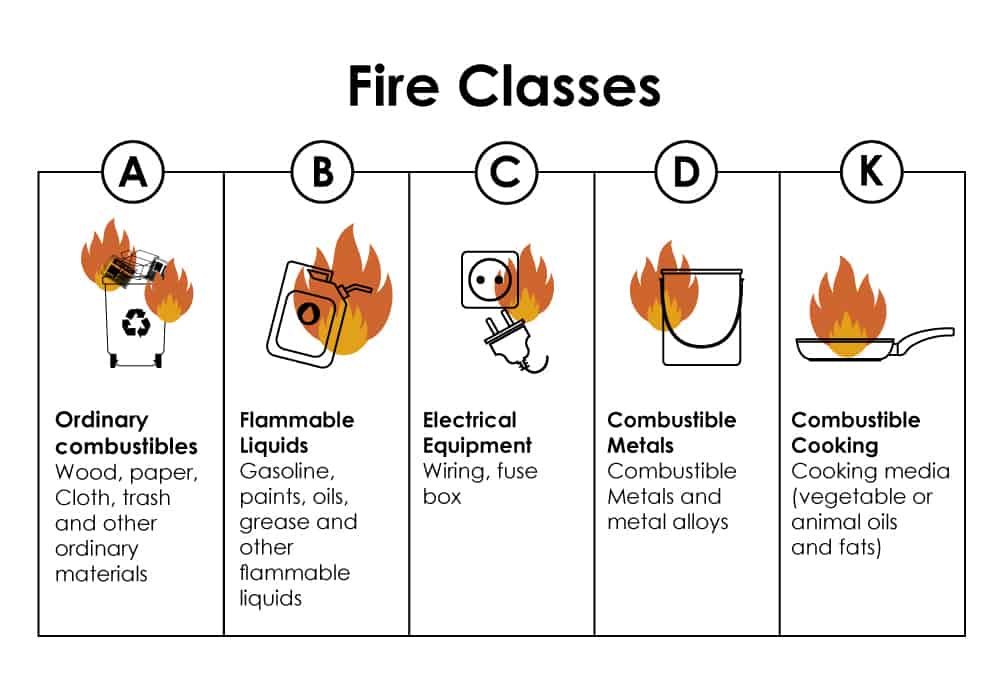
Think of it this way: if you’re at a barbecue and someone accidentally drops a piece of charcoal that rolls off and starts a small fire on the grass, that’s likely a Class A. A quick spray with a standard extinguisher, and you’re good. But if someone spills a bit of lighter fluid near the grill and it ignites, that’s a Class B. Totally different ballgame. You need something that can handle flammable liquids. And if the grill itself is electric and starts sparking uncontrollably? Hello, Class C. See? It all makes sense when you break it down.
And the Class K? That’s your kitchen safety essential if you do a lot of frying. It’s specifically designed for those super-hot grease fires. As for Class D, unless you’re working in a high-tech laboratory or a specialized manufacturing plant, you’re probably not going to run into these. But it’s good to know they exist, right? Keeps the world of fire a little more interesting, in a terrifying sort of way.
So, next time you see a fire, instead of just panicking (which is totally understandable, by the way!), try to take a quick mental snapshot. What’s burning? Is it solid, liquid, gas, electrical, cooking oil, or a weird sparkly metal? This little bit of knowledge could be the difference between a minor inconvenience and a major disaster. It’s like having a superpower, but instead of flying, you can choose the right fire extinguisher. Pretty cool, huh?
Remember, fire safety is no joke, but understanding it doesn’t have to be a chore. It’s about being prepared, being aware, and making informed decisions. And hey, if nothing else, now you have a fun fact to bust out at your next dinner party. “Did you know there are five classes of fire?” You’ll be the star of the show. Or at least, the person who doesn’t accidentally make a grease fire worse by throwing water on it. And honestly, that’s a win in my book. Stay safe, stay curious, and let’s keep our fires… you know, where they belong. Mostly.