
How Many Known Galaxies Are There In The Universe
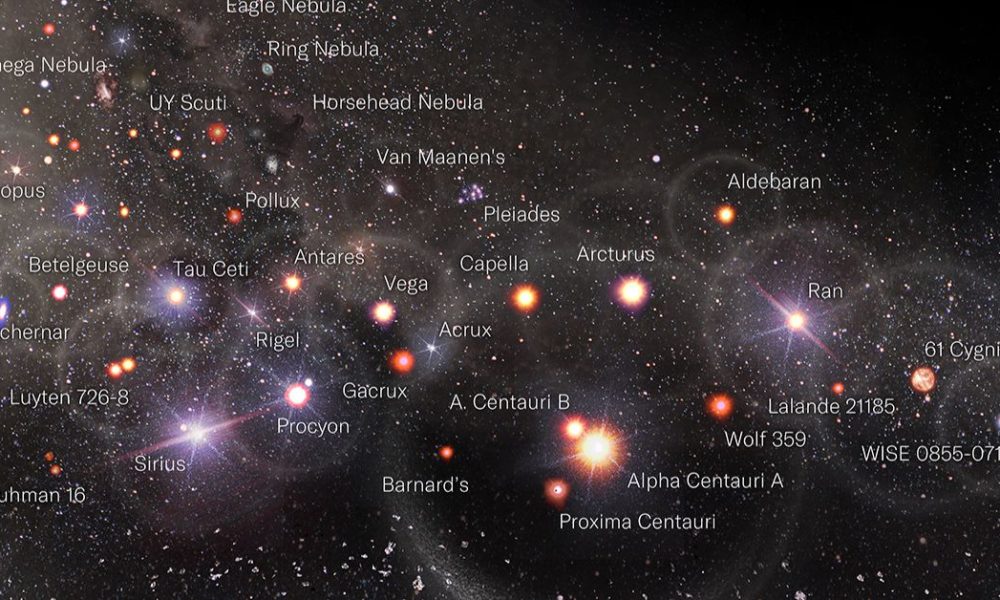
Ever find yourself gazing up at the night sky, a tiny speck of consciousness under an infinite blanket of stars? It’s a feeling that’s both humbling and exhilarating, right? You might wonder, “Are all those twinkling lights just… stars?” Well, my friends, prepare for your mind to do a little happy dance, because those aren’t just stars. They’re glimpses of whole galaxies, entire cosmic cities, each one a swirling, majestic collection of billions upon billions of stars.
So, the big question that probably pops into your head when you’re chilling with a cup of chamomile tea, contemplating the universe: Just how many of these galactic wonders are out there? It’s a question that has scientists scratching their heads (in a good, curious way, of course!) and us regular folks staring in awe. Let's dive into the cosmic deep end, shall we?
The Numbers Game: Beyond Our Wildest Dreams
Alright, let's talk numbers. When we're talking about the known universe, it’s a bit like trying to count grains of sand on a beach – except the beach is a gazillion times bigger and the sand grains are actually colossal star systems. As of right now, our best estimates, thanks to incredibly powerful telescopes like the Hubble Space Telescope and now the James Webb Space Telescope, suggest there are somewhere in the ballpark of 2 trillion galaxies in the observable universe.
Yes, you read that right. Two trillion. That’s a two followed by twelve zeros. It’s a number so immense it almost breaks our little human brains. Think about it: for every single person on Earth, there are about 250 galaxies. Mind. Blown.
Now, it’s important to remember that this is the observable universe. What’s beyond that? Well, that’s a whole other cosmic mystery, and for now, we can only speculate. But even the observable part is enough to send shivers down your spine, in the best possible way!
How Do We Even Know? The Cosmic Census Takers
So, how do these scientists, armed with nothing but physics and extremely fancy cameras, come up with such staggering figures? It’s not like they’ve sent out a galactic census taker with a clipboard, right? (Though, wouldn’t that be a sight?).
It’s all about clever observation and extrapolation. Telescopes like Hubble and Webb peer into the deepest, darkest corners of space. They take incredibly long exposures of seemingly empty patches of sky. And when you develop those pictures, what you find is that those “empty” patches are actually teeming with faint, distant smudges of light. Each smudge, you guessed it, is a galaxy.
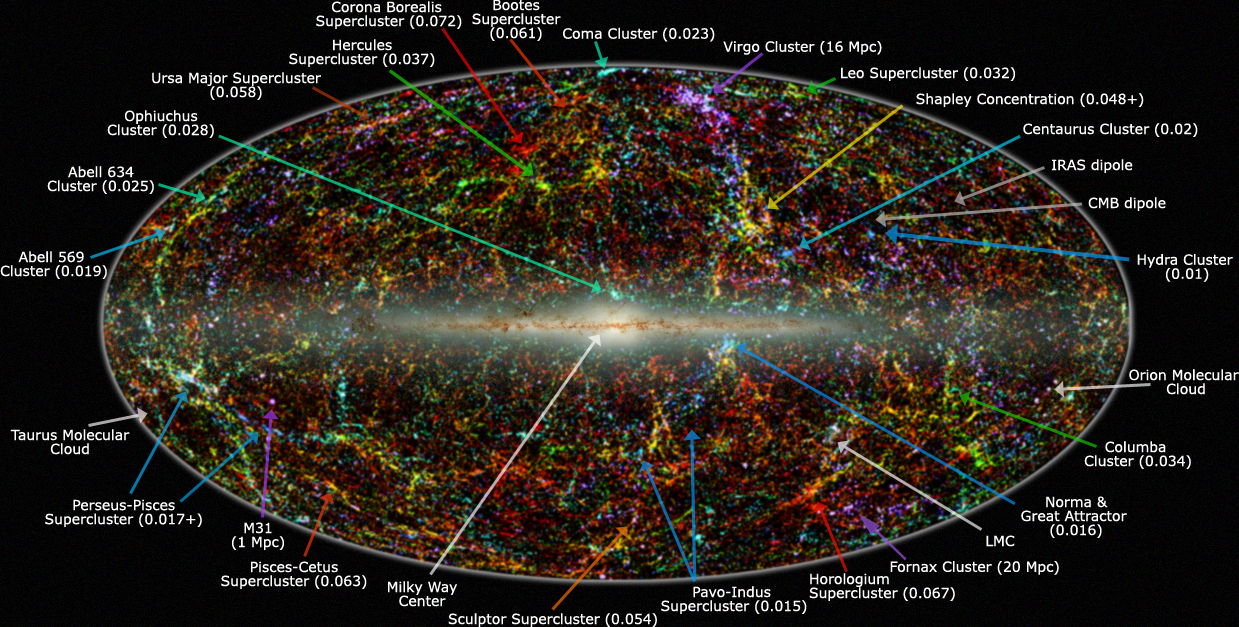
One of the most famous examples is the Hubble Ultra Deep Field. This image captured light from a region of sky no bigger than a grain of sand held at arm’s length. And in that tiny speck? Thousands of galaxies. By counting the galaxies in these deep fields and understanding the volume of space they represent, astronomers can then estimate the total number of galaxies in the entire observable universe.
It’s like looking at a single drop of ocean water and, based on the microscopic life you see in it, estimating how many creatures are in the entire ocean. Pretty ingenious, wouldn’t you say?
Galaxies: More Than Just Twinkling Lights
But what are these galaxies, really? They’re not just random collections of stars. They’re vast, intricate structures, held together by the invisible force of gravity. Think of them as cosmic neighborhoods, each with its own unique personality.
We live in the Milky Way galaxy, a beautiful spiral galaxy. If you ever get a chance to see our own galaxy from a really dark location, it looks like a faint, luminous band stretching across the sky. It’s our home, and it’s pretty special.
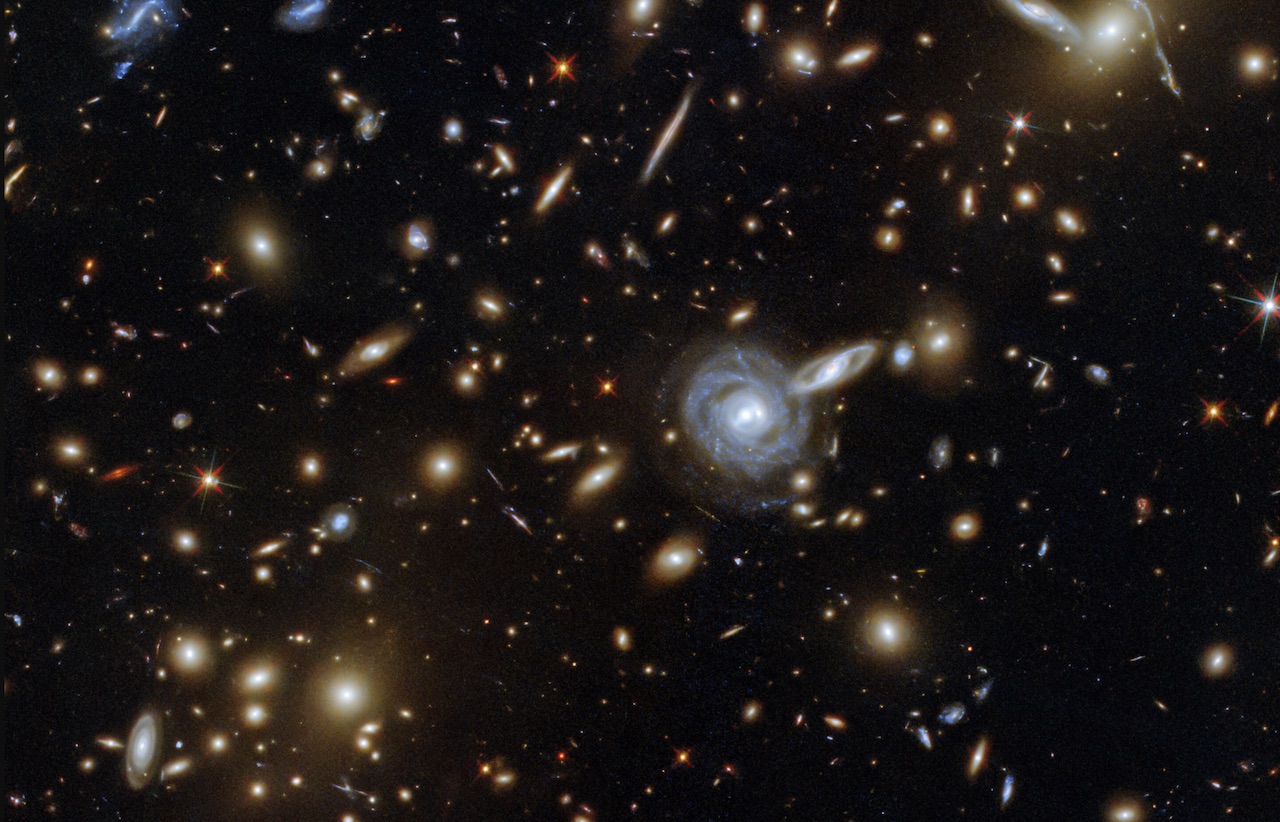
There are different types of galaxies out there, each with its own aesthetic. You have the elegant spiral galaxies like ours, with their graceful arms swirling around a central bulge. Then there are the more relaxed, oval-shaped elliptical galaxies, which are often older and contain more red, elderly stars. And finally, the irregular galaxies, which are a bit of a cosmic wild child, lacking a defined shape, often due to gravitational interactions with other galaxies.
Some galaxies are giants, housing trillions of stars, while others are dwarf galaxies, with only a few million. It’s a diverse cosmic community, to say the least!
Our Place in the Cosmic Neighborhood
It’s fascinating to consider our own Milky Way in this grand context. We’re just one of trillions. Our solar system is just one of billions of solar systems within our galaxy. And Earth? It’s just one planet among many in our solar system. Talk about putting things in perspective!
It’s a bit like realizing you’re not just living in your house, but in a whole city, a country, a continent, and finally, the entire planet Earth. Each level of organization is immense and awe-inspiring. The universe is the ultimate, mind-bogglingly vast continent.
A Touch of Pop Culture: Galaxies in Our Imagination
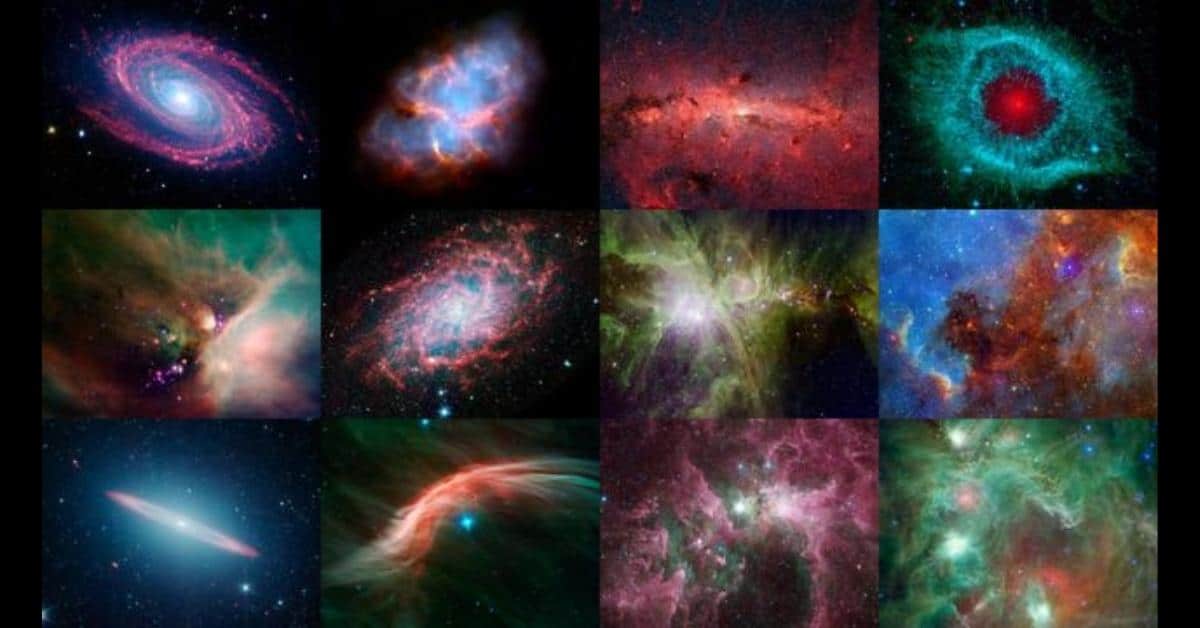
Galaxies aren’t just scientific curiosities; they’ve captured our imaginations for centuries and continue to do so. Think about all the sci-fi movies and books that transport us to distant galaxies. From the iconic “galaxy far, far away” in Star Wars to the epic space operas of Star Trek, our fictional universes are often built on the very real wonder of these cosmic structures.
It’s no wonder these celestial bodies spark such creativity. They represent the ultimate frontier, the unknown, the possibility of other life, other worlds, other stories. They’re the ultimate canvas for our dreams and our fears about what else might be out there.
Even in music, the vastness of space and the mystery of galaxies inspire. Think of songs that evoke a sense of wonder and cosmic connection. It’s a shared human experience, this pull towards the stars and the unknown.
Fun Little Facts to Blow Your Mind (Gently!)
Here are a few little tidbits to impress your friends at your next cosmic-themed (or just regular) get-together:

- The closest major galaxy to the Milky Way is the Andromeda Galaxy, and it’s on a collision course with us! Don’t worry, though, this cosmic car crash is predicted to happen in about 4.5 billion years, so you have plenty of time to plan your viewing party.
- Some galaxies are so old they’re often referred to as “oldest galaxies.” They’re essentially cosmic time capsules, offering us glimpses into the very early universe.
- Galaxies can “eat” each other! Larger galaxies can absorb smaller ones through a process called galactic cannibalism. Our Milky Way has swallowed several dwarf galaxies in its past.
- The largest known galaxy, IC 1101, is a supergiant elliptical galaxy with an estimated 100 trillion stars. For comparison, the Milky Way has about 100-400 billion stars. Talk about a mega-mansion!
Practical Tips for Your Own Cosmic Exploration
While you might not be able to hop on a spaceship to visit another galaxy anytime soon, you can still engage with the cosmos in your daily life:
- Invest in a good pair of binoculars or a telescope. Even a small telescope can reveal a surprising amount of detail in the night sky, including other galaxies! Check out your local astronomy club for recommendations.
- Download a stargazing app. Apps like SkyView or Stellarium turn your phone into a portable planetarium, identifying constellations, planets, and even galaxies as you point your device at the sky.
- Visit a local observatory or planetarium. These places offer incredible opportunities to learn about space and see the universe through powerful telescopes. It’s a fantastic family outing!
- Read up on astronomy. There are countless fantastic books and online resources for all levels of interest. The more you learn, the more you’ll appreciate the vastness of what’s out there.
- Simply step outside on a clear night. Find a spot away from city lights, let your eyes adjust, and just look up. Allow yourself to be mesmerized by the sheer number of stars, and imagine the countless galaxies they belong to. It’s a free and incredibly profound experience.
Embrace the Cosmic Perspective
Knowing that there are trillions of galaxies out there, each with billions of stars, can be a powerful antidote to everyday worries. When you’re stressing about that overflowing inbox or a minor social faux pas, take a moment to remember the sheer scale of the universe.
Your problems, while valid in your personal experience, become incredibly small in the grand cosmic tapestry. It’s not about dismissing your feelings, but about gaining a broader perspective. It reminds you that you are part of something so much larger than yourself, a tiny but significant spark in an unfathomably vast and wondrous cosmos.
So, the next time you look up at the night sky, don’t just see stars. See the light from distant galaxies, imagine the swirling arms, the billions of suns, and the countless possibilities. It’s a beautiful, humbling, and utterly awe-inspiring thought to carry with you. We are, quite literally, made of stardust, floating in an ocean of galaxies. And that, my friends, is pretty darn cool.