
How Many Seasons Did The Ancient Egyptian Calendar Have
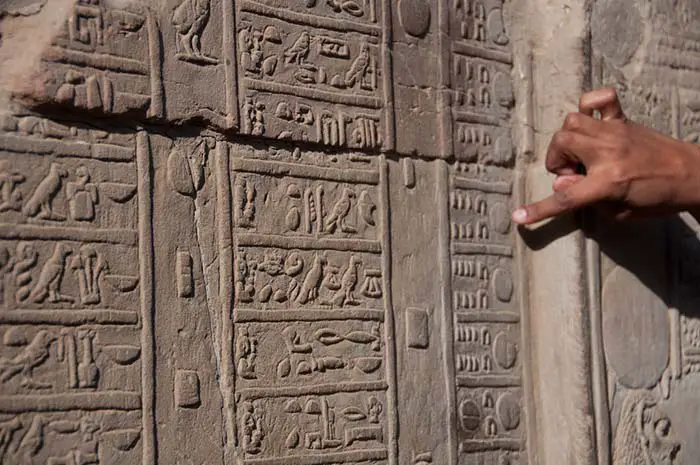
So, you think you know about seasons, right? You’ve got your breezy spring, your scorching summer, your crisp autumn, and your chilly winter. Pretty standard stuff. But what if I told you that the amazing Ancient Egyptians, the folks who built pyramids and mummified cats, had a totally different way of looking at the year? Prepare to have your mind blown, just a little bit!
Forget our familiar four. The Ancient Egyptian calendar, with all its mystique and wisdom, didn't mess around with that many seasons. They kept it simple, and frankly, it makes a lot of sense when you think about where they lived: the land of the Nile River.
Their year was divided into… wait for it… THREE seasons! That’s right, just a trio of distinct periods that were deeply connected to the lifeblood of their civilization, the mighty Nile.
Let’s dive into these three fantastic phases, shall we? First up, we have Akhet. Now, this is where things get exciting, and a little bit wet. Akhet, my friends, was the season of inundation. Imagine the Nile swelling up, overflowing its banks, and spreading rich, fertile mud all over the land.
This wasn’t a bad thing, oh no! For the Egyptians, Akhet was like a massive, yearly gift from the gods. This flooding was the secret sauce that made their crops grow so abundantly. Without this watery embrace, their farms would be barren deserts.
So, while we might be grumbling about rainy days and muddy boots, the Ancient Egyptians were probably cheering. It meant food for everyone! They would have been getting ready for the planting that was to come, a time of hopeful anticipation.
Following Akhet, we transition into the season of Peret. This was the time of growth and emergence. As the floodwaters receded, they left behind that wonderful, nutrient-rich soil, just perfect for sowing seeds.
This was the busy season for the farmers. They were out in the fields, tilling the earth and planting their grains, vegetables, and flax. It was a period of hard work, but also a time of great promise, seeing the tiny sprouts begin to push through the ground.
Think of Peret as the agricultural equivalent of a baby’s first steps. Every little green shoot was a sign of life and a promise of future harvests. It was a time of nurturing and careful tending, ensuring the crops would thrive.
And finally, we arrive at Shemu. This was the season of harvest and low water. As the name suggests, it was the time to reap the rewards of all that hard work during Peret.
The sun would be beating down, the fields would be golden with ripe grain, and the Egyptians would be busy collecting their bounty. It was a time of celebration, of feasting, and of storing food for the leaner times ahead. Imagine the relief and joy of a successful harvest after months of effort!
Shemu was also the period when the Nile’s water levels would be at their lowest, a stark contrast to the overflowing banks of Akhet. This dry spell made harvesting easier, as the land wasn't waterlogged.
It’s fascinating to think how their entire year was dictated by this natural rhythm. There were no artificial calendars with arbitrary dates. Their sense of time was intimately tied to the land and the river, a connection we've perhaps lost in our modern, climate-controlled lives.
And here’s a fun little detail: their year was roughly 365 days, just like ours! They even had a concept for a leap year, though it wasn't quite as consistent as ours. They knew that time needed a little nudge every now and then to stay in sync.
The Ancient Egyptians also divided their year into 12 months. But here's the kicker: these months weren't always the neat 30 or 31 days we're used to. They were grouped into those three big seasons, with the months of Akhet, Peret, and Shemu having different lengths depending on the year.
They even had a little "extra" time at the end of the year! These were called the epagomenal days. Think of them as bonus days, a special little period where they could squeeze in a few extra celebrations or just catch their breath before the next Akhet. It’s kind of like getting an unexpected extra weekend!
These epagomenal days were often associated with the birthdays of important deities. So, instead of just a random day, they were days filled with religious significance and joy. A little bit of magic sprinkled at the end of the year!
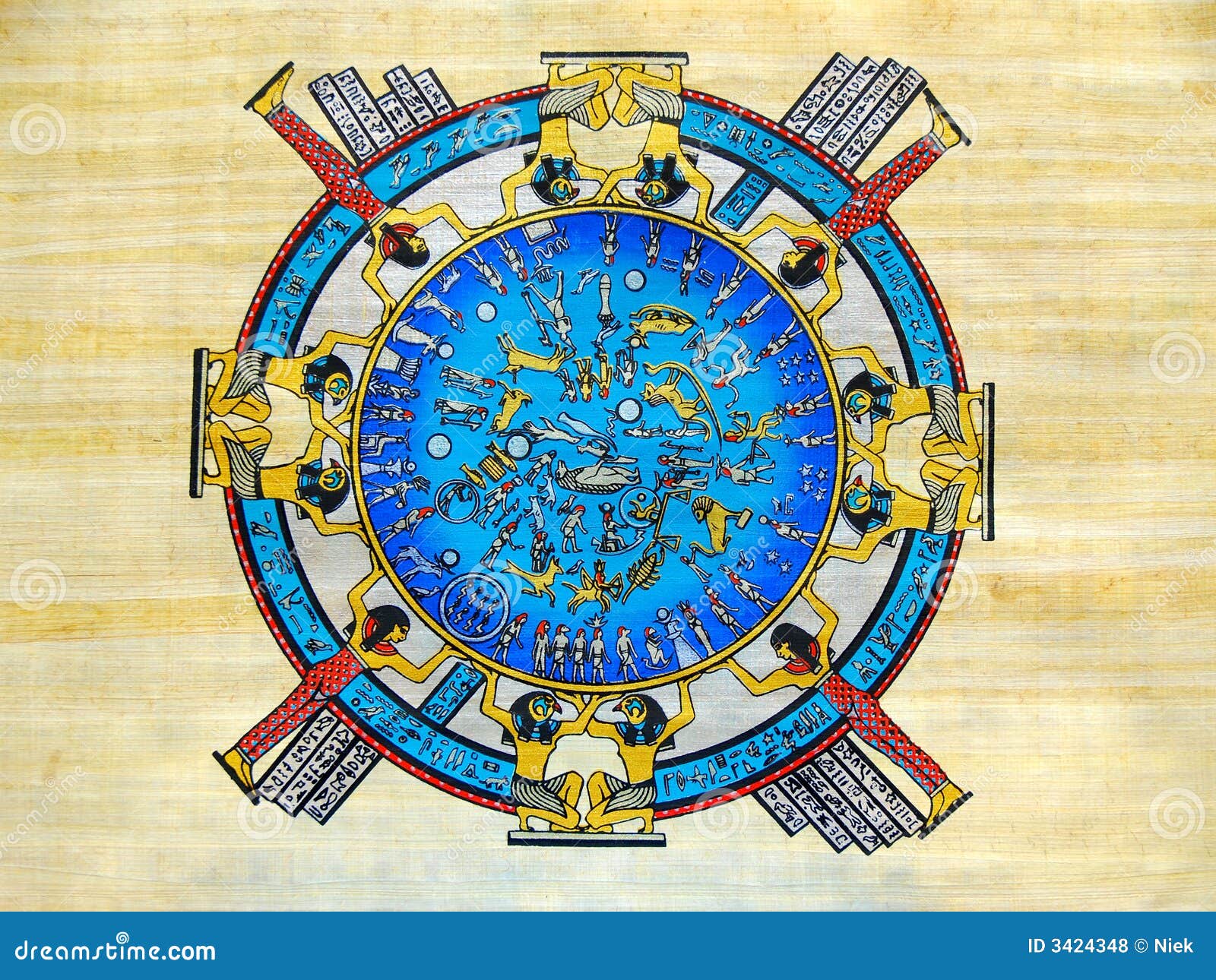
The entire calendar was also closely linked to the stars, particularly the star Sirius. When Sirius would appear just before sunrise, it was a sure sign that the Nile’s flood was imminent. This celestial event was a major marker, guiding their agricultural and social calendars.
It’s a beautiful, cyclical view of life, isn't it? Three seasons, each with its own purpose and beauty, all orchestrated by the powerful presence of the Nile and the watchful eyes of the stars.
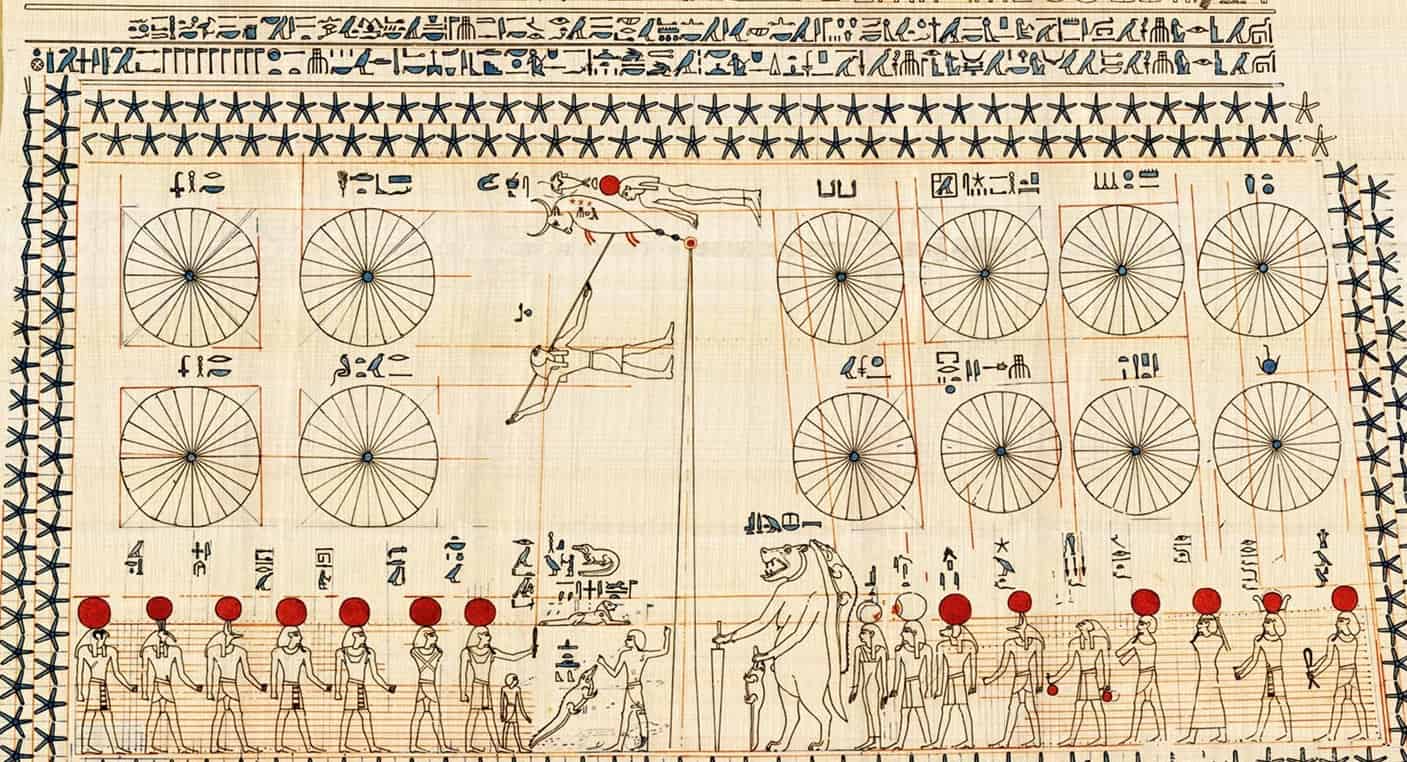
So, the next time you’re enjoying the warmth of summer or the chill of winter, take a moment to remember our Ancient Egyptian friends. They weren't battling four seasons; they were celebrating three, living in harmony with a river and a cycle that sustained them. It's a reminder that sometimes, simpler is better, and a little bit of water can truly make the world go round!
Their understanding of the year was deeply practical, rooted in what kept them alive and thriving. It wasn't just about marking time; it was about understanding the very pulse of their existence. And that, my friends, is a pretty heartwarming thought.
Imagine the community coming together during Akhet, preparing for the flood. Imagine the shared effort during Peret, planting the seeds of their future. And imagine the joyous celebrations during Shemu, giving thanks for the bounty they received. It paints a picture of a connected and deeply spiritual society.
It makes you wonder what we might be missing by having so many divisions. Perhaps there's a lesson in their three-season approach: a focus on the essential, the cyclical, and the deeply interconnected nature of life. It’s a perspective that, while ancient, still holds a surprising amount of relevance today.
So, there you have it! The Ancient Egyptian calendar, a world of three seasons, a river of life, and a celestial dance. A testament to human ingenuity and a beautiful reminder of our enduring connection to the natural world. Pretty cool, right?