
How Much Does A Average Horse Cost

Ever find yourself gazing at majestic horses, dreaming of the wind in your hair as you trot across a field? Or maybe you've watched equestrian sports and wondered, "How much does a horse actually cost?" It's a question that pops into many minds, and for good reason! Understanding the financial side of horse ownership isn't just about numbers; it's about unlocking the door to a world of adventure, companionship, and incredible experiences. Whether you're a seasoned equestrian or a curious newcomer, delving into the cost of a horse is a fascinating journey. It helps dispel myths, sets realistic expectations, and empowers you to make informed decisions. So, let's break down the price tag of these magnificent creatures, from the initial purchase to the ongoing care. It's not just about the horse itself, but the entire lifestyle that comes with it.
The Sticker Shock: What's the Initial Price Tag?
When most people think about the cost of a horse, the first thing that comes to mind is the purchase price. And this is where the numbers can truly vary, sometimes wildly! You're not just buying an animal; you're buying a partner, a trained athlete, or a gentle companion, and each of these comes with a different valuation. So, what factors influence this initial cost? Breed plays a huge role. For instance, a Thoroughbred, often bred for racing and known for its athleticism, can fetch anywhere from $1,000 to $20,000 or even more, especially if it has a proven racing lineage. On the other hand, a more common breed like a Quarter Horse, popular for Western riding and general pleasure use, might range from $500 to $10,000. Even within a breed, pedigree, training level, age, and temperament are significant determinants. A young, unbroken horse might be less expensive than a seasoned, competition-ready steed. A horse with a solid show record or one trained by a renowned professional will command a higher price. Conversely, a horse with soundness issues or a challenging temperament might be available at a significantly lower cost, often referred to as a "project horse." It's crucial to remember that the cheapest horse isn't always the best value. Investing a bit more upfront in a well-trained, healthy animal can save you a fortune in veterinary bills and training costs down the line. Think of it as buying a car; a used clunker might be cheap to buy, but you could end up spending more on repairs than on a slightly older, well-maintained model.
Remember, the purchase price is just the tip of the iceberg! The true cost of horse ownership unfolds over years of dedicated care and commitment.
Beyond the Purchase: The Ongoing Investment
Once you've brought your equine friend home, the expenses don't stop. In fact, they've just begun! The ongoing costs of keeping a horse are substantial and are often underestimated by new owners. These expenses are generally broken down into a few key categories: board, feed, veterinary care, farrier services, and equipment. Let's dive in.
Boarding and Housing
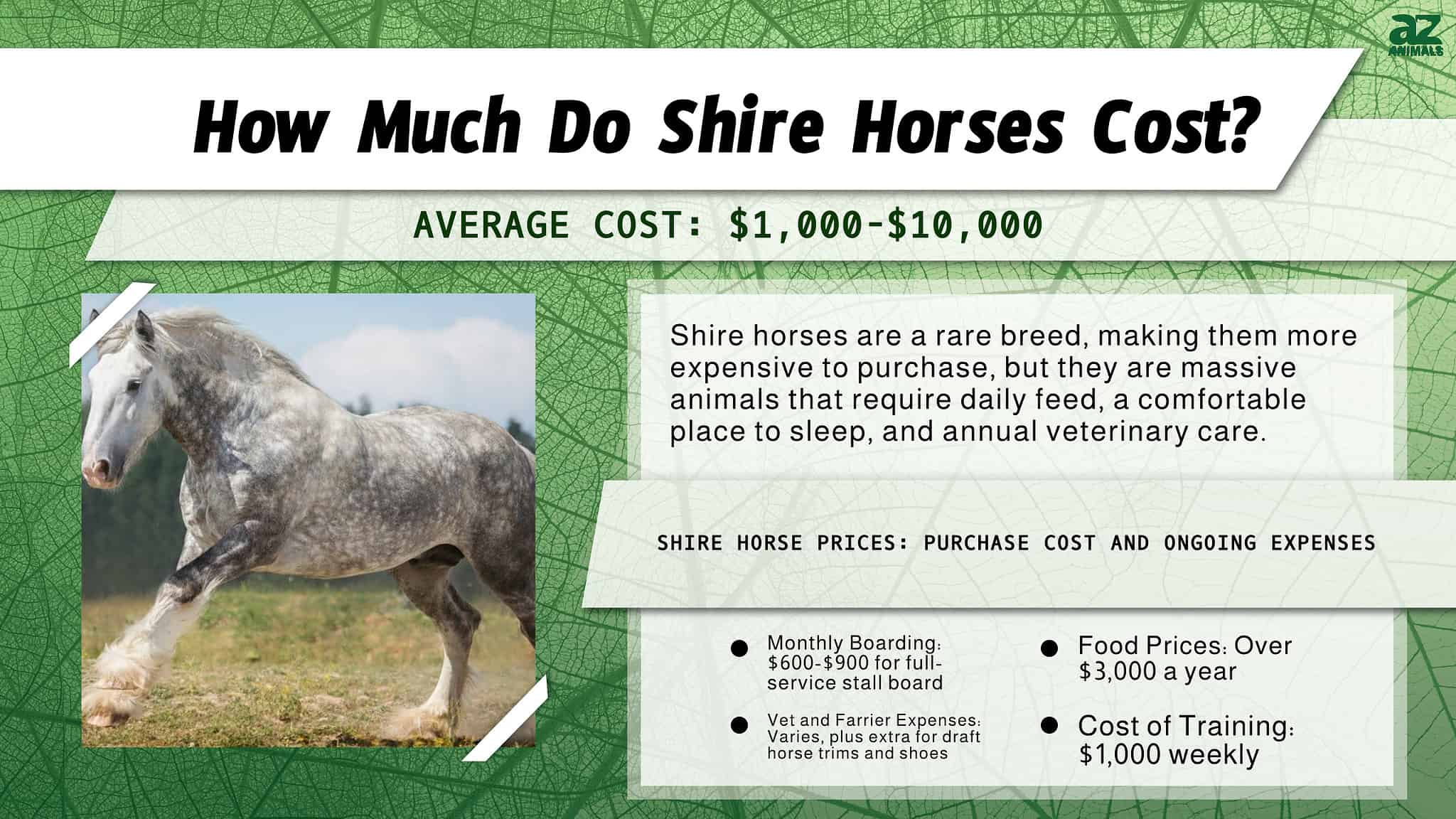
Unless you own acres of land with a built-in stable, boarding your horse is a necessity. Boarding facilities range from simple pasture board, where your horse lives out 24/7 with a run-in shelter, to full-service stall board, which includes a private stall, daily turnout, and mucking out. Pasture board can cost anywhere from $200 to $600 per month, while full-service stall board can range from $400 to $1,000+ per month, depending on the location and amenities offered. These costs cover the basic shelter, water, and often hay. Some facilities may include grain in their board, while others expect you to provide it.
Feeding Your Equine Athlete
Horses are herbivores and require a significant amount of food. The primary component of their diet is hay, and the cost of hay can fluctuate based on location and season. Expect to spend anywhere from $50 to $200 per month on hay alone, depending on the size of your horse and the quality of the hay. Many horses also require supplemental grain or specialized feed, especially if they are working hard, pregnant, or have specific dietary needs. This can add another $30 to $100+ per month to your budget.
The Vet and the Farrier: Essential Healthcare
Regular veterinary care is non-negotiable for a healthy horse. This includes annual vaccinations and deworming, which can cost around $100 to $300 per year. However, the biggest veterinary expenses often come from emergencies or unexpected illnesses. A colic surgery, for example, can easily run into the thousands of dollars. Therefore, having a good emergency fund or considering equine insurance is highly recommended. Farrier services are also a critical ongoing cost. Horses need their feet trimmed and/or shod regularly, typically every 6 to 8 weeks. A simple trim can cost between $40 and $80, while shoeing a horse can range from $100 to $250+. Over a year, these farrier visits can add up to $300 to $1,000+.

Gear Up: Tack and Equipment
No horse owner can go without essential equipment, often referred to as tack. This includes a saddle, bridle, bits, grooming tools, blankets, and more. A decent quality, used saddle can be found for $500 to $2,000, while a new, custom-fitted saddle can cost upwards of $3,000. A bridle might set you back $50 to $300, and a good set of grooming supplies could be around $100 to $200. Winter blankets, fly sheets, and specialized pads will add to this initial outlay. While these are often one-time purchases that last for years, they represent a significant upfront investment.
So, How Much Does an "Average" Horse Cost?
It's tough to pinpoint an "average" cost because the variables are so vast. However, if we consider a reasonably healthy, well-behaved horse for general pleasure riding that isn't a highly specialized breed or competition prospect, you might be looking at an initial purchase price anywhere from $3,000 to $8,000. Then, factor in ongoing monthly costs for boarding, feed, routine vet care, and farrier visits, which can easily add up to $400 to $800 per month or more. Annually, this translates to a minimum of $4,800 to $9,600+, before any unexpected veterinary emergencies or tack replacements.
Owning a horse is a labor of love and a significant financial commitment. It's not a pet you can simply forget about for a weekend. It requires time, dedication, and a willingness to invest. But for those who choose this path, the rewards—the bond, the freedom, and the sheer joy of being with these magnificent animals—are immeasurable. Before you fall in love with that dream horse, do your homework, talk to experienced owners, and create a realistic budget. It's the best way to ensure a happy and healthy partnership for both you and your future equine companion.