
How Much Does A Telescope Cost

So, you’re staring up at the night sky. It’s a vast, sparkly canvas, right? And you’re thinking, "Man, I wanna see more of that!" Maybe you've got a hankering to spot Saturn's rings. Or perhaps you're dreaming of finding that elusive galaxy your science teacher always babbled about. Whatever your stellar craving, you’ve landed on the big question: how much does a telescope cost?
Let’s be honest, it’s not like buying a loaf of bread. This is an investment in cosmic exploration! And the price tag? Well, it’s a whole universe in itself. It’s like asking "How much does a car cost?" You can get a scooter, a sensible sedan, or a rocket ship. Telescopes are kinda like that.
The Pocket Change Spectacle
First up, the budget-friendly zone. Think of these as your gateway drugs to the stars. You can snag a decent beginner telescope for anywhere from $100 to $300. These are your basic, no-frills models. They’re great for looking at the Moon. You’ll see craters! Big ones! And maybe even some of the brighter planets. Jupiter might show up as a little disc. You might even catch Mars as a reddish speck. It’s a fun start, for sure.
These little guys are usually refractors or small reflectors. Refractors use lenses. Think of them like super-powered binoculars for space. Reflectors use mirrors to gather light. And light is the name of the game when you’re stargazing. More light, more amazing views! These beginner scopes are super portable. You can just plop them in the backyard. No complex setup needed.
But here’s a quirky fact: some of these super cheap ones can be a bit… wobbly. Like trying to balance a jelly on a pin. Your image might shake around. It can be a little frustrating. So, read reviews! See what other stargazers are saying about the stability. It’s the difference between a steady gaze at the cosmos and a dizzying cosmic blur.
The Mid-Range Marvels
Now, let’s step it up a notch. If you’re willing to splash out a bit more, say between $300 and $1,000, you’re entering the realm of serious amateur astronomy. These telescopes are where things get really interesting.
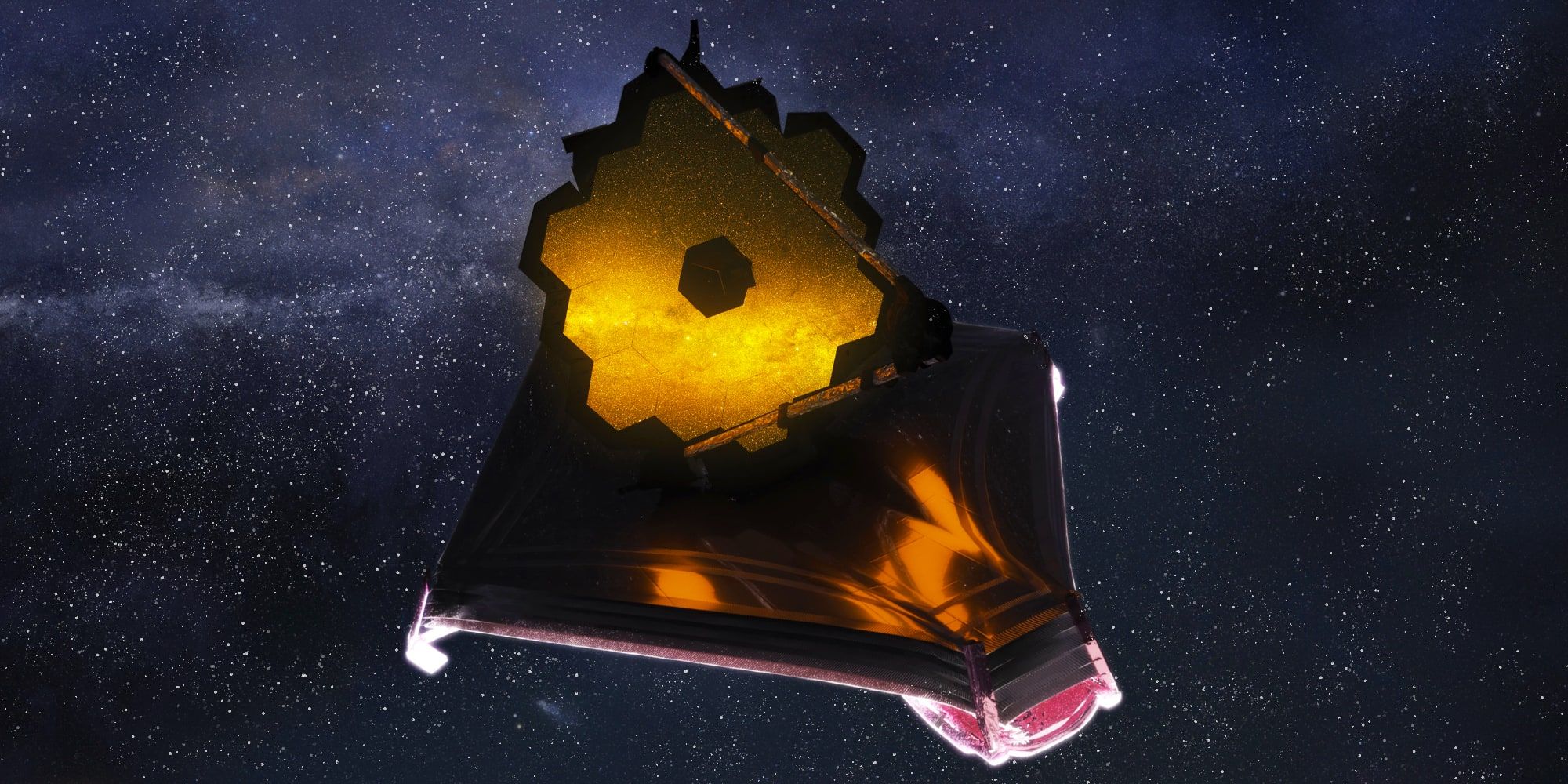
You’re looking at larger reflectors, often Dobsonians. These are awesome! They’re basically big tubes with mirrors, mounted on a simple base. They offer a lot of bang for your buck. That means you get a bigger mirror for less money. Bigger mirror = more light = brighter, clearer views.
With these, you’ll start seeing more details on Jupiter. Think its cloudy bands! You might even spot its four largest moons as tiny dots. Saturn’s rings? Oh yeah, you’ll see those with much more clarity. You might even be able to discern the Cassini Division, that little gap in the rings. It’s mind-blowing stuff!
And don’t forget the deep sky objects. Those fuzzy patches of light that are actually galaxies millions of light-years away? You’ll start to resolve those. They’ll look less like smudges and more like… well, galaxies!
A funny detail about Dobsonians? They look hilariously simple sometimes. Like a cardboard tube on a box. But don’t let the looks fool you. These are powerhouses. They’re also surprisingly easy to use. Point and shoot, mostly. Plus, they’re often quite large, so you might need a dedicated spot in your garage or shed.
The High-End Heavenly Machines
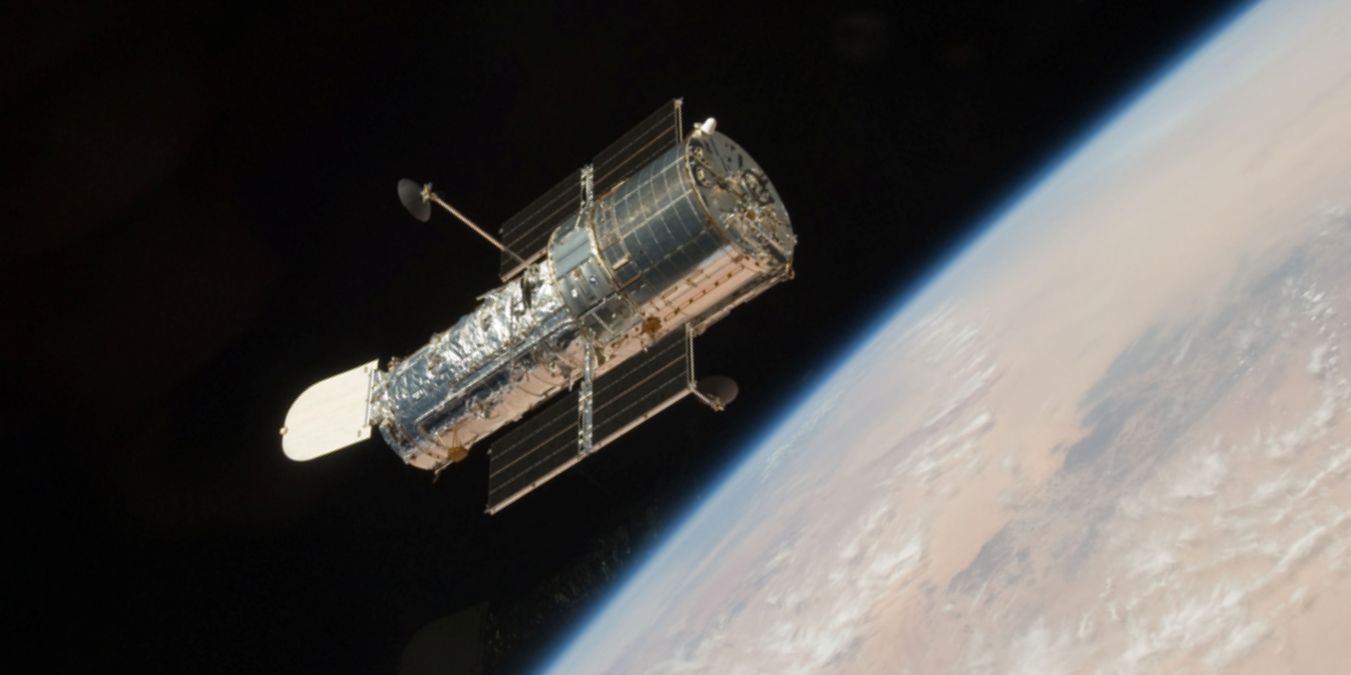
Okay, deep breath. We’re talking about the big leagues now. If you’re a seasoned astronomer, or just have a serious case of cosmic wanderlust and a healthy bank account, you’re looking at $1,000 and up. And when we say "up," we mean way up. We're talking thousands, tens of thousands, even hundreds of thousands of dollars.
What do you get for that kind of money? We’re talking about apochromatic refractors, which are the absolute crème de la crème of refractor telescopes. They use special glass to eliminate color fringing, giving you the most pristine images possible. Think crystal-clear views.
Or you might get a large, high-quality reflector. We’re talking about massive mirrors that can gather an incredible amount of light. These aren’t just telescopes; they’re scientific instruments.
And then there are the GoTo mounts. These are the robots of the telescope world. You tell them what you want to see, and they’ll slew (that’s telescope talk for "move") the telescope right to it. They have databases of thousands of celestial objects. It’s like having a personal spaceship navigator.
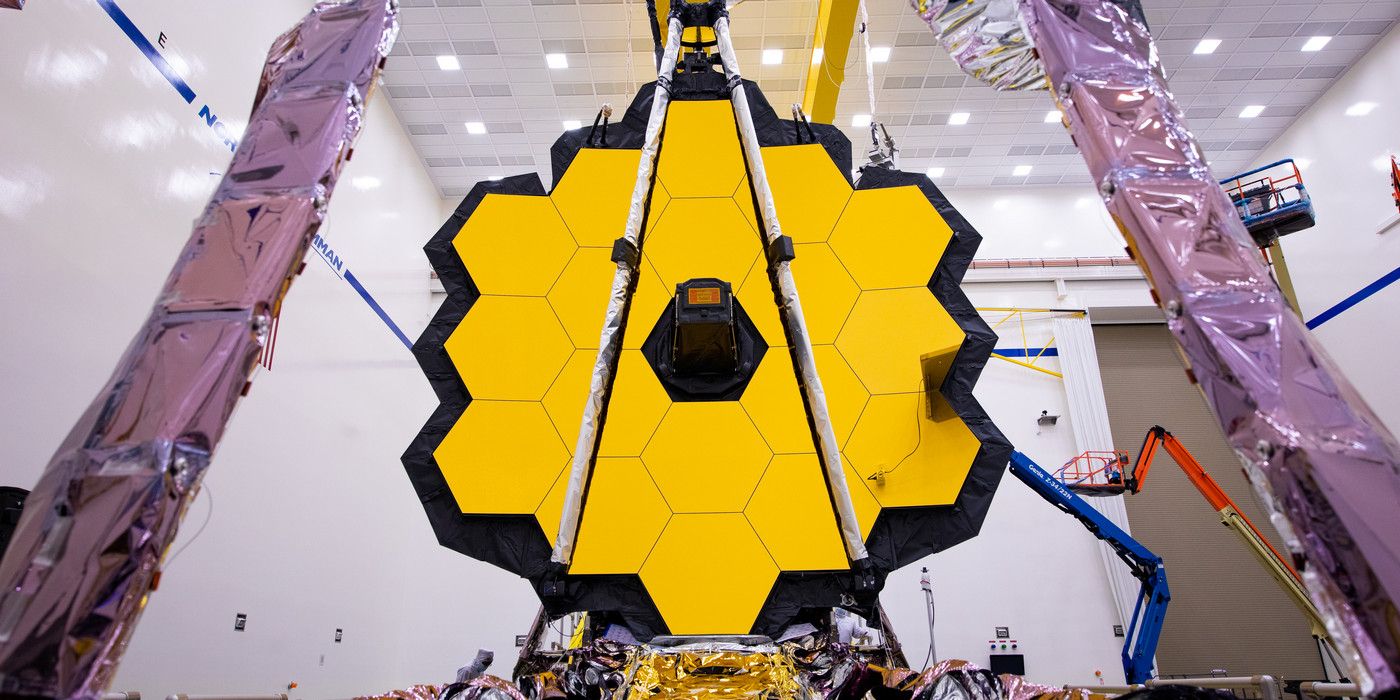
The quirky fact here? Some of these super high-end telescopes are so sensitive, you can see heat shimmer from distant stars. It’s like peering into the very fabric of the universe. And the image quality? It's so good, you might forget you’re on Earth. You’ll be seeing nebulae with vibrant colors. You’ll be resolving star clusters so tightly packed they look like glittering jewels. You’ll be seeing planets with incredible detail, like you're almost there.
Beyond the Glass: The Hidden Costs
But wait! Don't forget the accessories! This is where the costs can creep up. You’ll need eyepieces, filters, maybe a good sturdy tripod, a dew shield, a carrying case. Each of these can add a significant chunk to your total. A single, high-quality eyepiece can cost more than a beginner telescope!
Filters are fun. Want to see solar flares? You need a special solar filter. Want to see the colors in a nebula better? You need specific nebula filters. They’re like adding special lenses to your eyes, but for the cosmos. And they cost money. Lots of money if you want the best ones.
And then there's the mount. The mount is the thing that holds your telescope. It’s super important. A shaky mount ruins even the best telescope. For the really big, powerful telescopes, you need incredibly robust mounts. We're talking mounts that weigh more than you do. And they cost a pretty penny.

Plus, there’s the location. Do you live in a light-polluted city? You might need to travel to a dark sky site. That’s gas money, or maybe even a weekend trip. So, the cost of observing can extend beyond just the equipment.
So, What's the Verdict?
The cost of a telescope is a spectrum. From a few hundred bucks to the price of a nice car. It really depends on what you want to see and how serious you are about it.
For most people, starting out in the $200-$500 range is a sweet spot. You get a capable instrument that will offer amazing views and inspire a lifelong passion. You’ll see things that will make you say, "Wow!" out loud. You'll be hooked.
The fun part is that there's a telescope for everyone. Whether you’re a casual moon-gazer or a hardcore astrophotographer chasing distant galaxies. The universe is out there, waiting. And the price of admission? It’s more accessible than you might think. Just start with what you can afford, and let your curiosity guide you. Happy stargazing!