
How Much Sun Do Venus Fly Traps Need
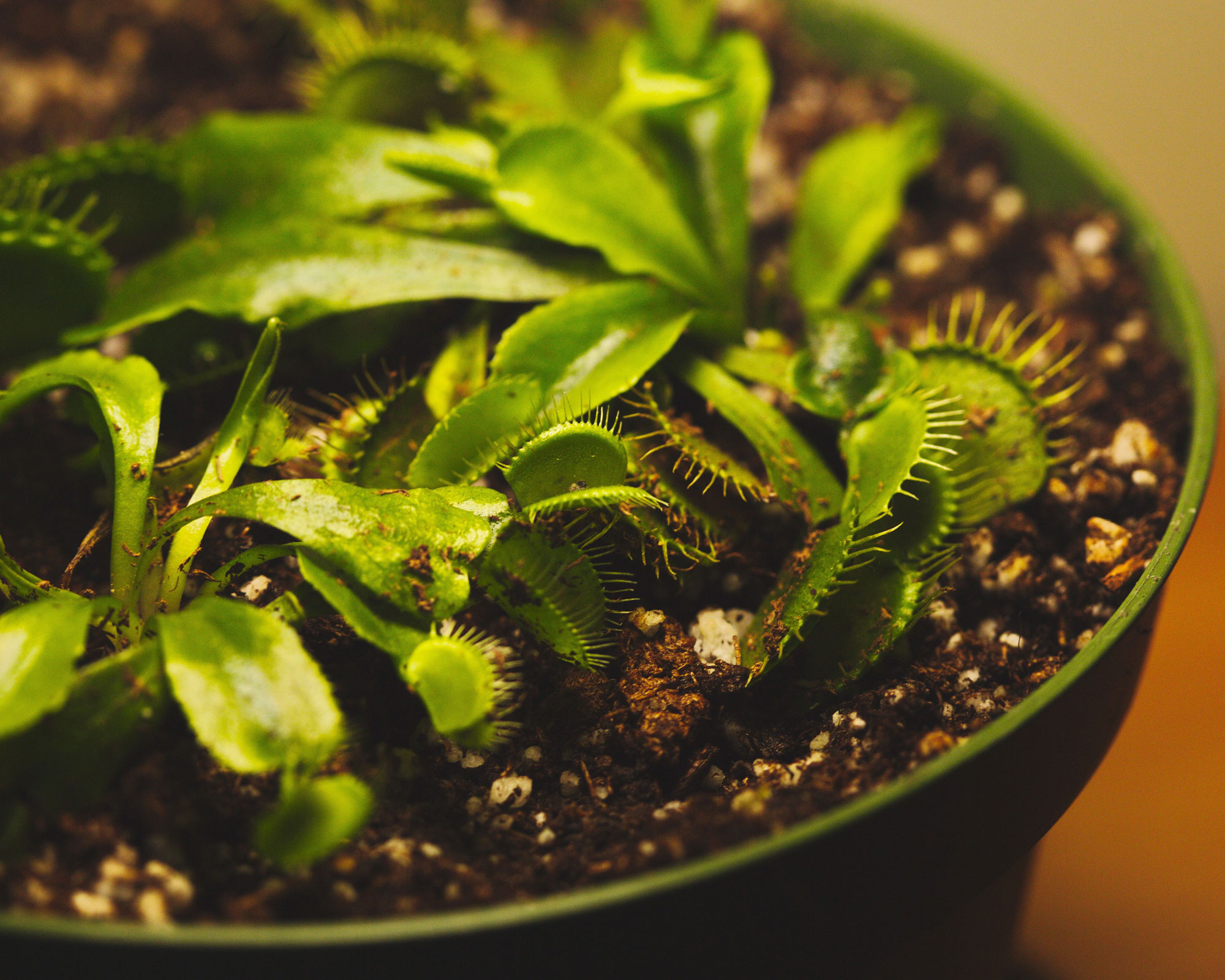
So, you’ve snagged yourself a Venus flytrap, haven't you? That little, spiky-mouthed marvel that’s equal parts fascinating and, let's be honest, a little bit intimidating. It’s like having a tiny, carnivorous roommate who’s perpetually hangry. But before you start wondering if you need to perform elaborate bug-catching rituals or worry about its existential dread (spoiler: it doesn't have any), let's tackle the most crucial question: how much sun does this captivating critter actually need?
Think of your Venus flytrap not as a delicate orchid whispering for shade, but more like a sun-worshipping, slightly dramatic diva. These guys hail from the bogs of North and South Carolina, environments that are, shall we say, exceptionally sunny. They've evolved to soak up every available ray, using that solar power to fuel their impressive, albeit slow-motion, insect-munching lifestyle. So, the short answer? A whole lot of sun.
Now, "a whole lot" can be a bit vague, can't it? Especially when we're talking about a plant that can literally snap shut on a passing fly. For our Venus flytrap friends, we're talking about at least 4 to 6 hours of direct sunlight per day. And when we say direct, we mean direct. No peeking through sheer curtains, no dappled shade from a towering oak. They want the full, unadulterated, face-melting (metaphorically, of course) sunbeams.
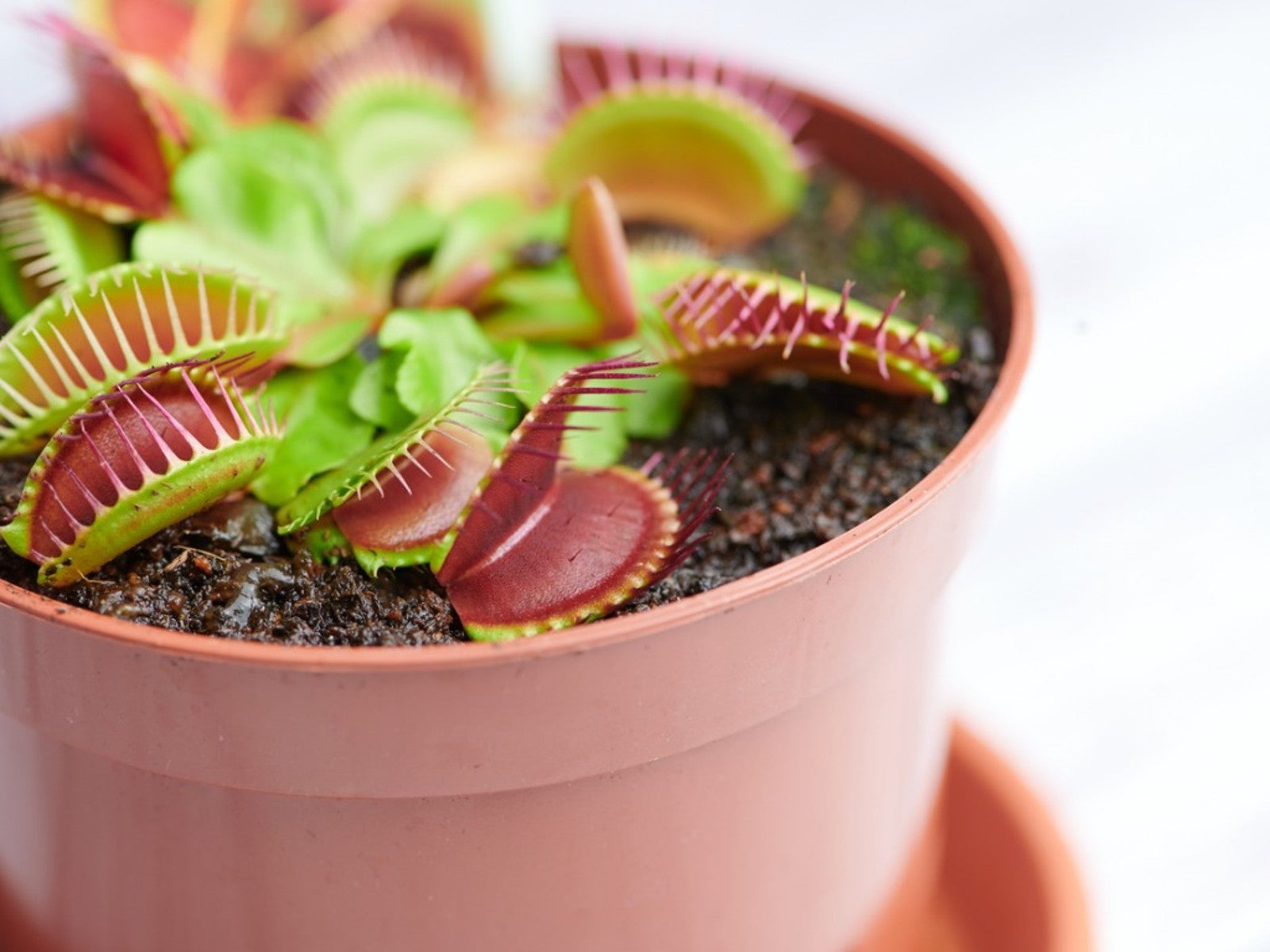
Why so much sun? Well, it’s all about energy. Sunlight is the fuel for photosynthesis, the magical process where plants convert light into energy to grow and thrive. For a Venus flytrap, this energy is even more vital because it's also powering those fancy traps. The more light they get, the healthier they'll be, the more vibrant their green will be, and the more likely they are to develop those striking red interiors that make them so visually appealing. Think of it like charging your phone – the more juice, the better it performs.
If your flytrap is looking a bit… meh… leggy, pale, or its traps are small and sluggish, chances are it's not getting enough light. It's the plant's way of saying, "Hey, I'm getting by, but I could really be living." It’s the botanical equivalent of scrolling endlessly through social media instead of getting out there and doing something.
Finding the Sunny Sweet Spot
So, where’s the best place to position your little predator? If you're lucky enough to have a sunny windowsill that faces south (in the Northern Hemisphere, that is), congratulations! You've hit the jackpot. That spot will likely provide the hours of direct sun your flytrap craves. East-facing windows can work too, offering good morning sun, but they might fall a bit short in the afternoon.

West-facing windows can be a double-edged sword. They get intense afternoon sun, which can be great, but if it's too intense and your plant isn't acclimated, it could lead to sunburn. We'll get to that in a sec. North-facing windows? Unless you live somewhere with perpetual summer sunshine, these are generally a no-go for Venus flytraps.
If natural light isn't cutting it, and let's be real, sometimes life just doesn't give us enough sunny spots, don't despair! Grow lights are your best friend. Think of them as miniature suns you can control. You can find full-spectrum LED grow lights that mimic natural sunlight remarkably well. Just make sure to position them at an appropriate distance – too close and you risk scorching, too far and it's not effective. A good starting point is usually about 6-12 inches away, but always keep an eye on your plant.
When using grow lights, aim for a photoperiod of around 12-16 hours a day. This simulates a long summer day, which is exactly what your flytrap is used to and thrives on. It's like giving your plant a consistent, unwavering vacation in perpetual sunshine.
The Nuances of the Noon Sun
Now, here’s where things get a tiny bit more nuanced. While direct sun is king, there’s such a thing as too much direct sun, especially if your plant isn't used to it or if temperatures are soaring. Think about it: on a scorching summer day, even humans seek a bit of shade sometimes. The same can apply to your flytrap.
If you notice the leaves looking bleached, brown, or crispy at the edges, that's a tell-tale sign of sunburn. This is more likely to happen with young plants that haven't had time to build up their tolerance, or during extreme heatwaves. In these situations, a bit of temporary afternoon shade might be beneficial. You could move it slightly back from the window, or use a sheer curtain to filter the harshest rays for an hour or two.
However, this should be a temporary measure, not a permanent fixture. The goal is still to maximize light exposure. It's about finding that sweet spot where they get their fill without getting scorched. It's like when you’re enjoying a really good book on a sunny day – you might shift your position a little to avoid the glare, but you’re still basking in the general warmth and light.
Acclimation is key. If you've just bought a new Venus flytrap, or if you're moving it to a sunnier spot, do it gradually. Introduce it to more direct sun over a period of a week or two. Start with a few hours, then increase it steadily. This allows the plant to adjust its pigmentation and build up its resistance to stronger light. It’s a marathon, not a sprint, for your sun-loving plant.
Beyond the Sun: Other Important Factors
While sun is undoubtedly the star of the show, it's not the only thing your Venus flytrap needs to be happy. Think of sun as the main course, but water and soil are the essential side dishes.
Watering: These guys are bog dwellers, remember? That means they like it wet. But not drowning. Use distilled water, rainwater, or reverse osmosis water. Tap water often contains minerals that can build up and harm your plant over time. The best method is the tray method: place the pot in a shallow tray filled with about an inch of water. Let the plant soak it up. When the tray is dry, refill it. They’ll tell you if they’re thirsty – the leaves might start to droop a bit.
Soil: Forget your typical potting soil. Venus flytraps need nutrient-poor, acidic soil. A common mix is 50/50 peat moss and perlite or horticultural sand. This mimics their natural habitat and prevents those sensitive roots from getting burned by excess nutrients. So, no fancy fertilizer here, folks!

Feeding: While they are carnivorous, you don’t need to go out and hunt for bugs for them. If grown outdoors, they’ll catch their own. If grown indoors, you can feed them one small insect (like a fly or a small spider) every 2-4 weeks, provided the trap is large enough to close fully around it. Overfeeding can actually harm them, and definitely don't feed them human food. No hamburgers for your flytrap, no matter how much you might want to share.
Dormancy: This is a big one, and often overlooked! Venus flytraps need a period of winter dormancy, typically for 3-4 months. This is when they slow down their growth and rest. During dormancy, they’ll look less impressive, with smaller traps and some leaves may die back. They need cooler temperatures (around 35-50°F or 2-10°C) and less light. If you don't provide dormancy, they will eventually weaken and die. It’s their version of a winter hibernation, essential for their long-term health. So, resist the urge to keep them perpetually vibrant and sunny all year round!
Fun Little Facts to Impress Your Friends (or Just Yourself)
- The “trap” is actually a modified leaf. Pretty cool, right?
- Each trap can only close a limited number of times (around 20-30) before it stops functioning.
- They have trigger hairs inside the trap. You need to touch at least two of these hairs within a certain timeframe (about 20 seconds) for the trap to snap shut. This prevents false alarms from raindrops or debris. Ingenious!
- Their scientific name is Dionaea muscipula, named after the Greek goddess of beauty, Aphrodite. Fitting for such a striking plant!
- They’re endangered in the wild, making responsible cultivation even more important.
So, to sum it up: Sun, sun, and more sun! Aim for at least 4-6 hours of direct sunlight daily. If you can’t provide that naturally, invest in a good grow light. Watch out for sunburn, acclimate them gradually, and remember all those other little things that make a Venus flytrap a happy flytrap – good water, the right soil, and a well-deserved winter nap.
In the grand scheme of things, it's a simple request for a complex little organism. It’s a reminder that even the most extraordinary creatures have basic needs. And when we meet those needs, they reward us with something truly special. Just like that perfect ray of sunshine that lifts your mood on a cloudy day, a well-lit Venus flytrap can bring a little bit of wild wonder right into your home, no matter what the weather outside.