
How Much To Install Metal Roof

So, you’re thinking about a metal roof, huh? Excellent choice! You’re not just getting a roof; you’re investing in a fortress against the elements, a shiny beacon of modern engineering, and possibly a way to one-up your neighbor whose shingles are starting to look like a distressed tweed jacket. But before you go all-in on a metal marvel, there’s the big question looming: How much does this fancy metal hat for your house actually cost? Let’s grab a latte, settle in, and dive into the wonderfully shiny world of metal roof installation costs, served with a side of humor and maybe a sprinkle of mild absurdity.
First off, forget those whispers you might have heard about metal roofs being ridiculously expensive. While they do, let’s be honest, cost more upfront than those charmingly flammable asphalt shingles (you know, the ones that look like a thousand tiny granola bars glued together), they’re not quite as wallet-obliterating as, say, a solid gold roof. We’re talking about a significant investment, yes, but one that pays dividends faster than a squirrel burying nuts before a blizzard.
The big kahuna, the main event, the reason you clicked on this article: the actual dollar amount. For a typical, average-sized house, you’re probably looking at a range anywhere from $8,000 to $25,000. Yes, I know, that’s a pretty wide net. It’s like asking how much a car costs – are we talking a rusty scooter or a gleaming supercar? The same principle applies here. This range is influenced by a constellation of factors, each with its own gravitational pull on your bank account.
The Usual Suspects: What Drives Up the Price?
Let’s break down the cost creators, the usual suspects who conspire to make your final bill look the way it does. Think of these as the plot twists in our metal roof installation story.
Material Matters (Duh!)
This is the big one. What kind of metal are we talking about? Are we going for the tough-as-nails, seen-it-all steel? Or perhaps the more regal, corrosion-resistant aluminum? Maybe even the decidedly posh and lightweight copper, which will age into a stunning green patina that screams, “I’m fancy and I know it!”
Steel roofs are generally the most budget-friendly metal option. They’re strong, durable, and can be coated in various finishes to look like wood shakes, slate, or just good old-fashioned metal. They’re the reliable workhorse of the metal roofing world. We’re talking about a price tag that might start in the lower end of our $8k-$25k range, perhaps around $8 to $15 per square foot, fully installed. Think of it as the comfortable sedan of roofing.
Aluminum roofs are lighter and more resistant to corrosion, making them a great choice for coastal areas where salt air is a constant party guest. They can also be a bit more expensive than steel, landing somewhere in the $10 to $18 per square foot ballpark. They’re like the slightly more upscale SUV – still practical, but with a bit more polish.
And then there’s copper. Oh, copper. This is the luxury sports car of the metal roofing world. It’s stunning, it lasts practically forever (we’re talking centuries, people!), and it develops that gorgeous green verdigris that makes your house look like a stately manor. But it comes with a price tag that can easily push you into the $20 to $30+ per square foot range. This is the roof that whispers, “I’ve arrived, and my roof knows it.”
The Shape of Things (Your Roof, That Is)
Is your roof a simple rectangle, as flat as a pancake at a diet convention? Or is it a majestic, multi-gabled, dormer-filled, chimney-sporting beast that looks like it was designed by a committee of woodland creatures? The complexity of your roof’s geometry is a huge cost driver. More angles, more valleys, more hips, and more tricky bits mean more labor, more custom cuts, and more potential for your roofer to develop a twitch.

A simple, single-slope roof will be significantly cheaper to outfit with metal than a roof with multiple peaks and valleys that look like a topographic map of a particularly hilly region. These intricate designs require more precision, more skilled labor, and more… well, more everything.
The Old Roof Situation
What’s currently on your roof? If it’s a single layer of old asphalt shingles, it’s generally easier to remove and replace. If you’ve got multiple layers of shingles, or some other quirky roofing material that looks like it was installed during the Punic Wars, it’s going to take longer and cost more to tear off and haul away. Think of it as decluttering before the big renovation.
Sometimes, depending on the type of metal roof and the existing structure, you might be able to install some types of metal roofing directly over existing shingles. This can save on tear-off and disposal costs. However, it's not always recommended or possible, so always chat with your contractor about the best approach for your specific situation.
The Style (Not Just Fashion, But Function!)
Metal roofs aren’t just one-size-fits-all. You’ve got various styles, each with its own installation nuances and price points:

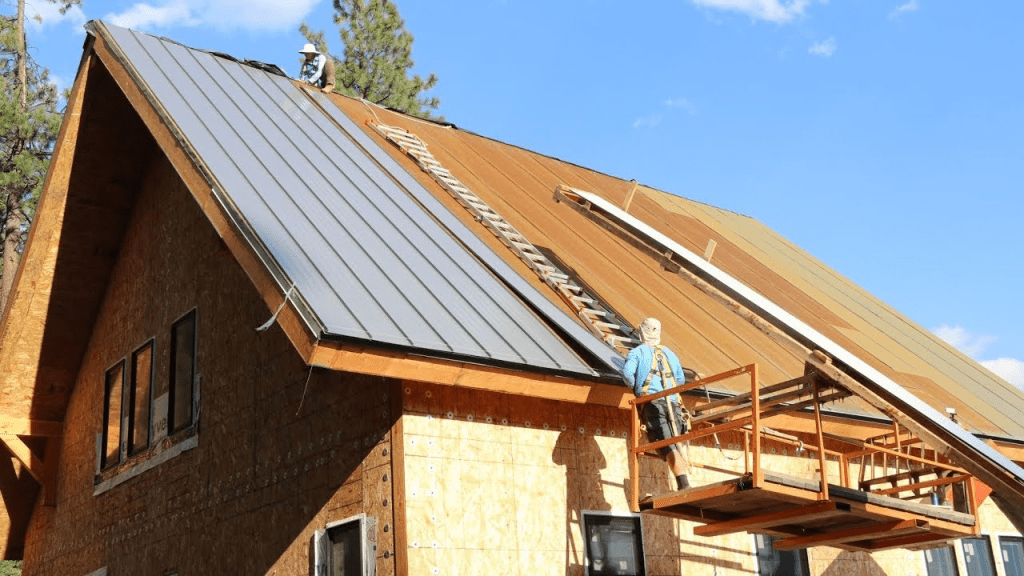
- Standing Seam: This is the most popular and often the most visually striking. It features vertical panels with raised seams that interlock. It’s sleek, modern, and highly effective. Installation is more labor-intensive due to the precision required for the seams. This is usually where you'll find yourself spending a good chunk of change.
- Metal Shingles or Shakes: These mimic the look of traditional shingles or wood shakes. They can be a bit more forgiving to install than standing seam but still require careful fitting. They offer a more traditional aesthetic.
- Corrugated Metal: This is often seen on barns and agricultural buildings, but it’s making a comeback on residential homes for a more industrial or rustic look. It’s generally the least expensive and easiest to install, but it might not offer the same level of aesthetic appeal for everyone. Think of it as the DIY-friendly option, though you’ll still want professionals for a top-notch job.
The Unsung Heroes: Other Cost Considerations
Beyond the obvious material and labor, there are other characters in our metal roof story:
Location, Location, Location!
Labor costs vary wildly depending on where you live. A roofer in San Francisco will likely charge more than a roofer in Des Moines, simply because the cost of living (and the cost of their fancy artisanal coffee) is higher. Also, consider if you live in an area prone to extreme weather – you might need extra reinforcements or specialized installation techniques, which can bump up the price.
The Contractor Factor
Are you hiring the local guy who’s been roofing since before you were born and has a Rolodex full of satisfied customers? Or are you going with a national chain with glossy brochures and a fleet of matching trucks? Experienced, reputable contractors might command higher prices, but they also bring peace of mind, warranties, and a lower chance of your roof spontaneously developing a leak during a hurricane.

Permits and Inspections
Don’t forget the government’s little cut! Your municipality will likely require permits and inspections for roofing work. These fees are usually relatively small but are an essential part of the process. Think of it as the entrance fee to a very exclusive club: the club of people with really great roofs.
The Long Game: Why Metal Makes Cents (Eventually!)
Now, I know what you’re thinking. “All this money! My current roof cost me, like, a dozen pizza nights!” And you’re not wrong. But remember that metal roofs are built to last. We’re talking 40 to 70 years, sometimes even longer! That’s longer than most marriages these days, and definitely longer than your teenager’s interest in any particular hobby.
This means you won’t be shelling out for new shingles every 10-15 years. Over the lifetime of your home, a metal roof can actually be more cost-effective. Plus, they’re incredibly durable, able to withstand hail, high winds, and even falling branches like a champ. They’re also surprisingly energy-efficient, especially if you opt for lighter colors or specialized coatings that reflect solar radiant heat. This can lead to lower energy bills, which is like getting paid to have a nice roof. Who knew?
So, while the initial sticker shock might make you want to hide under your old, leaky roof, remember that you’re investing in longevity, durability, and a whole lot of bragging rights. Get a few quotes, do your homework, and you’ll be well on your way to a metal roof that’s as beautiful as it is tough. Now, if you’ll excuse me, I think I hear my shiny new roof calling my name… or maybe it’s just the wind whistling through those perfectly sealed seams.