
How Often Should You Change Betta Fish Water
Ever found yourself staring into your betta fish's tiny, shimmering world, wondering if their little aquatic kingdom is as pristine as it looks? If so, you're not alone! It's a question many of us who share our homes with these vibrant little characters ponder. Understanding how often to change your betta's water isn't just about keeping them healthy; it's about understanding a fundamental aspect of responsible pet ownership and, dare I say, a little bit of aquatic science that can be surprisingly fascinating. It’s a peek into the microscopic world that sustains our finned friends.
So, what's the big deal about changing betta water? Think of it like this: your betta lives in a mini-ecosystem. Just like a pond or lake, waste products – primarily from the fish itself and any uneaten food – build up over time. These waste products can break down into harmful substances like ammonia and nitrite, which are toxic to fish. Regularly changing the water is essentially a water change-up, removing these toxins and replenishing essential minerals. The benefits are clear: a healthier, happier fish. Betta fish kept in clean water are less prone to diseases like fin rot and ich, have more vibrant colors, and exhibit more active and engaging behaviors. It’s about creating an environment where they can truly thrive, not just survive.
You might be surprised how this simple act of water changing can tie into broader learning. In schools, it’s a fantastic way to teach children about the importance of cleanliness, the nitrogen cycle in aquatic environments, and the responsibilities of caring for a living creature. Imagine a classroom with a betta tank; students learn hands-on about cause and effect. For many of us at home, it’s a recurring, low-stakes ritual that fosters a sense of routine and care. It’s a small act of nurturing that contributes to a bigger picture of well-being for your pet.
Now, how often should this magical water change happen? The general consensus for betta fish, especially those kept in smaller tanks (though we advocate for tanks of at least 5 gallons!), is a partial water change of about 25-50% once a week. If you're using a very small bowl (less than 2 gallons), you might need to do a more frequent change, perhaps every 2-3 days, but again, larger tanks are always better! The key is to avoid a complete, disruptive water change, as this can shock your fish and remove beneficial bacteria that help keep the tank healthy. You’ll want to use dechlorinated water that's roughly the same temperature as the existing tank water. You can get dechlorinator drops from any pet store.
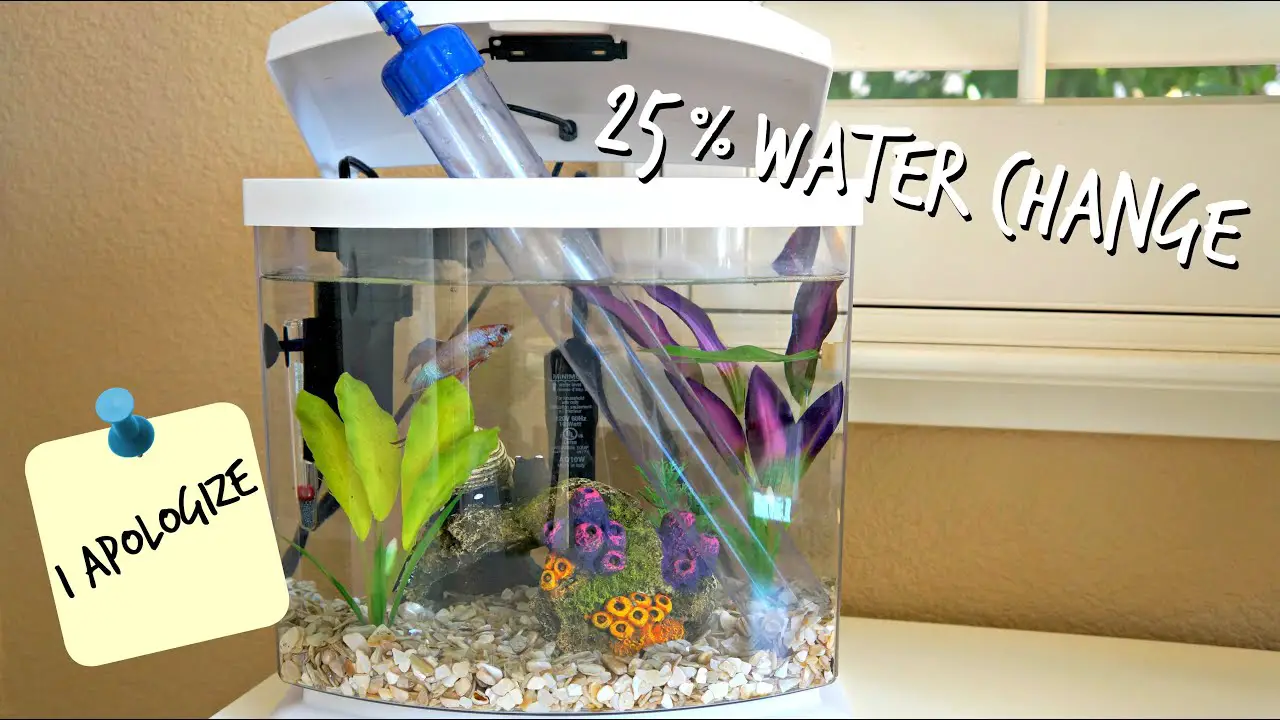
Ready to give it a go? It’s simpler than you might think! Grab a clean bucket or container (that you only use for fish tank stuff!), a gravel vacuum or siphon, and your dechlorinator. Siphon out about a quarter to half of the tank’s water, making sure to suck up any debris from the bottom. Then, add your fresh, treated water back in. Observe your betta before and after. Do they seem more energetic? Are their fins looking perkier? You'll start to get a feel for what your fish prefers. You can also look for visual cues: if the water looks cloudy or has a strange smell, it’s definitely time for a change, regardless of your schedule. It’s a simple, rewarding practice that ensures your colorful companion continues to grace your home with their captivating presence.