
How To Attach Metal To Metal Without Welding

Ever stared at two shiny pieces of metal and thought, "Man, I wish these two could just hug it out and stay together forever?" Maybe you're trying to fix that wobbly patio chair, build a cool sculpture for your garden, or just get that darn decorative birdcage to stop looking like it's auditioning for a disaster movie. Whatever your metal-mashing dreams, I've got some awesome news for you. You don't always need a fiery welding torch and a whole lot of protective gear to make metal do your bidding.
Yep, you read that right! There are tons of clever, often surprisingly simple, ways to get metal to bond with metal without setting off your smoke detector. It’s like discovering a secret handshake for your metal parts. And honestly, learning these tricks? It's not just practical; it's downright fun. It opens up a whole new world of DIY possibilities!
Unleash Your Inner MacGyver: The Adhesive Adventure
Let's kick things off with perhaps the most accessible and versatile method: adhesives! Think of these as super-powered glues, but way, way tougher. We're talking about the kind of stuff that can hold metal together through thick and thin.
The Mighty Epoxy: Two Parts, One Dream Team
When you hear "metal bonding," epoxy is probably one of the first things that comes to mind. And for good reason! Epoxy resins are your go-to for a seriously strong, permanent bond. You usually get them in two parts: a resin and a hardener. Mix 'em up according to the instructions (it's usually pretty straightforward, like a science experiment for grown-ups), and you've got a super-sticky concoction that cures into a rock-solid connection.
Think of it like this: the resin is the enthusiastic friend, and the hardener is the steady hand that brings it all together. Together, they create something unbreakable. For most applications, a good quality two-part epoxy will hold your metal bits together like they were born that way. It's perfect for repairs, crafting, and anything where you need a bond that’s going to last. Just make sure you clean your metal surfaces really, really well before you start. Grime is the enemy of good adhesion, after all!
Super Glues: For the Speedy Fixes
Now, I'm not talking about the little tubes you used to get in a stocking stuffer. I'm talking about industrial-strength cyanoacrylates, or super glues. These are fantastic for quick repairs or attaching smaller metal components. They cure incredibly fast, meaning you can get back to admiring your handiwork in minutes, not hours.
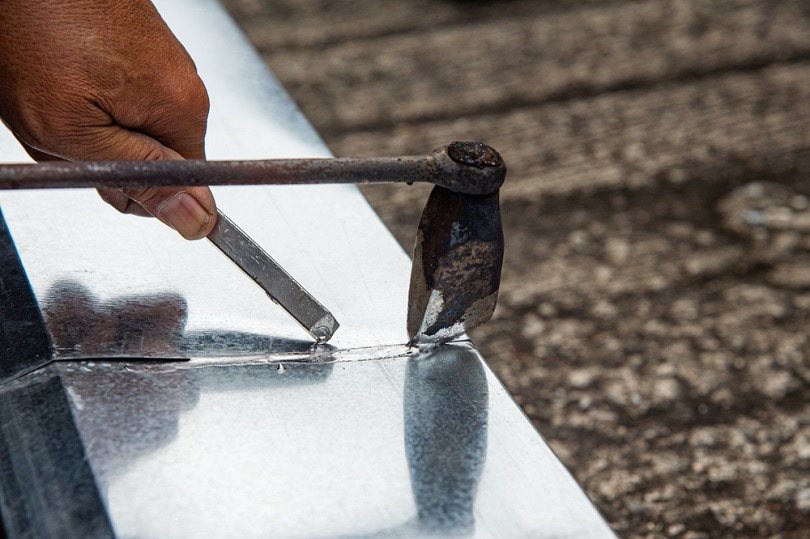
Just a little dab will do ya! But a word of caution: be careful! This stuff is sticky. You don't want your fingers to become an unintentional metal sculpture. Always work in a well-ventilated area and have a plan for how you’ll position the parts before you apply the glue. It’s all about precision and speed!
Construction Adhesives: The Heavy Hitters
Need to bond larger metal pieces, like, say, attaching a metal railing to a concrete base, or building a robust outdoor structure? Then you'll want to look at construction adhesives. These are designed for serious loads and are often more flexible than epoxies, which can be a good thing when dealing with metal that might expand or contract slightly with temperature changes.
These are usually applied with a caulk gun, making them super easy to control. They can fill gaps and create a strong, durable bond that's built to withstand the elements. Imagine building that awesome metal garden gate you’ve been dreaming of – construction adhesive could be your secret weapon!

Mechanical Marvels: Holding Tight, Without the Goo
Adhesives are amazing, but sometimes you want a connection that’s more… mechanical. Less about sticky stuff, more about good old-fashioned physics and engineering. These methods are brilliant because they’re often reversible (if you need them to be) and can provide incredible strength.
Rivets: The Classic Connector
Ah, rivets! These are like the unsung heroes of metal assembly. They’re little metal pins that you push through pre-drilled holes in your metal pieces. Then, using a rivet gun, you deform the end of the rivet, creating a permanent, strong joint.
It’s a satisfying pop sound when you set a rivet, and knowing that those two pieces of metal are now firmly attached? Pure DIY bliss! Rivets are fantastic for anything from assembling tin cans to building airplane fuselages (okay, maybe not that extreme for your weekend project, but you get the idea!). They’re relatively inexpensive and give a really clean, professional look.
Bolts and Nuts: The Dependable Duo
This is probably the most familiar method for many of us, and for good reason! Bolts and nuts are the backbone of so many structures. You drill holes, insert a bolt, and tighten a nut on the other side. Boom! Metal-to-metal connection achieved.
The beauty of bolts and nuts is their versatility and strength. You can choose different sizes, materials (think stainless steel for outdoor projects!), and types of heads and nuts to suit your needs. Need to take it apart later? No problem! Just unscrew the nut. They’re the reliable, no-nonsense way to get things done. Plus, there’s a certain satisfaction in tightening that wrench and feeling the pieces pull together.
Screws: For Lighter Touches
While we often think of screws in wood, there are plenty of screws specifically designed for metal! Metal screws, often called sheet metal screws or self-tapping screws, have special threads that can cut their own way into metal, creating a secure hold.
These are great for attaching lighter gauge metals, like attaching metal trim to a frame or assembling thinner metal enclosures. They’re quick and easy to use, and for many smaller projects, they’re the perfect solution. It’s like a little metal hug with a pointy end!

The "Why It's Fun" Factor
So, why is learning these techniques so enjoyable? Because it’s about creation and problem-solving. It’s about looking at something broken or incomplete and thinking, "I can fix this!" or "I can build this!" It’s about empowering yourself with practical skills.
Imagine the pride you’ll feel when you’ve not only repaired that wobbly shelf but done it with a beautifully bonded metal bracket. Or when you’ve built that unique piece of garden art that everyone compliments. These aren't just functional fixes; they're opportunities to express your creativity and build confidence. You’re literally shaping the world around you, one metal connection at a time!
It’s about more than just sticking two things together. It’s about the joy of making, the satisfaction of a job well done, and the endless possibilities that open up when you know you can tackle a project. So, don't be shy! Grab some materials, pick a method that sparks your interest, and start creating. The world of metal bonding without welding is waiting for you, and it’s going to be a blast!
There’s a whole universe of DIY projects out there just waiting for your touch. So go forth, experiment, and discover the sheer delight of making metal do your bidding. You’ve got this, and who knows what amazing things you’ll build next?