
How To Bend Square Aluminum Tubing
Ever looked at a sleek, modern outdoor chair or a cleverly designed shelving unit and wondered how those perfectly shaped aluminum frames came to be? Sometimes, it's not about sharp, unyielding corners. Often, designers and makers are after a softer, more flowing aesthetic, and that's where the surprisingly satisfying art of bending square aluminum tubing comes in.
Why would you even want to bend a square tube? Well, it's all about versatility and design freedom. While straight lines have their place, curves can bring a sense of organic flow, ergonomic comfort, and a unique visual appeal to almost any project. Think about it: a custom-made bicycle frame with gentle curves, a uniquely shaped garden trellis, or even a piece of furniture that hugs the contours of a room. Bending allows you to move beyond the box, quite literally, and create forms that are both functional and beautiful.
The benefits are numerous. Aluminum is lightweight, strong, and resistant to corrosion, making it an ideal material for both indoor and outdoor applications. When you can bend it, you unlock its potential for more complex and aesthetically pleasing structures. In educational settings, learning to bend tubing is a fantastic way to introduce students to practical engineering, problem-solving, and hands-on fabrication. Imagine a high school physics class experimenting with different bending techniques to understand material stress, or a design class creating prototypes for innovative furniture. In daily life, it opens doors to DIY projects that can truly elevate your home or garden, from crafting custom plant stands to building bespoke pet enclosures.
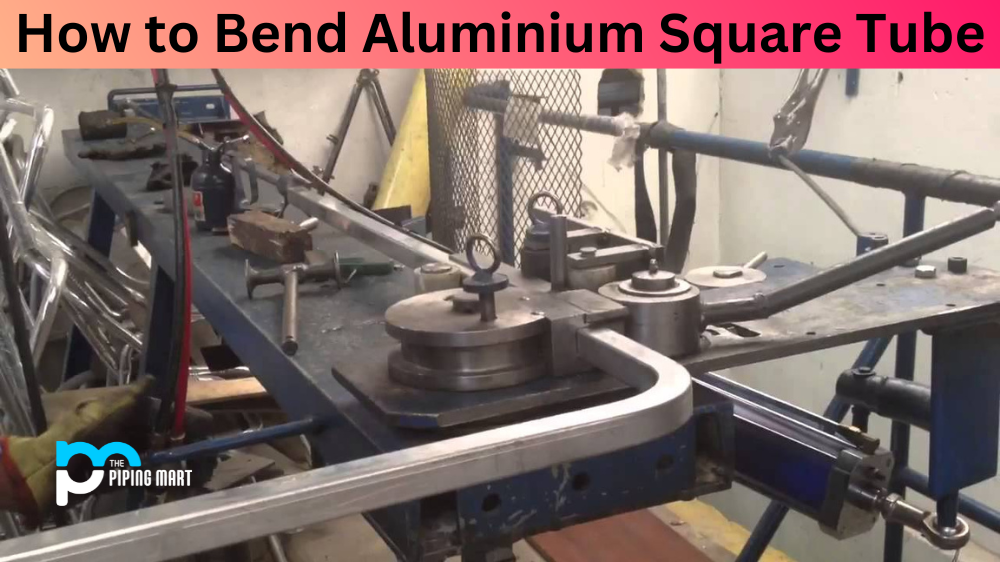
So, how do you actually go about it? It's not as intimidating as it might sound, and there are several approaches to explore. For smaller, tighter bends, a tube bender is your best friend. These handy tools come in various forms, from simple manual lever-style benders to more sophisticated hydraulic ones. The key is to choose a bender designed for the size and wall thickness of your aluminum tubing and to use the correct die to maintain the tube's shape and prevent it from collapsing. Patience is a virtue here; bending in stages, rather than forcing it all at once, will yield much better results.
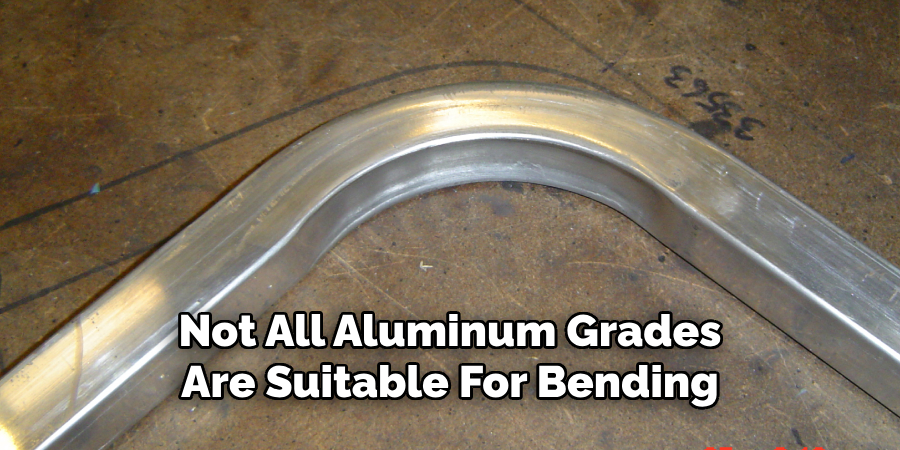
For larger, gentler curves, especially on longer pieces, you might consider methods like sand filling or using a slip roller. Sand filling involves packing the tube tightly with fine sand, which acts as a support to prevent kinking during the bending process. Once filled, you can carefully heat and bend the tube over a form. A slip roller, on the other hand, uses three rollers to progressively curve the tubing into your desired radius. This method is excellent for creating sweeping arcs and is often used in architectural applications.
If you're just dipping your toes in, start with a small, inexpensive piece of tubing and a basic hand bender. You'll quickly get a feel for how the aluminum behaves. Look for online tutorials and videos that demonstrate different techniques. You might be surprised at how accessible and rewarding it is to transform a simple, straight piece of aluminum into something truly unique. So, next time you see a curved aluminum element, remember that with a little curiosity and the right approach, you too can bend the possibilities.