
How To Bend Stainless Steel Pipe
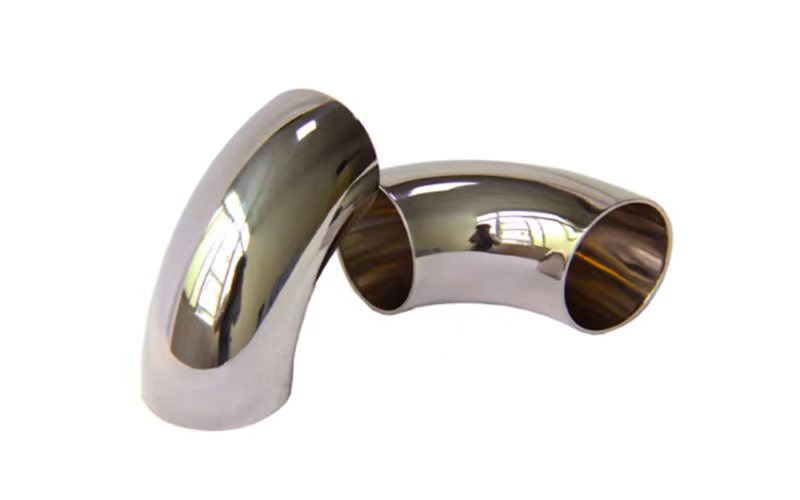
Ever found yourself staring at a stubborn piece of stainless steel pipe and thinking, "There has to be a way to get this to do what I want"? You're not alone! We've all been there. Maybe you're tinkering in the garage, dreaming up a fancy new barbecue pit, or perhaps you're trying to craft a unique, industrial-chic shelf for your living room. Whatever the reason, the thought of bending that shiny, tough stainless steel can feel a bit daunting, like trying to coax a cat into a bath. But trust me, it's not as scary as it looks!
Why should you even care about bending stainless steel pipe? Well, think about all the cool stuff you see out there. Those sleek, modern railings on balconies? Often bent stainless steel. The frame of that amazing-looking bicycle you admired? Yep, probably bent steel. Even some of the more sophisticated plumbing systems in your favorite restaurant might involve carefully curved pipes. It's a material that screams durability and style, and knowing how to shape it opens up a whole world of DIY possibilities. You can stop just admiring those designs and start creating them yourself. Imagine the pride you'll feel when you say, "I made that!"
So, let's break down how to tackle this metallic challenge. It's all about understanding the material and using the right tools. Think of it like learning to tie your shoelaces – a bit tricky at first, but once you get the hang of it, it’s second nature.
The Basics: What Makes Stainless Steel Stubborn (and How to Persuade It)
Stainless steel, bless its shiny heart, is tough. It's made to resist rust and corrosion, which is fantastic for longevity. But this resilience also means it’s not going to bend with a gentle nudge. It requires a bit more oomph. The key is to apply force gradually and evenly, avoiding kinks or stressing the metal too much in one spot. Think of it like trying to gently coax a large, friendly dog into a smaller space – you don't shove; you guide and encourage.
One of the most important things to remember is that stainless steel, especially thicker grades, has a bit of a memory. This means that once you bend it, it will want to spring back to its original shape. This is a crucial piece of information because it dictates how much extra bend you'll need to apply. It’s like when you’re trying to thread a needle – you have to push the thread a little further through the eye than you think you need to, or it’ll just pop back out.
The thickness of your pipe is another major factor. A thin, almost foil-like stainless steel tube will be much easier to bend than a thick, solid pipe. So, before you even think about tools, assess what you're working with. Is it a delicate little tube, or is it something that looks like it could survive a small asteroid impact?
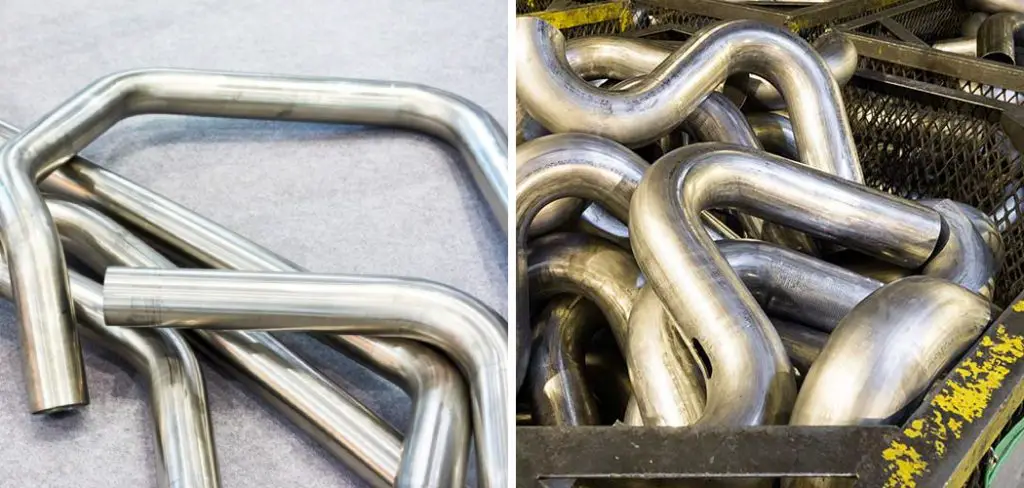
Your Toolkit: The Heroes of the Bend
You don't need a whole industrial factory to bend stainless steel. There are several tools that can help you achieve those smooth curves. The most common and often the most accessible is a pipe bender.
Manual Pipe Benders: Your Trusty Sidekicks
These are the workhorses for most DIY projects. They come in various forms, but the most common ones involve a sturdy frame, a bending shoe (which is the part that actually shapes the pipe), and a handle or lever arm. You slide your pipe into the bender, position it correctly, and then use the lever to apply pressure.
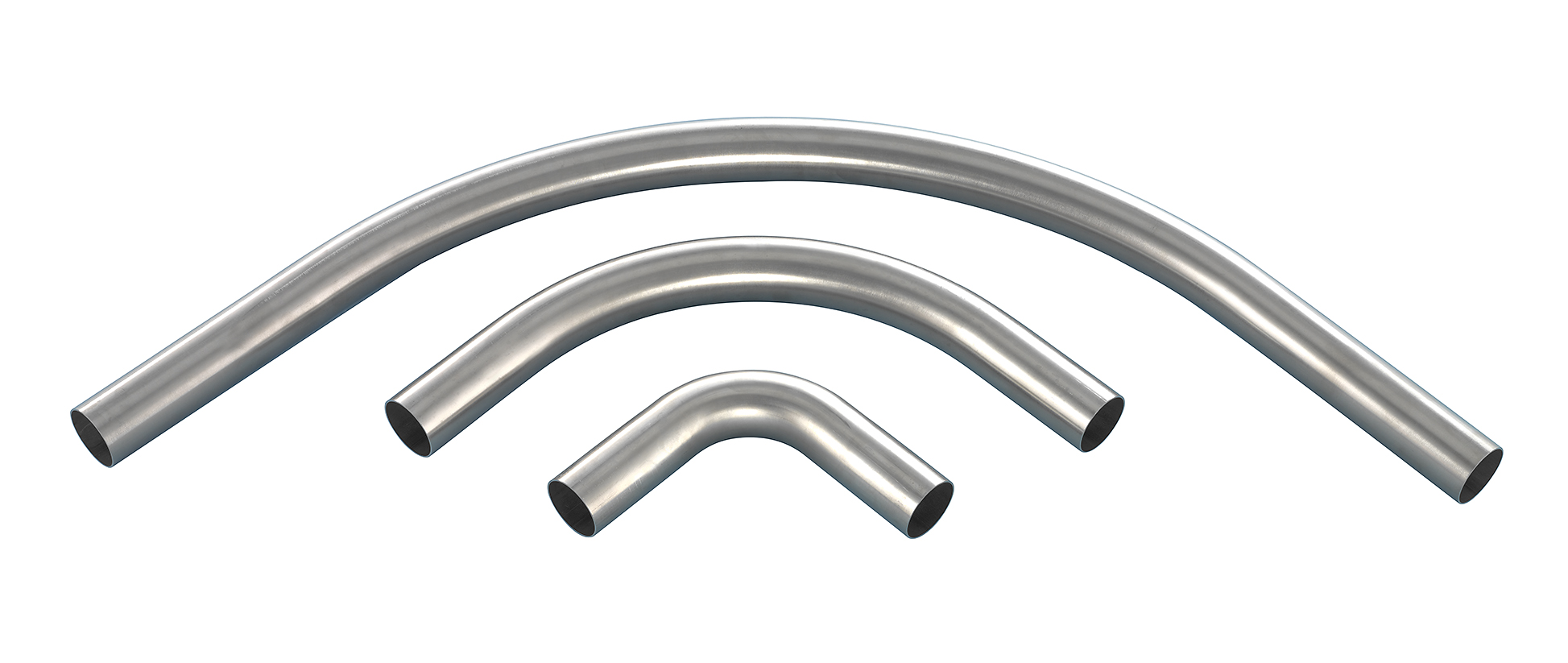
Think of it like using a can opener. You put the can in, you turn the handle, and voilà, the lid is off. A pipe bender is similar, but instead of opening a can, you're opening up a world of shapes for your pipe. For smoother bends, especially on thinner pipes, you might find yourself using a three-roll bender. This works a bit like a giant, robust rolling pin for metal, allowing for continuous, gentle curves. It’s ideal for creating large, sweeping arcs, perfect for that futuristic garden sculpture you’ve been envisioning.
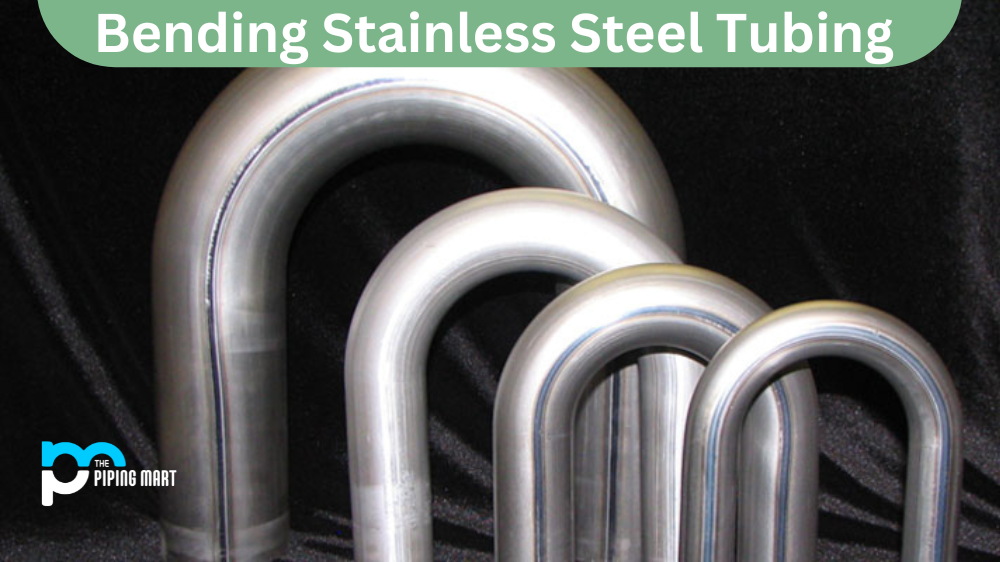
When using a manual bender, patience is your best friend. Don't try to force the entire bend in one go. Apply pressure in stages, gradually increasing the angle. Check your progress frequently. It's much easier to add a little more bend than it is to try and fix a sharp, unwanted kink. Imagine you’re trying to fold a piece of paper into a beautiful origami crane; you make each crease deliberately and precisely, rather than crumpling the whole thing at once.
What if I don't have a fancy pipe bender?
Okay, so maybe you’re staring at your pipe and your toolbox looks more like a collection of random kitchen utensils. Don’t despair! For very thin-walled tubing, you might be able to get away with a few other methods. One common trick is to fill the pipe with sand.
Here's the magic: you plug one end of the pipe securely (think tightly packed rags, strong tape, or even welding a temporary cap on if you're feeling adventurous). Then, you fill the pipe with fine, dry sand. Pack it down really well – the sand acts as an internal support, preventing the pipe from collapsing or kinking when you apply external force. Once it’s packed, plug the other end. Now, you can carefully bend the pipe over a sturdy, curved surface. A large tree trunk, a sturdy workbench corner, or even a large metal drum can work. You'll still need to apply significant force, and it’s definitely a more rustic method, but for those smaller, less demanding bends, it can do the trick.
Another trick, for really small radius bends on thinner tubes, is to use a spring bender. These are basically heavy-duty springs that you slide over the outside of the pipe. They provide some external support and help prevent kinking as you bend the pipe manually over a form or by hand. It’s like giving your pipe a supportive corset!
The Process: Step-by-Step to a Smoother Curve
Alright, let’s get down to brass tacks. Here’s a general approach:

- Measure and Mark: Decide exactly where you want your bend and what angle you need. Use a marker to make clear lines on your pipe. For complex curves, you might need to mark out several points.
- Prepare Your Pipe: If you’re using the sand-filling method, do that now. Ensure all your tools are ready.
- Position Your Pipe: Place your pipe in the bender according to the manufacturer's instructions. If you’re using a form, align your marked area with the curve you want to achieve.
- Apply Gradual Pressure: This is the golden rule. Slowly and steadily increase the pressure. If you’re using a lever, do it in small, controlled movements. Stop, assess, and then continue.
- Anticipate Springback: Remember that springback? You'll likely need to bend the pipe a bit past your desired angle to account for it. This is where experience comes in, but a good rule of thumb is to aim for about 5-10% more bend than you think you need.
- Check and Adjust: Once you've reached your target angle (or slightly past it), release the pressure. Check if the bend is what you wanted. If not, you might need to apply a bit more pressure, or in some cases, very carefully try to adjust it.
It’s important to note that extremely tight bends or bends on very thick stainless steel pipes might require more specialized equipment like a hydraulic pipe bender or even professional services. But for most of your fun, creative projects, a good manual bender or some clever DIY tricks will get you there.
Don't be afraid to practice on a scrap piece of pipe first. Think of it as a warm-up. You'll get a feel for how much force is needed and how much springback to expect. This practice will save you a lot of frustration and potentially save your project from an untimely, kinked end.
So go forth, embrace the shine, and start bending! You’ve got this. Happy creating!