
How To Bend Tube With A Pipe Bender
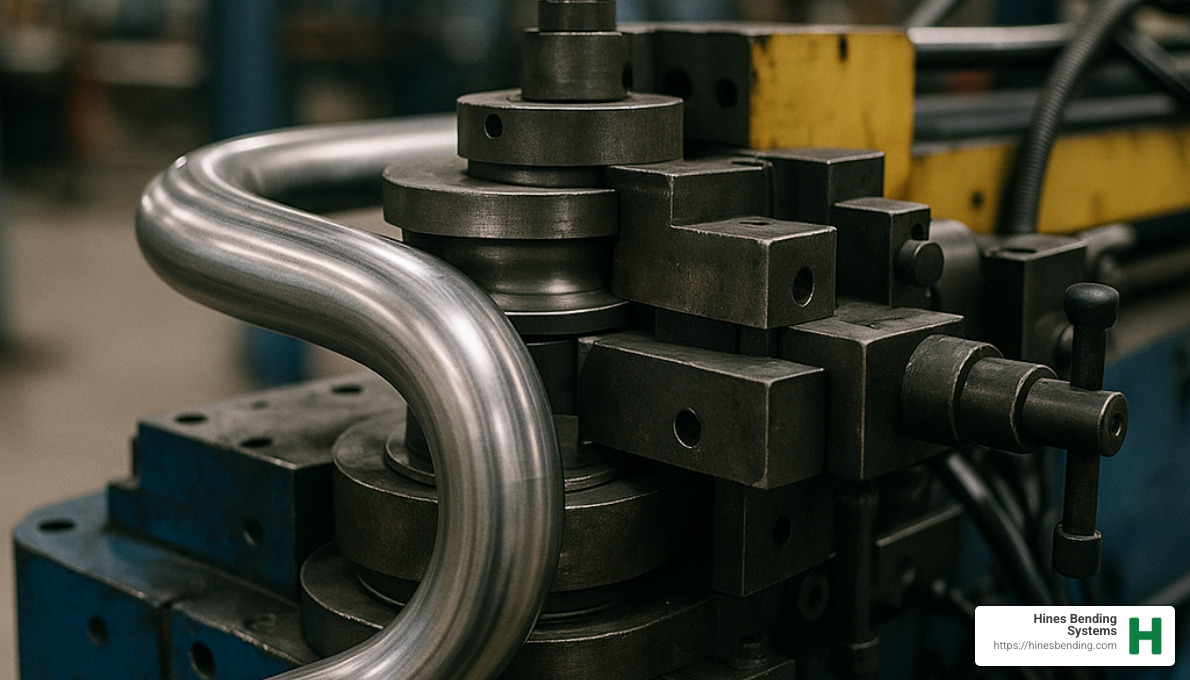
Ah, the humble pipe bender. That magnificent contraption of levers and dies, promising graceful curves and perfectly formed corners. It’s a tool that whispers of DIY mastery, of creating something beautiful and functional with your own two hands. And let’s be honest, for many of us, it’s also a glorious gateway to a world of slightly-less-than-perfect results and a good dose of bewildered amusement.
You see, there’s an art to bending tube. It’s not just about shoving metal into a machine and hoping for the best. Oh no. It’s a dance. A delicate, sometimes aggressive, tango with physics. And sometimes, physics just isn’t feeling the music.
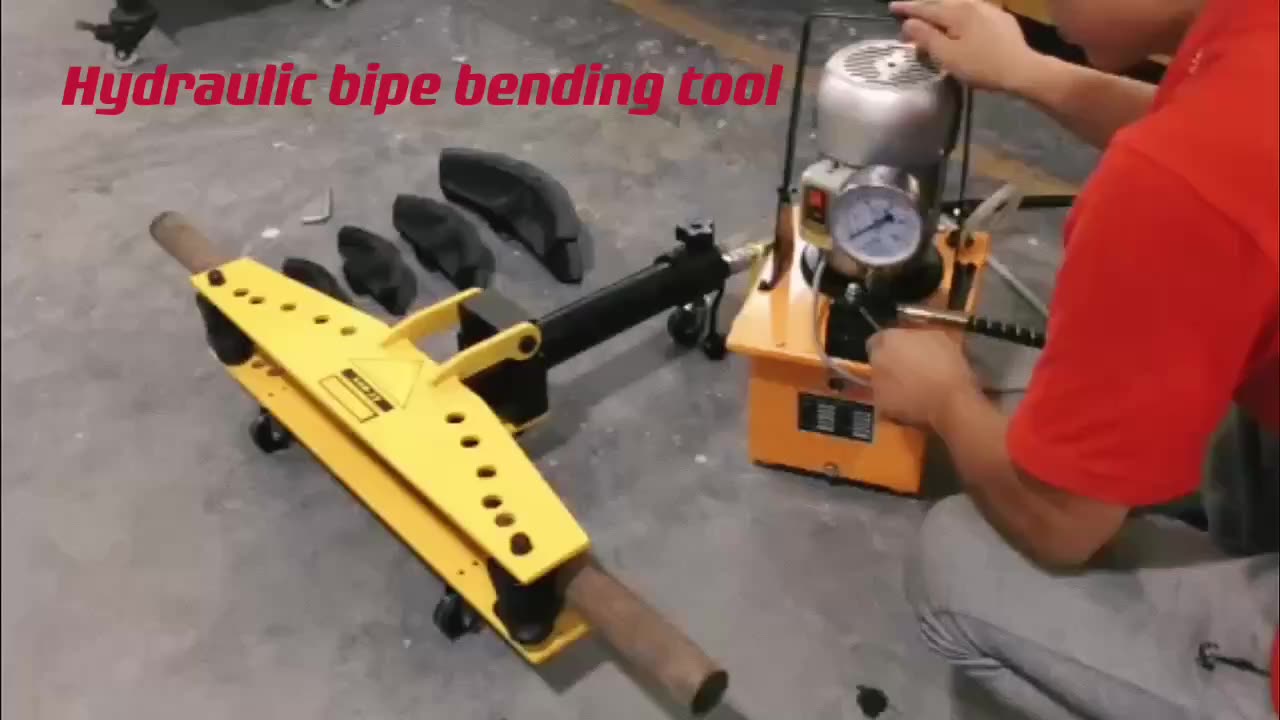
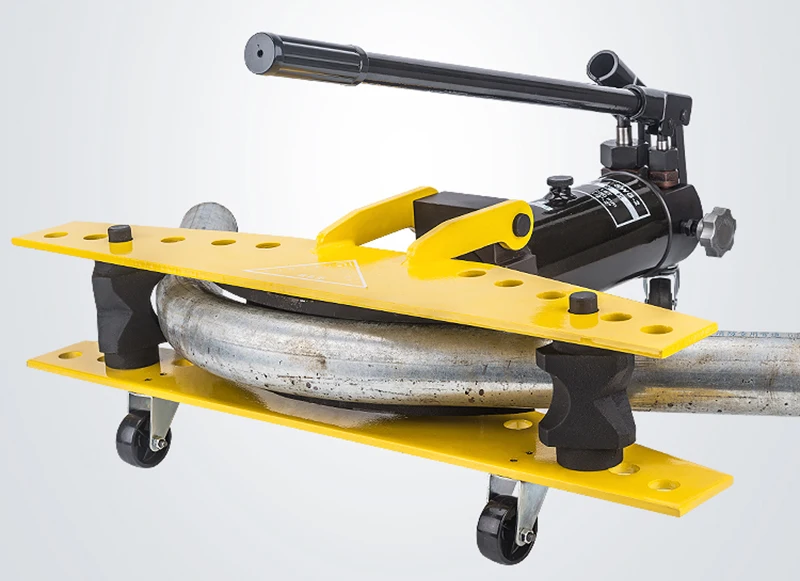
First things first, you’ve got your pipe bender. They come in all shapes and sizes. You might have a dainty little hand bender, perfect for smaller jobs and delicate maneuvers. Or maybe you’ve got a beast of a hydraulic bender, ready to tackle anything you throw at it. Whatever your weapon of choice, it’s important to remember it’s a tool, not a magic wand. Though, wouldn’t that be nice?
The tube itself. This is where the real fun begins. You’ve got your copper, your steel, your aluminum. Each with its own personality. Copper is generally pretty agreeable, bending with a pleasant sigh. Steel, well, steel is stubborn. It’s got opinions. Aluminum is a bit of a diva, prone to kinking if you so much as look at it funny.
Now, the crucial bits: the dies. These are the molds that dictate the shape of your bend. Think of them as the pipe bender’s fancy shoes. They come in different radii. A tight radius will give you a sharp, crisp bend. A larger radius will create a gentler, more sweeping curve. Choosing the right die is like picking the right outfit for a date. Get it wrong, and things can get… awkward.
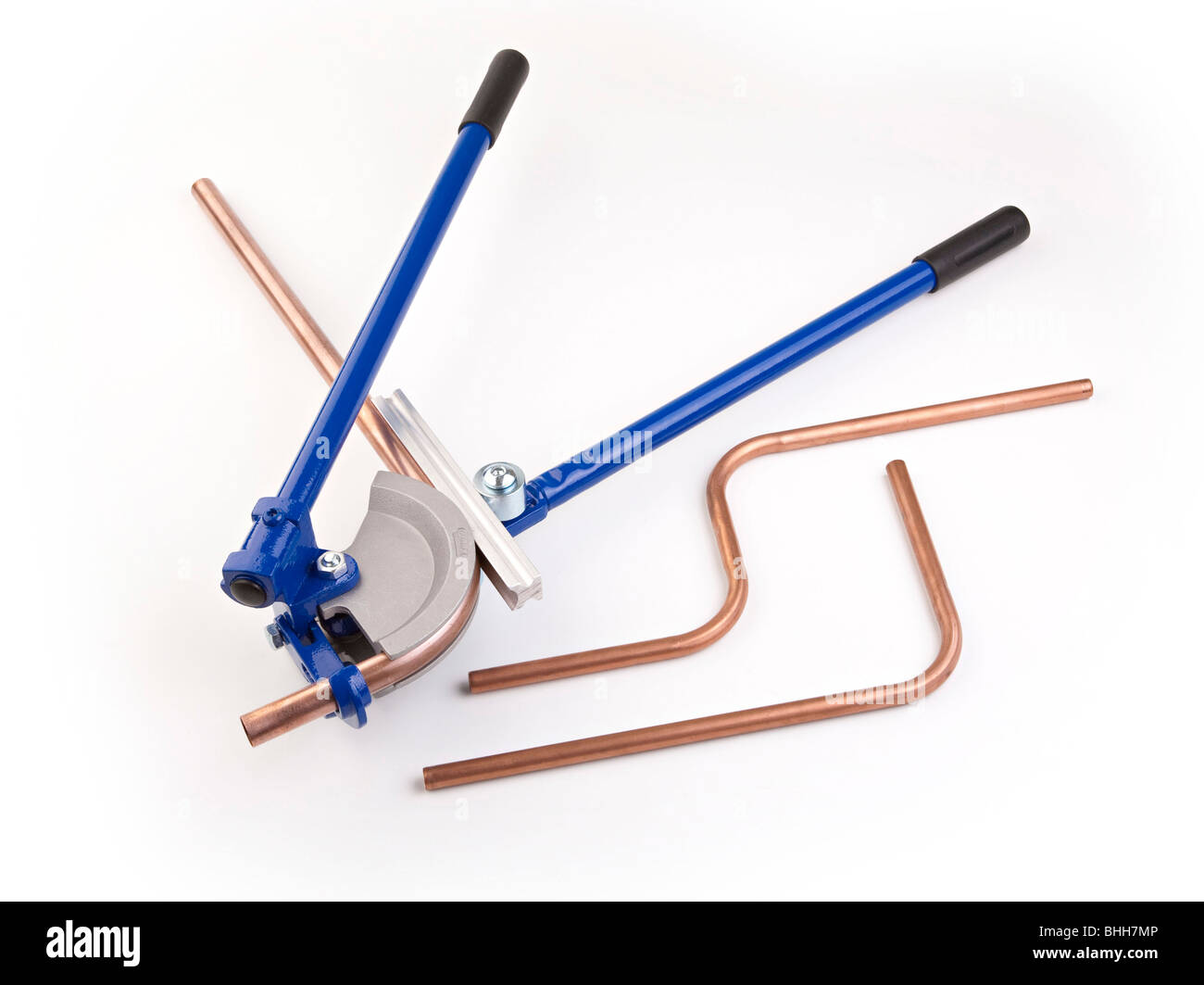
So, you’ve got your bender, your tube, and your chosen die. Time to assemble the troops. You’ll typically slide the tube into the bender, making sure it sits snugly against the die. Then, you lock it in place. This is like putting on your armor. You’re about to go into battle with metal.
The process of bending itself is where the magic, and the mild chaos, truly happens. You start applying pressure. Gently at first. You’re coaxing the tube, whispering sweet nothings of geometry. And then, you increase the pressure. You lean in. You might even grunt. This is where you start to feel the resistance. It’s a tangible thing, the will of the metal.
Sometimes, it bends exactly as you’d hoped. A glorious, perfect arc. You feel like a seasoned craftsman, a master of form. You might even do a little victory dance. This is the highlight reel. This is what the brochures promise.
But then, there are the other times. The times when the tube decides to go its own way. The times when you’re aiming for a graceful ninety-degree angle, and you end up with something that looks like a startled question mark. Or worse, a flat question mark. Kinking is the nemesis of the amateur tube bender. It’s the metal’s way of saying, "Nope, not today, pal."
You might get wrinkles on the inside of the bend. These look like little accordion pleats. They’re not pretty. They’re the pipe bender’s equivalent of a bad hair day. Sometimes, you can live with them. Sometimes, you have to start all over again, muttering under your breath about the inherent treachery of metal.
And the worst? When you’ve spent ages getting it almost right, only to realize you’ve bent it the wrong way. Then you have to decide: live with your mistake, or start over and risk making a different mistake. It’s a real Sophie's Choice for the DIYer.
There’s also the angle. Oh, the angle. You think you’re hitting that sweet spot, that perfect ninety. But when you measure? It’s an eighty-seven. Or a ninety-three. And the more you try to correct it, the more likely you are to introduce a whole new set of problems. It’s like trying to un-ring a bell. Impossible.
Then there’s the measuring. You’ve got your trusty tape measure. You’re marking your bend points with a pencil. And you swear you’re being precise. But when the bend is done, and you hold it up against your measurements? It’s off. Always off. Just a hair, mind you, but enough to make you question your sanity and the fundamental laws of arithmetic.

Some people swear by filling the tube with sand or salt before bending to prevent kinking. It’s a messy business, and frankly, a lot of extra work. Others use specialized mandrel benders, which use an internal insert to support the tube. These are the pros, the folks who get those showroom-perfect bends every time. For the rest of us, it’s a battle of wills.
But here’s my unpopular opinion: the imperfections are part of the charm. That slightly wonky bend? That subtle wrinkle? It’s a badge of honor. It’s proof that you, a mere mortal, wrestled with stubborn metal and came out… well, mostly victorious. It tells a story of effort, of learning, of a few colorful words uttered in the garage.
So, next time you’re faced with a pipe bender, embrace the absurdity. Laugh at your crooked bends. Admire your slightly-less-than-perfect curves. Because in the end, it’s not just about the finished product. It’s about the journey. And sometimes, that journey involves a few accidental abstract art pieces.