
How To Brace A Steel Post In Concrete
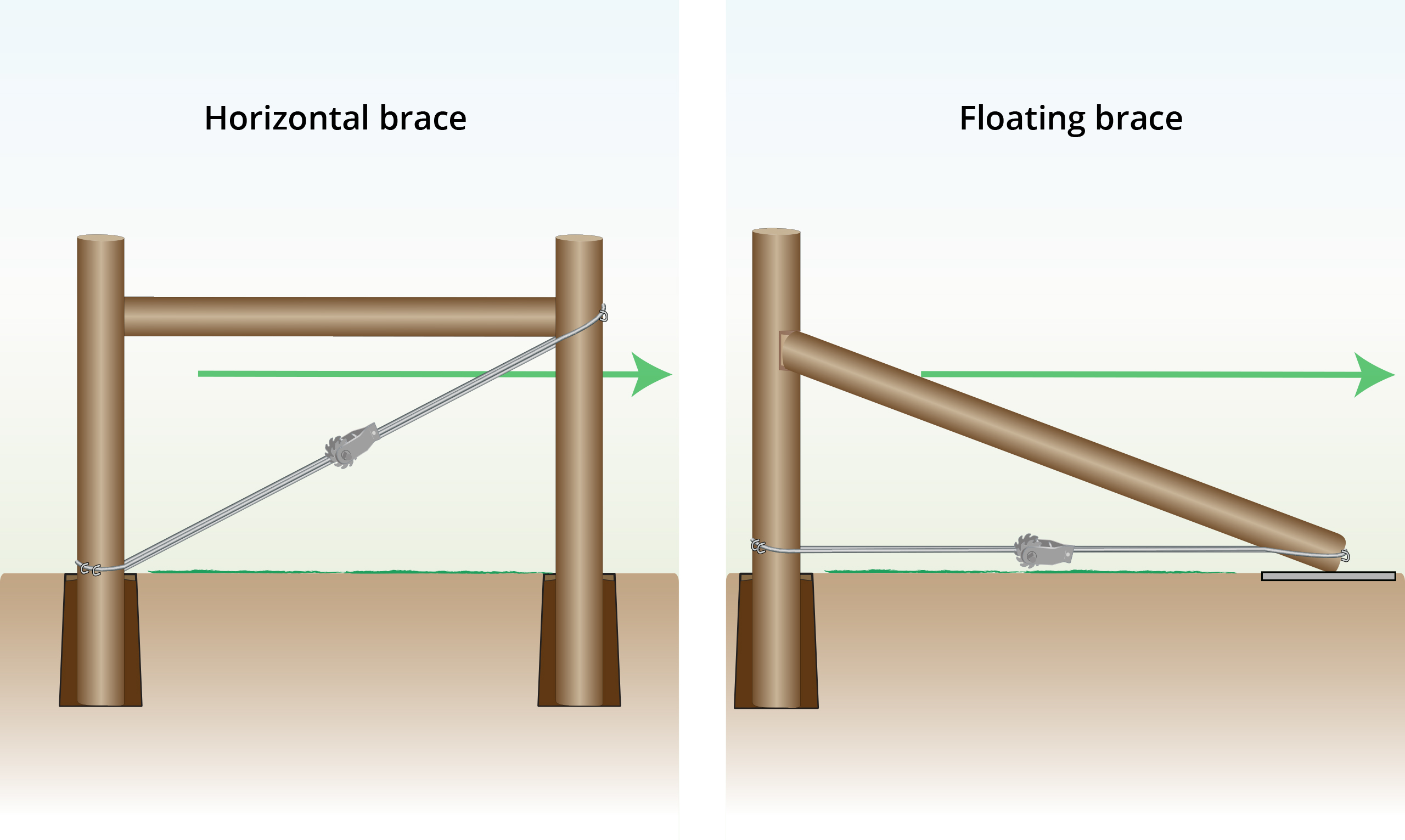
Hey there, friend! So, you're thinking about tackling a project that involves a sturdy steel post, huh? Maybe it's for a fence, a pergola, or even a fancy mailbox that screams "important business." Whatever it is, you've got this brilliant idea to set it in concrete. Smart move! But then comes the big question: how do you make sure that post doesn't wobble around like a jelly on a roller coaster? That's where bracing comes in. Think of it as giving your post a superhero cape and a trusty sidekick. Let's dive in, shall we?
Honestly, sometimes I think about all the things that need to be held up in this world. Fences, people's hopes and dreams, that one wobbly table at your favorite diner... the list goes on. And when it comes to those big, important steel posts, you want them to stand tall and proud, right? Like they've just won the lottery or something. Nobody wants a sad, leaning post. It’s a real downer.
So, you've got your post, and you've dug your hole. Good job! Now comes the fun part: the concrete. But wait! Before you go all-in with the cement mixer, we need to talk about the pre-concrete stage. This is where the magic happens, or rather, where the lack of magic happening – like a post doing the cha-cha in the wind – is prevented.
First things first, gather your materials. It sounds obvious, I know. But sometimes, I’m so excited about the digging and the concrete mixing (okay, maybe not that excited about mixing) that I forget the little things. You'll need some sturdy pieces of wood. Think scrap lumber, 2x4s, maybe even some old fence pickets if they’re still in good shape. Basically, anything strong enough to act as a temporary crutch for your post. You’ll also need some screws or nails, and maybe some rope or tie-downs. Safety first, but also, the post's safety!
Now, let's talk about the star of the show: the bracing. What are we actually bracing for? Well, gravity is a constant, and so is the wind. And sometimes, you might accidentally lean on it while admiring your handiwork. We need to prevent any unwanted movement while the concrete is curing. Curing is like the concrete's nap time; it needs to be undisturbed to get strong. If you bump it, jiggle it, or sing it a lullaby that’s too energetic, it might not set properly. And then you’re back to square one, with a wobbly post and a sigh.
The Basic Brace: Your Post's New Best Friend
Okay, so imagine your steel post is standing in its freshly dug hole. It's looking a bit lonely and vulnerable. This is where the simple A-frame brace comes in. It's your go-to, your reliable buddy. Think of it like a little easel for your post.
You'll take two pieces of wood. These are going to be your legs. The length depends on how tall your post is and how much you want to lean it. Generally, you want them to be long enough so that the angle isn't too steep. A steeper angle means more pressure. We're going for stability, not a physics experiment gone wrong.
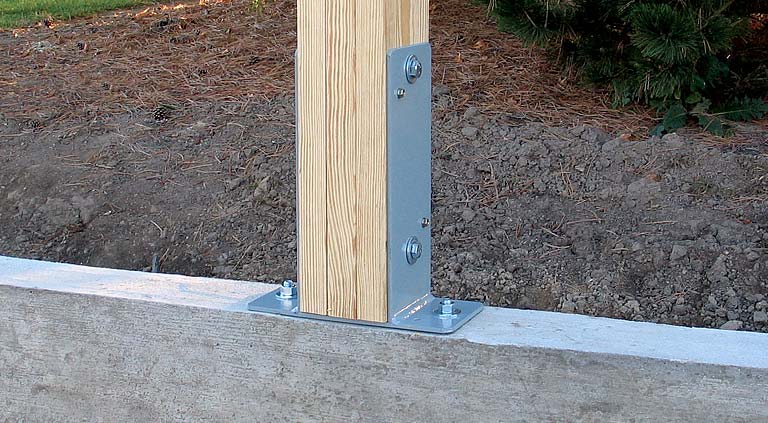
Now, the fun part is figuring out where to attach them to your post. You don't want to be drilling holes in your beautiful new post if you can help it, right? So, often, you'll just brace around it. You can create a little wooden collar near the top of the post. Or, if you're feeling fancy, you can use some strong U-bolts or clamps to attach the wood directly. Just make sure it's snug.
So, you've got your two wooden legs. You're going to lean them against your post, forming an 'A' shape. One leg goes one way, the other goes the opposite way. This is where the stability really kicks in. These legs will then rest on the ground, a little way out from the post hole. You want to make sure they're dug in a bit, so they don't just slide out when you’re not looking. Think of them as little anchors.
Then, you'll secure the legs together at the top, forming that 'A'. This is usually done with screws or nails. This creates a rigid structure. It’s like giving your post a hug that’s just the right amount of firm. Not too tight, not too loose. Just… supportive.
Why does this work? It's all about distributing the forces. The wind pushes on the post, and instead of the post just tipping, that force is spread out to the two bracing legs, and then into the ground. It’s like having two sturdy shoulders to lean on. Much better than trying to stand up all by yourself when you’re feeling a bit tipsy.
Making It Extra Secure: The Cross-Brace Trick
Sometimes, especially if you're dealing with a really tall post, or if you live in a place that's basically a wind tunnel (I'm looking at you, Kansas!), a simple A-frame might not feel quite enough. You want to give your post some extra confidence, you know? That’s where the cross-brace comes in.
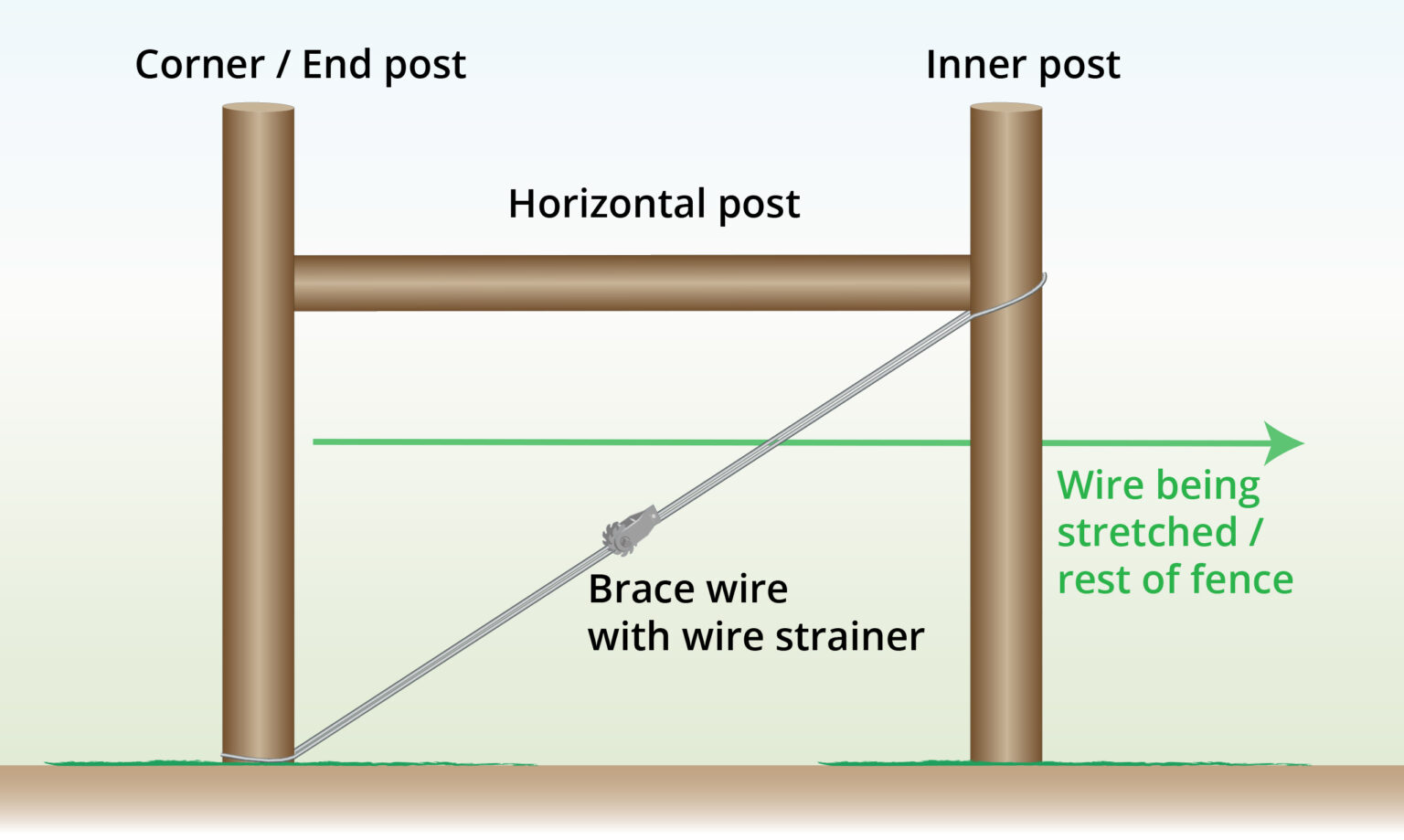
This is basically adding another piece of wood that connects the two legs of your A-frame, somewhere in the middle. Think of it like putting a little bar across the back of a chair. It stops the legs from splaying outwards. It adds rigidity. It makes the whole structure feel much more robust.
So, you've got your A-frame legs, and then you add a horizontal piece that connects them. Again, screws or nails will do the trick. This creates a much more solid triangle. Triangles, my friend, are strong! They're the building blocks of stability. Think bridges, think Ferris wheels… okay, maybe not Ferris wheels, but you get the idea.
This cross-brace is particularly useful because it prevents the entire bracing structure from collapsing inwards or outwards. It keeps everything tight and secure while your concrete is doing its thing. Imagine your post as a dancer on stage, and the braces are its supportive chorus line. You don't want anyone in the chorus line tripping!
The Concrete Pour: Brace Yourself!
Alright, so your post is standing tall (thanks to its new wooden friends), and you're ready to mix up that concrete. Now, here’s a crucial tip: don't overmix the concrete. Nobody wants a gritty, lumpy mess. Follow the instructions on the bag, and aim for a consistency that’s like thick oatmeal. Or maybe chunky peanut butter. Something that’s pourable but won’t just run away from you.
When you’re pouring, you want to do it in stages. Don't just dump the whole lot in at once. Fill the hole about a third of the way, then tamp it down. This is important! Tamping gets rid of any air pockets. Air pockets are the enemy of strong concrete. They’re like little voids of weakness. Use a piece of rebar, a stick, or even your foot (carefully!) to push down on the concrete. You'll see air bubbles rising to the surface. Keep tamping until you don't see many bubbles anymore.
Then, add more concrete, and tamp again. Repeat until the hole is full, or at least to the level you want it. Make sure to bring the concrete up around the base of the post, creating a slight slope away from the post. This helps with drainage, which is another little win for longevity.
Now, this is where your braces are really earning their keep. While you're tamping and smoothing the concrete, you'll want to make sure your braces are still holding the post perfectly straight. You might need to nudge them a bit. It’s like adjusting the frame on a picture after you’ve hung it. You want it just right.
A word of caution: don't get concrete on your nice wooden braces if you plan on reusing them. They're temporary, but nobody likes a messy workspace, right? You can protect them with plastic sheeting or just try to be careful. Or, embrace the rustic charm of concrete-splattered wood. It’s your project, your rules!
The Waiting Game: Patience, Grasshopper
Okay, the concrete is in. It looks beautiful. Your post is standing like a soldier at attention. Now what? Now, you wait. Don’t rush it. Concrete needs time to cure and gain its full strength. This usually takes about 24 to 48 hours before you can even think about removing the braces. But for full strength, it can take up to 28 days. Yes, almost a whole month! I know, it feels like forever when you’re excited to finish your project.
During this curing period, keep an eye on your braces. Make sure they’re still holding strong. If you notice any slipping or shifting, you might need to adjust them. The weather can also play a role. If it’s super hot and dry, the concrete might cure faster, but it can also crack. If it’s cold, it will cure slower. You can even lightly mist the concrete with water occasionally to help it cure evenly, especially in hot weather. Think of it as giving it a little drink.
Why the long wait? It’s all about the chemical reaction happening within the concrete. The water mixes with the cement, creating a paste that hardens over time. This process is called hydration, and it's what gives concrete its strength. It’s like a slow-motion magic trick. The longer it has to work, the stronger the bond will be.
Removing the Braces: The Grand Finale!
The day finally arrives! You’ve waited patiently. You’ve checked your post a million times. It’s solid. It’s not going anywhere. It’s time to remove the braces. This is the moment of truth!
Carefully unscrew or un-nail your braces. Gently pull them away from the post. If you’ve done a good job, the post should stand firm, all on its own, like it’s finally ready to face the world without its crutches. It’s a proud moment, really. You might even want to give it a little pat.
If, by some chance, the post still feels a bit shaky, don't panic. Sometimes, it just needs a little more time. Or, you might need to add a bit more concrete around the base. But hopefully, with good bracing, that won't be the case.
And there you have it! Your steel post is now firmly rooted in concrete, ready to stand guard, hold up your dreams, or whatever other important job you’ve assigned it. It’s a satisfying feeling, isn’t it? Knowing you’ve done it right, and that this post will be standing there for years to come, a testament to your DIY prowess.
So, next time you see a sturdy fence or a perfectly plumb mailbox, you'll know the secret. It’s not just good concrete; it’s the unsung heroes: the temporary braces. They might not get all the glory, but without them, that post would be doing a very sad, wobbly dance in the breeze. Cheers to strong posts and even stronger bracing!