
How To Clean Off Rust From Stainless Steel
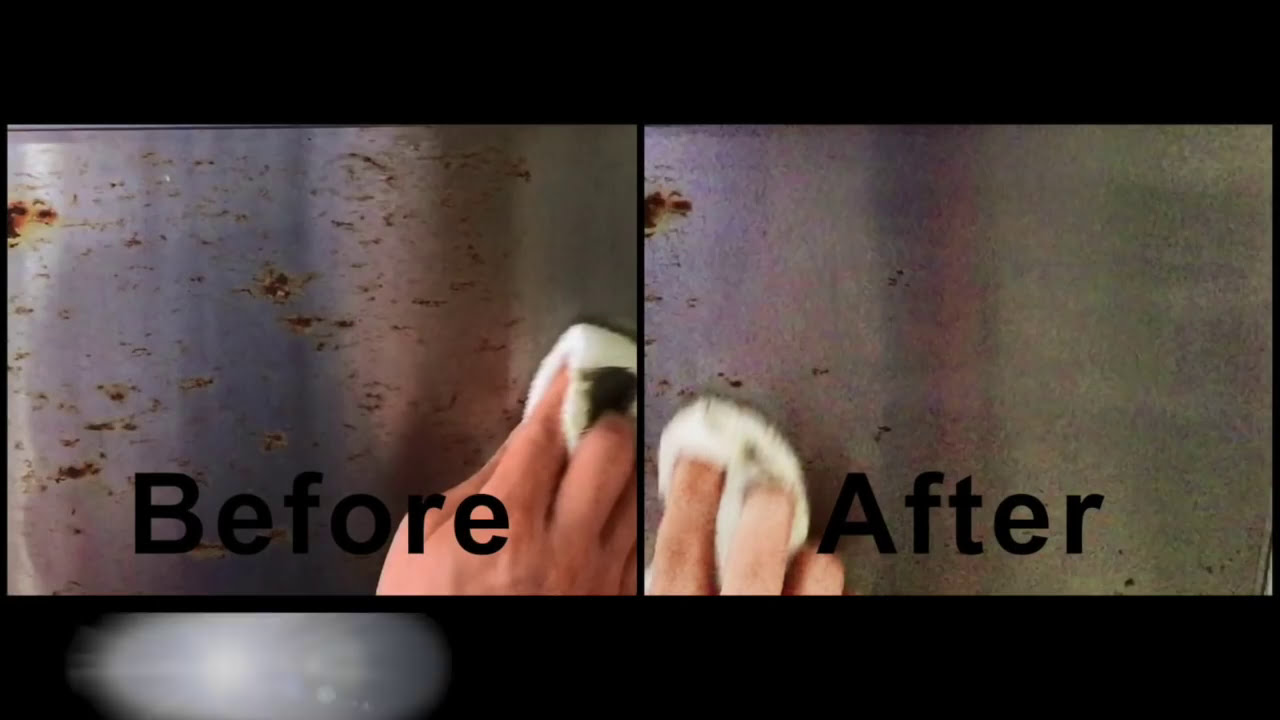
There was a time, not too long ago, when I discovered a tiny, almost shameful little patch of orange on my otherwise pristine stainless steel kettle. My heart sank. Stainless steel! The king of non-staining, non-rusting kitchenware! How could this happen? I’d always prided myself on my meticulous care of my appliances. It felt like a personal betrayal. Was it a cheap knock-off? Had I accidentally used the wrong kind of sponge? The existential dread was real, people.
Turns out, it wasn't the apocalypse of my kitchen aesthetics. It was just… rust. And it happens more often than you’d think, even with the fancy stainless steel. So, if you’ve ever found yourself staring down a rust spot on your favorite pan or that super-cool utensil holder and felt a flicker of panic, breathe easy. We’re going to tackle this together. Think of me as your friendly neighborhood rust-buster. We’ll get that shiny goodness back. It's not as scary as it looks, I promise! Maybe a little annoying, but definitely not world-ending.
The Great Stainless Steel Rust Mystery (Solved!)
Okay, so first things first: why does stainless steel rust? It's a fair question. The name itself is practically a promise of rust-freeness, right? Well, the "stainless" part isn't a magical force field. It refers to the fact that stainless steel contains a significant amount of chromium, which forms a thin, invisible layer of chromium oxide on the surface. This layer is what protects the steel from corrosion.
But here's the rub: this protective layer can be damaged. Think of it like a tiny invisible shield. If that shield gets scratched, or if certain corrosive agents come into contact with it for too long, the steel underneath can be exposed. And when that exposed steel encounters oxygen and moisture, well, hello rust!
So, what can cause these pesky breaches? A few things come to mind:
- Contact with regular steel: Ever used a steel wool pad (the cheap, regular kind) on your stainless steel? Yeah, that’s a big no-no. Tiny particles of regular steel can transfer onto your stainless steel and then rust, leaving those orange marks. It’s like a metallic parasite!
- Leaving salty or acidic foods for too long: Think about that leftover tomato sauce that sat in a pot overnight, or that salty brine from pickles. If left in contact with stainless steel for extended periods, the acids and salts can start to eat away at that protective layer.
- Hard water deposits: If you live in an area with hard water, those mineral deposits can sometimes trap moisture and create a breeding ground for rust.
- Scratches and abrasions: As I mentioned, any damage to the surface can compromise the protective layer.
- Harsh cleaning chemicals: Believe it or not, some aggressive cleaning agents can actually do more harm than good.
It’s a bit like a tiny, invisible war zone happening on your kitchen counter. But the good news is, we have weapons! And thankfully, they’re usually things you’ve already got lurking in your pantry or bathroom. No need for a hazmat suit, thankfully.
Your Rust-Busting Arsenal: Gentle Giants and Kitchen Staples
Now that we’ve demystified the "how," let's get to the "what to do." The key to cleaning rust off stainless steel is to be gentle but effective. You don't want to scrub so hard that you create more damage. Think of it as a spa day for your stainless steel. A tough spa day, but a spa day nonetheless.
Method 1: The Baking Soda Buff (Your Go-To for Mild Cases)
This is probably the most common and arguably the easiest method. Baking soda is a mild abrasive, meaning it can scrub away the rust without scratching the surface. Plus, it’s cheap and readily available. You probably have some in your pantry right now. Go ahead, check. I’ll wait.
Here's what you need:
- Baking soda
- Water
- A soft cloth or sponge
And here's how you do it:
1. Make a paste: Mix baking soda with a little bit of water until you form a thick paste. It should be like toothpaste consistency – not too runny, not too stiff. Think of it as your homemade stainless steel mud mask.
2. Apply the paste: Gently spread the paste over the rusted areas. You don't need a ton, just enough to cover the spots.
3. Let it sit (briefly!): Allow the paste to sit for about 15-30 minutes. This gives the baking soda a chance to work its magic.
4. Gently scrub: Using your soft cloth or sponge (I highly recommend a microfiber cloth for this, they’re less likely to cause scratches), gently rub the paste in the direction of the steel's grain. Always rub with the grain. You’ll notice a dull, gritty texture as you rub. That’s the rust coming off. Don't go crazy with the pressure here; let the paste do the work.
5. Rinse and dry: Once the rust is gone, rinse the area thoroughly with clean water. Then, and this is crucial, dry the stainless steel completely with a soft, dry cloth. Leaving it wet can encourage new rust spots. We're trying to prevent, not perpetuate!
This method is fantastic for those faint orange freckles. If you've got some really stubborn rust, you might need to repeat this process a couple of times. Don't be afraid to be a little persistent!

Method 2: Vinegar’s Victory (For Slightly More Stubborn Spots)
White vinegar is another superhero in the cleaning world, and it's particularly good at tackling rust on stainless steel. Its acidity helps to break down the rust. Again, it’s something you likely have in your kitchen, probably next to that baking soda.
You’ll need:
- White vinegar
- A soft cloth or sponge
- Water
And the battle plan:
1. Soak the cloth: Dip your soft cloth or sponge into white vinegar. You want it damp, not dripping wet.
2. Apply and let it sit: Gently rub the vinegar-soaked cloth over the rusted areas. For slightly tougher spots, you can leave the damp cloth on the rust for about 30 minutes to an hour. This allows the vinegar to really work on dissolving the rust.
3. Scrub gently: After the sitting period, use the cloth (or a fresh one) to gently scrub the rusted area. Again, always follow the grain of the stainless steel. You should see the rust starting to lift away.
4. Rinse and dry: Rinse the area thoroughly with water to remove all traces of vinegar. Then, dry it completely with a soft, clean cloth. You don't want to leave any vinegar residue, as it’s acidic and could potentially cause issues if left on for too long.

Vinegar can sometimes leave a slight smell, but it dissipates quickly. Just a little price to pay for rust-free glory!
Method 3: The Cream of Tartar Comeback (A Less Common, But Effective Option)
Cream of tartar, that powdery stuff you might use for baking, is another acid-based cleaner that can be effective. It's a bit more niche, but if you happen to have it, it’s worth a shot.
What you’ll need:
- Cream of tartar
- Water
- A soft cloth or sponge
How to deploy it:
1. Create a paste: Mix cream of tartar with a small amount of water to form a paste, similar to the baking soda method.
2. Apply and rub: Apply the paste to the rust spots and gently rub with your soft cloth, following the grain of the steel.
3. Rinse and dry: Rinse thoroughly and dry completely with a soft cloth.
This one is often effective for those stubborn, slightly darker rust marks.
Method 4: Commercial Stainless Steel Cleaners (Use with Caution!)
Okay, confession time. While I love a good DIY solution, there are also dedicated stainless steel cleaners out there. If you're dealing with particularly tenacious rust, or if you just prefer a product designed for the job, these can be an option. However, and this is a big "however," you must read the labels carefully. Make sure the product is specifically designed for stainless steel and is safe for removing rust. Some aggressive cleaners can actually damage the finish. Always test in an inconspicuous area first.
Follow the product’s instructions to the letter. And as always, rinse thoroughly and dry completely. Don't skip the drying part; it's your best friend in the fight against future rust.
Prevention is Key: How to Keep the Rust Away
Cleaning rust is one thing, but preventing it from coming back is where the real victory lies. It’s all about good habits. Think of it as a long-term relationship with your stainless steel. You gotta treat it right.
Here are some tips to keep your stainless steel sparkling:
- Dry immediately: After washing, always dry your stainless steel items with a soft cloth. Don't let them air dry, especially if you have hard water.
- Avoid abrasive scrubbers: Put away the steel wool (unless it's specifically designed for stainless steel, but even then, be cautious). Opt for soft cloths, sponges, or nylon scrubbers.
- Clean with the grain: When washing or wiping down your stainless steel, always go in the direction of the brushed lines. This helps prevent micro-scratches that can lead to rust.
- Don’t let food sit: Clean up spills and food residue promptly, especially acidic or salty ones. A quick rinse and wipe down is all it takes.
- Rinse well: Make sure all soap and cleaning residue is rinsed off.
- Consider a stainless steel polish: Once clean, a good stainless steel polish can add a protective layer and make future cleaning easier.
It might sound like a lot, but honestly, most of these are just good kitchen hygiene practices anyway. A few extra seconds to dry something can save you a whole lot of scrubbing later.
A Final Word of Encouragement
So, there you have it. Your guide to conquering the dreaded stainless steel rust. It’s not a monster; it’s just a little hitch that can happen. With a few simple ingredients and a bit of gentle elbow grease, you can restore your stainless steel to its former gleaming glory. And hey, if you ever need to brag about your rust-busting skills, you’ve got the knowledge now. Go forth and shine!