
How To Clean Rust From Stainless Steel Sink
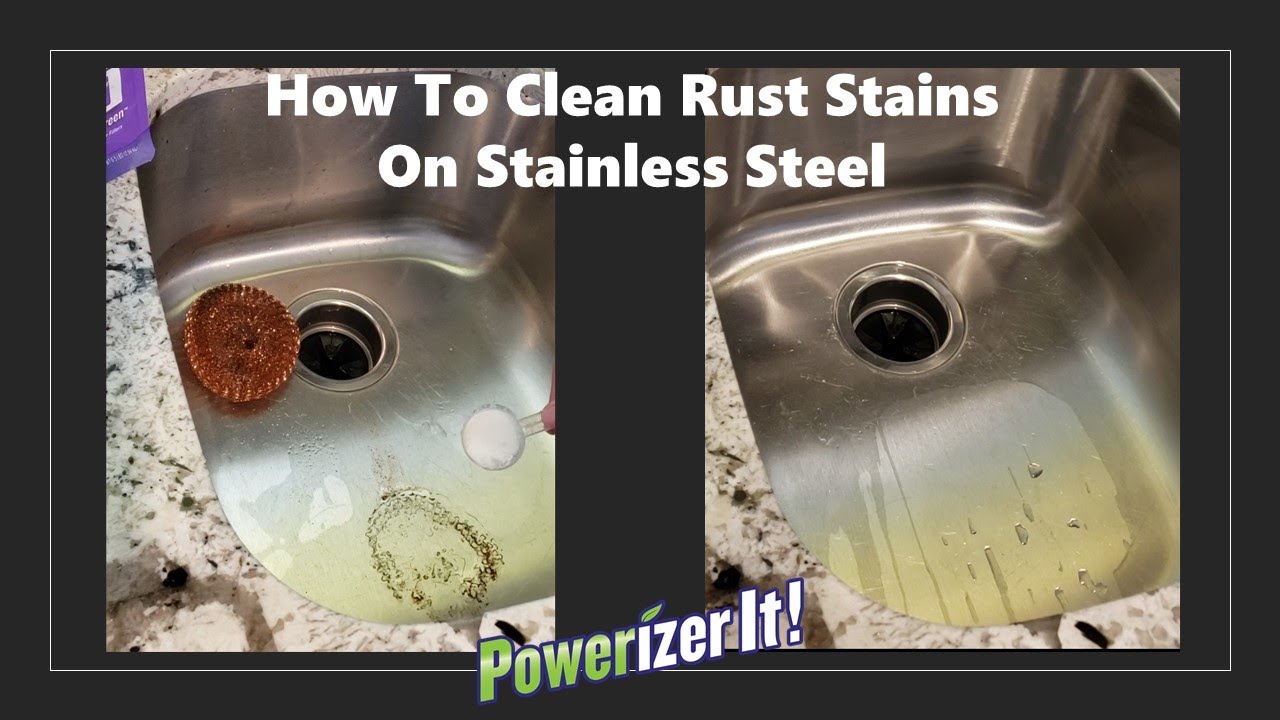
Hey there, fellow kitchen warrior! So, your shiny, happy stainless steel sink has decided to throw a little tantrum, huh? Yep, we’re talking about those unsightly, oh-so-annoying rust spots. It’s like a tiny, metal rebellion happening right there, making your otherwise pristine sink look a little… sad. But don't you worry your pretty little head about it! Cleaning rust from stainless steel is totally doable, and we're going to tackle this like the domestic divas we are.
Honestly, who hasn't encountered this little kitchen drama? You’re whipping up a masterpiece, or maybe just a really enthusiastic cheese sandwich, and then BAM! You spot it. A little orange-brown splotch. My first thought is always, "Did I leave a can of beans in here overnight? Did a rogue paperclip stage a protest?" The possibilities are endless, and usually, none of them are good. But it's usually just something simple, I promise!
So, grab your favorite apron (mine has a unicorn on it, naturally) and let's get down to business. We're going to banish those rust bunnies and get your sink sparkling again. Think of this as a spa day for your sink. A very, very affordable spa day.
Why Does My Stainless Steel Sink Even Get Rust?
Okay, before we dive into the nitty-gritty of rust removal, let's have a quick heart-to-heart about why this happens. It's not like stainless steel is supposed to rust, right? Well, turns out, stainless steel is more like "stainless-ish." It’s got chromium in it, which forms a protective layer. Think of it as a superhero cape for your sink. But, sometimes, that cape gets a little ripped.
What can cause these little superhero cape malfunctions?:
- Leaving wet, metallic things on the surface: Yep, those cast iron pans or even those little metal scrubbies you use? If they sit there, especially with moisture, they can transfer rust particles. It’s like they’re leaving little metallic love notes of iron oxide.
- Harsh cleaning chemicals: Some cleaners can be a bit too aggressive. They might strip away that protective chromium layer, leaving the metal vulnerable. So, be careful what potions you’re brewing in your sink area.
- Hard water deposits: If you’ve got particularly mineral-rich water, those deposits can sometimes trap iron particles, leading to rust spots. It’s like the water is saying, "Here, have some iron!"
- Scratches and abrasions: When you scratch your sink, you're basically creating tiny little openings in that protective shield. And you know what loves to sneak into openings? Rust.
So, it's not usually the sink itself being "bad," but more about the environment and what you're doing with it. Little things, but they can add up! Don't beat yourself up about it. We’ve all been there.
The Gentle Approach: Baking Soda and Water
Alright, my first line of defense, and often the most effective for minor rust, is the humble baking soda. Seriously, this stuff is a kitchen cleaning miracle worker. It’s like the Swiss Army knife of household chores. You can bake with it, you can clean with it… what can't it do? Probably not much!
Here’s what you’ll need:
- Baking soda. Duh.
- Water. The other essential ingredient.
- A soft cloth or sponge. No steel wool here, folks! We’re gentle warriors.
So, how do we do this? It’s ridiculously easy:

First, you’re going to make a paste. Just mix some baking soda with a little bit of water. You want it to be like thick pancake batter, not watery soup. You want it to stick!
Then, take your soft cloth or sponge and dip it into the paste. Gently rub the paste onto the rust spots. Don’t go at it like you’re trying to scrub graffiti off a wall. We’re talking a gentle rub, a little circular motion. Let the baking soda do its magic. It’s a mild abrasive, so it helps lift the rust without scratching your sink. Pretty neat, right?
Let it sit for a few minutes. Give it some time to work its charm. Maybe hum your favorite tune or check your phone for memes. Whatever makes you happy while the baking soda gets to work.
After a few minutes, rinse thoroughly with water and wipe the sink dry. Take a look. Are the rust spots gone? If yes, yay! Celebrate with a cookie. If not, don’t despair! We have backup.
When Baking Soda Needs a Buddy: Lemon Juice or Vinegar
Sometimes, baking soda needs a little acidic friend to really get the job done. Enter lemon juice or white vinegar. These are your acidic sidekicks, ready to tackle those stubborn rust stains. They’re like the dynamic duo of rust busting!
You can use either of these:
- Lemon Juice: Natural, smells great, and has a good amount of citric acid.
- White Vinegar: Cheap, readily available, and a powerhouse of acidity.
So, how do we employ these acidic allies?:
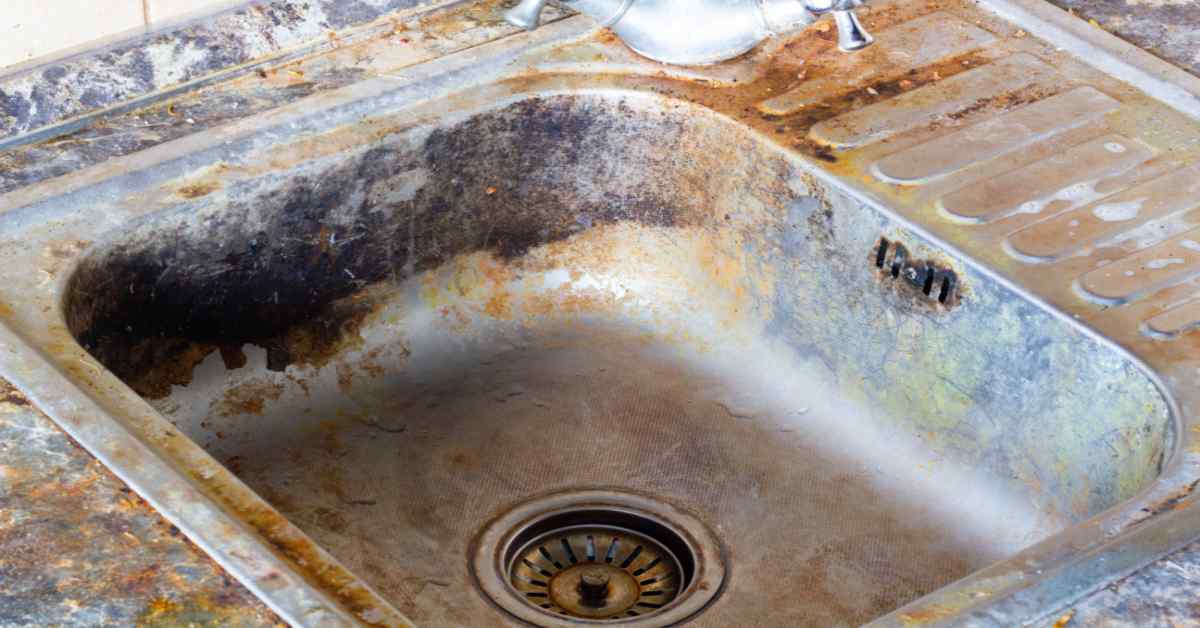
You can either add a splash of lemon juice or vinegar to your baking soda paste. So, make your paste, and then stir in a little bit of your chosen liquid. It might fizz a bit. That’s the chemical reaction happening. It’s science, baby!
Alternatively, you can soak a paper towel in lemon juice or vinegar and lay it directly over the rust spots. This is a great method if the rust is a bit more stubborn. Let it sit there, like a little rust-fighting facial mask for your sink, for about 15-30 minutes. The acid will work on breaking down the rust.
After soaking, remove the paper towel and scrub gently with your soft cloth or sponge. Rinse thoroughly and dry. You should see a significant improvement, or even complete removal, of the rust. It’s amazing what a little acid can do, right?
Just a word of caution: while lemon juice and vinegar are generally safe for stainless steel, don’t leave them on for hours and hours, especially in concentrated forms. We don't want to etch the surface. Think of it as a quick, targeted treatment, not a prolonged acid bath.
The "Oh Crap, It's Really Bad" Options
Okay, so maybe your sink has seen better days. Maybe a whole family of rust bunnies has decided to set up permanent residence. In these cases, we might need to bring out the big guns. But don't panic! We’re still keeping it relatively mild. We’re not calling in the hazmat suits yet.
Option 1: Cream of Tartar Paste
This is another one of those kitchen pantry superstars. Cream of tartar is a powdered acid that’s great for cleaning. It’s a bit more potent than baking soda on its own, but still pretty gentle.
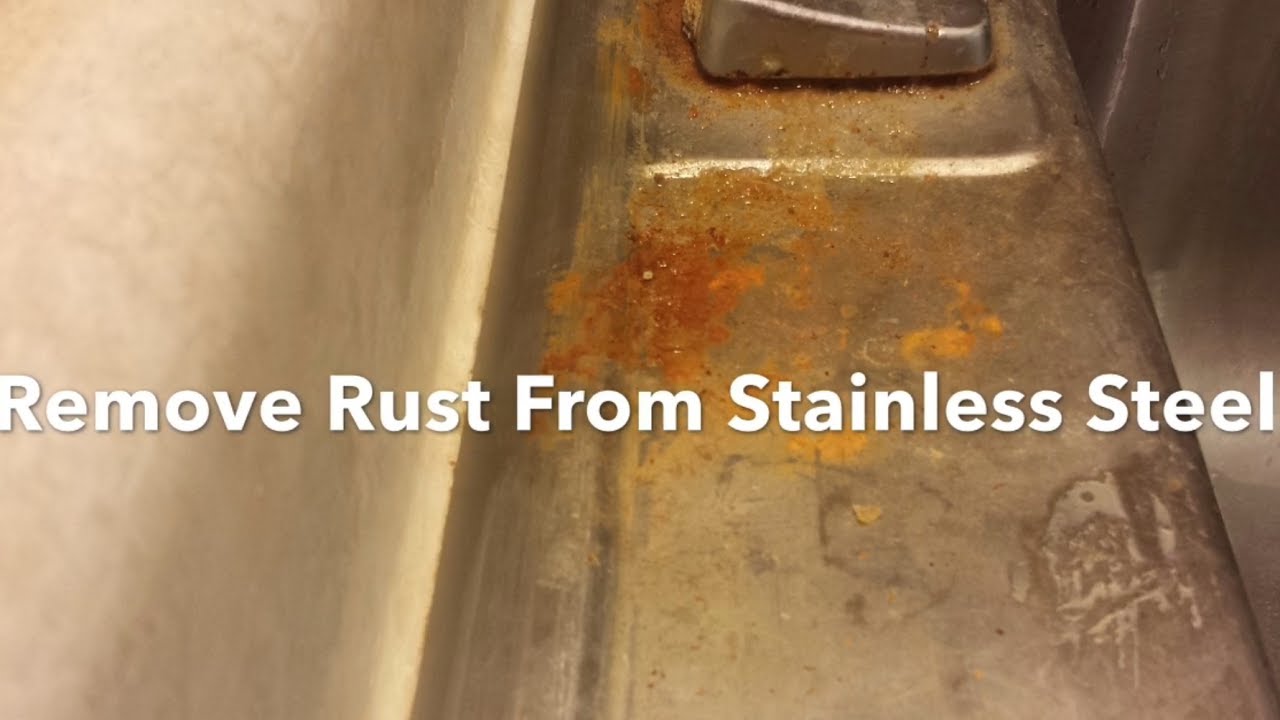
What you’ll need:
- Cream of tartar.
- Water.
- A soft cloth or sponge.
How to use it:
Similar to the baking soda paste, mix cream of tartar with a little water to form a paste. Apply this paste to the rust spots and let it sit for about 15-20 minutes. Then, gently scrub with your cloth and rinse. This can be a real lifesaver for those tougher stains.
Option 2: Bar Keepers Friend (The Holy Grail for Some!)
Ah, Bar Keepers Friend. This stuff is like a legend in the cleaning world. It’s a powdered cleanser that contains oxalic acid, which is fantastic at removing rust and other tough stains. It’s a bit more aggressive than the home remedies, so you need to use it with a little more respect. Think of it as your secret weapon for when all else fails.
What you’ll need:
- Bar Keepers Friend (powdered version is usually best for this).
- Water.
- A soft cloth or sponge.
How to use it:
Wet the area you want to clean. Sprinkle a small amount of Bar Keepers Friend onto the wet surface. It will start to form a paste. Gently rub the paste into the rust spot with your soft cloth. Don't scrub aggressively. Let it sit for a minute or two, no longer, especially if it’s your first time using it. You don't want to overdo it!
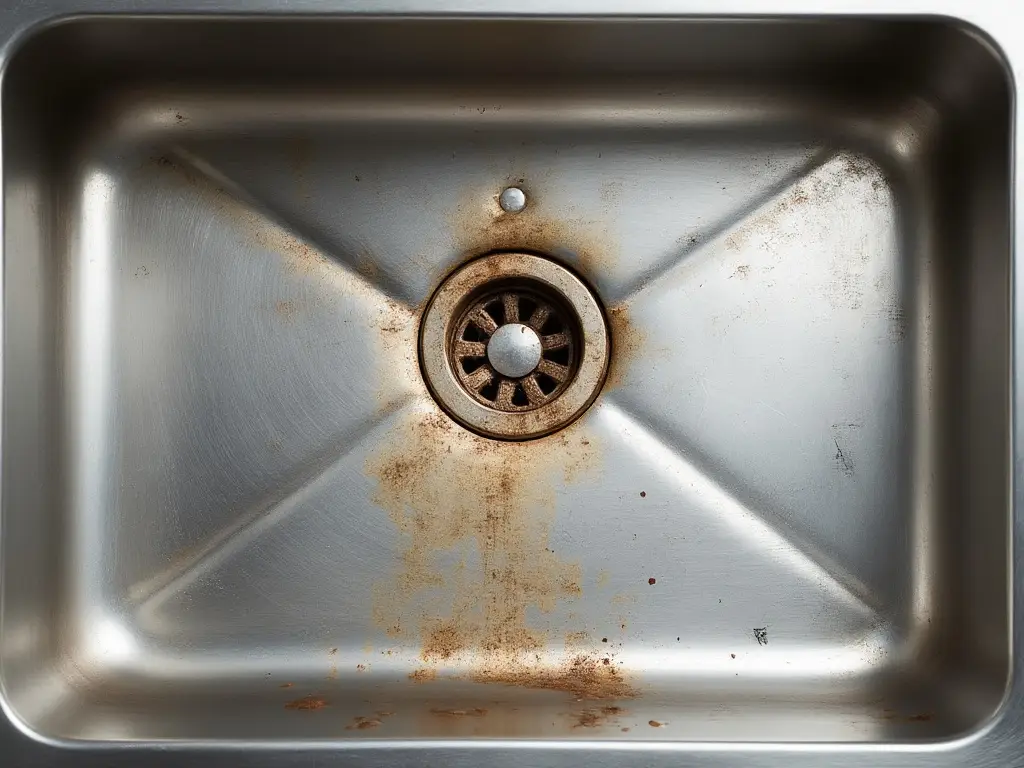
Rinse thoroughly immediately. Like, really rinse. And then wipe dry. You’ll be amazed at how quickly it works. But again, a little goes a long way, and it's important to rinse it off promptly.
I’ve seen people achieve miracles with Bar Keepers Friend. It’s like magic in a can. Or, well, a jug. But seriously, use it as directed and be mindful. We want a clean sink, not a stripped sink.
The "What NOT To Do" Section (Very Important!)
Okay, let's talk about the things you absolutely, positively, under no circumstances, should do when cleaning rust from your stainless steel sink. These are the anti-tips, the things that will make your problem worse.
- DO NOT use steel wool or harsh abrasive scrubbers. I cannot stress this enough! Steel wool is like bringing a chainsaw to a delicate surgery. It will scratch your stainless steel, and those scratches are prime real estate for more rust to set in. You’ll create a vicious cycle, and nobody wants that.
- DO NOT use bleach. Bleach can react with stainless steel and actually cause pitting and discoloration. It’s like telling your stainless steel sink to take a very harsh chemical bath. It’s not a good look.
- DO NOT leave cleaning solutions on for too long. We talked about this with vinegar and Bar Keepers Friend. Even the gentle stuff, if left indefinitely, can cause issues. Short, effective cleaning times are key.
- DO NOT leave wet sponges or cloths sitting in the sink. This is a rust breeding ground! Wring them out and store them elsewhere.
Think of your stainless steel sink like a slightly sensitive diva. It wants to be clean and shiny, but it doesn’t appreciate being mistreated. Treat it with a little respect, and it will sparkle for you!
Keeping Your Sink Rust-Free
Now that you’ve conquered the rust monster, let’s talk about keeping it at bay. Prevention is always better than a cure, right? Especially when the cure involves scrubbing!
- Dry your sink regularly. This is the easiest and most effective thing you can do. After you’re done washing up, give your sink a quick wipe down with a microfiber cloth. It takes seconds and makes a huge difference. Think of it as tucking your sink into bed for the night, nice and dry.
- Don't leave wet metal items in the sink. Yep, those cast iron pans? Take them out after you’re done. Those tin cans? Recycle them. Even little things like drain stoppers or utensils can be a culprit.
- Use a sink mat or grid. These protect the bottom of your sink from scratches and also create a barrier between wet items and the sink surface. It's like a little padded playground for your dishes.
- Rinse away food particles immediately. Don’t let bits of food sit and stew. They can contribute to staining and even attract rust. A quick rinse is all it takes.
- Be mindful of your cleaning products. Stick to mild dish soap and water for everyday cleaning. If you need something stronger, use the gentle methods we discussed. Avoid those super-harsh industrial cleaners unless absolutely necessary.
It’s all about creating good habits. Little by little, and your sink will thank you for it. No more little orange unwelcome guests!
So there you have it! A comprehensive, coffee-chat-style guide to kicking rust to the curb from your stainless steel sink. Remember, patience and the right approach are key. You’ve got this! Now go forth and make your sink shine like the crown jewel it is. Happy cleaning!