
How To Clean Rust Spots Off Stainless Steel
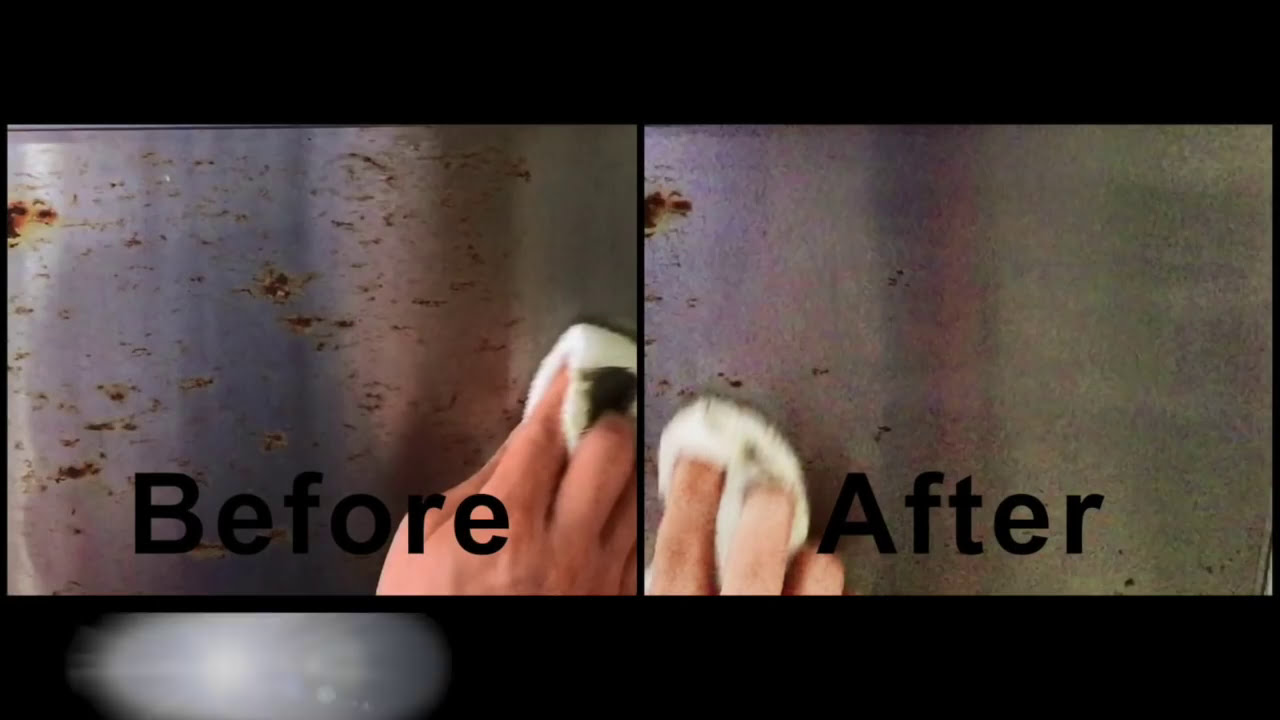
Ah, stainless steel. That shiny, supposed-to-be-forever material that graces our kitchens. We love it for its sleek look and its promise of easy cleaning. But then, like a rude houseguest, rust spots show up.
Who invited them? Not me! It’s like a tiny, orange rebellion on your otherwise pristine pots and pans. It can feel like a personal attack on your clean-freak tendencies.
But before you throw your favorite spatula out the window in a fit of rage, take a deep breath. We can win this battle. And you know what? My secret weapon is probably already in your pantry.
The Mystery of the Marauding Rust
Let’s be honest, stainless steel isn’t actually stainless. It’s more like… mostly stain-resistant. Little specks of iron can find their way onto its surface. Maybe from a stray steel wool pad, or a can left too long.
Then, if it gets a little wet and lonely, poof! Tiny orange invaders appear. It’s an inconvenient truth, isn’t it? But we can conquer these invaders.
Your Pantry’s Secret Agents
Forget those fancy, expensive cleaners that promise miracles. They often just smell weird and cost a fortune. We're going for the tried-and-true, the everyday heroes of the kitchen.
My absolute favorite for battling these orange fiends is none other than good old baking soda. Yes, the stuff you bake cookies with! Who knew it had such a secret life?
It's gentle enough not to scratch your precious steel, but has just enough grit to do some serious work. It’s the unassuming ninja of cleaning supplies.
Another unsung hero? Vinegar. Specifically, white vinegar. That tangy stuff you might use for salad dressing or to revive tired produce.
Together, baking soda and vinegar are a dynamic duo. They’re like Batman and Robin, but for your kitchenware. They tackle the tough stuff without making a fuss.
Operation: De-Rust
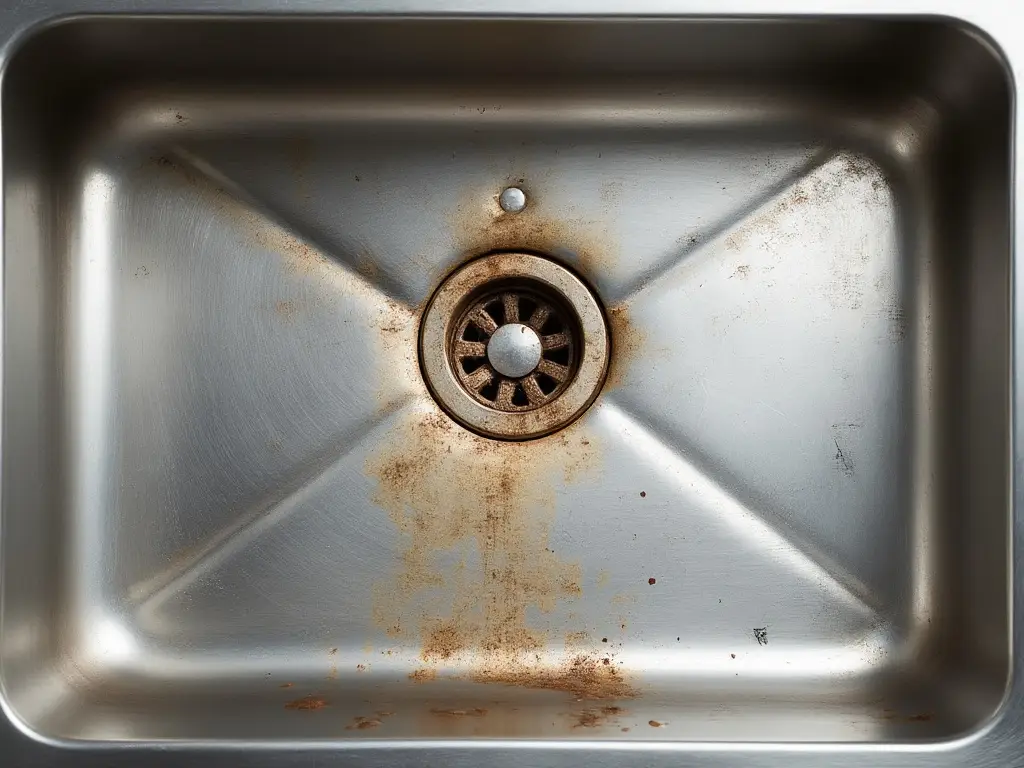
So, you’ve spotted the enemy. Those little freckles of doom. Don't panic! Grab your baking soda.
First, make a paste. It's super simple. Just mix some baking soda with a little bit of water. You want it thick, like toothpaste. This is your secret weapon ready for deployment.
Now, apply this paste directly to the rust spots. Don't be shy. Give those little orange troublemakers a good coating. Let it sit for a bit.
Think of it as letting the paste have a little chat with the rust. Maybe it's explaining why it's not welcome. A gentle negotiation, if you will.
After about 10-15 minutes, grab a soft cloth or a non-abrasive sponge. Gently rub the paste over the rust spots. You'll start to see the magic happen.
The rust should begin to lift away. It’s not usually a dramatic explosion, more of a quiet surrender. The baking soda’s mild abrasive quality does its job beautifully.
Once you've rubbed it in, rinse the area thoroughly with warm water. Then, dry it immediately. Don't let it air dry and get moody again.

When Rust Gets a Little More Stubborn
Sometimes, the rust is a bit more… entrenched. It’s like a tiny, orange barnacle that refuses to budge. That’s where our friend, vinegar, comes in.
For these tougher spots, we can level up. Soak a paper towel or a soft cloth in white vinegar. You want it nice and damp, but not dripping everywhere.
Place this vinegar-soaked cloth directly over the stubborn rust spots. Let it sit there for a good hour, or even longer if you can manage it. This gives the acid in the vinegar time to work its magic.
It’s like a spa treatment for your stainless steel, but instead of cucumber slices, it’s vinegar. The rust will start to loosen its grip.
After the vinegar soak, remove the cloth. Now, you can go back to your baking soda paste. Apply it to the softened rust spots.
Gently scrub with your soft cloth or sponge. You should find that this combination tackles the more persistent rust with surprising ease. It’s a tag-team effort.
Rinse everything off with warm water. And yes, you guessed it, dry it thoroughly. The key to preventing future rust is to keep it dry.
The Power Couple Combo
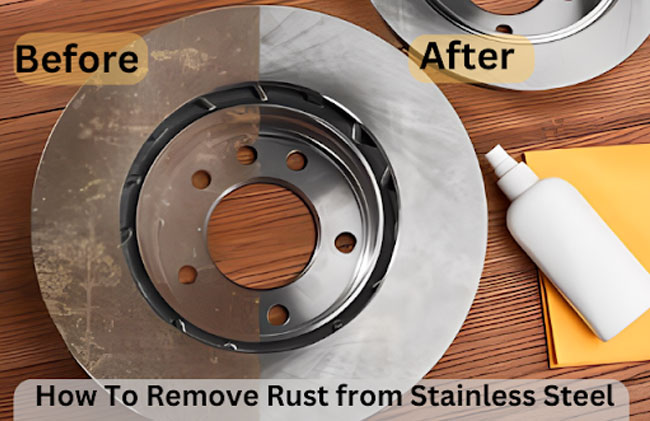
Want to go full-on rust-busting superhero? Combine the two! You can make a thicker paste with baking soda, a splash of vinegar, and maybe a tiny bit of water.
This creates a bit of a fizzing reaction. It's like a mini science experiment happening on your countertop. Your stainless steel might even seem excited about it.
Apply this fizzy paste to the rust. Let it sit for about 30 minutes. The bubbling action can help lift the rust from the surface.
Then, gently scrub with a soft cloth or sponge. You'll be amazed at how much of that orange menace disappears. It's surprisingly satisfying.
Rinse, rinse, rinse! And then, the most crucial step: dry, dry, dry. Seriously, this cannot be stressed enough.
Preventing Future Intrusions
The best offense is a good defense, right? So, how do we stop these rust invaders from coming back?
First, avoid using steel wool pads. They can leave tiny particles of iron behind, which are the perfect breeding ground for rust. Stick to softer sponges or microfiber cloths.
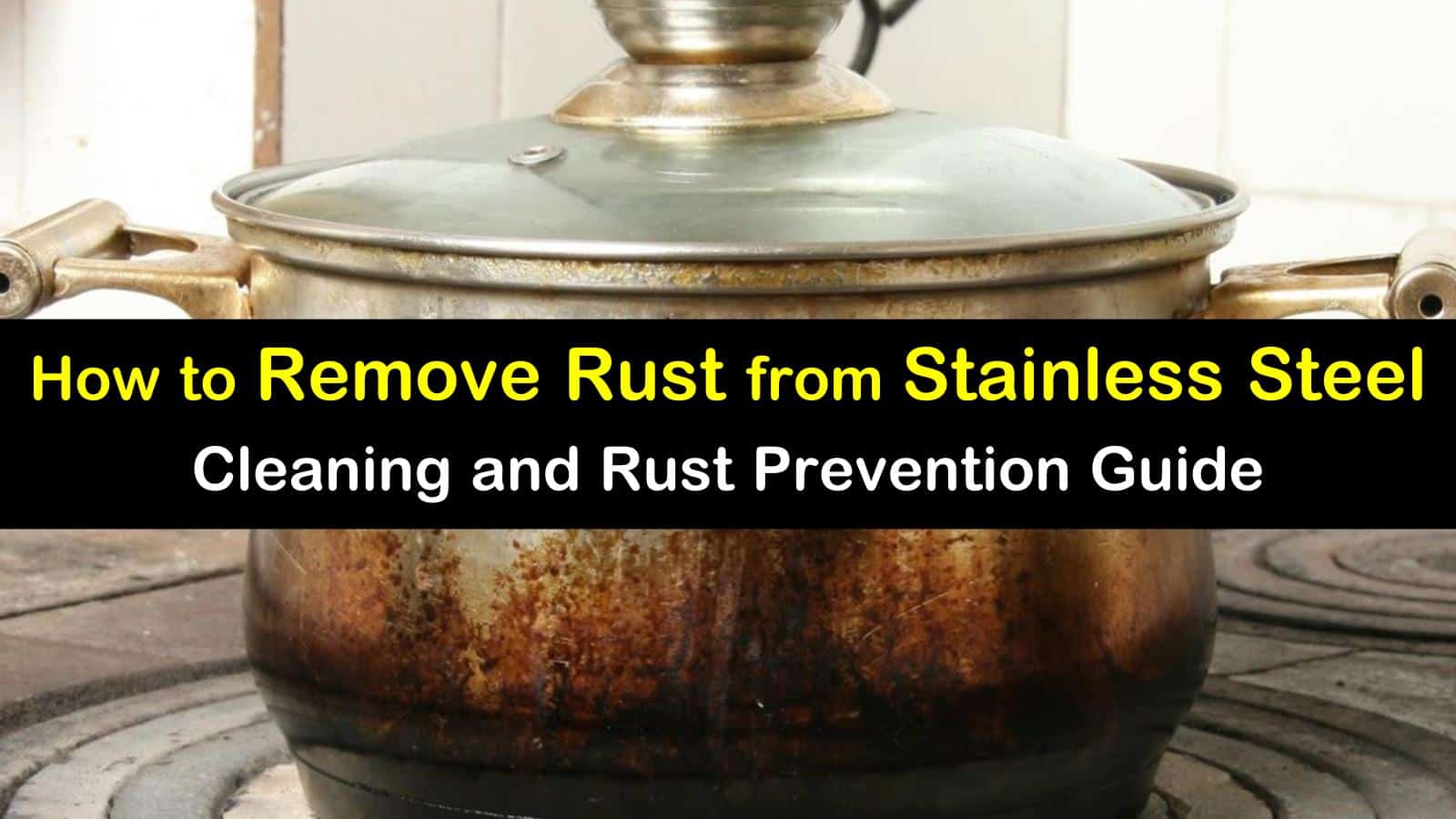
Don't leave wet sponges or cleaning cloths sitting on your stainless steel for extended periods. Water and metal don't always play nicely together.
Rinse and dry your cookware and utensils immediately after washing. This is probably the single most effective way to prevent rust spots from forming.
Avoid leaving metal cans or utensils in contact with your stainless steel surfaces. It’s like a little orange invitation for trouble.
And if you ever use a cast iron pan and happen to get a little bit of its seasoning on your stainless steel, wipe it off promptly. It’s better to be safe than sorry.
The Unpopular Opinion
Here's my little secret, my unpopular opinion: cleaning rust off stainless steel with baking soda and vinegar isn't a chore. It's almost… fun.
There's a small thrill in seeing those orange spots disappear. It's a little victory for cleanliness and order. It's a testament to the power of simple, natural ingredients.
So next time you see those unwelcome orange visitors, don't despair. Grab your baking soda and vinegar. Embrace the DIY magic. Your stainless steel will thank you, and you might even find yourself smiling.
It’s about making your home a little brighter, one de-rusted pot at a time. Happy cleaning!