
How To Clean Rust Spots On Stainless Steel
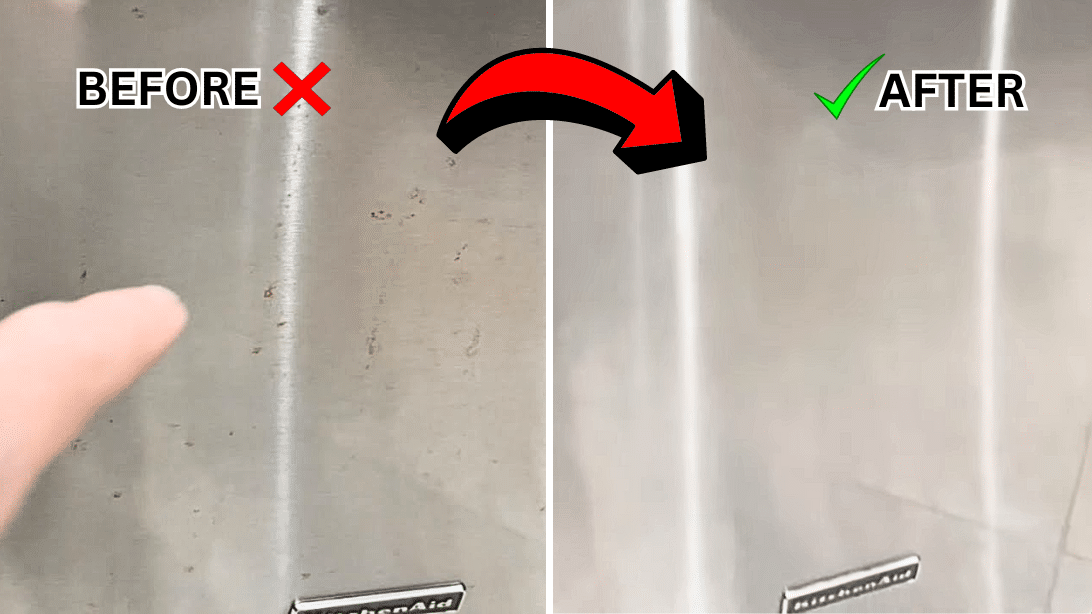
So, picture this: I’m in my kitchen, feeling all domestic goddess-y, ready to whip up some gourmet meal. I pull out my trusty stainless steel saucepan, the one that’s seen more culinary disasters and triumphs than I care to admit. But as I admire its usual sleek sheen, my eye catches something… a tiny, annoying orange speck. Then another. And another. Rust. On my stainless steel. I swear I almost dropped the saucepan. Stainless steel is supposed to be, well, stainless, right? My inner monologue went something like: "Is this a conspiracy? Did someone swap my pots for cheap imitations in the dead of night? Is my sink plotting against me?"
It turns out, even the toughest stainless steel can get a little… distressed sometimes. It’s not a sign of the apocalypse, thankfully. It’s usually just a little surface drama, and the good news is, it’s totally fixable. No need to panic-buy a whole new set of cookware or start wearing an apron made of cling film to protect your precious surfaces. We can tackle this, my friends.
The Great Stainless Steel Rust Mystery: What’s Actually Happening?
Before we dive into the how-to of banishing those rusty invaders, let's get a tiny bit curious about why they show up in the first place. I mean, it’s called stainless, for crying out loud! What gives?
Okay, so here’s the deal. Stainless steel is amazing because it has this invisible, protective layer of chromium oxide. Think of it as a superhero cape that forms naturally. When this cape gets scratched, or exposed to certain things, that protective layer can get compromised. And voilà, rust spots can appear.
What kind of things can throw a wrench in our stainless steel’s superhero routine? Little bits of regular steel, for starters. If you’ve ever used a steel wool pad on something else and then just rinsed it quickly and used it on your stainless steel (guilty as charged, sometimes!), those tiny iron particles can transfer and start to rust. Or, even just leaving a metal can or a wet cast-iron pan sitting on your stainless steel surface for too long can leave behind rust marks. It’s like leaving a soggy newspaper on fine furniture – not the best idea!
Also, harsh chemicals or prolonged contact with salty water can sometimes be the culprits. So, while it’s not truly "stainless" in the sense of being impervious to everything, it’s pretty darn good at resisting corrosion, and the spots are usually just on the surface. Phew!
Tackling the Rust: Your Arsenal of Cleaning Wonders
Alright, enough of the science lecture. Let's get down to business. You’ve got rust, and you want it gone. Thankfully, you probably have most of what you need lurking in your pantry or under your sink right now. No need to run out and buy some super-specialized, ridiculously expensive rust remover. Unless you want to, of course. But for most everyday rust spots, we can keep it simple and effective.
The Gentle Giants: Baking Soda and Water
This is your go-to for mild rust spots. It’s gentle, it’s cheap, and it works wonders. It’s like the everyday hero of your cleaning cabinet.
What you’ll need:
- Baking soda
- Water
- A soft cloth or sponge
How to do it:
First, make a paste. Mix a good amount of baking soda with just enough water to create a thick, spreadable paste. Think of it like making mud pies, but for your kitchenware. You want it to be thick enough to stick to the rust spot, not runny and drippy.

Apply the paste directly onto the rust spots. Don’t be shy! Let it sit there for a good 15-30 minutes. This gives the baking soda a chance to work its magic and gently lift the rust particles.
Now, grab your soft cloth or sponge. Gently rub the paste in a circular motion over the rust spots. You’re not trying to scrub the life out of it, just gently buffing it away. You should start to see the rust fading. Rinse thoroughly with water and dry immediately. See? Easy peasy!
The Slightly More Assertive: Vinegar (White Vinegar, That Is!)
If baking soda needs a little backup, white vinegar is your next best friend. Its acidity can help break down rust more effectively. Just remember, while it’s an acid, it’s still relatively mild for cleaning purposes.
What you’ll need:
- White vinegar
- A soft cloth or sponge
- Water
How to do it:
You have a couple of options here. You can either spray undiluted white vinegar directly onto the rust spots and let it sit for 5-10 minutes. Or, for a slightly less aggressive approach, you can dampen a cloth with vinegar and place it directly on the rust spot. Let it soak for a bit.
After the vinegar has had a chance to work, use your soft cloth or sponge to gently rub the area. Again, think gentle buffing, not aggressive scrubbing. Rinse thoroughly with water and, and this is important, dry immediately. Leaving stainless steel wet is like leaving an open invitation for more rust!
Pro tip: If you’re worried about the vinegar smell (though it dissipates quickly), you can mix equal parts vinegar and water. It’s still effective, just a bit milder.
:max_bytes(150000):strip_icc()/remove-brown-stains-from-stainless-steel-1900549_final-8bd52e68e2b5484a97b25f2e704afd90.png)
The Creamy Dream Team: Lemon Juice and Salt
This is another fantastic natural combo that’s surprisingly effective. The acidity of the lemon juice combined with the mild abrasive nature of the salt creates a winning team.
What you’ll need:
- Salt (kosher salt works well because of its larger crystals)
- Lemon juice (freshly squeezed is best, but bottled works too)
- A soft cloth or sponge
How to do it:
Sprinkle a generous amount of salt over the rust spots. Then, squeeze fresh lemon juice over the salt until it’s nice and damp. You want to create a thick paste.
Let this mixture sit on the rust spots for at least 30 minutes, or even longer for stubborn stains. The longer it sits, the more time it has to break down the rust.
Once the time is up, use your soft cloth or sponge to gently rub the paste into the rust. The salt crystals will help to lift and scrub away the rust without scratching the stainless steel, if you’re gentle. Rinse thoroughly with water and dry immediately. You’ll be amazed at how shiny it becomes!
The Powerhouse Option: Cream of Tartar
This is a bit of a hidden gem in the cleaning world, but cream of tartar is fantastic for tackling tougher stains on stainless steel, including rust. It’s a byproduct of winemaking, which I think is kind of cool. Who knew your wine rack could contribute to a clean kitchen?
What you’ll need:

- Cream of tartar
- Water
- A soft cloth or sponge
How to do it:
Much like with baking soda, you’re going to make a paste. Mix cream of tartar with a small amount of water until you get a thick paste. This stuff can be a bit powdery, so mix it well!
Apply the paste to the rust spots and let it sit for about 30 minutes. Then, using your soft cloth or sponge, gently rub the paste in a circular motion. You’ll probably feel a slight grit, which is helping to lift the rust. Rinse thoroughly with water and dry immediately.
When All Else Fails (or for Tougher Jobs): Specialized Stainless Steel Cleaners
Okay, so you’ve tried the home remedies, and you’re still seeing a hint of orange. Don’t despair! There are some excellent commercial stainless steel cleaners out there that are specifically designed to tackle rust and other tough stains. These can be a lifesaver when you have stubborn spots.
What you’ll need:
- A dedicated stainless steel cleaner (look for ones that mention rust removal)
- A soft cloth
How to do it:
Always, always, always follow the instructions on the product label. Seriously, don’t skip this step. Some cleaners are more aggressive than others, and you want to make sure you’re using them correctly to avoid damage.
Typically, you’ll apply the cleaner to a soft cloth and then wipe the affected area. You might need to let it sit for a minute or two. Then, wipe away any residue and rinse thoroughly with water and dry. These can be really effective for those truly stubborn rust spots.
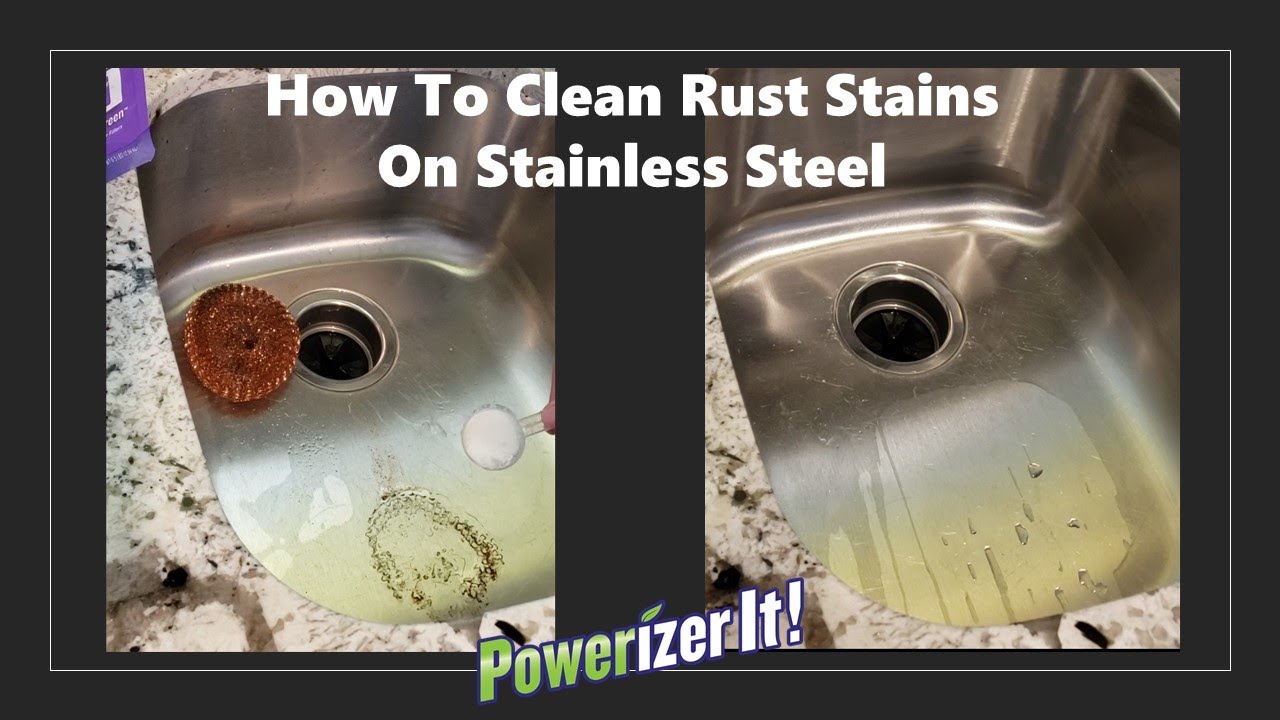
Important Don'ts (Because We Don't Want More Problems!)
Now that we’ve armed you with all sorts of ways to defeat rust, let’s talk about what not to do. Because, trust me, it’s easy to accidentally make things worse if you’re not careful.
- Don’t use steel wool or abrasive scouring pads: I know, I know, it seems like the obvious choice for scrubbing. But steel wool and those harsh scouring pads will scratch your stainless steel. These scratches can then become more prone to rust and make future cleaning harder. Stick to soft cloths and non-abrasive sponges.
- Don’t use bleach: Bleach is a no-go for stainless steel. It can actually damage the protective chromium oxide layer and lead to pitting and further corrosion. So, keep that bleach in the bathroom!
- Don’t use harsh chemicals: Things like oven cleaner, ammonia (unless heavily diluted in specific recipes, but generally avoid), or other strong industrial cleaners can be too aggressive for stainless steel. Stick to the gentler, natural options or specifically formulated stainless steel cleaners.
- Don’t let water sit: I’ve mentioned this a few times, and it bears repeating. After cleaning and rinsing, dry your stainless steel immediately. Water left to air dry can leave water spots and, yes, contribute to more rust. A quick wipe-down with a clean, dry towel is your best friend.
Prevention is Better Than Cure (Or, How to Keep Rust at Bay)
Wouldn’t it be nice if we could just prevent rust from ever showing up? While it’s hard to guarantee 100% rust-free stainless steel forever, you can significantly reduce the chances of it appearing with a few simple habits.
1. Dry, Dry, Dry: I’m practically shouting this one. After every use, wash and dry your stainless steel items. Don’t let them sit wet in the sink or dishwasher. If you have a stainless steel sink, wipe it down after use and leave the drain open to allow it to dry.
2. Avoid Metal-on-Metal Contact: Try not to leave metal cans, cast iron pans, or other ferrous metal items sitting on your stainless steel surfaces for extended periods. They can leach rust onto the steel.
3. Clean Spills Promptly: If you spill something salty or acidic on your stainless steel, wipe it up right away. Don’t let it marinate.
4. Use the Right Tools: For cleaning, stick to soft cloths, sponges, and non-abrasive brushes. When you’re cooking, use wooden or silicone utensils to avoid scratching your pots and pans.
5. Regular Maintenance: A quick wipe-down with a damp cloth and then a dry one can go a long way. You can even use a specialized stainless steel polish occasionally to keep that protective layer looking its best.
The Verdict: You’ve Got This!
So, there you have it. Those pesky rust spots on your stainless steel aren’t the end of the world. With a few common household ingredients and a little bit of elbow grease (gentle elbow grease, mind you!), you can restore your stainless steel to its former glory. It’s quite empowering, really, to know you can tackle these little household annoyances with such simple solutions. Now go forth and banish that rust! Your shiny, stainless steel companions will thank you for it.