
How To Clean Stainless Steel From Rust
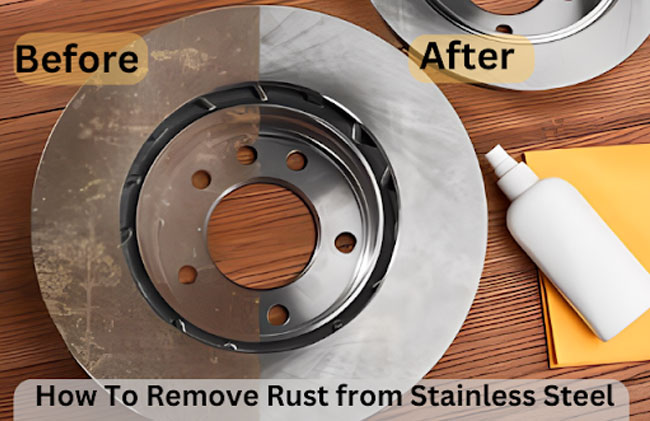
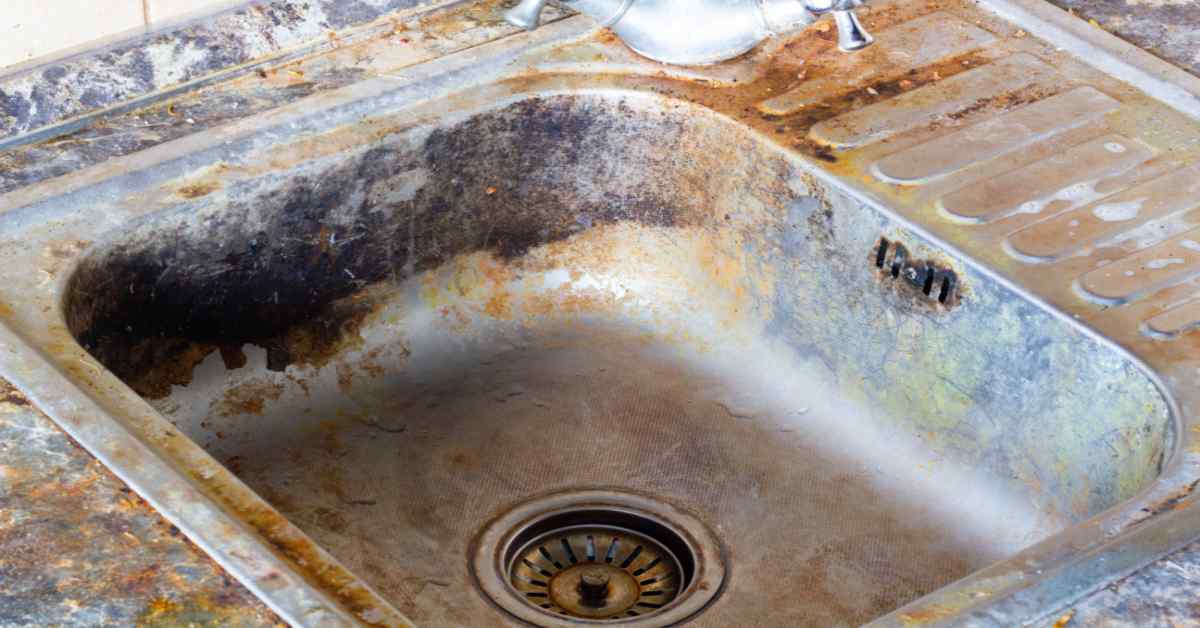
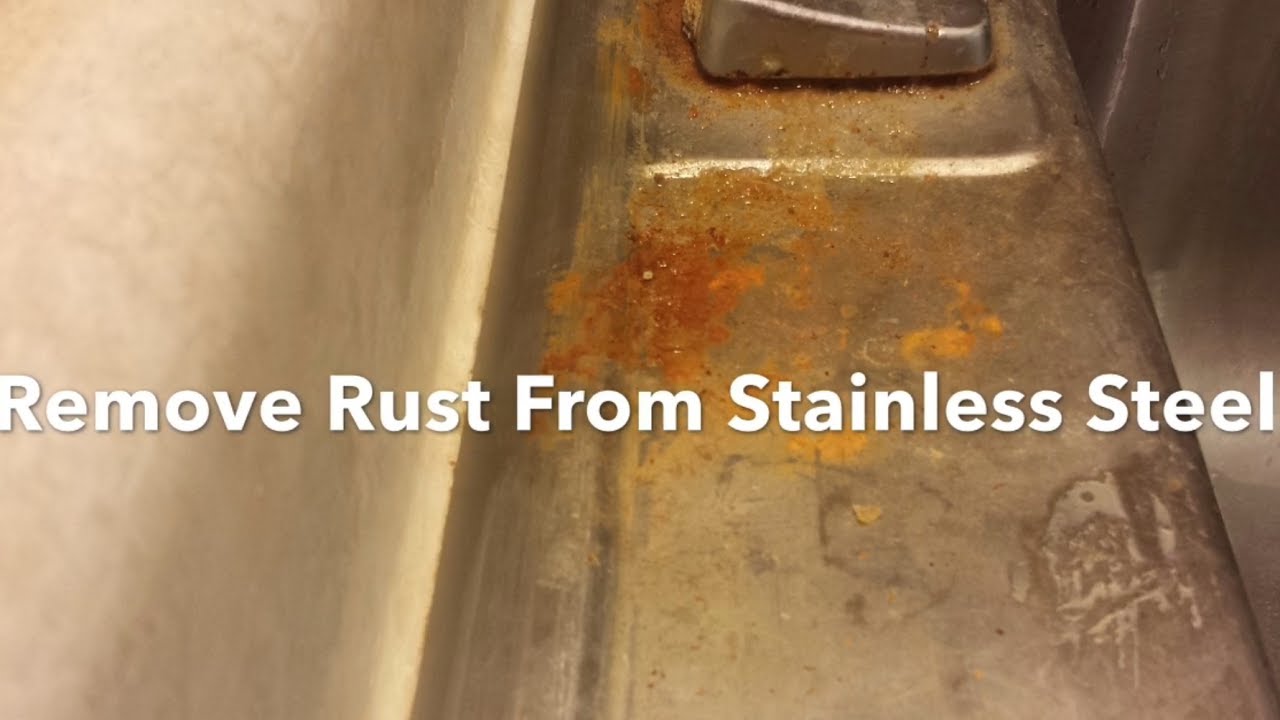
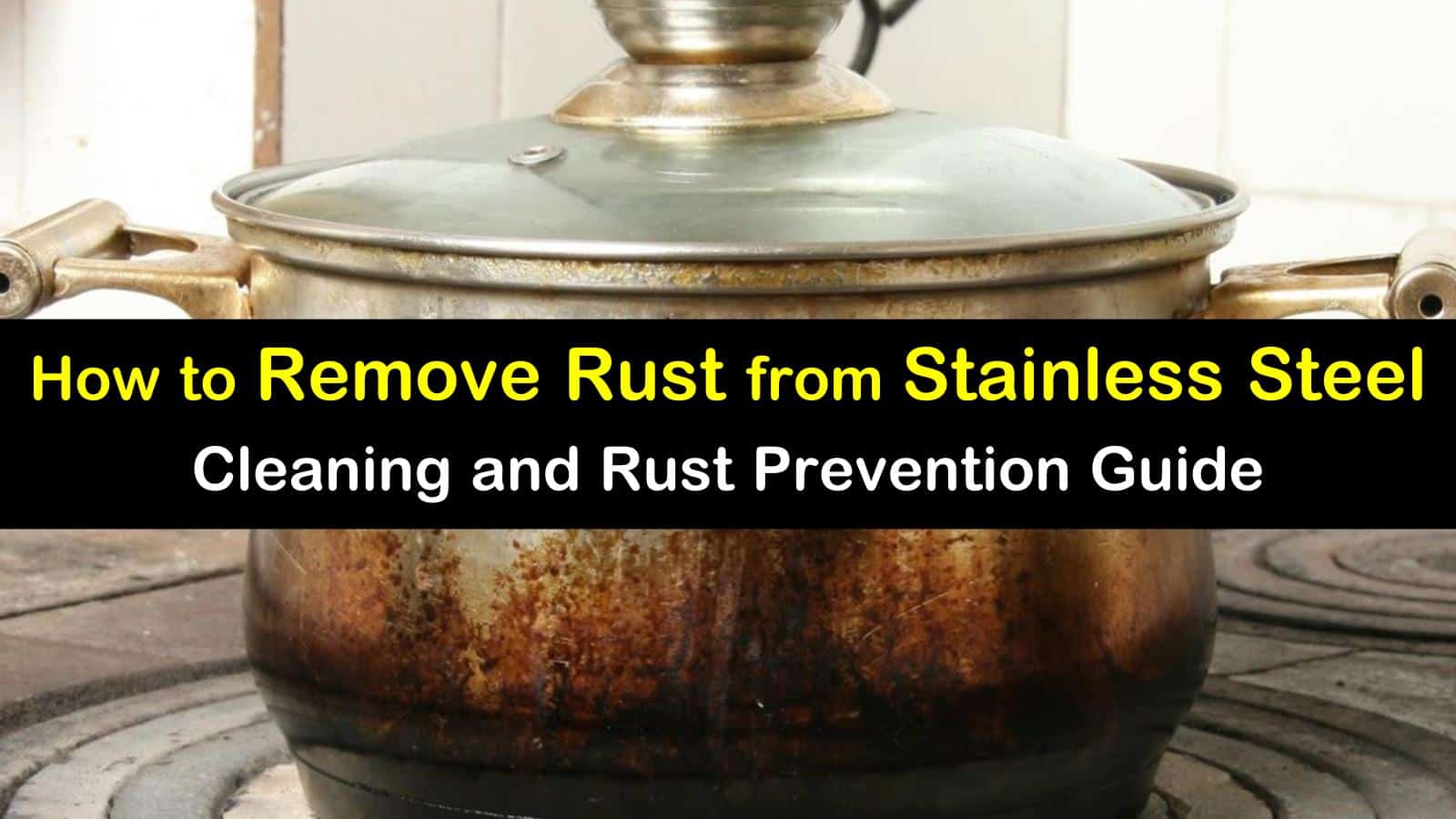
Okay, so you’ve got that shiny, sleek stainless steel appliance. You love it, right? It’s all modern and fancy. But then… horror! You spot a little oopsie. A tiny, reddish-brown speck. Rust!
Don't panic! It's not the end of your kitchen's glamour. Think of it as stainless steel's rebellious phase. It happens. And guess what? We're about to become rust-busting superheroes. This is going to be fun!
Rust on Stainless Steel: It's Not What You Think!
So, why does stainless steel, which is supposed to be… well, stainless, get rusty? It’s a bit of a plot twist, I know. The "stainless" part comes from chromium. This metal forms a protective, invisible layer on the surface. It’s like a superhero cape for your steel!
But sometimes, this cape gets a little snagged. Things like iron particles from scouring pads, steel wool (big no-no, by the way!), or even certain harsh cleaners can scratch that cape. Once the chromium layer is damaged, the steel underneath is exposed to water and oxygen. Boom! Rust.
It’s like your favorite superhero tripping over their own cape. Embarrassing, but totally fixable.
The Usual Suspects (and Why to Avoid Them)
Before we dive into the good stuff, let’s talk about what NOT to use. This is crucial. Imagine trying to fix a delicate watch with a sledgehammer. Not ideal.
Steel wool: I mentioned it, but it bears repeating. This is the rust's best friend. It deposits iron particles, making the problem worse. It’s the villain in our story.
Abrasive cleaners: Think gritty powders. They’re like tiny sandpaper. They’ll scratch the surface and mess with that precious chromium cape.
Chlorine bleach: Sounds strong, right? It is. But it can actually corrode stainless steel. So, put down the bleach bottle.
Basically, be gentle. Treat your stainless steel like the fancy friend it is.
Operation: Rust-Buster! Simple Tricks That Actually Work
Alright, capes on! Let’s get down to business. You probably have most of these ingredients in your pantry right now. How cool is that? You’re a culinary chemist and a cleaning wizard, all in one!
The Power of Baking Soda Paste
This is your MVP. Baking soda is a mild abrasive. It can scrub away rust without scratching. Plus, it’s super cheap and smells… well, like baking soda. But hey, it works!
How to do it:
- Mix baking soda with a little water. You want a thick paste. Think toothpaste consistency.
- Apply the paste directly to the rust spot.
- Let it sit for a bit. Like, 15-30 minutes. Give it time to work its magic.
- Gently scrub the area with a soft cloth or a non-abrasive sponge. Go with the grain of the steel, if you can see it.
- Rinse thoroughly with water.
- Dry immediately with a clean, soft towel. This is key to preventing new rust!
See? Easy peasy! You just turned your kitchen into a mad scientist's lab, and the results are sparkling.
Vinegar: The Tangy Terminator
Vinegar is another pantry hero. Its acidity can help break down rust. Just be careful with this one. It’s a bit more potent than baking soda.
How to do it:
- Soak a soft cloth in white vinegar.
- Wring out the excess so it’s not dripping everywhere.
- Lay the cloth over the rust spot.
- Let it sit for about 30 minutes.
- Remove the cloth and gently scrub with a soft cloth.
- Rinse well with water.
- Dry immediately and thoroughly.
Some people swear by heating the vinegar first. It might speed things up, but don’t get too crazy. We’re not trying to boil your sink.
Lemon Juice: The Zesty Zap
Lemon juice has citric acid, which is great for tackling rust. Plus, it leaves a lovely, fresh scent. Two birds, one stone!
How to do it:
- Sprinkle some salt on the rust spot. The salt acts as a gentle scrubber.
- Squeeze fresh lemon juice over the salt.
- Let it sit for an hour or two.
- Scrub gently with a soft cloth or the lemon rind itself.
- Rinse and dry.
It’s like a spa day for your stainless steel, with a citrus twist!
Commercial Cleaners: When All Else Fails (or You're Just Lazy)
If you’re feeling a bit fancy, or if the rust is being particularly stubborn, there are specific stainless steel rust removers. These can be super effective.
Important tip: Always read the instructions! And test it in an inconspicuous spot first. We don't want any unintended, shiny disasters.
Beyond Rust: Keeping Your Stainless Steel Gleaming
Now that you’ve conquered the rust, let’s talk about prevention. It’s always easier to stop a problem than to fix it, right?
The Daily Grind
Wipe it down: After each use, give your stainless steel a quick wipe with a soft, damp cloth. This removes food particles and moisture that can lead to rust.
Dry, dry, dry!: Seriously, this is the golden rule. Moisture is the enemy. Always dry your stainless steel thoroughly after cleaning or washing.
The Right Tools for the Job
Stick to microfiber cloths and soft sponges. They’re your best friends. Avoid anything abrasive.
Direction is Key
Notice the "grain" on your stainless steel? It’s like wood grain. Always clean and polish in that direction. It’s more effective and prevents micro-scratches.
The Fun Part: Admire Your Work!
You did it! You wrestled with rust and emerged victorious. Take a moment to admire your gleaming stainless steel. It’s a testament to your cleaning prowess and your refusal to let a little blemish ruin your day.
Who knew cleaning could be so… adventurous? It’s like a mini-detective case solved with everyday items. Plus, you get to brag about your rust-busting skills. So go forth and shine on, my friend!