
How To Clean Stains On Stainless Steel
:max_bytes(150000):strip_icc()/remove-brown-stains-from-stainless-steel-1900549_final-8bd52e68e2b5484a97b25f2e704afd90.png)
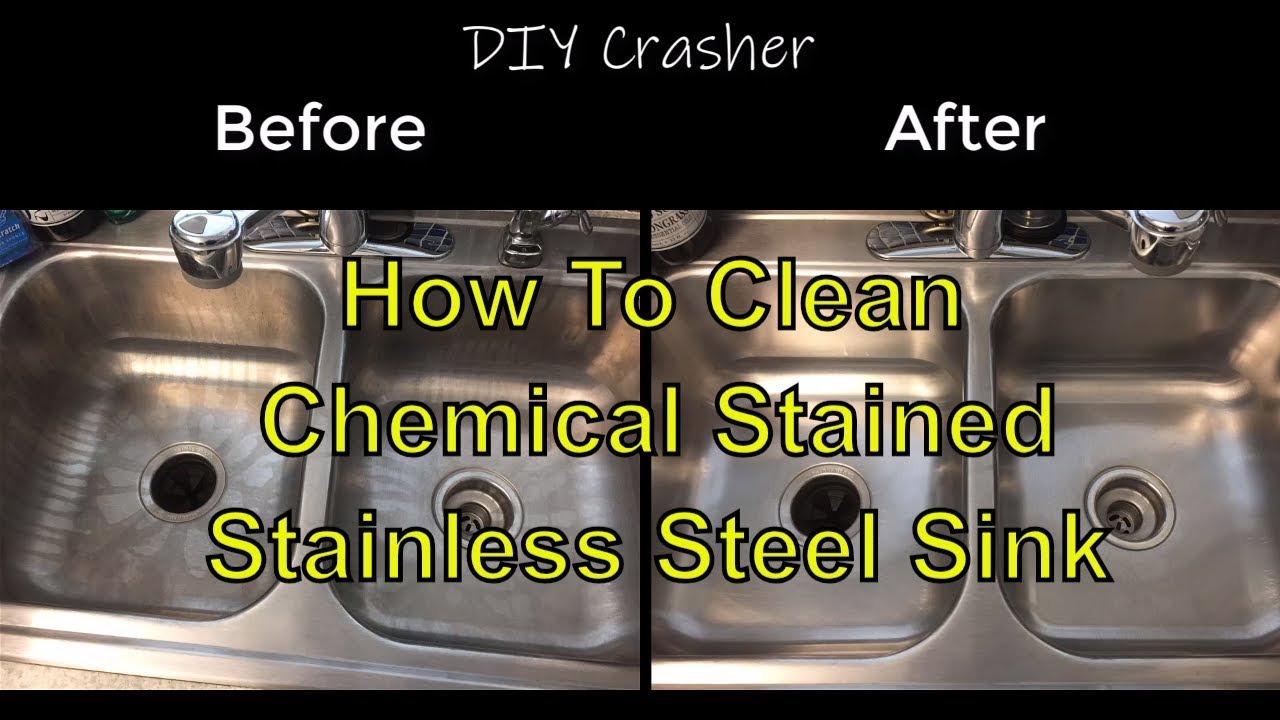
Okay, so let's talk about that shiny, beautiful, oh-so-modern stainless steel in your kitchen. You know, the fridge that’s supposed to be fingerprint-free, the oven that gleams like a spaceship, the backsplash that’s practically begging for attention. It's gorgeous, right? Until... BAM! A rogue splatter of tomato sauce, a mystery smudge that looks suspiciously like butter, or worst of all, those dreaded water spots that make your stainless steel look like it’s having a bad case of acne. Ugh.
Don't you just hate that? You spend good money on these appliances, and then they decide to have a public meltdown over a little bit of everyday life. It’s like they have a personality, and sometimes that personality is a bit… dramatic.
But hey, before you go throwing in the towel and contemplating covering your entire kitchen in contact paper (tempting, I know!), let's get real. Cleaning stainless steel isn't some dark art. It’s more like a friendly chat with your appliances, you know, a little nudge to get them back in line. And the best part? You probably already have most of what you need in your pantry. No need for fancy, expensive chemical concoctions that smell like a science experiment gone wrong.
So, grab your favorite mug, settle in, and let’s dive into making your stainless steel shine again. We're talking about getting rid of those pesky stains and restoring that glorious gleam. Ready?
The Big No-Nos: What NOT to Do
Before we even get to the good stuff, let's cover the absolute don'ts. You know, the things that'll make your stainless steel cry a little tear of rust or get scratched to smithereens. Nobody wants that. Nobody.
First up, steel wool or abrasive scrub pads. Seriously, just don't. These guys are like tiny little attackers, leaving microscopic scratches all over your beautiful finish. And once those scratches are there? They're pretty much permanent. It's like giving your appliance a bad haircut that you can't fix.
Next, harsh chemicals. We're talking bleach, oven cleaners, ammonia – anything that sounds like it could strip paint off a car. These can discolor your stainless steel, and some of them can even cause pitting. Pitting! That sounds serious, right? It is.
And what about that common kitchen staple, baking soda paste? Now, I know some people swear by it. And for certain things, it can be okay in a pinch. But if you scrub too hard, or leave it on too long, it can actually be a bit abrasive. So, tread very carefully with that one. It’s like that friend who means well but can sometimes cause more trouble than they solve.
Finally, letting water sit. This is a big one for water spots. Stainless steel, like all of us, needs to be dried. Leaving it wet is basically inviting those chalky white rings to set up shop. And then you're playing whack-a-mole with them forever.
So, keep those things in mind. A little bit of caution goes a long way in keeping your stainless steel looking its best.
The Secret Weapons: Your Pantry Powerhouses
Alright, now that we know what to avoid, let's talk about the heroes of this story. The everyday ingredients that are going to save your stainless steel's life (or at least its appearance).
First up, our old friend, vinegar. White distilled vinegar, to be exact. It's acidic, which is great for cutting through grease and grime. It’s also a natural disinfectant. Plus, it’s cheap! You can buy a gallon of this stuff for less than a fancy coffee. Talk about a bargain.

Then there's dish soap. The mild kind, of course. The stuff you use to wash your dishes. It's designed to break down grease and food particles, so it’s perfect for everyday cleaning. Who knew your dish soap was secretly a stainless steel superhero?
And let’s not forget about baking soda. Like I said, use it with caution, but it can be useful for those tougher spots when mixed with water into a gentle paste. Think of it as your gentle exfoliator for stubborn grime. Just don't go wild with the scrubbing!
Finally, the unsung hero: a soft microfiber cloth. This is your best friend. Seriously. Microfiber is gentle, absorbent, and great at picking up dirt without scratching. Get a few of these, and you'll be set for all sorts of cleaning adventures.
Conquering Those Pesky Stains: Step-by-Step
So, you've got a stain. A real doozy. Maybe it's that dried-on pasta sauce that looks like it's part of the appliance now, or a greasy smudge that's just refusing to budge. Don't panic. We've got this.
For Everyday Grime and Light Smudges
This is your bread and butter cleaning. The stuff you’ll do regularly to keep things looking fresh.
First, grab your soft microfiber cloth and dampen it with warm water. You don't want it dripping, just nicely damp. Give the area a good wipe down. Often, this is all you need for little fingerprints or light dust.
If that’s not quite cutting it, add a tiny drop of mild dish soap to your damp cloth. Wipe the area again. See? That grease is starting to break down. It’s like magic, but science!
Now, here's the crucial part: rinse. Get a clean microfiber cloth, dampen it with plain water, and wipe away all the soap residue. You don't want any streaks left behind, do you? Of course not.
And the most crucial part of all: dry immediately and thoroughly with a clean, dry microfiber cloth. Buff it in the direction of the grain. You’ll know you’re doing it right when you see that beautiful sheen reappear. It’s like giving your appliance a spa treatment.
:max_bytes(150000):strip_icc()/How-To-Clean-Stainless-Steel-14-9b9e241e5a36470fbe953726180cee01.jpg)
Tackling Water Spots: The Bane of Our Existence
Ah, water spots. They’re like the uninvited guests that show up at every party. You think you've cleaned everything, and then you see them. Those chalky white circles of despair. So frustrating!
For these guys, vinegar is your knight in shining armor. Or, well, a spray bottle of vinegar. Mix equal parts white vinegar and water in a spray bottle. Easy peasy.
Lightly spray the affected area. Let it sit for just a minute or two. You don't want to leave vinegar on there for ages, especially if you have a delicate finish. It’s working its magic, dissolving those mineral deposits.
Then, wipe it away with a damp microfiber cloth. Again, rinse with a clean, damp cloth to remove any vinegar residue. You don't want your kitchen smelling like a salad bar, unless that's your thing.
And you guessed it: dry thoroughly with a clean, dry microfiber cloth. Buffing in the direction of the grain is key here to avoid creating new spots.
For really stubborn water spots, you might need a second pass, but usually, this does the trick. It’s like coaxing a shy child out of hiding.
Dealing with Greasy Buildup and Stuck-On Food
Okay, so maybe your oven door or stovetop looks like it’s hosted a deep-frying marathon without you. Grease happens. Food splatters happen. It’s the nature of cooking!
For these tougher jobs, we can bring in the big guns – but still, gentle ones!
Start with the dish soap method from before: damp cloth, a little dish soap, wipe. If it’s really caked on, you might need to let the soapy water sit for a few minutes to soften it up.

If that’s not cutting it, it’s time for a slightly more robust approach. Get a clean microfiber cloth damp. Then, make a gentle paste of baking soda and water. Remember, we're not looking for a gritty sandpaper here. Just a creamy consistency.
Apply this paste to the stubborn spot. Then, using your microfiber cloth, gently rub in the direction of the grain. Think gentle circular motions or short strokes, not aggressive scrubbing. You’re trying to lift the grime, not scrape it off.
Once you’ve loosened the gunk, wipe away the paste with a clean, damp microfiber cloth. Rinse well with plain water on another clean cloth. No one likes feeling gritty.
And you know the drill: dry thoroughly with a clean, dry microfiber cloth. Buff, buff, buff! You'll be amazed at what comes off.
The Ultimate Shine: Polishing Your Stainless Steel
Now that you’ve conquered the stains, let’s give your stainless steel that showroom shine. It's like the finishing touch on a masterpiece.
There are a few ways to do this, and some people swear by specific stainless steel polishes. But guess what? You can achieve a beautiful shine with simple household items.
Olive oil or mineral oil is a fantastic option. Just a tiny amount on a clean, dry microfiber cloth. Seriously, you only need a few drops. Too much, and it'll look greasy.
Wipe it onto the stainless steel, buffing in the direction of the grain. It fills in the tiny imperfections in the metal, making it look super smooth and giving it a beautiful gleam. It’s like giving your appliances a protective, shiny coating.
Another option is to use a little bit of glass cleaner. Just a light spray on a clean microfiber cloth, and then buff. This can help remove any lingering streaks and give it a nice shine. Just don't soak it!
Some people even use a dab of furniture polish (the non-waxy kind). Again, a tiny amount on a cloth, buffed in the direction of the grain. It’s all about creating that smooth, reflective surface.
The key here is to use a clean, dry microfiber cloth and to always, always, always go with the grain. This is what prevents those annoying streaks and gives you that professional-looking finish.
Maintaining That Gleam: Little Habits, Big Results
So, you’ve worked your magic. Your stainless steel is sparkling. Now, how do you keep it that way without having to do a deep clean every single day? It’s all about forming some good habits!
Wipe spills immediately. Seriously, this is the biggest one. That sauce that splatters? Wipe it up right away before it has a chance to dry and become a stubborn stain. It takes literally five seconds. Five seconds!
Dry after each use. If you’re washing down your stovetop or counter, give the stainless steel a quick dry with a microfiber cloth. This will prevent water spots from forming in the first place. It’s proactive cleaning, and we love that.
Use the right tools. Stick with your microfiber cloths. They’re your best friends in the battle against grime.
Follow the grain. I know, I’ve said it a million times, but it’s so important! Look closely at your stainless steel. You’ll see faint lines. Always clean and polish in that direction. It makes a huge difference.
Regular light cleaning. A quick wipe down every few days with a damp microfiber cloth and maybe a dab of dish soap will prevent buildup. It’s much easier to tackle a little bit of grime than a whole lot of it.
And hey, if you’ve got a really tough spot that just won’t budge, remember the vinegar or the gentle baking soda paste. Just be patient and don't resort to anything too harsh.
Cleaning stainless steel isn’t about brute force; it's about gentle persistence and knowing which tools to use. So, go forth and conquer those stains! Your appliances will thank you, and you’ll have a kitchen that truly shines. Now, who wants more coffee?