
How To Clean Water Spots Off Stainless Steel

Ah, stainless steel. The unsung hero of our kitchens, that gleaming surface that whispers tales of culinary adventures, from perfectly seared steaks to that last-minute midnight snack. It’s a material that’s practically synonymous with modern living, isn't it? Think of those sleek appliance fronts, the chic sinks, the minimalist cutlery – all part of that desirable, no-fuss aesthetic we’ve come to love. It’s the chameleon of the kitchen, adapting to everything from rustic farmhouse charm to ultra-modern loft vibes.
But let's be real. For all its brilliance and resilience, stainless steel has one nemesis, one tiny, persistent foe that can turn our gleaming goddesses into… well, spotted messes. We’re talking, of course, about water spots. Those ghostly rings, those cloudy smudges that appear out of nowhere, like uninvited guests at your perfectly curated countertop party. They’re the bane of many a domestic goddess (and god!)’s existence, a little reminder that even our most beloved materials aren't entirely immune to the whims of hard water and enthusiastic dishwashing.
Now, before you grab the industrial-strength cleaner and contemplate a full-on kitchen renovation, let’s take a deep breath. Cleaning water spots off stainless steel is not some arcane ritual reserved for professional polishers. It’s more like learning a new dance move – a little practice, the right rhythm, and soon you’ll be twirling your way to a spotless finish. And honestly, isn’t there something incredibly satisfying about restoring that original, mirror-like sheen to your kitchen surfaces? It’s a small victory, sure, but in the grand scheme of things, it’s these little triumphs that make our everyday lives just a little bit brighter.
The Science of Shine (Without the Sweat)
So, what exactly are these pesky water spots? It's not magic, though sometimes it feels like it. Essentially, when water evaporates from a surface, it leaves behind dissolved minerals. Think of it like a microscopic trail of breadcrumbs left by your water supply. If you have “hard” water (which is pretty common in many areas), you’ve got more of these minerals – calcium and magnesium, mainly. These minerals stick to the stainless steel, and when they dry, they form those stubborn, chalky marks that mar our beautiful appliances.
And it's not just about aesthetics. Over time, these mineral deposits can actually start to etch the surface of your stainless steel, making it more prone to staining and harder to clean in the future. So, tackling water spots isn't just about making your kitchen look good; it's about preserving the longevity and beauty of your investment. It’s like giving your appliances a good skincare routine – preventative measures go a long way!
But don't let the "science" part scare you. We're not going to be breaking out the beakers and Bunsen burners. This is all about simple, effective solutions that you can find right in your pantry or under your sink. We're talking about everyday items that have a secret life as stainless steel saviors. It’s a bit like discovering your favorite band has a surprise acoustic set – delightful and unexpected!
Your Go-To Arsenal: The Gentle Giants
Let’s start with the champions of the gentle approach. These are your everyday heroes, the items you likely already have on hand, ready to spring into action without any harsh chemicals or abrasive scrubbing.
1. White Vinegar: The Tangy Tamer
Ah, white vinegar. The culinary world’s secret weapon, and a surprisingly effective cleaner. Its acidic nature is what makes it so good at breaking down those mineral deposits. Think of it as a tiny, edible superhero dissolving the bad guys.
How to use it: The simplest method? Dilute some white vinegar with an equal amount of water in a spray bottle. Lightly mist the affected areas. Let it sit for a few minutes – just long enough for the magic to happen, but not so long that it feels like an eternity. Then, gently wipe with a soft, microfiber cloth. For tougher spots, you might want to use a little more vinegar and a little less water, or even apply it directly to the cloth and dab it onto the spot.

Pro-Tip: Always wipe with the grain of the stainless steel. Look closely at your appliance; you’ll see faint lines. Going against the grain can cause micro-scratches that will dull the shine. It’s like petting a cat the wrong way – nobody likes that!
Fun Fact: Vinegar has been used as a cleaning agent for centuries! Ancient Romans supposedly used it to clean their homes. So, when you’re using vinegar, you’re tapping into a long and storied tradition of domestic tidiness. Talk about historical significance!
2. Baking Soda: The Mildly Mighty Scrubber
Another pantry staple, baking soda is a fantastic, gentle abrasive. It’s gritty enough to lift stubborn residue but not so harsh that it will scratch your precious stainless steel. It’s like a tiny, polite exfoliant for your appliances.
How to use it: Make a paste by mixing baking soda with a little water. You want a consistency that’s thick enough to spread but not runny. Apply the paste to the water spots and let it sit for a few minutes. Then, using a soft cloth or sponge, gently rub the paste into the spots, again, always following the grain. Rinse thoroughly with water and dry immediately with a clean microfiber cloth.
When to combine: For really stubborn spots, you can create a vinegar and baking soda concoction. Sprinkle baking soda over the spots, then spray with vinegar. It will fizz! This reaction helps to lift the grime. Let the fizzing action work for a few minutes, then gently scrub and rinse.
Cultural Nugget: Baking soda is also a fantastic deodorizer. So, as you’re cleaning, you're not just tackling spots; you're also leaving your kitchen smelling fresh. It’s a two-for-one deal, like getting a side of fries with your burger.

3. Dish Soap: The Everyday Enforcer
Sometimes, the simplest solution is the best. A good old-fashioned squirt of dish soap can do wonders. It’s designed to cut through grease and grime, and that includes the mineral residue from water spots.
How to use it: Mix a few drops of mild dish soap with warm water in a bowl or spray bottle. Dip a soft cloth into the soapy water, wring it out so it's damp, not dripping, and wipe down the stainless steel. For spot cleaning, you can apply a small amount of dish soap directly to a damp cloth and gently rub the spots.
The Rinse and Shine: The key here is to rinse thoroughly. Any soap residue left behind can actually attract more dirt and lead to new spots. After washing, wipe with a clean, damp cloth, and then dry thoroughly with a microfiber towel. This drying step is crucial for preventing new spots from forming immediately.
Life Hack: Keep a small spray bottle of diluted dish soap by your sink. A quick wipe after washing dishes or a spill can prevent water spots from even forming in the first place. It’s all about being proactive!
The Polishing Touch: Bringing Back the Gleam
Once you’ve tackled those water spots, you’ll want to bring back that irresistible shine. This is where a bit of polishing comes in. It’s like the final flourish on a perfectly plated dish.
1. Olive Oil or Mineral Oil: The Speedy Shine
This might sound a little unusual, but a tiny amount of cooking oil can work wonders for bringing out the shine in stainless steel. It fills in microscopic imperfections and creates a barrier that repels water.
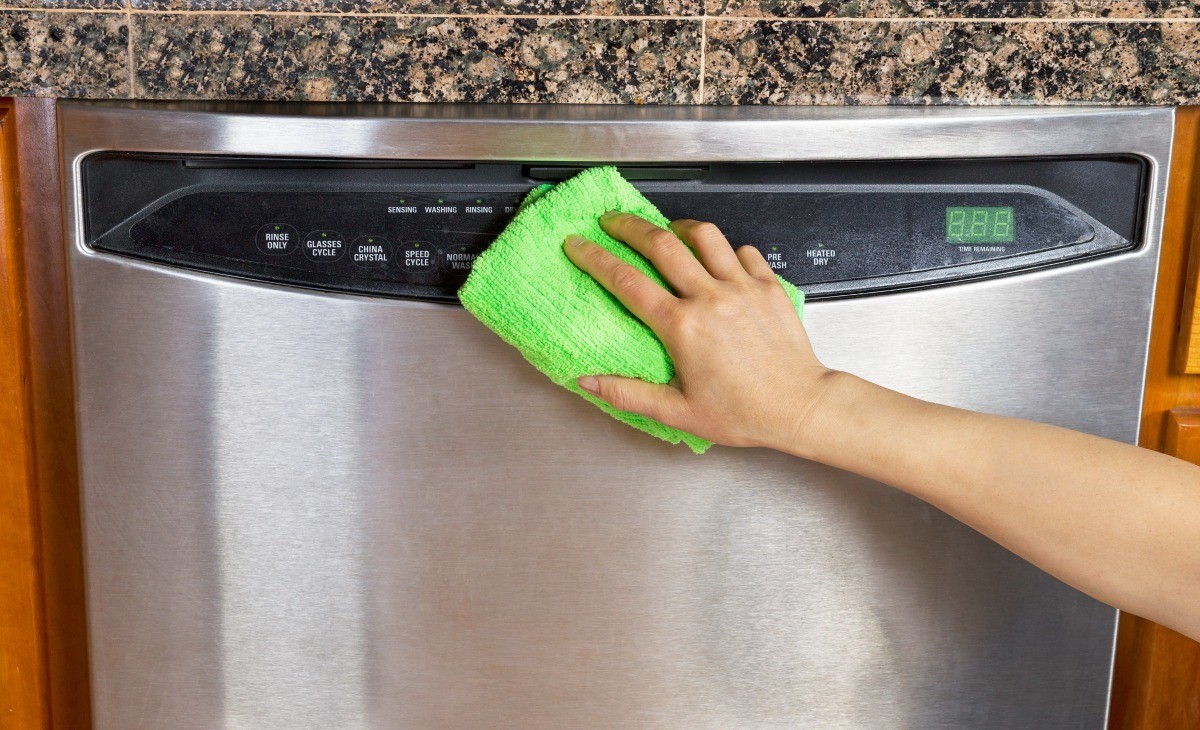
How to use it: Apply just a tiny amount of olive oil or mineral oil to a clean, dry microfiber cloth. You want just enough to make the cloth slightly damp, not oily. Buff the stainless steel surface in the direction of the grain. You'll be amazed at how quickly it brings back that deep, lustrous shine. A little goes a very, very long way!
What to avoid: Don't go overboard with the oil. Too much can leave a greasy residue that attracts dust and fingerprints. Think of it as a whisper of shine, not a shout.
Whispers of History: Polishing with oils has been a beauty secret for centuries, not just for metals but for skin too. The principle of creating a smooth, light-reflecting surface remains the same.
2. Specialized Stainless Steel Cleaners/Polishes: The Dedicated Duo
If you’re looking for a more dedicated solution, there are plenty of excellent stainless steel cleaners and polishes on the market. These are formulated specifically for the material and can be very effective.
How to use them: Always follow the manufacturer’s instructions carefully. Typically, you’ll spray the cleaner onto a cloth (not directly onto the appliance, to avoid drips) and then wipe with the grain. Many of these products also contain a polishing agent that leaves a protective, streak-free finish.
What to look for: Opt for products that are specifically labeled as being for stainless steel. Avoid anything that contains harsh abrasives or bleach, as these can damage the finish.
The Modern Marvel: These cleaners are a testament to modern chemistry, designed to tackle specific household challenges with efficiency and elegance. They’re the James Bond of cleaning products – sleek, effective, and gets the job done.
The Drying Dilemma: Your Final Defense
We've said it before, and we'll say it again: drying is key. It's the unsung hero in the battle against water spots.
Microfiber is Your Friend: A good quality microfiber cloth is your best friend in this endeavor. They’re highly absorbent and lint-free, meaning they won’t leave behind those annoying little fuzzies. Have a few handy for immediate drying after any cleaning or rinsing.
The Instant Wipe-Down: Make it a habit to wipe down your stainless steel surfaces immediately after use, especially if you’ve been washing dishes or using the sink. A quick wipe can prevent water from even having a chance to evaporate and leave its mineral calling card.
Think About it This Way: Imagine you’re at a fancy event, and you spill a drop of champagne on your dress. You wouldn’t just let it sit there, right? You’d discreetly blot it away. Treat your stainless steel with the same care and attention, and it will reward you with its enduring brilliance.
A Final Thought on Everyday Shine
Looking at your sparkling stainless steel, free from the ghostly trails of water spots, there’s a quiet satisfaction, isn’t there? It’s more than just a clean surface; it’s a little piece of order restored in our busy lives. It’s a reminder that even the small, mundane tasks can be opportunities for care and attention. Just like brewing that perfect cup of coffee or arranging flowers on the table, taking a few moments to polish your stainless steel is a way of saying, “I appreciate the things that make my home beautiful and functional.” It’s these little acts of maintenance, these gentle touches, that transform a house into a truly welcoming home, a place where the shine isn't just on the surfaces, but in the feeling of calm and well-being.