
How To Clear Eustachian Tubes At Home
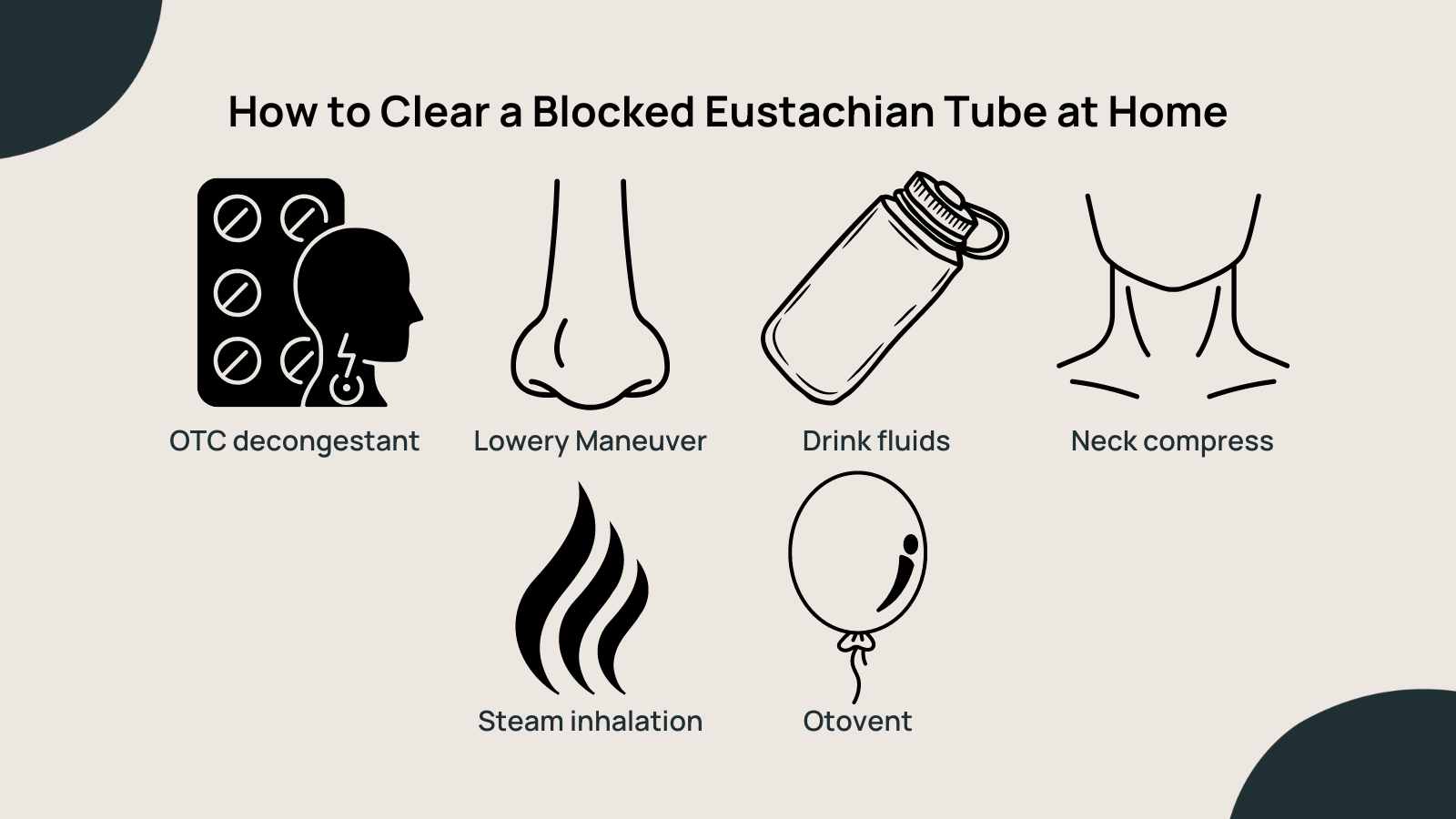
Ever feel that subtle, annoying pressure in your ears? Like you’re stuck in an airplane mid-descent, or just spent a bit too long channeling your inner pop star at karaoke? Yep, we’ve all been there. That’s your Eustachian tubes, those unsung heroes of our auditory system, having a bit of a moment. These tiny, trumpet-shaped passages connect your middle ear to the back of your throat, and their job is pretty crucial: they regulate pressure and drain fluid. When they get blocked, well, let’s just say life gets a little less harmonious.
But before you start Googling emergency ear surgery (deep breaths!), let’s talk about the chillest ways to coax those tubes back into their happy, open state. Think of this as your personal spa day for your ears, right in the comfort of your own abode. No fancy equipment, no long commutes, just simple, effective tricks that’ll have you hearing the world in full stereo again in no time.
Understanding Your Ear’s Little Black Box
So, what exactly is this Eustachian tube we’re fussing over? Imagine a microscopic highway system, complete with tiny doors and traffic control. The Eustachian tube acts like that control, balancing the air pressure on either side of your eardrum. It also helps drain away any excess mucus from your middle ear, keeping things squeaky clean. Pretty neat, right?
When these tubes get inflamed or clogged – usually thanks to a pesky cold, allergies, or even just a rapid change in altitude – that’s when the pressure builds. You might experience fullness, muffled hearing, or even a dull ache. It’s like your ears are whispering secrets, but you can’t quite catch what they’re saying.
The Zen of Yawning and Chewing
Let’s start with the absolute easiest, most natural methods. You know that big, satisfying yawn you do when you’re feeling sleepy? Or that mindless chewing motion you might find yourself doing when you’re deep in thought? Turns out, these are actually mini-workouts for your Eustachian tubes!
When you yawn, the muscles in your throat contract and open up those little tubes. It's like a sudden gust of wind clearing a dusty path. Similarly, chewing gum or even just the act of chewing stimulates these muscles. So, next time you feel that pressure, try a good, wide yawn. If that’s not cutting it, grab some gum. Think of it as a delicious, ear-clearing treat. Bonus points if you’re chewing a flavor that reminds you of a tropical vacation – a little mental escape can’t hurt!
Fun fact: Some studies suggest that people who yawn more frequently might have better temperature regulation in their brains. So, yawning isn’t just for combating boredom; it’s a sophisticated bodily function!
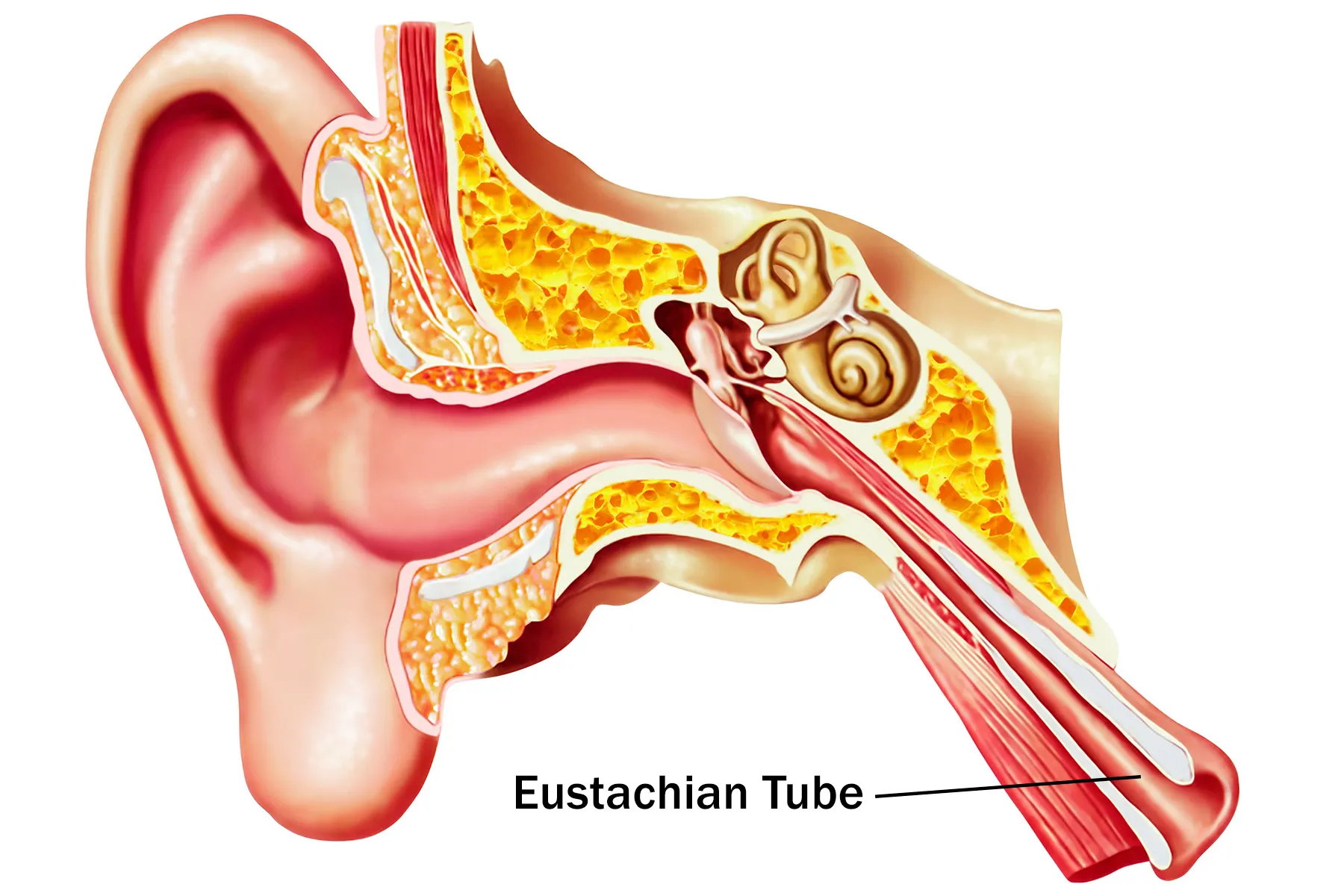
The Power of Steam: Your Personal Ear Sauna
Who doesn't love a good steam session? Whether it’s a luxurious sauna, a steamy shower, or even just a mug of hot tea, the warmth and moisture can work wonders for clogged Eustachian tubes. The steam helps to thin out mucus, making it easier for your tubes to drain.
For a DIY ear spa, try this: Fill a large bowl with hot, steaming water. Drape a towel over your head, creating a tent-like enclosure, and lean over the bowl. Take slow, deep breaths through your nose. Be careful not to get too close to the water to avoid burns! You can also add a few drops of eucalyptus or peppermint essential oil for an extra decongestant boost. Just remember, a little goes a long way, and always ensure the oils are safe for inhalation.
Alternatively, a long, hot shower is your friend. Just stand in the bathroom and let the steam fill the air. The humidity will do its magic. Think of it as a mini-retreat for your ears, a moment of calm in your busy day.
The Valsalva Maneuver: A Little Push, A Lot of Relief
This one might sound a bit more medical, but it’s surprisingly simple and effective. The Valsalva maneuver is essentially a controlled way to increase pressure in your middle ear, which can help pop open those stubborn Eustachian tubes. You’ve probably done it instinctively without even knowing the name.

Here’s how it works: Take a deep breath. Gently pinch your nostrils closed with your fingers. Then, gently try to exhale through your nose, as if you’re blowing up a balloon. You should feel a slight pop or click in your ears. It’s crucial to be gentle here. If you blow too hard, you could do more harm than good. Think of it as a polite tap on the door, not a battering ram. Repeat a few times if needed, but don’t force it.
A word of caution: If you have a cold or any kind of ear infection, avoid this maneuver as it can push infected mucus further into your ear. Always listen to your body!
Warm Compresses: Comforting Your Ears
Sometimes, a little external warmth can be just as soothing as internal steam. A warm compress can help to reduce inflammation and promote drainage. It’s like giving your ears a warm, comforting hug.
To create a warm compress, soak a clean washcloth in warm water (not hot!). Wring it out so it’s damp but not dripping. Gently hold the warm washcloth over the affected ear for about 10-15 minutes. You can repeat this a few times a day. It’s a wonderfully relaxing practice, perfect for unwinding after a long day. Pair it with some soothing ambient music, and you’ve got yourself a mini-wellness ritual.
Cultural tidbit: Warm compresses have been used for centuries across various cultures to relieve pain and inflammation. It’s a timeless remedy that speaks to the power of simple, natural care.

Nasal Rinses: Flushing Out the Blockage
If your Eustachian tube issues are linked to sinus congestion or allergies, a nasal rinse can be a game-changer. These rinses help to clear out mucus and allergens from your nasal passages, which in turn can help your Eustachian tubes to open up.
The most common method is using a neti pot or a saline rinse bottle. You’ll need sterile or distilled water mixed with a specific saline solution (usually pre-measured packets are available). Tilt your head over a sink and pour the saline solution into one nostril. The water will flow through your nasal passages and out the other nostril. It might feel a bit strange at first, but many people find it incredibly effective. Remember to follow the instructions carefully and keep your equipment clean!
Think of it as a gentle cleanse for your nasal highways, clearing the path for everything to flow freely. It's like giving your sinuses a refreshing, internal shower.
Hydration is Key: Drink Up!
This might be the simplest advice, but it's often the most overlooked. Staying well-hydrated is crucial for keeping your mucus thin and flowing throughout your body, including your Eustachian tubes.

When you’re dehydrated, mucus can become thicker and stickier, making it harder for your Eustachian tubes to drain. So, make sure you’re sipping on water, herbal teas, or broths throughout the day. Avoid dehydrating beverages like excessive caffeine or alcohol when you’re feeling congested.
Imagine your body as a well-oiled machine; hydration is the essential lubricant that keeps everything running smoothly. It’s not just good for your ears; it’s good for your entire being!
When to Call in the Professionals
While these home remedies are fantastic for mild to moderate Eustachian tube issues, it’s important to know when to seek professional help. If your symptoms are severe, persistent, or accompanied by significant pain, dizziness, or discharge from your ear, it’s time to consult a doctor or an audiologist. They can diagnose the underlying cause and recommend more specific treatments, which might include prescription medications or other interventions.
Don’t let ear discomfort keep you from enjoying the symphony of life. A little awareness and some simple, home-based care can make a world of difference. So go ahead, yawn, chew, steam, and hydrate your way to clearer ears and a happier you. It’s all about finding that sweet spot of balance and flow, both in your ears and in your life.
In the grand tapestry of our daily lives, it’s often the subtle, unseen mechanics that keep everything running smoothly. Our ears, with their intricate systems like the Eustachian tubes, are a prime example. We rarely think about them until something feels “off.” But the simple act of yawning before a big meeting, or opting for a warm cup of tea instead of a cold soda when we feel a tickle in our throat, are small acts of self-care that have ripple effects. It’s a reminder that even the most complex biological processes have simple, accessible solutions, and that sometimes, the best remedies are the ones we can find right within our own homes and habits. So next time you feel that familiar ear pressure, remember to take a moment for yourself, embrace a little self-soothing, and let those tubes do their magic. It’s a small step towards a more comfortable, clearer experience of the world around you.