
How To Connect Metal To Wood

Oh, the glorious union! The handshake between two worlds, the metal and wood embrace! It’s like watching a superhero team-up, except instead of capes and cosmic battles, we’ve got screws, bolts, and the sheer joy of making things.
Ever looked at a stunning wooden table with these cool, industrial-looking metal legs and thought, "How did they do that?!" Well, prepare to have your mind gently blown, because connecting metal to wood isn't some ancient arcane ritual performed by druids and blacksmiths. It's totally doable, and honestly, kind of fun!
Think of it as building a bridge between two fantastic materials. Wood, warm and inviting, like your favorite comfy armchair. Metal, sleek and strong, like a race car ready to zoom! Together, they create magic, and you, my friend, are about to become the maestro of this magical orchestra.
The Big Kahunas: Screws and Bolts!
Let's kick things off with the undisputed champions, the dynamic duo of DIY: screws and bolts. These guys are the workhorses, the backbone of any good metal-to-wood connection. They’re the reliable friends who always have your back, no matter how wobbly your project might be threatening to get.
Imagine you've got a magnificent piece of hardwood and you want to attach a shiny metal bracket to it. What’s your go-to move? You grab a screw! It's like the wood is saying, "Come on in, friend metal, make yourself at home!" and the screw drills its way in, creating a snug, secure handshake.
Now, if you’re dealing with something that needs to be super-duper strong, like attaching a heavy metal shelf to a wooden stud, then it’s time to call in the big guns: bolts. These guys are like the power couple, the ultimate handshake.
Screws: The Quick & Easy Handshake
When you're using screws, it's all about finding the right type. You've got your basic wood screws, which have those wonderful, sharp threads that just bite into the wood. Then there are metal screws, which are tougher and can pierce metal more easily.
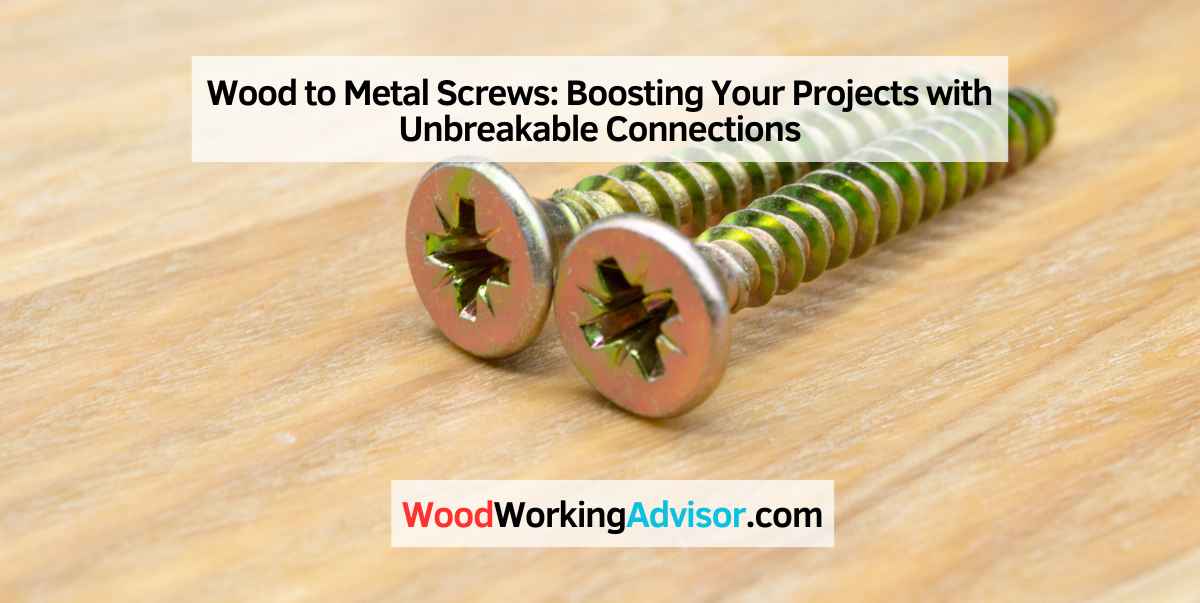
Sometimes, you'll even find specialized screws designed for this very purpose, like self-tapping screws. These are like tiny ninjas, quietly drilling their own perfectly sized hole as they go in. No pre-drilling needed, which means less fuss and more "ta-da!" moments.
For a killer connection, you want the screw to be long enough to go through the metal piece and then sink a good inch or so into the wood. Think of it as giving the screw enough "grip" to really hold on tight. It’s like a super-firm high-five that never lets go.
And here’s a little secret: if you’re attaching metal to something like plywood or MDF (which can be a bit softer), pre-drilling a small pilot hole can be your best friend. It’s like giving the screw a gentle nudge to help it along its way, preventing the wood from splitting and ensuring a smooth entry.
Bolts: The Heavy-Duty Hug
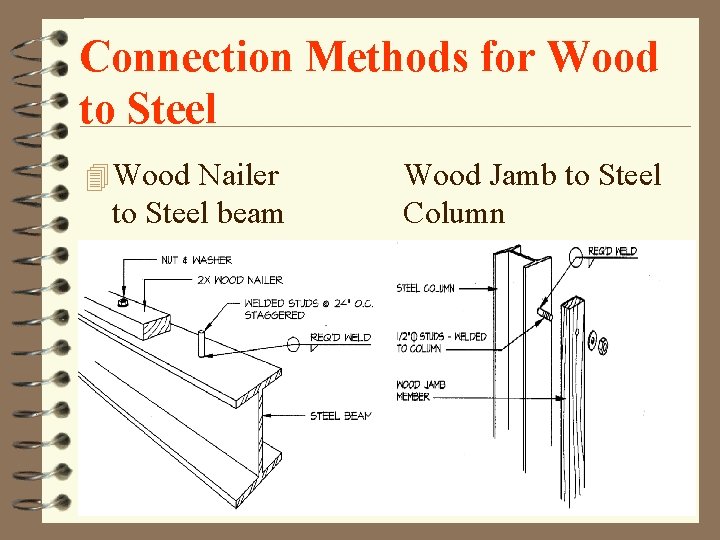
Bolts are where things get serious. You've got a bolt that goes all the way through both the metal and the wood, and then you use a nut on the other side. It's like the metal piece and the wood piece are holding hands, and the bolt and nut are giving them a super-secure hug from either side.
The most common types you'll encounter are carriage bolts and hex bolts. Carriage bolts have that rounded, smooth head, which is great for a clean look, especially on surfaces you’ll be touching. Hex bolts have that hexagonal head, perfect for gripping with a wrench.
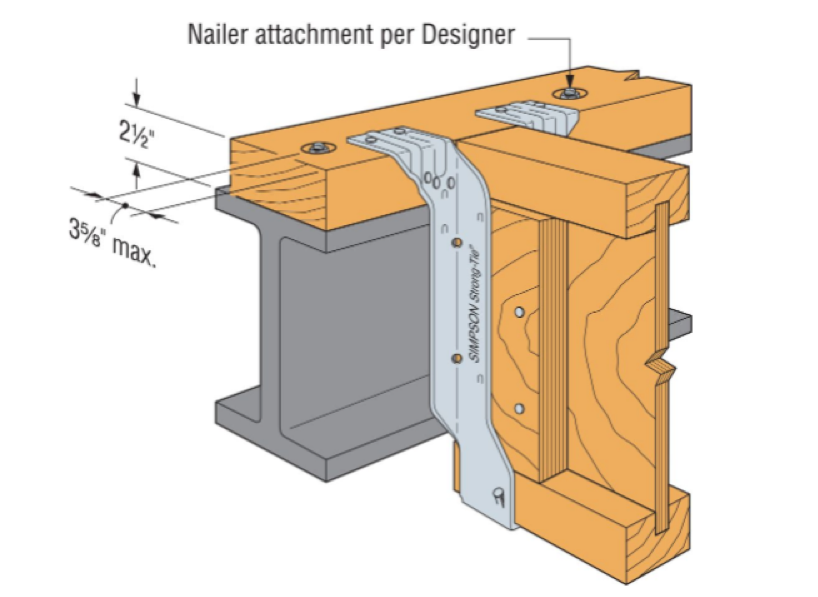
When you're using bolts, you'll definitely need to pre-drill holes that are the same size as your bolt. This is crucial! It’s like creating a dedicated pathway for your bolt to travel through, ensuring a snug and wobble-free fit. Imagine trying to squeeze a watermelon through a straw – not ideal!
Once the bolt is through, you add a washer. Now, don't underestimate the power of the washer! It’s like a tiny bodyguard for your wood, distributing the pressure from the nut. This prevents the nut from digging into the wood and causing damage. It's the unsung hero of the bolt world!
Then comes the nut. You tighten it down, and voilà! You’ve got a connection that can withstand the apocalypse, or at least a really enthusiastic dance party around your furniture.
The Mighty Adhesives: Glue That Sticks!
But wait, there’s more! For some projects, you might not need the brute force of screws and bolts. Sometimes, a good, strong adhesive is all you need for that perfect metal-to-wood marriage. It's like a magic potion that makes them stick together like best friends who can't be separated.

Think about decorative metal accents on a wooden frame, or a small metal plate on a wooden keepsake box. In these cases, the right glue can be your best friend.
You've got your trusty wood glue, which is fantastic for wood-to-wood. But for metal-to-wood, you need something with a bit more grit, something that understands both worlds. Enter the heroes of the adhesive world!
Super Strong Glues for Super Strong Bonds
We're talking about epoxy. This stuff is like super-glue on steroids! It usually comes in two parts that you mix together, and when they combine, they create this incredibly powerful bond. It’s like a chemical handshake that's practically unbreakable.
Another fantastic option is construction adhesive. This is a heavy-duty glue that’s often used for building things. It’s thick, strong, and designed to hold materials together under stress. Think of it as the ultimate bear hug for your metal and wood.
When using glue, surface preparation is key. You want both the metal and wood surfaces to be clean and free of any dust or grease. A little bit of light sanding on the metal can even help the glue get a better grip. It's like making sure both sides are sparkling clean before a big kiss.
Then, you apply the glue, press the pieces together firmly, and let it cure according to the product instructions. This is where patience becomes your superpower. You're essentially letting the glue do its magic, creating an invisible but incredibly strong bond.
The Clever Clamps: Holding It All Together
Now, whether you're using screws, bolts, or glue, there’s one more thing that can be your trusty sidekick: clamps! These are the patient guardians who hold your pieces in place while everything is setting, curing, or getting screwed down. They’re like the encouraging cheerleaders for your project.
Think of those moments when you’ve applied glue and need to hold the metal and wood perfectly still while it dries. That’s where clamps come in! They apply just the right amount of pressure, ensuring a tight connection without you having to stand there with your arms aching.
There are all sorts of clamps: C-clamps, bar clamps, spring clamps. Each one has its own superpower for holding things together. They’re the unsung heroes that ensure your beautiful creation doesn’t drift apart before it’s truly bonded.
So, there you have it! Connecting metal to wood is not some mythical quest. It's an adventure waiting to happen, a chance to create something truly awesome. Grab your tools, embrace the process, and go forth and build! The world of combined materials awaits your creative touch. Happy building!