
How To Connect Pvc To Metal Pipe

So, you’ve got a plumbing project brewing, huh? Maybe you’re adding a fancy new faucet, fixing a leaky pipe, or just generally playing DIY superhero. And then you hit that inevitable roadblock: you need to connect a super sleek, modern PVC pipe to a gritty, old-school metal pipe. Cue the dramatic music!
It might sound like a plumbing puzzle designed by a mischievous gnome, but connecting PVC to metal is actually pretty darn doable. And honestly, it’s way more interesting than just talking about the weather. Think of it as a marriage of materials, a union of the flexible and the rigid. It’s kind of poetic, if you’re into that sort of thing. Plus, mastering this skill? That’s bragging rights, my friend.
The Great Pipe Divide
Why do we even have this situation? Well, sometimes you’re working with an existing metal system and want to introduce some of that easy-to-work-with PVC. Or maybe you’re building something new and need a specific type of connection. Whatever the reason, the gap between PVC and metal needs bridging. It’s like trying to get your cat to share its favorite sunny spot with a robot vacuum. A delicate operation, for sure.
Metal pipes, bless their sturdy hearts, have been around forever. Think iron, copper, galvanized steel – the OG plumbing materials. They’re strong, they can handle high pressure, and they have this certain vintage charm. But they can also be heavy, prone to corrosion (looking at you, galvanized steel!), and, let’s face it, a bit of a pain to cut and maneuver.
Then there’s PVC. Ah, PVC. It’s like the cool kid of the pipe world. Lightweight, super easy to cut and assemble, and it doesn’t rust. It’s the go-to for drainage, irrigation, and a whole lot of other things. But, it’s not always built for the extreme pressures that some metal pipes can handle. So, they’re great together, but they need a little help to hold hands.
The Magic of Adapters
So, how do we make these two different personalities play nice? Enter the pipe adapter. This is your secret weapon, your Gandalf the Grey in the pipe-connecting adventure. Think of it as a tiny, specially designed translator for your plumbing system.
There are a few types of adapters you’ll encounter, and they all have slightly different vibes. The most common ones are designed to screw into your metal pipe and then glue onto your PVC pipe.
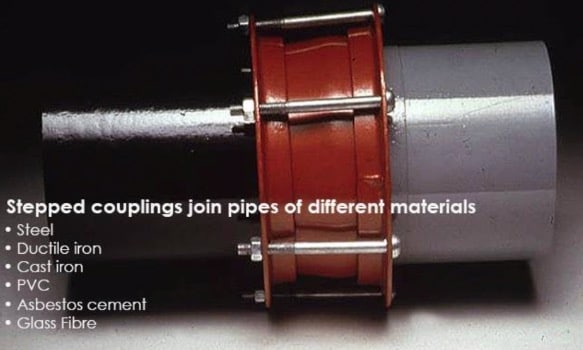
Screw-In Adapters: The Reliable Handshake
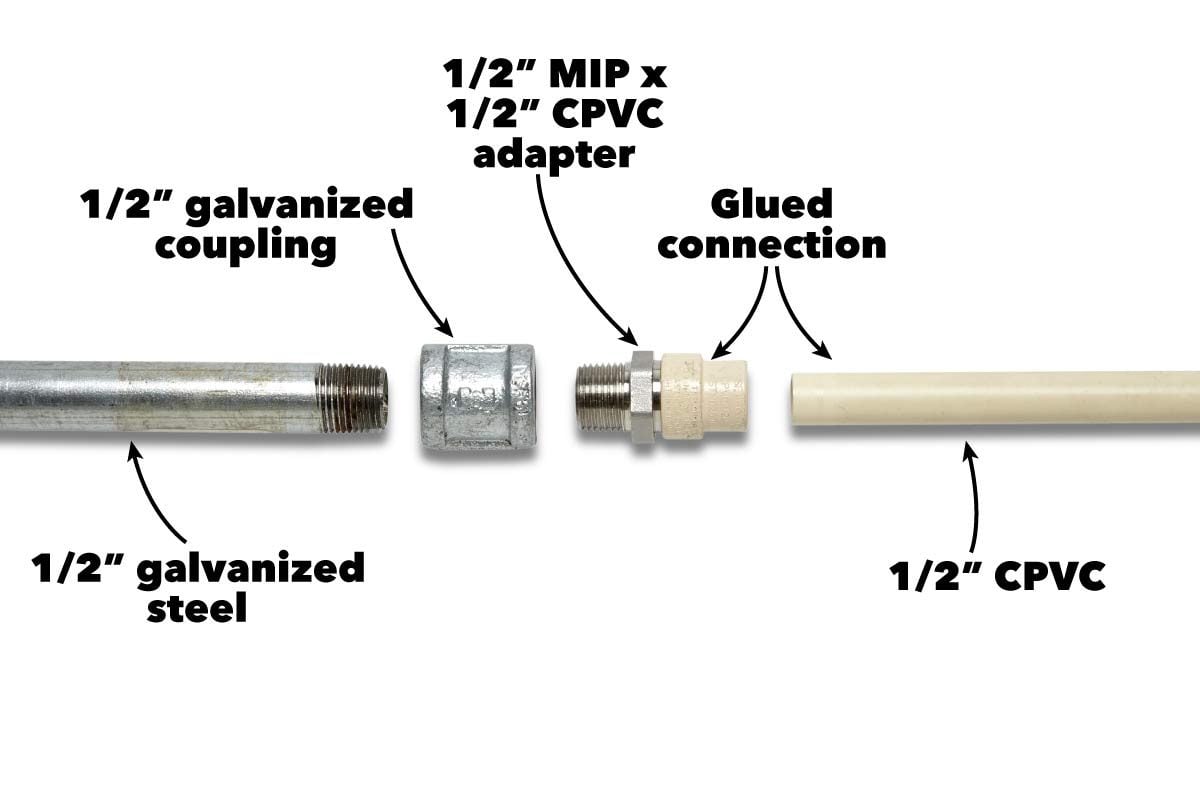
These are your bread and butter. You’ll often find adapters that have a threaded end on one side and a smooth, primer-and-cement-ready end on the other. The threaded end is usually designed to fit into a standard pipe thread on your metal pipe. For example, you might have a male threaded adapter that screws into a female threaded fitting on your metal pipe, or vice versa.
The trick here is getting the right size and thread type. Metal pipes often have National Pipe Taper (NPT) threads. PVC fittings are usually sized by their nominal pipe size and have a different connection method (gluing). So, the adapter acts as the bridge, translating those threads into a surface that PVC cement can grab onto.
When you're screwing it in, a little pipe dope or Teflon tape can be your best friend. It helps create a watertight seal. Don’t overtighten, though! We’re not trying to impress a pipe-crushing robot. Just a snug, secure fit is what we’re after.
Once that threaded end is in place and sealed, the other end is pure PVC bliss. You'll prime it, apply PVC cement, and then push your PVC pipe in with a confident twist. It’s like giving the metal pipe a warm, fuzzy hug with some plastic. And voilà! Connection made.
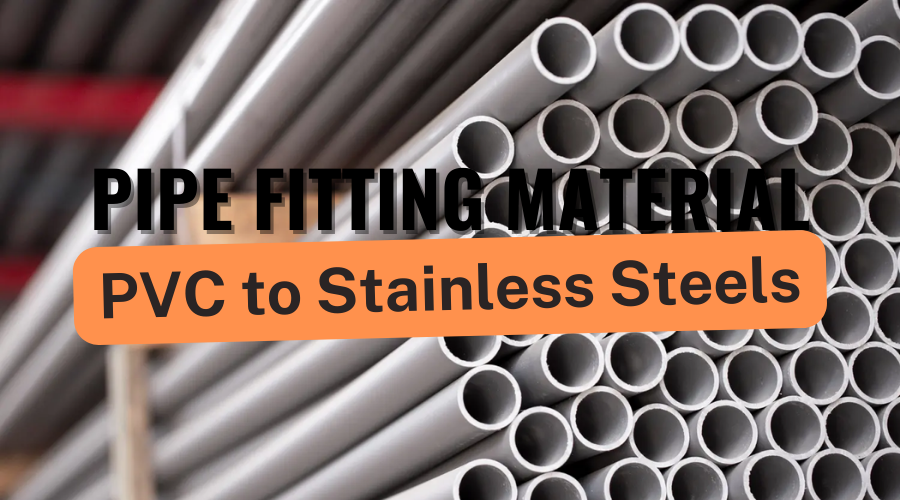
Flanged Adapters: For the Serious Business
Sometimes, especially in larger or higher-pressure systems, you might see flanged adapters. These look a bit more industrial. A metal flange bolts onto the metal pipe, and then a separate fitting connects to the PVC. It’s a more robust connection, like a formal handshake with a sturdy grip.
This method usually involves gaskets and bolts to create a seal. It's definitely a bit more involved than the screw-in adapters, but it’s incredibly secure. Think of it as the heavy-duty superhero suit for your pipe connection.
The PVC Side of Things: Glue and Glory
Now, let’s talk about the PVC side. This is where the magic of solvent cement comes in. It’s not really "glue" in the way you might think. It's actually a solvent that melts the surface of the PVC slightly. When you join two pieces together, the melted surfaces fuse, creating a single, solid piece. Pretty neat, huh?
You’ll need PVC primer. This stuff cleans the pipe and fitting and softens the PVC so the cement can do its job. Think of it as a pre-game pep talk for the plastic. Then comes the PVC cement. It’s a goopy, often smelly, but oh-so-effective substance. Apply it generously to both surfaces, give them a good push-and-twist, and hold them for a few seconds. It’s like a very enthusiastic hug that solidifies into a permanent bond.
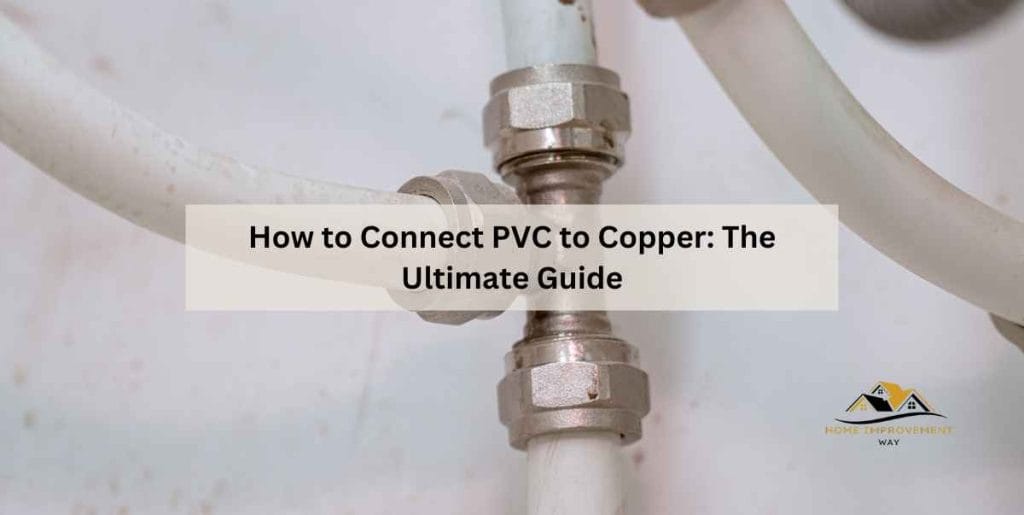
A fun quirk? Different types of PVC cement are for different applications and temperatures. So, if you’re working in a super cold garage, you might need a special kind. It’s like picking the right outfit for the weather, but for pipes.
Quirky Considerations and Fun Facts
Why is this whole topic just fun to talk about? Because it's a little bit of problem-solving, a dash of engineering, and a whole lot of satisfaction when it all works. Plus, who doesn’t love a good pipe-fitting story?
Here's a little nugget: PVC stands for Polyvinyl Chloride. Sounds fancy, right? It's a widely used plastic, and its ability to be molded and bonded makes it perfect for pipes. And when it comes to connecting it to metal? It’s all about finding that perfect intermediary.
Another fun detail: always make sure your metal pipe is clean and free of rust or debris before you attach any adapter. A dirty connection is like starting a conversation with someone who just ate a whole bag of chips. Messy and not a good look.
Also, be mindful of what the pipes are carrying. Water, for most DIY folks, is fine. But if you're dealing with chemicals or something more exotic, you’ll need to ensure your adapters and cement are rated for that. Don't want any unplanned chemical reactions, right? That's definitely not a fun quirk.
And for those of you who like a little extra visual flair, some metal pipes might be coated or painted. You might need to clean or even sand down a small area to get a good bond with certain types of adapters. It’s like giving your metal pipe a little spa treatment before its plastic rendezvous.
The DIY Triumph
So there you have it. Connecting PVC to metal isn't some arcane ritual. It's a practical skill that opens up a world of DIY possibilities. With the right adapter, a bit of pipe dope, and some good old PVC cement, you can conquer that pipe divide.
Think of yourself as a plumbing matchmaker. You're bringing together two different worlds, helping them find common ground (or, in this case, a common connection). It’s a small victory, but a satisfying one. Go forth, and may your pipes always flow smoothly!