
How To Construct A Steel Building

Ever dreamt of a space that’s as sturdy as your favorite pair of jeans and as versatile as a Swiss Army knife? Maybe a workshop where your DIY projects can truly take flight, a cool garage for that classic car you’ve been eyeing, or even a home that embraces a minimalist, industrial vibe? Well, my friends, let’s talk about the wonderful world of steel buildings.
Forget the clunky, old-school image of metal sheds. Today’s steel buildings are sleek, customizable, and surprisingly accessible. Think of them as the ultimate blank canvas for your aspirations. And the best part? Constructing one, while a project, is far more achievable than you might imagine. It’s less about wrestling with raw metal and more about smart design and clever assembly. So, grab a cup of coffee, settle in, and let’s break down how you can bring your steel-clad dreams to life.
The "Why" Behind the Steel: More Than Just Muscles
Before we dive into the nuts and bolts (literally!), let’s appreciate why steel is the superhero of building materials. It’s not just about brute strength, though it’s got plenty of that. Steel is incredibly durable, resisting pests, rot, and fire in ways that traditional wood often struggles with. Imagine saying goodbye to termite inspections and hello to peace of mind. Plus, it’s remarkably resistant to extreme weather. Think hurricanes, heavy snow loads – steel stands tall.
But the magic doesn't stop there. Steel is also an eco-friendly choice. Much of the steel used in construction is made from recycled materials, and it’s 100% recyclable itself. So, you're not just building a structure; you’re making a conscious choice for the planet. It’s the modern way to build – strong, sustainable, and smart. It's like choosing a high-performance electric car over a gas guzzler, but for your home or hobby space.
From Blueprint to Bricks (of Steel): The Planning Phase
Alright, so you’re sold on steel. Now what? The first, and perhaps most crucial, step is planning. This isn't just about sketching out a rough idea on a napkin. This is where you define your vision and ensure everything aligns with local regulations. Think of it as curating your perfect playlist – you want every track to fit.
Know Your Purpose: What will this building be for? A cozy artist’s studio? A robust storage facility? A space for your burgeoning microbrewery? Your intended use will dictate the size, layout, and any specialized features you might need. Don’t be afraid to dream big, but then scale it back to what’s practical and necessary. It’s like ordering at a buffet; you can have it all, but you probably shouldn’t.
Location, Location, Location: Where will your steel building stand? Consider zoning laws, building codes, and utility access. Will you need electricity, water, or sewage? This research is vital. It’s the digital equivalent of checking the weather forecast before a big outdoor event – you don’t want any unpleasant surprises.
Permits and Paperwork: This is the less glamorous, but utterly essential, part. You'll likely need building permits from your local municipality. This involves submitting your plans for approval. Be prepared for a bit of bureaucracy. Think of it as a rite of passage for your awesome new structure. It's like getting your driver's license – a necessary step before you can hit the open road (or, in this case, have your building approved).

Budgeting Like a Boss: Steel buildings can be surprisingly cost-effective, but it’s important to have a realistic budget. Factor in the cost of the building kit, foundation, potential labor, permits, and any finishing touches. Get quotes from several suppliers to ensure you’re getting the best bang for your buck. It's like comparing flight prices; a little research goes a long way.
Choosing Your Steel Canvas: Kits and Customization
The beauty of steel buildings lies in their modular nature. You’re not typically forging every beam from scratch. Most often, you'll be working with a pre-engineered steel building kit. These kits come with all the components you need, precisely cut and ready for assembly. It's like a high-end Lego set for adults, but with significantly more structural integrity.
Pre-Engineered Marvels: These kits are designed by engineers, ensuring strength and stability. They typically include primary framing (the big, structural pieces), secondary framing (smaller structural elements), wall panels, roof panels, and all the necessary fasteners. You can often find kits in standard sizes, or you can opt for a more custom design tailored to your specific needs.
The Customization Vibe: This is where your personality shines through. Steel buildings are incredibly adaptable. You can choose different roof styles (from simple gable roofs to more complex designs), various colors for your panels (think beyond basic gray!), and a multitude of door and window options. Want a massive roll-up door for your workshop? No problem. Need extra windows for natural light in your art studio? Easy. You can even add insulation, mezzanines, and interior walls later on.
Fun Fact: Did you know that the iconic Eiffel Tower is made of wrought iron, a precursor to modern steel? It’s a testament to the enduring strength and architectural possibilities of iron-based structures!
The Foundation: The Unsung Hero
No matter how strong your steel framing is, it needs a solid foundation to rest upon. This is the bedrock of your building’s stability. Think of it as the rhythm section of a killer band – you don't always notice it, but everything falls apart without it.

Concrete is King: For most steel buildings, a concrete foundation is the standard. This can range from a simple concrete slab for smaller structures to a more complex poured foundation with footings for larger buildings. The type of foundation will depend on your building's size, weight, and the soil conditions at your site.
Slab-on-Grade: This is a common and cost-effective option. A flat concrete slab is poured directly onto prepared ground. It’s ideal for garages, workshops, and smaller storage buildings. It’s like laying down a sturdy rug that anchors your whole room.
Strip Footings and Piers: For larger or heavier structures, you might need a foundation that includes strip footings (continuous concrete bases) or piers (individual concrete columns). These provide deeper support and are crucial for bearing significant loads. It’s like giving your building extra stilts to stand on.
DIY or Pro? Pouring concrete can be a significant undertaking. While some brave DIYers tackle it, it often requires specialized equipment and expertise to get it perfectly level and strong. For many, hiring a concrete contractor is a wise investment. You want that foundation to be as perfect as a freshly baked sourdough loaf.
Assembly Time: Putting the Pieces Together
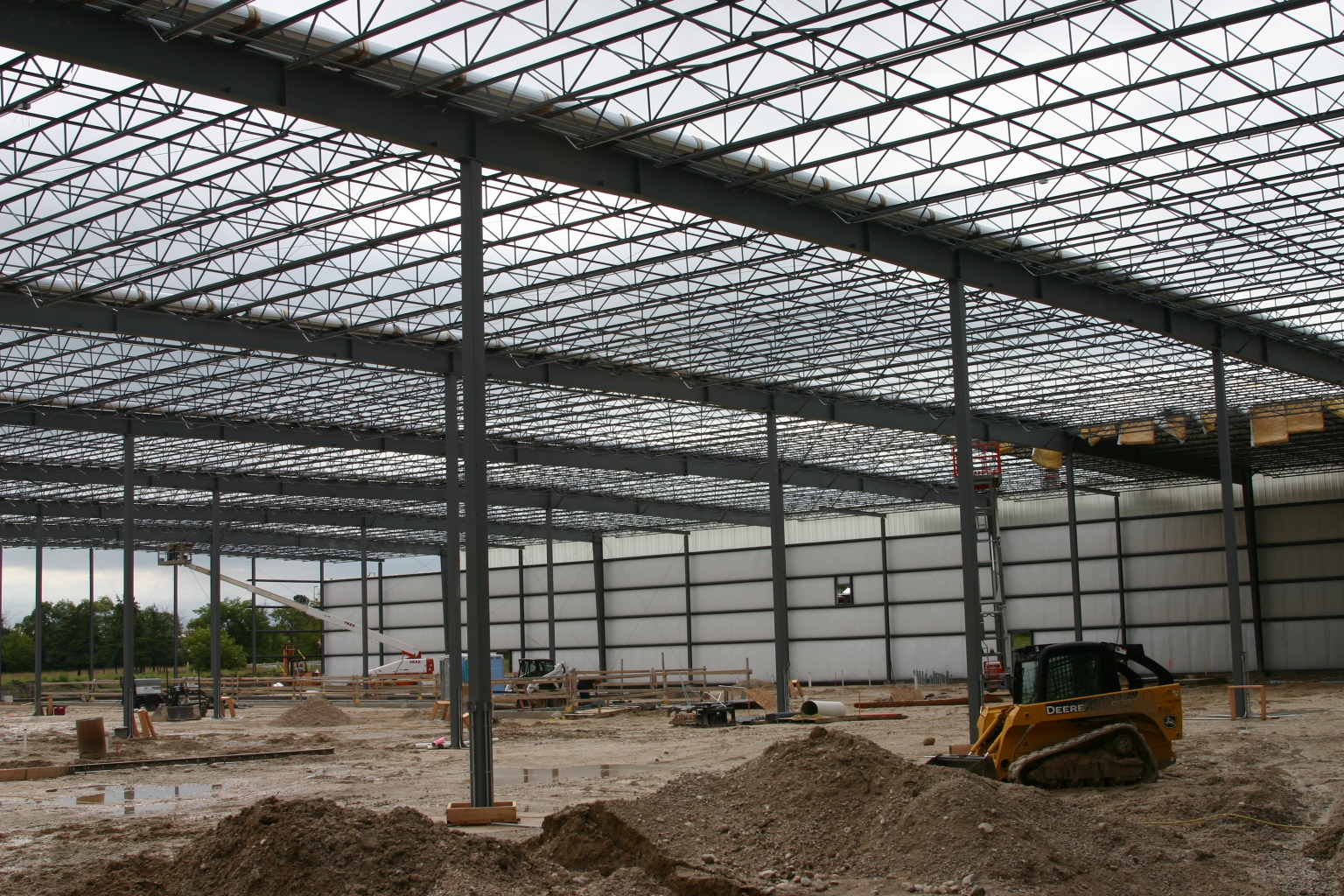
This is where the real magic happens – the transformation from a pile of steel components into a tangible structure. Most pre-engineered steel building kits are designed for efficient assembly, often with simpler bolt-together connections rather than extensive welding.
Read the Manual (Seriously!): Every kit comes with detailed instructions. Read them thoroughly before you even unpack the first piece. It’s like following a recipe for your favorite dish; you wouldn’t skip a step, would you?
Gather Your Tools and Crew: You’ll need basic tools like wrenches, drills, and a level. Depending on the size of your building, you might also need scaffolding or even a small crane. And a helping hand (or two, or three!) is always a good idea. Think of it like building an epic fort as a kid; it’s more fun and a lot faster with friends.
Framing the Skeleton: The primary framing members (like the I-beams) are usually erected first, followed by the secondary framing. These pieces are bolted together, creating the structural skeleton of your building. It's a bit like assembling a giant, incredibly precise 3D puzzle.
Adding the Skin: Once the frame is up, it's time to attach the wall and roof panels. These are typically metal sheets that bolt directly to the framing. They're designed to interlock, creating a weather-tight seal. It’s like dressing your skeleton in a sleek, protective suit.
Doors, Windows, and Finishing Touches: Now you’ll install your doors and windows, making your building functional and letting in that beautiful natural light. This is also when you might add any exterior trim or fascia to give it that polished look.
Pro Tip: Many steel building suppliers offer installation services or can recommend experienced local crews. If you’re not comfortable with heights or heavy lifting, this is a worthwhile expense. It's like hiring a professional chef for a fancy dinner party – you get a great result without the stress.

Beyond the Build: Making it Yours
Congratulations! You’ve got a steel building. But the journey doesn’t end with the last bolt. Now comes the fun part: making it truly yours.
Insulation Nation: Depending on your climate and intended use, you’ll want to insulate your building. This makes it more comfortable year-round and can help with energy efficiency. Spray foam, fiberglass batts, or rigid foam boards are common options.
Interior Design Dreams: Will you leave the interior raw and industrial, showcasing the steel beams? Or will you clad the walls with drywall, wood, or other materials? The choice is yours. You can paint it, add shelving, install lighting, and create the exact atmosphere you desire.
Powering Up: If you haven't already, get those utilities connected! This is crucial for any practical use of your building. Electricity is a game-changer for lighting, tools, and comfort.
Cultural Nod: Think of artists like Andy Warhol, who embraced industrial spaces for his studio and famously hosted parties in his "The Factory." Steel buildings offer a similar raw, creative potential.
A Reflection: Building More Than Just Walls
Constructing a steel building is a tangible process, a series of steps that lead to a solid, lasting structure. But in a way, it’s also a reflection of how we approach our own lives. We plan, we gather resources, we assemble what we need, and we personalize our space. Each bolt tightened, each panel secured, is a step towards realizing a vision. It’s about taking a concept and making it real, something you can touch and inhabit. And just like a well-built steel structure, a life built with intention, with solid foundations and the flexibility to adapt, can stand tall against the elements, offering shelter, inspiration, and a place to truly call your own.