
How To Cook Bacon In A Stainless Steel Pan
Ah, bacon. Just the word itself conjures up a symphony of sizzling sounds, a tantalizing aroma, and the promise of a perfectly crispy, salty delight. Whether it's the star of your breakfast, a flavor-boosting addition to a sandwich, or a guilty pleasure snack, bacon holds a special place in many of our hearts (and stomachs). And while there are countless ways to achieve bacon nirvana, today we're diving into a classic method: cooking bacon in a stainless steel pan. Forget those complicated gadgets; sometimes, the simplest tools yield the most delicious results.
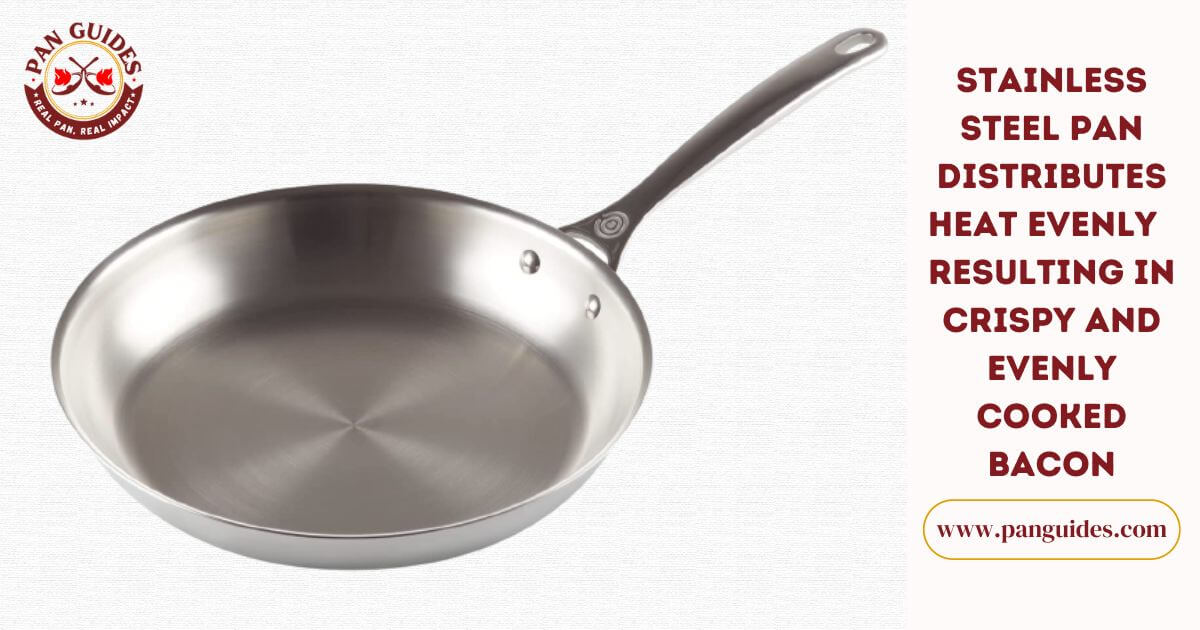
Why bother with the stainless steel pan? Well, it’s a workhorse in the kitchen, beloved for its durability, even heating, and ease of cleaning (relatively speaking, once you get past the initial grease). When it comes to bacon, a stainless steel pan offers a fantastic platform for achieving that coveted crispiness. It allows for excellent heat control, which is crucial for rendering out the fat properly and preventing those dreaded burnt edges before the rest of the strip is cooked. This method is incredibly versatile, easily scaling up or down depending on how much bacon you're craving – a single slice for a quick snack or a whole pound for a brunch feast.
Think about it: the satisfying crunch of bacon atop a stack of pancakes, the smoky, savory layer in a BLT, or even crumbled over a hearty salad. These are everyday culinary joys that a perfectly cooked piece of bacon elevates. The beauty of the stainless steel pan method is its straightforwardness. You don't need special equipment; just a good quality pan, your favorite bacon, and a little bit of patience. It’s a fundamental cooking skill that unlocks a world of flavor and texture.
Now, for the practical tips to make your stainless steel bacon experience even more enjoyable. First and foremost, start with a cold pan. This is key! Don't preheat your pan before adding the bacon. Lay your bacon strips flat in a single layer, ensuring they don't overlap. This allows the fat to render slowly and evenly, leading to uniformly cooked bacon. As the pan heats up, the fat will begin to melt, and the bacon will start to sizzle. You’ll notice the bacon curling a bit – that’s a good sign!
Next, keep an eye on it. Bacon can go from perfectly cooked to burnt in a flash. As the fat renders, you may want to drain some of it off into a heatproof container (save that liquid gold for future cooking adventures!). Use tongs to flip the bacon frequently, aiming for that beautiful golden-brown hue on both sides. The exact cooking time will vary depending on the thickness of your bacon and your desired level of crispiness, but generally, it takes about 8-12 minutes. Once it’s achieved your ideal crisp, transfer the bacon to a plate lined with paper towels to absorb any excess grease. And there you have it – a batch of delicious, perfectly cooked bacon, ready to be devoured. Enjoy!