
How To Cut Aluminium Tube
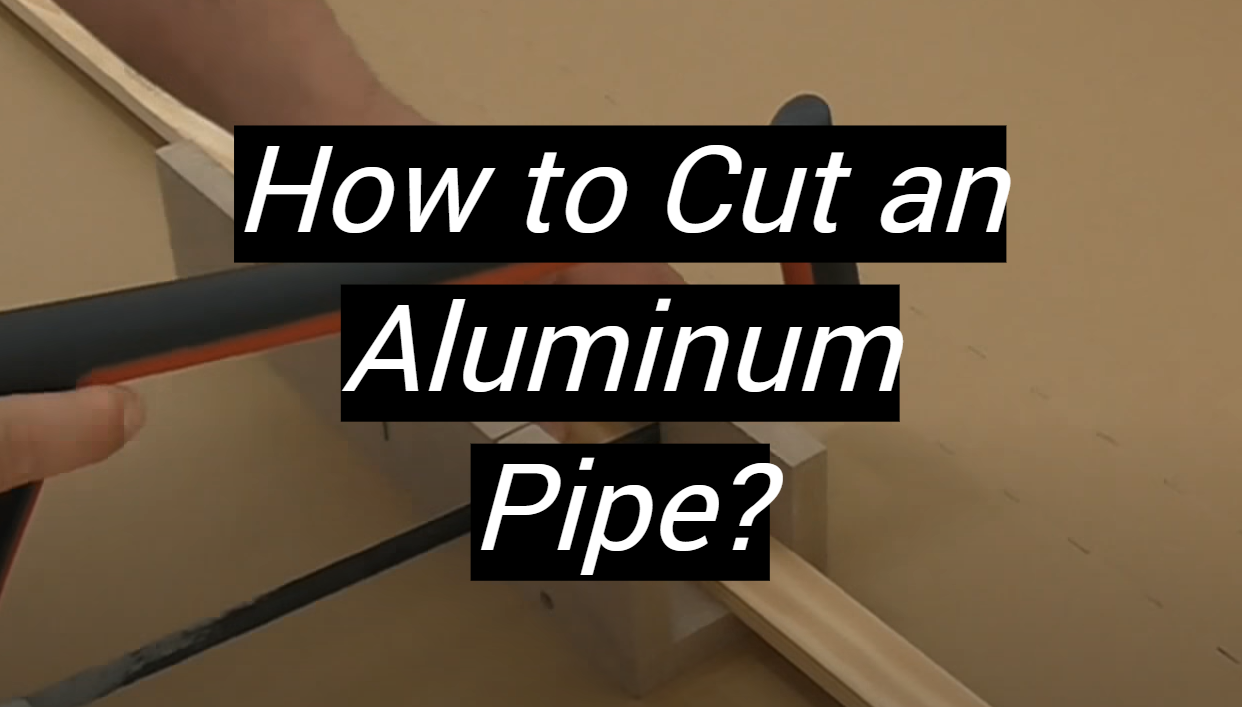
Hey there, you crafty cat! So, you've got some shiny aluminium tube lying around, huh? Maybe you're building a ridiculous go-kart, a super-sleek shelving unit, or perhaps just trying to replace that wobbly leg on your coffee table. Whatever the reason, you've landed yourself in the exciting world of cutting aluminium tube. Don't sweat it, it's not rocket surgery (though sometimes it feels like it, right?).
Think of this as our little chat over a cuppa, no fancy jargon, just good ol' practical advice. We’re going to get this tube sliced and diced like a pro, without losing a finger or your sanity. Promise!
So, what's the deal with aluminium tube? It's pretty sweet, isn't it? Light, strong enough for most jobs, and it looks pretty darn good too. But when it comes to cutting it, you've got a few options. We're not going to get bogged down in the science of it all. Nope, we're talking about getting it done, nice and neat.
First things first, safety first, always! This isn't just a suggestion, it's a golden rule. Aluminium can be sharp when it's cut. And nobody wants tiny metal shards doing a disco on their eyeballs. So, grab yourself a decent pair of safety glasses. Seriously, they're your best friend in this scenario. And while we're at it, some gloves are a good idea too. Keep those hands looking pretty, you know?
Now, what tools are we talking about? You've got a few avenues to explore. We could get all fancy with a chop saw or a band saw, but let's be real, most of us are probably not running a full-blown metal fabrication shop in our garages. So, we'll focus on the more accessible options.
One of the most common and easiest ways to cut aluminium tube is with a hacksaw. Yep, that trusty old thing you probably have lurking in the back of your shed. It's the OG of DIY cutting. Now, a regular hacksaw blade is usually for wood. For aluminium, you want a fine-toothed blade. Think of it like this: you don't want big, chunky teeth that will grab and tear the soft metal. You want something that will make smooth, clean cuts. So, make sure you have the right blade. This is a crucial step, don't skip it!
Once you've got your hacksaw and your fancy fine-toothed blade, it's time to get that tube secured. This is another biggie. If your tube is wiggling around like a jelly on a plate, your cuts are going to be all over the place. You want it firmly clamped. A good old vise is your best mate here. Clamp it down good and tight. If you don't have a vise, you can get creative. Maybe some sturdy clamps and a workbench? Just make sure it's not going anywhere.
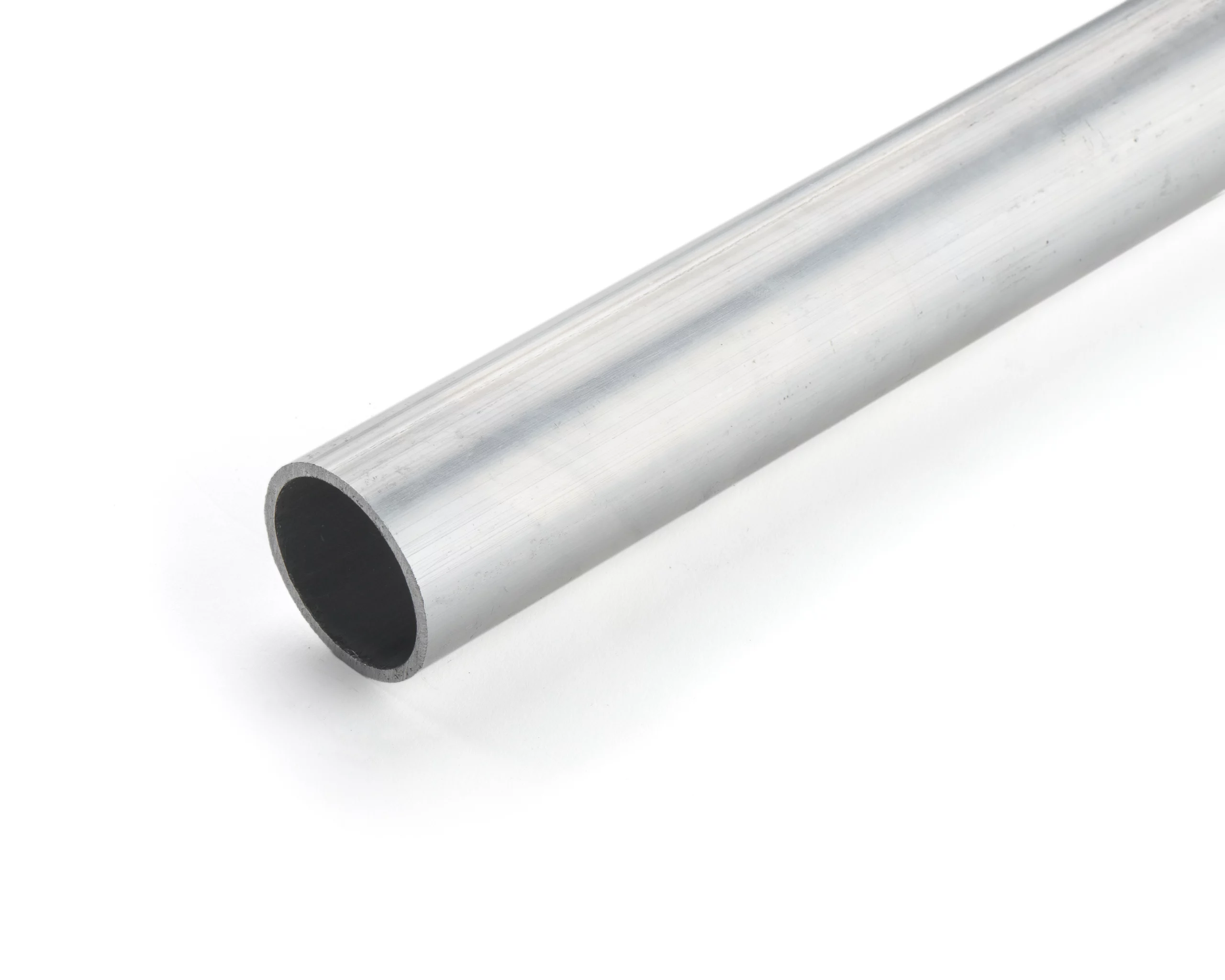
Got your tube clamped? Excellent! Now, mark your cutting line. A marker pen works a treat. Be precise! This is where you want your cut to be. No pressure, but you've only got one shot at perfection, right? (Okay, you can always try again, but it's easier if you nail it the first time.)
With the tube secured and your line marked, you're ready to start sawing. Here's a little trick: start the cut at a slight angle. This helps to get the blade settled and prevents it from jumping. Once you've got a little groove, you can bring the blade to a more perpendicular angle. And patience is key. Don't rush it. Let the blade do the work. Saw with smooth, even strokes. Imagine you're gently persuading the metal, not wrestling a bear. And keep an eye on that line you drew. You're the artist, and the line is your masterpiece.
As you get closer to the end, you might feel a bit of resistance. This is normal. Just keep going, nice and steady. You'll hear that satisfying 'thunk' when the cut is complete. Boom! You've done it. One clean cut.
But wait, there's more! After the cut, you'll likely have some burrs. These are little rough edges left over from the cutting process. They're not pretty, and they can be sharp. So, we need to get rid of them. A file is your go-to tool here. A flat file is usually perfect. Just gently file away those rough bits until the edge is smooth. You want it to feel nice to the touch, like a well-polished pebble. This is important for both looks and safety. Nobody wants to snag their hand on a sharp edge, do they?

So, that's the hacksaw method. Pretty straightforward, right? But what if you're feeling a bit more adventurous, or you've got a lot of cutting to do? Let's explore another option: the hacksaw blade in a D-handle saw. This is basically a beefed-up hacksaw. It gives you a bit more leverage and control, especially for thicker tubing. The principle is the same: fine-toothed blade, secure clamp, steady strokes. It's like the hacksaw's cooler, slightly stronger cousin.
Now, for those of you with a bit more gear, or if you need to make a lot of cuts, you might be thinking about power tools. And that's totally understandable! A reciprocating saw (also known as a Sawzall, if you want to be fancy) can be a real workhorse. But, and this is a big but, it can also be a bit…enthusiastic. You need to be careful with these. Again, safety glasses are non-negotiable. And gloves are a must. You might even want some ear protection. These things can be loud!
When using a reciprocating saw, you'll need a metal-cutting blade. Just like with the hacksaw, a fine-tooth blade is your friend. Clamp that tube down like it owes you money. Start the saw at a low speed and let it do the work. Don't force it. If you push too hard, you're just going to vibrate the thing to death and get a messy cut. Think of it as a controlled power-nudge. And be aware of kickback. If the blade snags, the saw can jump. Keep a firm grip and stand your ground!
Another power tool option, if you're feeling particularly ambitious, is an angle grinder. Now, an angle grinder can cut through metal like a hot knife through butter. It's powerful, it's fast, and it can be a little intimidating. If you're new to angle grinders, I'd suggest you get some practice on scrap pieces first. And again, safety gear, ALL the safety gear. We're talking face shield, heavy-duty gloves, ear protection, and a sturdy apron. Aluminium dust can be a bit of a nuisance, and sparks can fly. Be prepared!

For cutting tube with an angle grinder, you'll need a cut-off wheel designed for metal. Make sure it's the right size for your grinder and that it's in good condition. Clamp your tube down securely. Then, with a steady hand, guide the grinder along your marked line. Don't press too hard. Let the wheel do the cutting. It’s going to be noisy, it’s going to be a bit messy, but if you're careful, you'll get a clean cut. And after you're done, you’ll definitely need to file those edges smooth.
What about something a bit more precise? If you’ve got a miter saw or a chop saw (the ones with the big circular blade), and you can get a specific blade for metal, that can be a fantastic option. These are designed for making clean, straight cuts. Again, you need the right blade – a carbide-tipped metal-cutting blade is what you’re looking for. And, you guessed it, clamp that tube securely. These saws are powerful, so take it easy and let the blade do the cutting. You’ll get super-precise, professional-looking cuts with these if you have them.
Now, there's also a tool called a tube cutter. These are often used for plumbing, but they work on aluminium too. They have a wheel that cuts into the tube as you rotate the tool. It’s a very clean and precise way to cut, and it leaves a nice smooth edge. It’s kind of like a fancy version of cutting a piece of paper with scissors, but for metal. You just tighten the wheel onto the tube, then rotate the tool around the tube, tightening the wheel a little bit with each turn. It takes a bit of effort, but the results are usually beautiful. They’re especially good for making those perfect 90-degree cuts.
And for the really, really serious DIYers or professionals, there are metal band saws. These are amazing. They’re quiet, they’re accurate, and they make cutting through metal feel almost effortless. If you ever get the chance to use one, go for it! But for most of us, they’re a bit of a dream tool. Still, it’s good to know they exist, right?

So, let's recap our journey through the land of aluminium tube cutting. We've got our trusty hacksaw for when we're feeling classic. We've got our reciprocating saw for when we need a bit more oomph. And we've even whispered about the mighty angle grinder (use with caution, friends!). Plus, the neat-and-tidy tube cutter and the dream-machine band saw.
The most important takeaway from all of this? Preparation is key! Make sure you have the right tools, the right blades, and that your workpiece is securely clamped. And for the love of all that is holy, wear your safety glasses!
Don't be afraid to experiment a little. Grab a scrap piece of tube and give it a go. Practice makes perfect, as they say. And remember, it's all about getting that clean, neat cut so your project turns out looking exactly how you envisioned it. You've got this!
So go forth, my friend, and slice that aluminium with confidence! Let me know how it turns out. I'm already picturing your amazing creation. Happy cutting!