
How To Do A Montage In A Screenplay
Ever watched a movie and seen a bunch of quick, exciting scenes flash by, all set to a killer soundtrack, that somehow tell you everything you need to know about a character's journey or a major shift in the story? That, my friends, is the magic of the montage! And guess what? It's not just for Hollywood directors with fancy editing bays. You, yes YOU, can learn to craft a killer montage right in your screenplay. It’s like giving your story a turbo boost, a visual fireworks display that compresses time and packs an emotional punch. It’s incredibly fun to write because you get to play with rhythm, imagery, and the sheer joy of seeing a lot happen in a short burst.
So, what exactly IS a montage in screenplay terms, and why should you care? Think of it as a sequence of short, related shots that are edited together to convey a lot of information or show a passage of time rapidly. It’s a powerful storytelling tool that can serve a bunch of purposes, making your screenplay tighter, more dynamic, and more engaging for your readers (and eventually, your viewers).
Why Use a Montage? The Superpowers of a Screenplay Montage
Let’s break down the superpowers a good montage grants your screenplay:
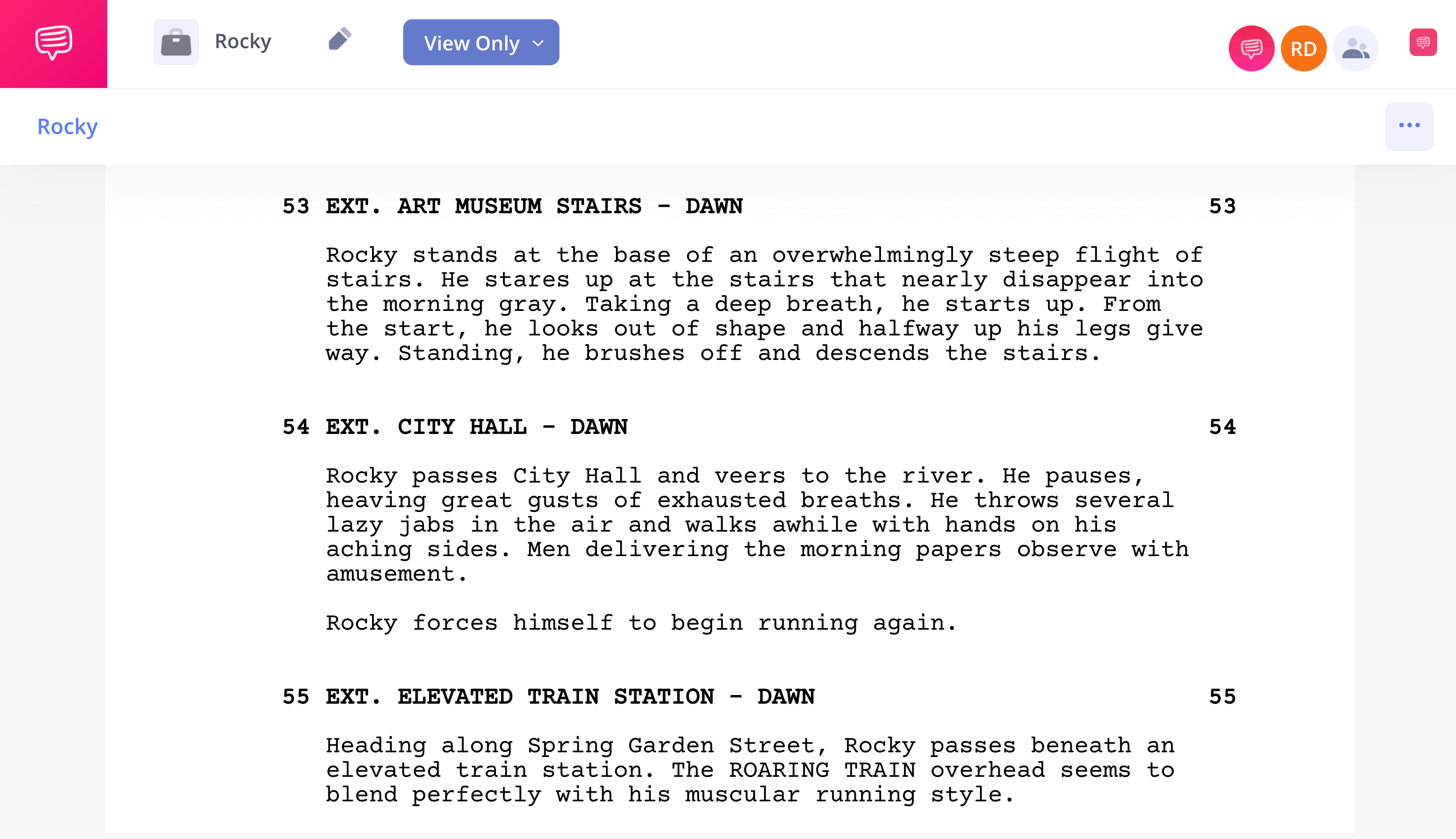
- Compressing Time: This is the big one. Instead of writing scene after scene detailing months or even years of training, falling in love, or building a business, a montage can show it all in a matter of pages. Think of Rocky training for his big fight. We don't need to see every single grueling workout; a montage can capture the essence of his dedication and progress.
- Showing Character Development: Montages are fantastic for illustrating a character's transformation. You can show someone going from timid and unsure to confident and capable, or someone losing themselves to addiction and then slowly pulling themselves back. It’s visual storytelling at its finest.
- Establishing a Relationship: Want to show two characters falling in love? Instead of a series of dates, a montage can show them laughing together, sharing intimate moments, having arguments and making up – all in a rapid-fire sequence that effectively fast-forwards their romance.
- Illustrating a Process or Skill: Whether it's learning a new language, mastering a craft, or the meticulous planning of a heist, a montage can efficiently demonstrate the steps involved without bogging down the narrative.
- Building Excitement and Pace: A well-executed montage can inject a jolt of energy into your script, particularly before a big event or at a turning point in the story. It’s a visual crescendo.
- Conveying a Theme or Mood: A montage can be used to underscore a particular theme, like the relentless march of progress, the isolation of modern life, or the joy of shared experiences.
How to Write a Montage: It’s Not Just Random Scenes!
Now for the fun part: actually writing it! While it might seem like you’re just throwing a bunch of short scenes together, a good montage has structure and intent. Here’s how to approach it:
1. Define the Goal: Before you write a single shot, ask yourself: What do I want this montage to achieve? What information needs to be conveyed? What emotional impact should it have? Is it showing progress? Decline? The beginning of something? The end?
2. Brainstorm the Key Moments: Think about the most important visual beats that will get your message across. What are the iconic images that represent the period or the development you’re showing? Don't worry about order yet, just get ideas down.
3. Structure the Sequence: A good montage often has a beginning, middle, and end, even within its brevity. It might start with the character’s initial struggle or confusion, move through a period of intense effort or growing connection, and culminate in a clear outcome or change.

4. Write in Montage Format: This is where the screenplay itself comes into play. You’ll typically introduce a montage with a scene heading like:
MONTAGE
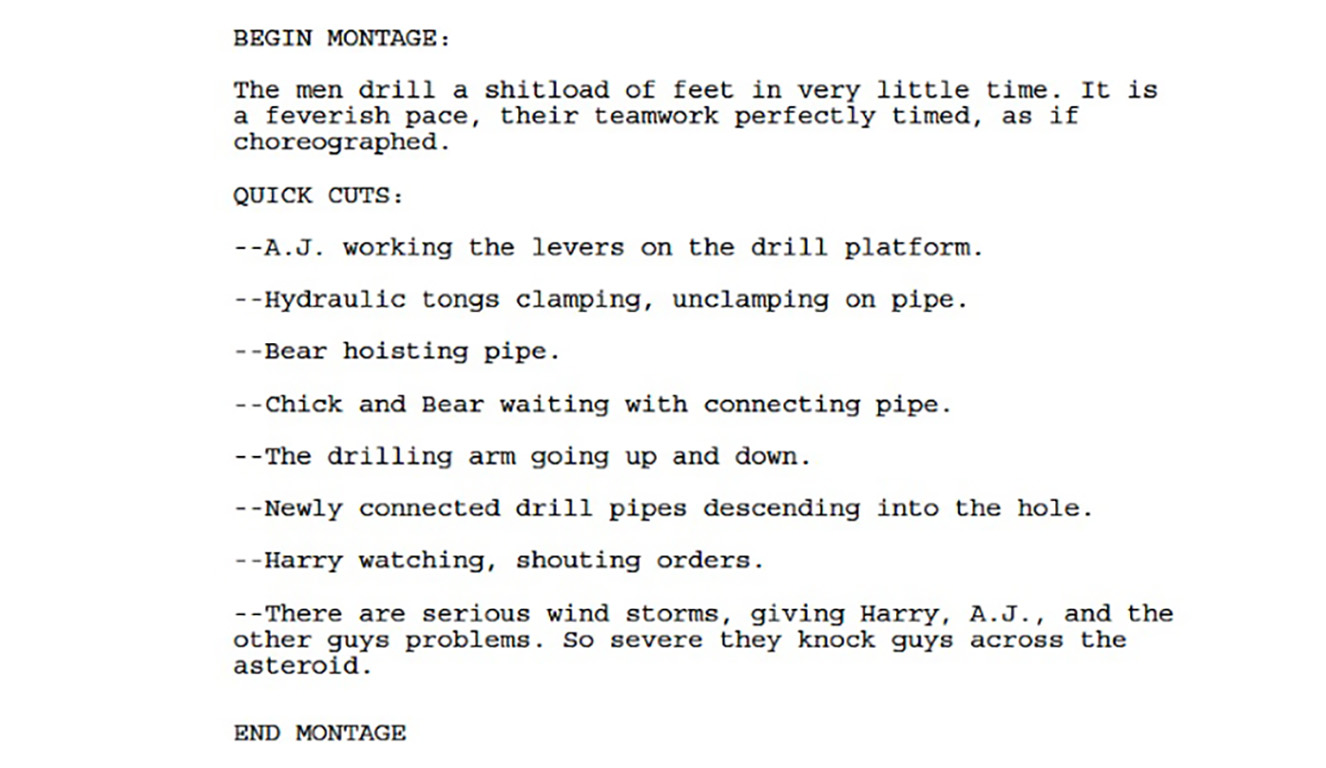
Then, you'll list each individual shot or mini-scene. Each shot description should be concise, vivid, and focused on the action or image. Use strong verbs and descriptive adjectives. Think about the visuals. What are we seeing?

Here’s a simplified example of what it might look like:
MONTAGE INT. SMALL APARTMENT - DAY MARTHA (30s), hair a mess, sits hunched over a laptop, surrounded by empty coffee cups. She types furiously, then groans, deleting entire paragraphs. EXT. COFFEE SHOP - DAY Martha, looking exhausted but determined, pitches her idea to a unimpressed INVESTOR. He shakes his head dismissively. INT. MARTHA'S APARTMENT - NIGHT The apartment is even messier. Martha stares at a blank whiteboard, then grabs a marker and starts furiously sketching diagrams. EXT. PARK - DAY Martha, beaming, shows a prototype to a small group of EXCITED USERS. They nod enthusiastically. INT. BOARDROOM - DAY Martha, now impeccably dressed, presents her business plan to a panel of INVESTORS. They look impressed.
5. Consider the Pacing and Flow: While you don’t control the editing directly as a screenwriter, you can suggest the pace. Vary the length and intensity of your descriptions. Are the shots quick and frantic, or slow and deliberate?

6. The Power of Sound (and Music): While you can’t dictate the exact soundtrack, you can hint at it. Sometimes writers will include a note like “MUSIC SWELLS” or describe a specific sound effect that’s crucial to the montage. This helps the reader feel the intended mood.
7. The Culmination: End the montage with a clear payoff or a significant moment that shows the result of all the compressed action. This is your “Ta-da!” moment.
Writing a montage is like choreographing a tiny dance for your characters and your story. It requires precision, creativity, and a good understanding of what you want to achieve. By defining your goal, brainstorming key moments, and writing with visual clarity, you can transform a potentially lengthy period of your story into a punchy, memorable, and incredibly effective montage that will captivate your readers and elevate your screenplay.