
How To Drill Through Metal With A Hand Drill
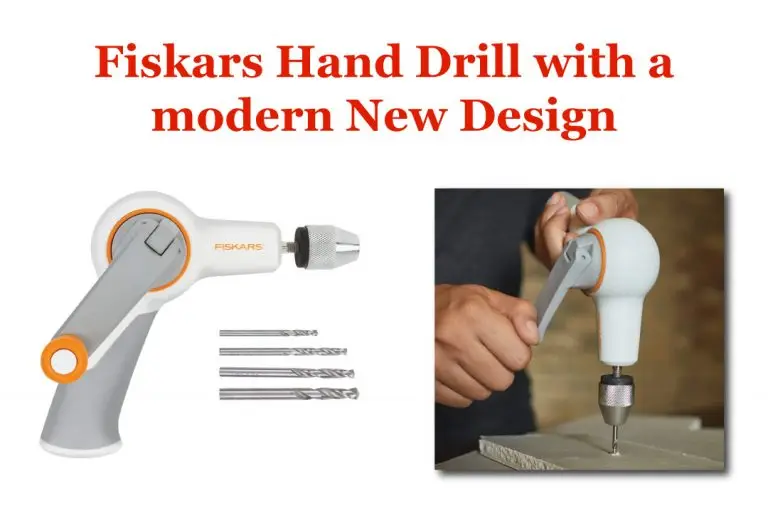
Alright, let's talk about something that makes a lot of people break out in a cold sweat: drilling through metal with a hand drill. You know, the old-school kind. The one that doesn't hum with electric excitement. The one that relies entirely on your muscle power and sheer willpower. It's a bit of an unpopular opinion, I know, but I kind of… like it.
I know, I know. The fancy cordless drills are everywhere. They beep. They flash. They have more settings than a spaceship. But there's a certain primal satisfaction in wrestling with a metal sheet and a good old-fashioned hand drill. It’s just you versus the tin.
Think of it as a tiny, personal workout. A metal-punching meditation. No batteries to die halfway through. No confusing manuals to decipher. Just the satisfying whirr and the slowly appearing hole. It’s the OG of hole-making.
The Gear You'll Need (Besides Grit)
First things first, you need the right tools. This isn't rocket science, but it's also not assembling IKEA furniture blindfolded. You'll want a decent hand drill. Not a toy one that feels like it’s made of cheese. Find one that feels solid in your grip.
Then, you need the star of the show: the drill bits. These aren't just any old wood bits. Oh no. These are the tough guys. The metal-chewers. They're usually a bit darker, shinier, and probably cost more than your favorite coffee. Look for ones specifically labeled for metal. Trust me on this.
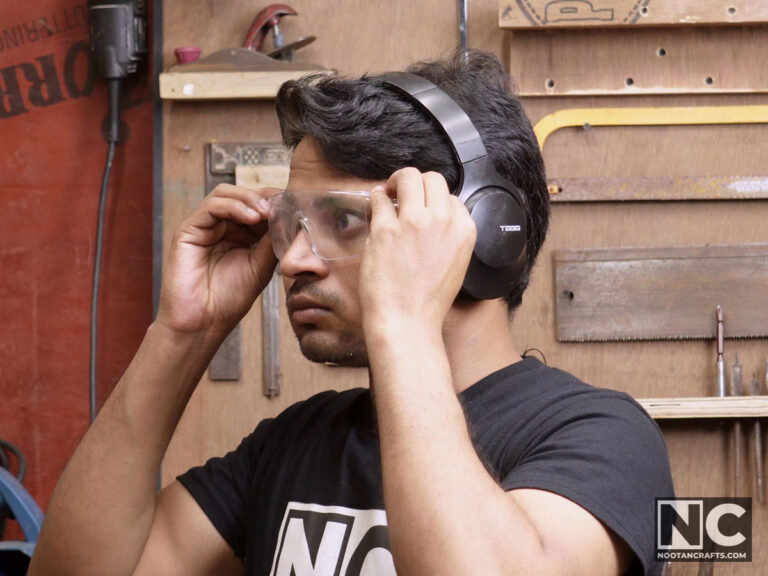
Safety first, always! You’ll want some safety glasses. Metal shavings have a way of finding your eyeballs. Nobody wants that. Also, a pair of sturdy gloves are a good idea. Those edges can be sharp, and you don't want to look like you wrestled a badger afterwards.
And finally, a center punch. This little guy is your best friend. It makes a tiny dent where you want to drill. This stops your drill bit from dancing around like a jitterbug on the metal surface. It’s like giving your drill a little starting point.
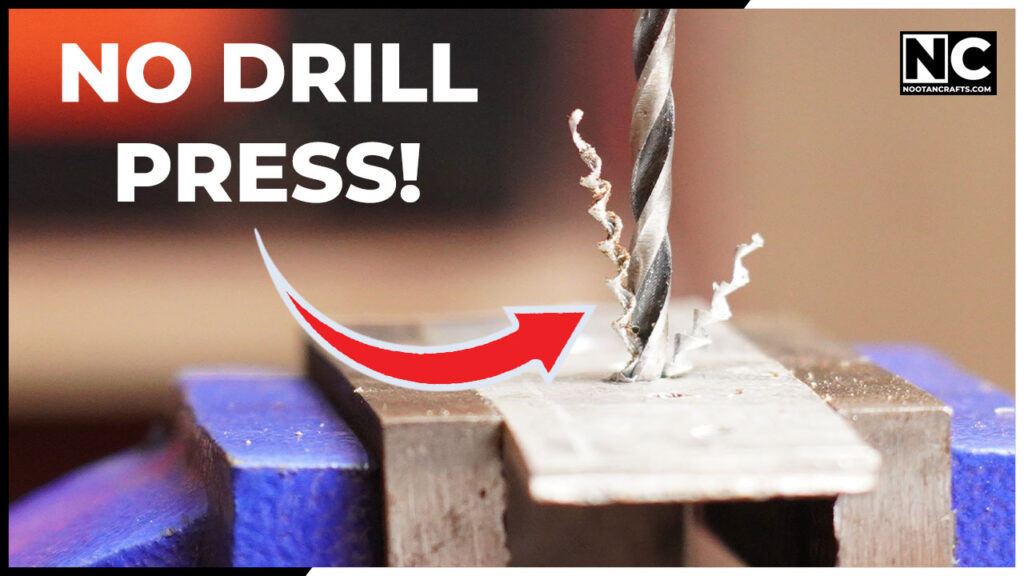
The Dance of the Drill Bit
Okay, you’ve got your gear. You’ve found your metal. Let’s do this. First, decide where you want your hole. Use a marker if you like. A little X marks the spot for your future portal.
Now, grab your center punch. Give it a good whack with a hammer. Not a Hulk Smash, just a firm tap. You want a nice, little indentation. This is crucial for a smooth start. It’s the preamble to the drilling symphony.
Place the tip of your drill bit right into that little dent. Hold the hand drill steady. Get a good grip. You're aiming for perpendicular. Straight up and down, like a skyscraper. No leaning towers of Pisa here.
Now, the fun part. Start turning the handle. Slowly at first. You’ll feel a little resistance. That’s the metal saying, “Whoa there, buddy!” Keep turning. It’s a rhythmic motion. A gentle, insistent push.

You’re looking for that first little bite. That moment when the metal starts to give way. It's like the metal is sighing, “Alright, fine, you win.” Once it’s started, you can pick up the pace a bit. But don't go all out Terminator on it.
Cool it Down, Buttercup!
Here’s a secret weapon that a lot of people forget: lubrication. Yes, your drill bit and the metal are going to get hot. Like, really hot. So hot, they might start to complain in tiny, metallic screams. We don’t want that.
A little bit of cutting fluid or even some WD-40 can work wonders. Just a tiny bit. Dip your drill bit in it every now and then, or dab a bit onto the metal where you’re drilling. It’s like giving your drill bit a cool drink. It makes the whole process smoother and helps your bit last longer.
This is also where you can really appreciate the hand drill. You have direct control over the speed. You can feel when it’s getting too hot and ease up. The power tool might just keep going, melting its way through like a butter knife through a hot steak.
If you’re drilling through thicker metal, you might need to take little breaks. Let things cool down. It's not a race. It’s a marathon of metal manipulation. Think of it as strategic pauses for maximum efficiency.
The Hole is Here! (Or It Will Be)
As you drill deeper, you’ll notice the shavings start to come out. These are the little pieces of metal that were once part of your sheet. They’re like the offcuts of creation. Be careful with them; they can be surprisingly sharp.
Keep turning. Keep that steady pressure. You’ll feel when you’re close to breaking through. The resistance will change. It will feel a bit looser. Almost like the metal is saying, “Okay, you’ve officially conquered me.”
When you’re about to punch through, ease up on the pressure. Seriously. If you ram through it, you can snag the edge and make a mess. A gentle push to finish is key. It’s the grand finale.
And then… ta-da! A hole! A perfect, hand-drilled hole. Admire your work. You did that. With your own two hands and a trusty hand drill. No fancy buttons, no whirring noises of impending doom. Just good old-fashioned effort.
Why Bother? The Joy of the Manual
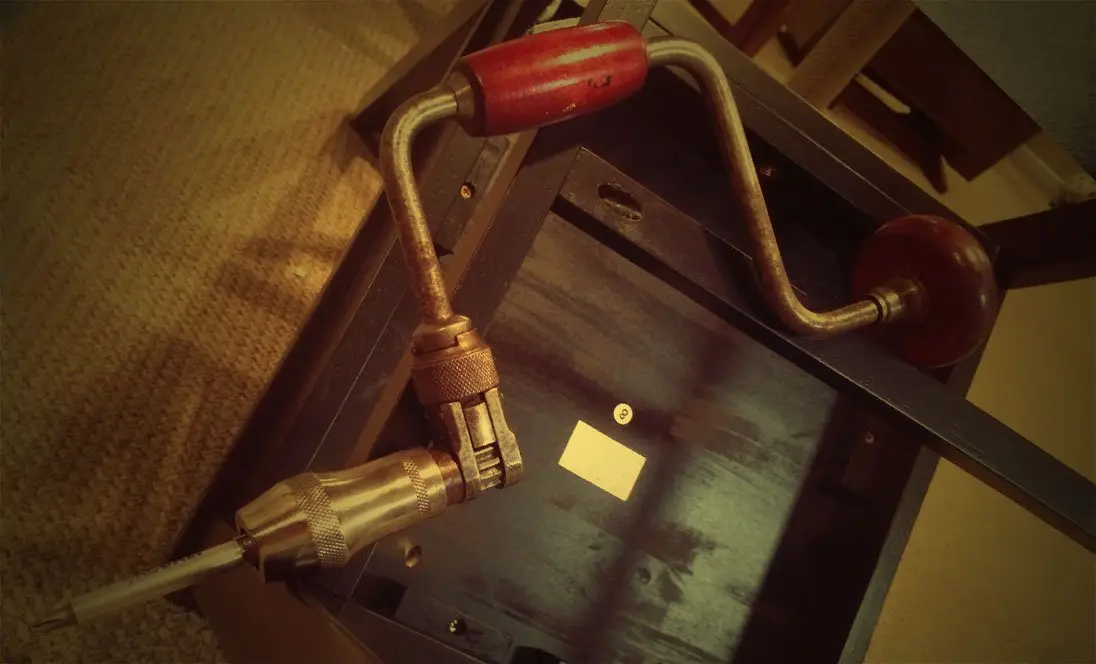
Now, I get it. For big jobs, a power drill is king. It’s efficient. It’s fast. But for those small, fiddly tasks? Or when you just want to feel a bit more connected to the process? The hand drill is a little gem.
It’s about the control. It’s about the satisfaction of doing it yourself. It’s a little bit of a throwback, a reminder of a time when things were made with a bit more… hands-on care.
Plus, it’s a great conversation starter. “Oh, this hole? Yeah, I did that with a hand drill. And my biceps.” It’s a badge of honor, really. A testament to your dedication to the craft, however small.
So, next time you’ve got a small piece of metal to penetrate, don’t automatically reach for the battery-powered behemoth. Give the hand drill a chance. You might just find yourself smiling. A little smirk of satisfaction. And that, my friends, is almost as good as the hole itself.