
How To Find Metal Studs

So, you’ve decided to hang that ridiculously heavy mirror your aunt gifted you, or maybe you’re finally getting around to that DIY shelving project you’ve been dreaming about since, well, forever. The problem? Your walls are currently as mysterious and unyielding as a Sphinx’s riddle, and you’ve got a sneaking suspicion there’s more than just drywall holding things up. We’re talking about the elusive metal studs. Think of them as the unsung heroes of your home’s skeletal structure, quietly doing their job while you’re busy deciding which shade of "greige" to paint your living room.
Let’s be honest, the thought of drilling into a wall can be a little nerve-wracking. You picture wires sparking, pipes bursting, or worse, your carefully chosen paint job ending up looking like a Jackson Pollock experiment gone wrong. And then there’s the dreaded realization that you might have just drilled a perfectly good hole into… nothing. That’s where the metal stud hunt comes in. It’s not about being a seasoned construction worker; it’s about being a clever homeowner armed with a bit of knowledge and, if you’re lucky, a dash of intuition. We’re going to navigate this world of hidden metal like seasoned treasure hunters, minus the eye patches and parrots, of course.
Why metal studs, you ask? Well, they're becoming more and more common, especially in newer constructions or renovations. They’re lightweight, strong, and don't have that pesky tendency to warp or get eaten by termites. So, if your house was built in the last few decades, there’s a good chance you’re dealing with metal. It’s like discovering your favorite comfy sweater is actually made of a high-tech, super-insulating material – a pleasant surprise!
Now, before we dive into the nitty-gritty, let’s set the mood. Imagine you’re a detective. Your wall is a crime scene, and the missing studs are your suspects. You’ve got to gather clues, analyze the evidence, and make an educated guess. It’s not rocket science, but it does require a little bit of detective work. And hey, if it all goes spectacularly wrong, you can always blame it on a rogue squirrel. They’re surprisingly good at redecorating.
The "Tap and Listen" Symphony
This is probably the most universally recognized, and arguably the most satisfying, method. It’s all about sound. Think of it like playing a giant, very boring, drum kit. You’re going to gently tap your wall, moving horizontally across it. Now, pay attention. When you’re tapping on drywall alone, you’ll hear a relatively consistent, somewhat hollow thud. It’s like tapping on an empty cardboard box. You know, the kind you’re supposed to recycle but end up using for storage until it mysteriously vanishes.
But here’s the magic: when your knuckles (or your trusty tapping tool) connect with a metal stud, the sound changes. It becomes a much more solid, distinct thunk. It’s a more authoritative sound, like tapping on a sturdy piece of furniture. You’ll practically hear it saying, "Yep, I’m here! Ready to hold up your prized collection of porcelain cats!"
The trick is to move slowly and systematically. Don’t just go wildly whacking your wall like you’re trying to scare away a ghost. Start at one corner of where you think a stud might be, and work your way across. You’re listening for that change in sound. It’s like finding a hidden note in a familiar melody. Make a mental note (or, you know, a real note with a pencil) where you hear that solid thunk. Repeat this process every few inches.
You'll likely find a pattern. Studs are usually spaced 16 or 24 inches apart, on center. So, once you find one, you can often predict where the next one will be. It’s like playing a game of connect-the-dots, but instead of dots, you’ve got sturdy metal beams. Remember, this method requires a bit of practice, and your hearing might be a little less sensitive than a bat's, but it’s a fantastic starting point. Plus, it’s a great excuse to just… tap on your walls. Who needs entertainment when you have structural integrity?
/steel-beams-at-construction-site-xxl-157433571-57edd3cc3df78c690f2cb6bf.jpg)
Don't be discouraged if it's not perfectly clear at first. Sometimes the drywall is thicker, or there's extra insulation, which can muffle the sound. Just keep at it! Think of it as a mini-meditation session, but with a very practical outcome. You’re becoming one with your wall, understanding its every subtle acoustic cue.
The "Stick and Find" - Magnet Magic!
If tapping isn’t your jam, or if your walls are playing hard to get with their acoustic secrets, fear not! We have another trick up our sleeve: the magnet. Yes, that same magnet that’s been holding your kid’s latest masterpiece to the fridge can be your new best friend. You’ll want a fairly strong magnet for this one – think refrigerator magnet on steroids. A neodymium magnet is ideal, but even a strong craft magnet can work wonders.
Here’s how it works: slowly drag your magnet across the wall, again moving horizontally. If you’ve got metal studs, the magnet will stick. It’s like a metal detector, but way more portable and significantly less likely to set off airport security. You’re looking for that satisfying little clink or the feeling of your magnet latching onto something solid behind the drywall. It’s a very direct, no-nonsense approach.
Again, move slowly and methodically. Start in an area where you’d expect a stud to be. You’ll be dragging the magnet, feeling for any resistance or pull. When you feel that pull, Bingo! You’ve found a stud. Make a mark there. Then, continue dragging the magnet in the same line, about 16 or 24 inches over, to find the next one. It’s like a magnetic scavenger hunt!
This method is particularly useful if you’re dealing with textured walls or if you’re just not confident in your wall-tapping acoustics. It’s visual, it’s tactile, and it’s incredibly satisfying when that magnet suddenly decides to stick. It's proof that sometimes, the simplest solutions are the most effective. Who knew your fridge decorations had such hidden potential?
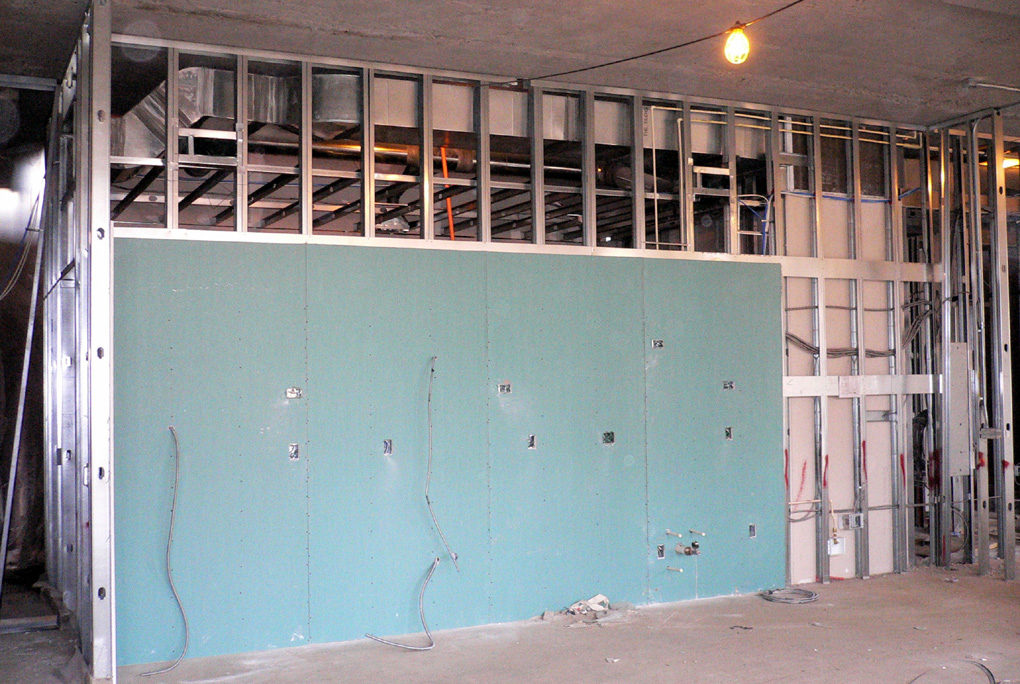
One tip: try this in different spots on the wall to get a feel for the magnet's sensitivity. You might find that it sticks a little better in some areas than others, depending on how directly the stud is positioned behind the drywall. So, don't be afraid to experiment. It’s all part of the fun!
The "Electronic Ear" - Stud Finders!
For those who prefer a more high-tech approach, or for when the first two methods leave you feeling like you’re just randomly poking your house, there are electronic stud finders. These little gadgets are designed specifically for this job, and they can be incredibly accurate. Think of them as your personal wall-whisperer.
There are a few types. The most common are the magnetic ones, which essentially do the same thing as your standalone magnet, but they often have indicators to show you exactly where the stud is. Then there are the more advanced, edge-detecting stud finders that use a combination of sensors (capacitive, electromagnetic, or infrared) to detect changes in density behind the wall. This allows them to pinpoint the center and edges of studs, whether they’re wood or metal.
Using one is usually pretty straightforward. You’ll calibrate it (usually by holding it against the wall and pressing a button), and then you’ll slide it slowly across the wall. When it detects a stud, it will usually beep, light up, or both. Some of the fancier ones will even tell you if there are wires or pipes behind the wall, which is a seriously good peace of mind feature. It’s like having a tiny, incredibly well-informed scout living in your toolbox.
The key to using these is to follow the manufacturer's instructions precisely. They’re not magic wands, but when used correctly, they’re incredibly reliable. They take the guesswork out of the equation and can save you a lot of time and potential wall-related mishaps. It’s the sensible choice for when you want to be absolutely sure before you make that first drill hole.
Remember to move slowly and consistently when using an electronic stud finder. Rushing the process can lead to inaccurate readings. So, embrace the deliberate pace. Think of it as a mindful walk with your stud finder. You’re not just looking for studs; you’re engaging in a peaceful dialogue with your wall.
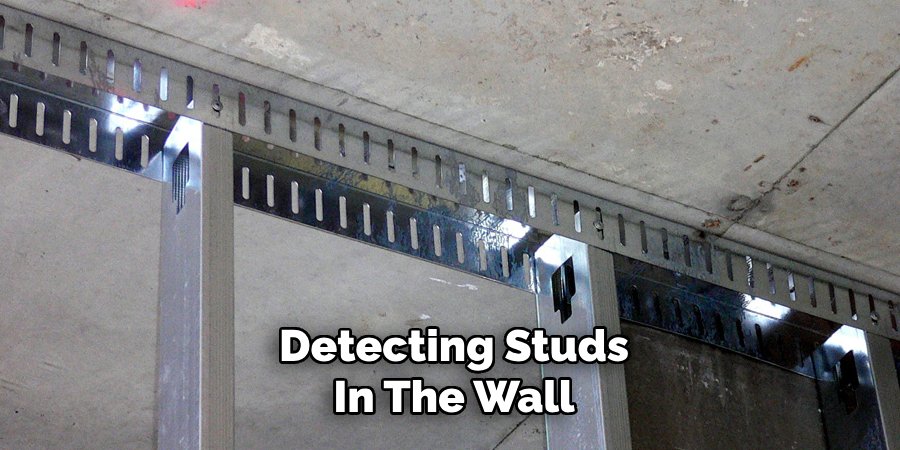
The "Visual Clues" - What to Look For
Sometimes, your wall can offer subtle visual clues, if you know what to look for. This is like reading the tea leaves, but with drywall. Keep an eye out for any faint lines or inconsistencies on the surface of your wall. These might indicate where the drywall panels meet, and studs are typically located behind these seams.
Think about where you might have electrical outlets or light switches. The framing around these areas often includes studs. So, if you're planning to hang something near an outlet, there’s a good chance a stud is lurking nearby, acting as a sturdy anchor point. It's like finding a secret handshake for your wall.
Also, consider the age and construction of your home. Newer homes are more likely to use metal studs, while older homes might still have wood. If you’ve ever seen exposed framing in a basement or attic, that can give you a hint about what’s behind your finished walls. It’s like getting a sneak peek behind the curtain of your home’s architecture.
These visual clues aren't as definitive as the other methods, but they can help you narrow down your search area and give you a starting point for your tapping or magnet-dragging adventures. It’s about gathering all the intelligence you can before launching your attack on the wall.
The "Test Drill" - The Final Frontier
Once you've used your chosen method and think you've found a stud, there's always the final, albeit slightly nerve-wracking, test: the test drill. This is for when you've used a stud finder, or you're reasonably confident from tapping, but you want that absolute certainty before you go drilling a massive hole for your artwork. Grab your drill and a very small drill bit – we're talking pencil-lead thin here. Think of it as a tiny exploratory probe.

Drill a small pilot hole into the spot where you believe the stud is. If you hit metal, you'll feel a definite resistance, and the drill bit will likely scratch or score the metal. If you hit nothing but air and drywall, you'll feel a smooth, easy drill. It's a definitive "yes" or "no."
If you hit metal, congratulations! You’ve found your stud. Now you can proceed with drilling a slightly larger pilot hole for your screw or anchor. If you don’t hit metal, don’t despair. Your stud finder might have been slightly off, or you might have hit a particularly thin section of drywall. Just try drilling a little higher or lower, or shift over a bit, and try again. Remember, even the best detectives have to revisit the scene of the crime.
This is your "money shot," the moment of truth. It's the culmination of all your efforts. Just remember to keep that test drill bit small. We're not trying to create new ventilation systems for your house; we're just confirming a suspicion. And if all else fails, you can always claim the small hole is avant-garde décor.
When in Doubt, Ask for Help!
Finally, if you’re still feeling uneasy, or if your wall is proving to be particularly stubborn and mysterious, there’s no shame in asking for help. A friend who's a bit more DIY-savvy, a friendly neighbor, or even a quick call to a handyman can save you a lot of stress and potential wall damage. Think of it as outsourcing your detective work. Sometimes, a fresh pair of eyes (and a more experienced hand) can make all the difference.
And if you’re really nervous about drilling into your walls, especially if you suspect there might be wires or pipes involved, it’s always best to err on the side of caution. Nobody wants a surprise light show or an impromptu indoor water feature. So, when in doubt, call in the pros. Your walls (and your insurance company) will thank you.
Finding metal studs might seem like a daunting task, but with a few simple techniques and a touch of patience, it’s entirely achievable. So go forth, conquer those walls, and hang that mirror with pride! Or build those shelves! Your home awaits its next glorious transformation, and now you know how to give it the sturdy foundation it deserves.