
How To Get A Hermit Crab Out Of Its Shell
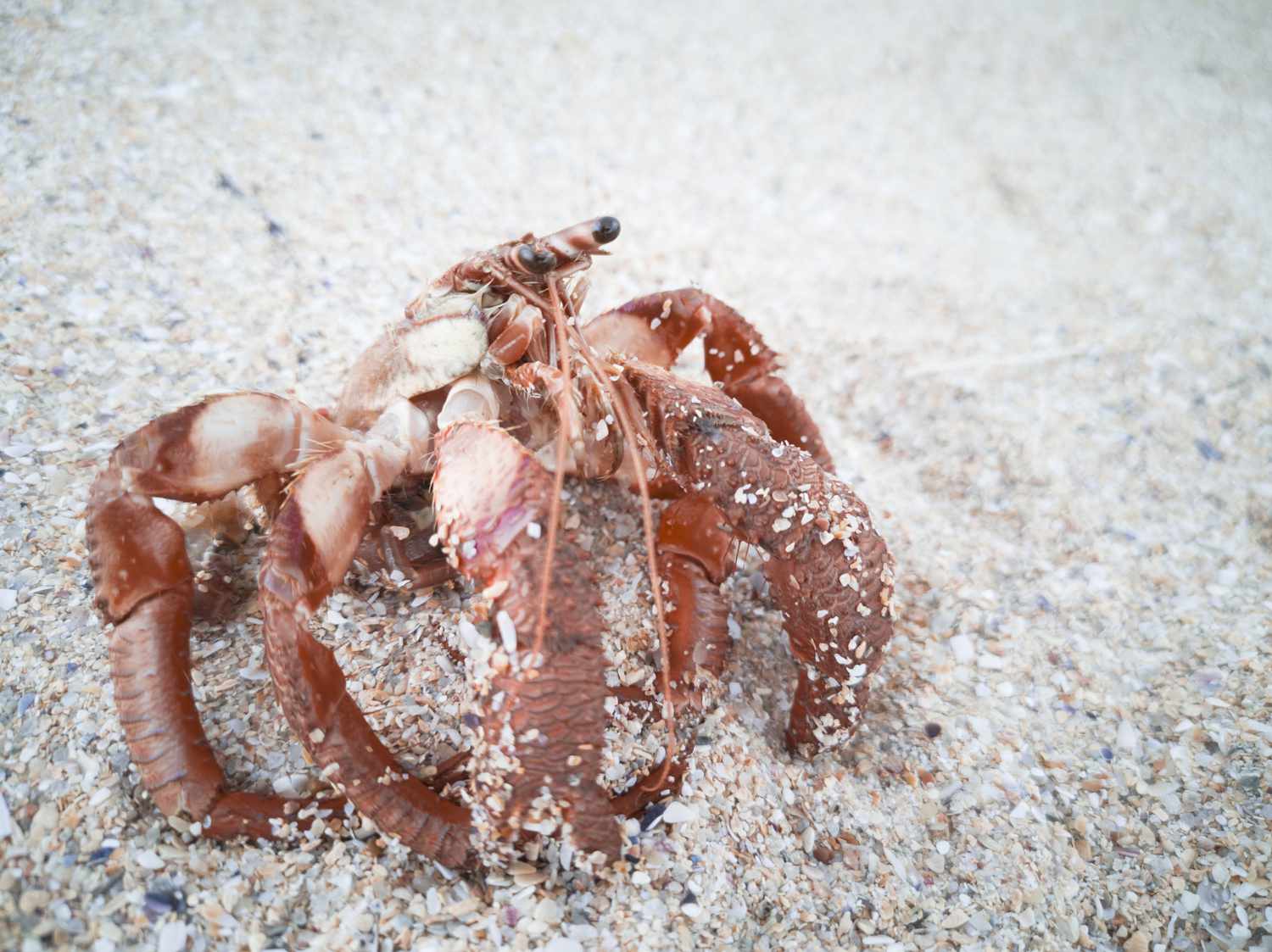
Ah, the hermit crab. Those adorable, scuttling little dudes with their permanently attached portable homes. They’re the ultimate in minimalist living, right? But sometimes, even the most dedicated homebody needs a little nudge. Maybe you’ve got a new, super-luxe shell that’s practically a condo with a view, and your current digs are feeling a bit more… studio apartment. Or perhaps your little critter is just feeling a bit too hermit-y and you're worried they're not venturing out. Whatever the reason, the thought of getting a hermit crab to voluntarily leave their shell can feel like trying to get a teenager off their phone – a delicate operation requiring patience, understanding, and maybe a strategic bribe.
Let’s be real, the idea of physically extracting a hermit crab from its precious shell sounds a bit like trying to pry a limpet off a rock. And frankly, we don’t want to traumatize our tiny tenants! They love their shells. It’s their armor, their security blanket, their whole world, really. So, the key here is to encourage, not to coerce. Think of yourself less as a landlord evicting a tenant and more as a helpful concierge offering a suite upgrade.
The Gentle Art of Shell-Shifting
Before we dive into the nitty-gritty, let's talk about why this might even be a thing. Hermit crabs don't grow their shells; they find them. When they outgrow their current abode, they need to find a bigger, better one. This is a natural process, but sometimes they can be a bit… picky. Or, they might be stressed, sick, or simply hiding out. So, if your hermit crab hasn't switched shells in a long time, or seems lethargic, a new shell might be just the ticket to a happier, more mobile critter.
The most important thing to remember is that patience is your superpower when it comes to hermit crabs. These guys operate on their own timeline, which often feels like a geological era compared to our own. Don't rush it. Think of it like waiting for a perfectly baked sourdough – it’ll happen when it’s ready.
The Shell Swap Strategy: Creating an Enticement
The primary way to encourage a hermit crab to switch shells is to offer them a variety of appealing options. It's like setting up a buffet of beachfront properties. What makes a shell appealing to a hermit crab? Well, it’s all about the fit and the feel.
Size Matters: This is paramount. The shell needs to be the right size for your crab. Too small, and they won’t be able to fit their body comfortably. Too large, and it’s cumbersome and offers less protection. A good rule of thumb is that the opening of the shell should be about the same size or slightly larger than the crab’s largest leg segment. You can often gauge this by looking at your crab when they’re partially emerged from their current shell.
Shell Weight and Texture: Hermit crabs often prefer shells that have a bit of weight to them. This provides stability and makes them feel more secure. Smooth, polished shells might look pretty to us, but often, shells with a bit of texture or a slightly rougher interior are more appealing. Think of it as good grip!

Internal Cavity: This is a crucial, often overlooked detail. The inside of the shell needs to be clean and have enough space for the crab to turn around and move within. If the internal spiral is too tight or blocked, it’s a non-starter. Some experienced keepers will gently rinse out used shells to ensure they’re clean and appealing. Remember to only use dechlorinated water for this. Tap water can be toxic to these sensitive creatures.
The Variety Pack: Offer a range of shell types. Popular choices include turbo shells, moon snails, and various whelk shells. Experiment! Some crabs have surprising preferences. Don’t be afraid to offer shells with different opening shapes and depths. The more options you provide, the higher the chance one will be a perfect match. Think of it like a dating app for hermit crabs – you’re presenting a curated profile of desirable mates (shells!).
Creating the "Shell Hotel"
So, how do you present these potential new homes? The best method is to create a dedicated "shell hotel" or "shell shop" within their habitat. This is a designated area where you place the clean, unused shells.
Placement is Key: Don't just dump them in. Arrange the shells so that the openings are easily accessible to your hermit crab. You can bury them slightly in the substrate, prop them up against a piece of decor, or place them in a shallow dish. The idea is to make them look inviting and easily discoverable.

The "Old Favorite" Trick: Sometimes, hermit crabs can be a bit clingy to their current shell, even if it's getting tight. A clever tactic is to place a slightly larger, equally appealing shell right next to their current one. They might investigate the new option, and if it feels right, they'll make the switch when they're ready.
The "Empty Room" Approach: Another method is to place a few desirable shells near where your crab likes to hang out. When they feel secure and curious, they might venture out to explore the new real estate.
When Encouragement Isn't Enough: The "Gentle Nudge" (Use with Extreme Caution!)
Now, we’re entering advanced territory here, and it’s important to stress that this should be a last resort and only attempted if your crab is clearly in distress or has outgrown their shell significantly and refuses to switch.
The "Flip and See": Some keepers will gently turn the crab’s current shell over. This can sometimes startle the crab enough to make them peek out. If they do, they might be more inclined to investigate a new shell if one is readily available. This is a very gentle nudge and requires a good understanding of your crab's temperament.
The "Food Bait" Method: If your crab is particularly food-motivated (and most are!), you can try placing a tiny morsel of their favorite treat (like a piece of fruit or a tiny bit of cooked chicken – always unseasoned and unsalted!) just inside the opening of a new, desirable shell. This can sometimes entice them to venture out enough to investigate, and if the shell is right, they might decide to make the move.

The "Temperature and Humidity Shift" (Again, Use with Caution): Sometimes, subtle changes in their environment can encourage exploration. A slight increase in humidity for a short period might encourage them to seek a more suitable environment, and if a new shell is available, they might investigate. However, never make drastic changes to their habitat, as this can be incredibly stressful and harmful.
What NOT to Do (Seriously, Don't Do This!)
Let's have a quick chat about the forbidden techniques. These are the things that will absolutely terrify your hermit crab and could lead to serious injury or death. Consider this your personal "don't try this at home" PSA:
- Never, Ever Pry: Do not attempt to forcibly remove your hermit crab from its shell. Their abdomen is attached to the inside of the shell by their pleopods (modified appendages), and pulling them out will cause excruciating pain and damage. This is akin to tearing off a limb.
- No Dunking in Water: While hermit crabs need moisture, dunking them in plain water is not helpful for shell-switching and can be dangerous. They need specific salinity levels and are sensitive to contaminants.
- Avoid Sudden Movements and Loud Noises: These creatures are easily startled. Treat them with the utmost gentleness and respect.
- Don't Use Vacant, Dead Shells: If you find a shell on the beach, ensure it is truly vacant and has been cleaned. You never know what might have lived there or what contaminants are present.
The goal is always to provide a safe, enriching environment where your hermit crab chooses to explore and upgrade. Think of it as curating an art gallery for a discerning collector. You provide the masterpieces, and they decide which one best suits their aesthetic and functional needs.
The Science Behind the Shell-Love
Did you know that the hermit crab’s shell is essentially a borrowed luxury apartment? Unlike true crabs, they have soft, vulnerable abdomens that lack a hard exoskeleton for protection. So, they've evolved to seek out abandoned gastropod shells to keep their delicate bits safe from predators and the elements. It’s a brilliant evolutionary hack, like wearing a perfectly tailored suit of armor that you can upgrade whenever you please!

The search for a new shell is a crucial part of their life cycle. When they outgrow their current shell, they become more vulnerable. This is why having a good selection of shells available is so important. A stressed or ill hermit crab might be less likely to switch shells, even if a better option is available. This is where observing your crab’s behavior comes in. Are they active? Eating well? Engaging with their environment? If not, it might be time to re-evaluate their habitat and shell selection.
Interestingly, hermit crabs can sometimes be quite territorial over desirable shells. You might see them inspecting a shell for a long time, even having little "tussles" with other crabs over potential new homes. It’s a miniature real estate market unfolding right before your eyes!
A Reflection: The Art of Letting Go and Upgrading
It’s fascinating, isn’t it? This whole process of shell-switching for hermit crabs. It’s a beautiful metaphor for so many things in our own lives. We, too, sometimes outgrow our "shells" – our comfort zones, our old routines, even our relationships. And sometimes, we need a little encouragement, a gentle nudge, or the presentation of a more appealing opportunity to make that leap.
The hermit crab’s dedication to finding the perfect shell reminds us to be discerning about what we surround ourselves with. Are our environments supporting our growth and well-being? Are we open to exploring new possibilities, even if they feel a little daunting at first?
And perhaps, most importantly, it teaches us about the power of offering support without forcing. We can create the conditions for change, provide the resources, and offer attractive alternatives, but ultimately, the decision to evolve, to upgrade, to shed an old shell and embrace a new one, is an individual journey. So, next time you’re looking at your hermit crab, appreciate their tiny, determined pursuit of the perfect dwelling. It’s a small but profound lesson in resilience, adaptability, and the never-ending quest for a better place to call home.