
How To Get Rid Of Camel Spiders
Ah, the dreaded camel spider. Just the name conjures up images of something straight out of a desert nightmare, right? You might have seen those shocking viral videos that paint them as super-sized, lightning-fast arachnid assassins. Let's just say, they're a bit… dramatized. While they're certainly not cuddly creatures you want sharing your living space, the reality is a lot less Hollywood and a lot more manageable. So, if you’ve found yourself in a land where these eight-legged wonders roam, and you’re wondering how to coexist (or, more likely, not coexist) with them, buckle up. We’re about to demystify the camel spider and equip you with the chillest, most effective ways to keep them at bay.
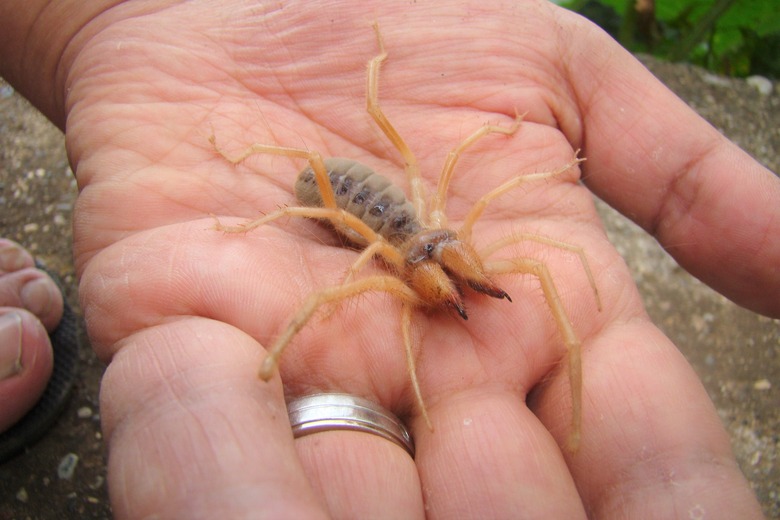
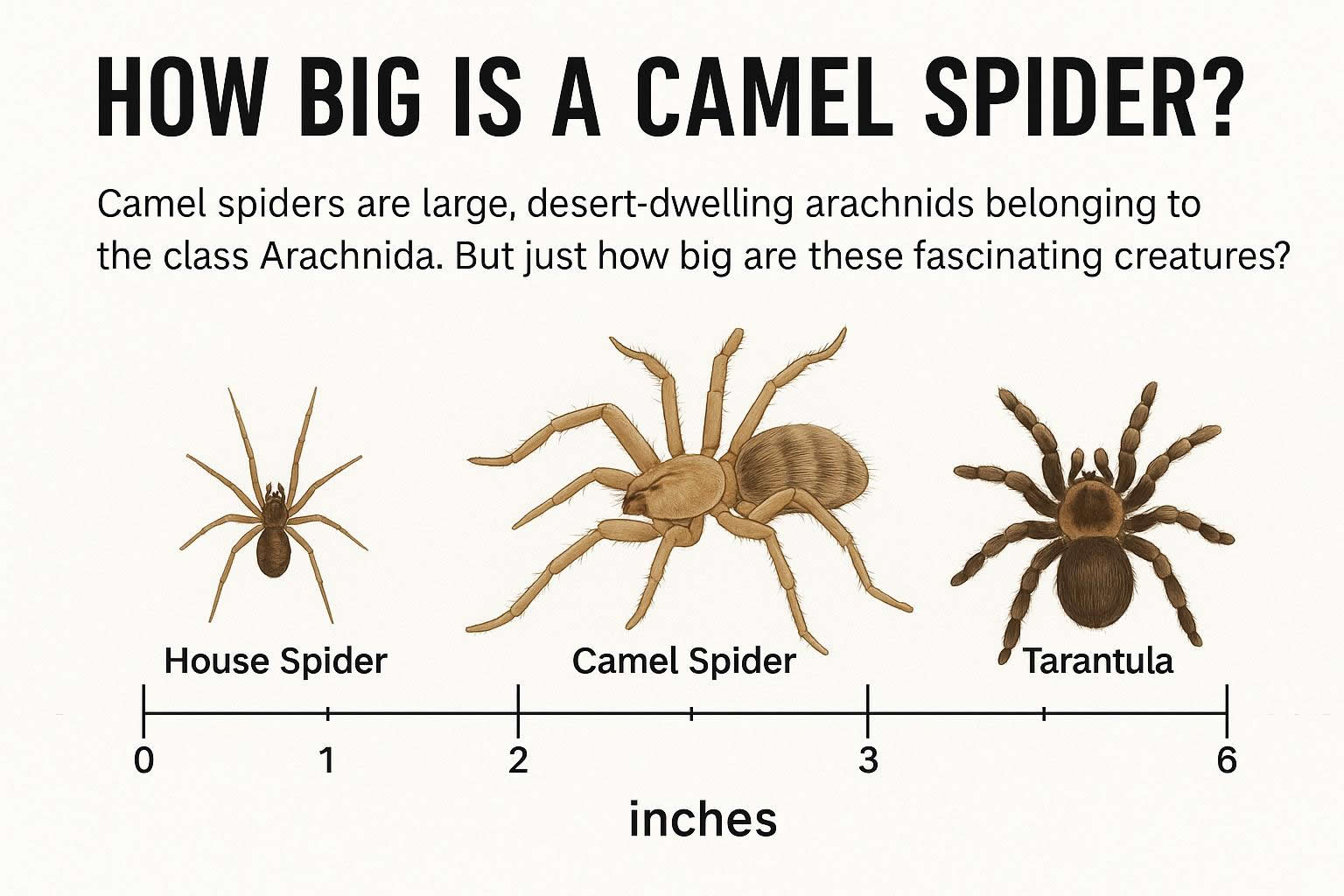
First things first, let’s ditch the fear factor. Camel spiders, or solifugae as they're scientifically known (sounds way cooler, doesn't it?), are more accurately described as wind scorpions or sun spiders. They're not actually spiders, nor are they scorpions, though they share some traits. They're their own unique, fascinating, and sometimes slightly unnerving thing. Their impressive speed and those prominent mandibles can be a bit alarming, but let's remember, they're primarily interested in munching on insects and small critters, not in staging a personal vendetta against you.
The "camel spider" moniker likely comes from their desert habitat and a perceived resemblance to camels. Or maybe it’s just a really catchy, slightly terrifying name that stuck. Either way, if you're finding them around your home, it's usually because they're attracted to the same things that attract their prey: dark, cool places, and a readily available food source. Think of them as tiny, highly motivated pest control specialists, albeit ones you’d rather not have on the payroll.
So, how do we gently, or not so gently, encourage them to seek their fortunes elsewhere? It’s all about making your living space less appealing to them and their dinner guests. Think of it as giving your home a bit of a "detox" from the camel spider's perspective.
The "Keep 'Em Out" Strategy: Fortifying Your Fortress
This is your first line of defense, and honestly, it's the most effective. The less access they have to your home, the fewer awkward encounters you'll have. It's like prepping for a cozy night in – you wouldn't leave the door wide open for just anyone, would you?
Seal Those Gaps: This is where the real magic happens. Take a good, hard look at the exterior of your home. Are there any little cracks, crevices, or gaps around windows, doors, or foundations? These are prime real estate for a camel spider looking for a place to crash. Get yourself some caulk or weatherstripping and get to work. Think of it as giving your home a spa treatment – sealing, smoothing, and generally making it less porous.
Window Woes: Screens are great, but they’re not always impenetrable. Make sure your window screens are in good repair. If you notice any tears or holes, patch them up. A small rip can be like an open invitation to a tiny, eight-legged party crasher.
Door Duty: Ensure your doors are fitting snugly into their frames. A draft stopper or a well-placed door sweep can make a world of difference in preventing unwelcome guests, both the two-legged and the eight-legged variety.
Light It Up (Strategically): Camel spiders are attracted to light, which in turn attracts their prey. While you don't want to live in total darkness, consider using yellow or sodium vapor bulbs for outdoor lighting. These are less appealing to insects, and therefore, less appealing to camel spiders. It's like putting up a "Sorry, Wrong Party" sign on your porch light.
The "Less Food, Less Fun" Approach: Starving Them Out
As we mentioned, camel spiders are predators. They’re out there looking for a meal. If your yard is a buffet, they’re going to stick around. So, let’s make that buffet less appealing.
Bug Bites: Keep your garden tidy. Remove leaf litter, woodpiles, and debris where insects and other small critters like to hide and breed. This reduces their food source, and by extension, the camel spider's food source.
Trash Talk: Keep your trash cans sealed tightly. Overflowing bins are an insect magnet, and you know what that means. Plus, a tidy yard just feels better, doesn't it? It’s a win-win.
Pet Food Prowlers: If you feed your pets outdoors, bring their food bowls in after they’ve eaten. Leftover pet food can attract insects, which, you guessed it, attract camel spiders.
The "Direct Intervention" (When Necessary): Gentle Nudges
Sometimes, despite your best efforts, one of these eight-legged adventurers might still find its way into your personal space. Don't panic! Remember, they're not out to get you. Here are some ways to handle them if you encounter one:
The Cup and Card Method: This is the classic, humane approach. Get a clear cup or jar and a sturdy piece of cardboard or thick paper. Carefully place the cup over the camel spider, then gently slide the cardboard underneath. You've now captured your new (temporary) roommate. Take it outside, well away from your house, and release it. It's like a polite eviction notice.
The Vacuum Venture: If you're feeling a bit squeamish or the camel spider is in an awkward spot, a vacuum cleaner can be your friend. Just be aware that this is not necessarily a lethal method for the spider, and it might emerge later if the vacuum bag isn't emptied promptly and outdoors. Think of it as a temporary relocation to the dustbin dimension.
Natural Repellents (with a Caveat): Some sources suggest that certain natural repellents, like peppermint oil or vinegar, might deter camel spiders. However, scientific evidence for this is limited. It's worth a shot if you're looking for natural solutions, but don't rely on it as your sole defense. You can mix a few drops of peppermint oil with water in a spray bottle and spritz it around entry points. It smells nice for you, and hopefully, less so for them.
Insecticides (Use Sparingly): If you have a significant infestation, or if you're really struggling, commercially available insecticides can be an option. However, it's always best to use these as a last resort and follow the instructions carefully. Consider eco-friendly options if possible. Remember, these can also harm beneficial insects, so use them judiciously.
A Little Fun Fact Break!
Did you know that camel spiders can move at speeds of up to 10 miles per hour? That's faster than Usain Bolt… if Usain Bolt was an arachnid! This incredible speed helps them catch their prey and escape predators. Imagine a tiny, furry race car zipping across your floor! It's enough to make anyone jump, but thankfully, they're usually more interested in a juicy cricket than your shoelaces.
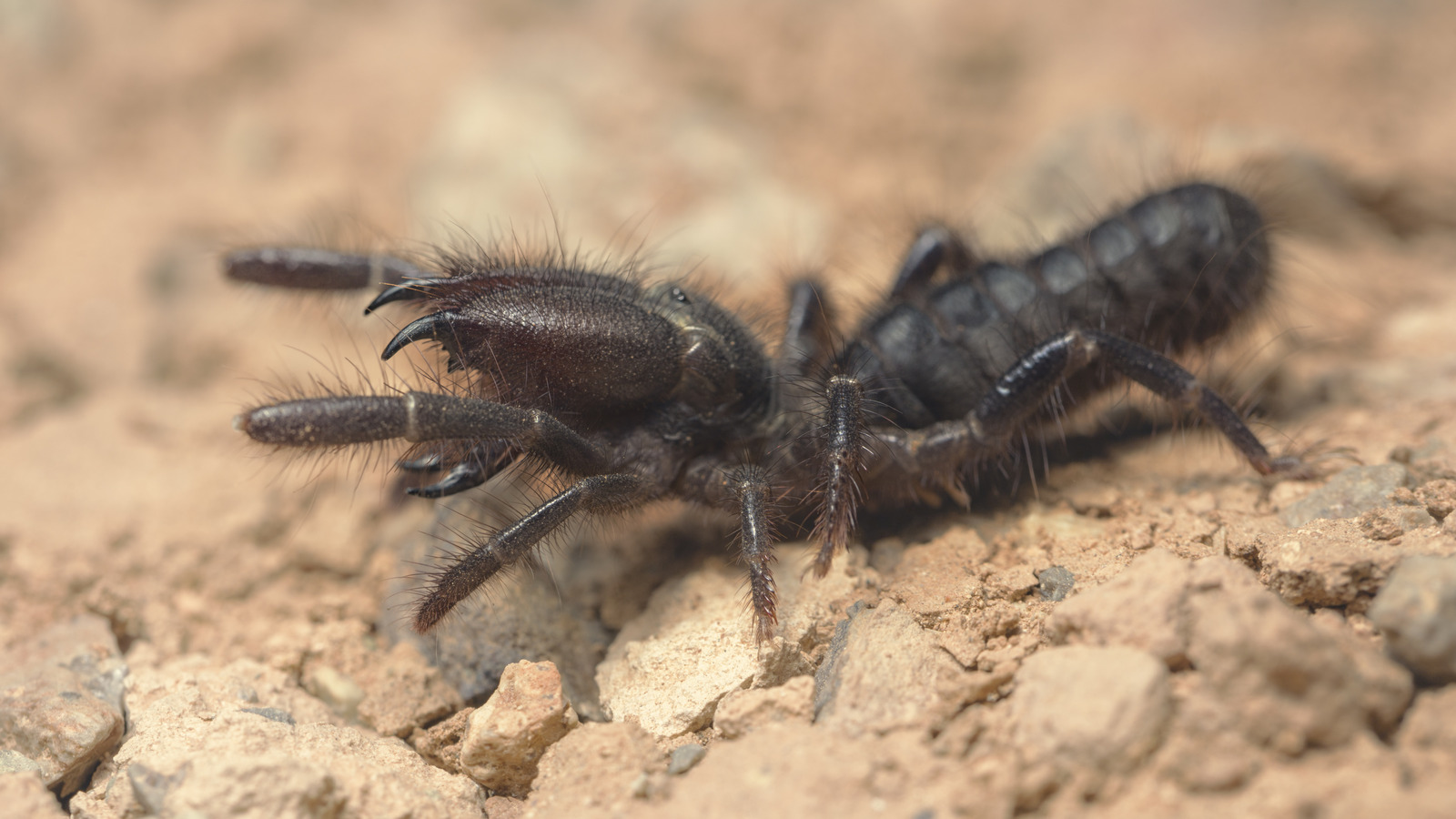
Another interesting tidbit: those huge jaws, called chelicerae, aren't just for show. They're incredibly strong and used for capturing prey, tearing it apart, and even for digging. So, while they look menacing, they’re really just equipped for their daily grind. Think of them as nature’s very efficient, albeit slightly alarming, kitchen utensils.
The Bigger Picture: Living in Harmony (Mostly)
Ultimately, living in an area with camel spiders is about understanding your environment. These creatures are a part of the ecosystem, and while we might not always want them in our personal space, they play a role. The goal isn't necessarily eradication, but rather, management and coexistence. It's about creating a boundary that keeps them out of your home while allowing them to do their thing in the wild.
Think of it like this: you wouldn't expect your neighbors to stop having their own backyard barbecues just because you don't like the smell of smoke. You'd probably just close your windows. It's the same principle here. You're making your home less hospitable, not declaring war on the local wildlife.
The key is to be proactive. A little bit of preventative maintenance goes a long way. Instead of waiting for an encounter that makes you spill your morning coffee, take a few minutes to seal up those cracks. It’s like a tiny investment in your peace of mind.
And if you do spot one, try to approach the situation with a bit of calm. Remember, they’re likely more scared of you than you are of them (or at least, just trying to get by). A little respect for the natural world, even for creatures that make us a bit jumpy, can go a long way in making our homes and our lives feel more harmonious.
So, there you have it. Camel spiders: a little bit scary, a whole lot misunderstood, and entirely manageable with a bit of know-how. Embrace the chill, take a deep breath, and remember that most of life's little annoyances can be handled with a sensible approach. Now, go forth and fortify your fortress, and may your encounters with eight-legged visitors be few and far between!