
How To Get Rust Off A Stainless Steel Sink
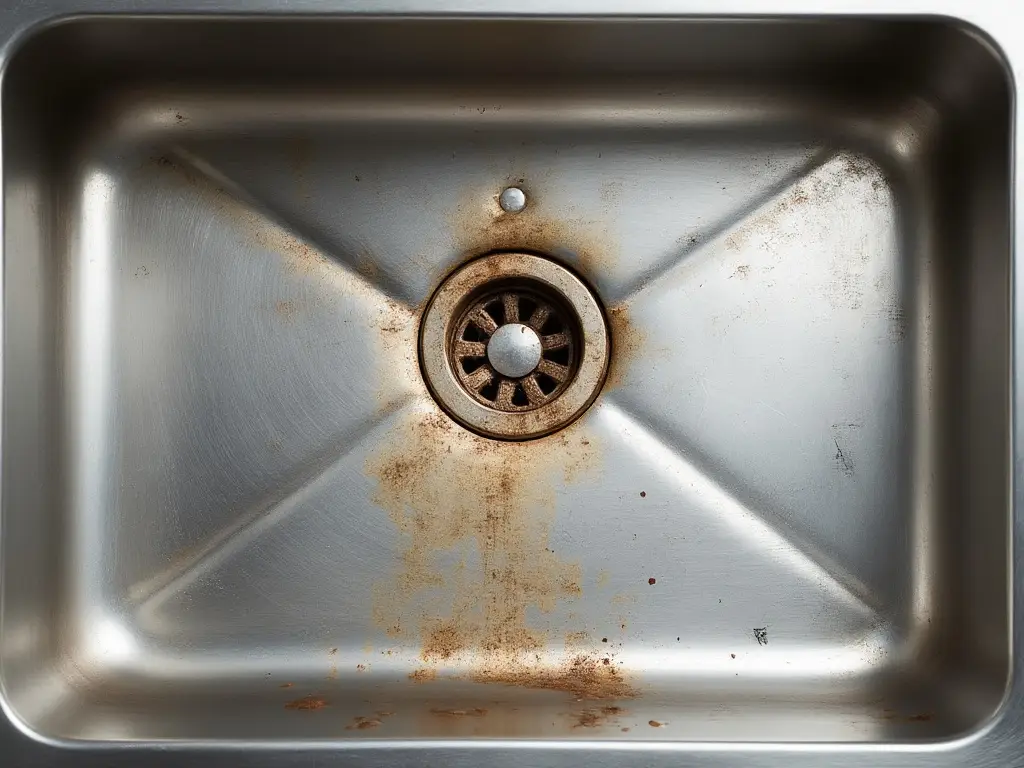
Ah, the humble stainless steel sink! A true workhorse in many a kitchen, it stands tall against spills, splashes, and the occasional dropped pan. But even the most robust stainless steel can sometimes show its age, succumbing to those unwelcome orange-brown spots we lovingly (or perhaps not so lovingly) call rust. Don't despair! Tackling these stubborn blemishes isn't a chore; it's a mini-mission, a satisfying quest to restore your sink to its former gleaming glory. Think of it as a kitchen spa day, but for your sink! It's a surprisingly accessible and rewarding bit of DIY that can make a world of difference to the overall look and feel of your kitchen.
Why Bother With a Rusty Sink? The Glitz and Glamour (of Cleanliness!)
Let's be honest, a rusty sink isn't exactly the centerpiece of your culinary dreams. It can make even the most immaculate kitchen feel a little… unloved. But beyond aesthetics, there are some pretty good reasons to wage war on sink rust:
- First Impressions Count: Your sink is often the first thing you notice when you walk into the kitchen. A sparkling clean sink says "this kitchen is cared for," while a rusty one whispers, "eh, it's… functional."
- Hygiene Habits: While stainless steel itself is non-porous and generally hygienic, rust spots can sometimes be a sign of accumulated grime or even the beginning of pitting, which can harbor bacteria. A clean sink is a happy sink!
- Preserving Your Investment: Stainless steel sinks are built to last, but neglecting rust can, over a very long time and with significant neglect, potentially lead to more serious issues. A little effort now saves a lot of potential headaches later.
- The Satisfaction Factor: There's a certain primal joy in transforming something unsightly into something beautiful. It's a tangible win, a small victory that brightens your day (and your sink!).
Your Arsenal: Simple Solutions for Stubborn Spots
Forget harsh chemicals and elbow grease that leaves you feeling like you’ve wrestled a bear. Getting rust off your stainless steel sink is often about using simple, readily available household items. Here are your trusty allies:
Baking Soda: The Gentle Giant. This pantry staple is your first line of defense. Its mild abrasive qualities work wonders without scratching your precious stainless steel. Mix it with a little water to form a paste, apply it to the rust spots, let it sit for a few minutes, and then gently scrub with a soft cloth or sponge. Rinse thoroughly.
Lemon Juice or Vinegar: The Acidic Avengers. The natural acidity in both lemon juice and white vinegar can break down rust. Apply either directly to the rust spot, let it sit for a few minutes (no more than 10-15, as prolonged exposure to strong acids isn't ideal for stainless steel), and then scrub gently. Remember to rinse very well afterward to remove all traces of the acid.
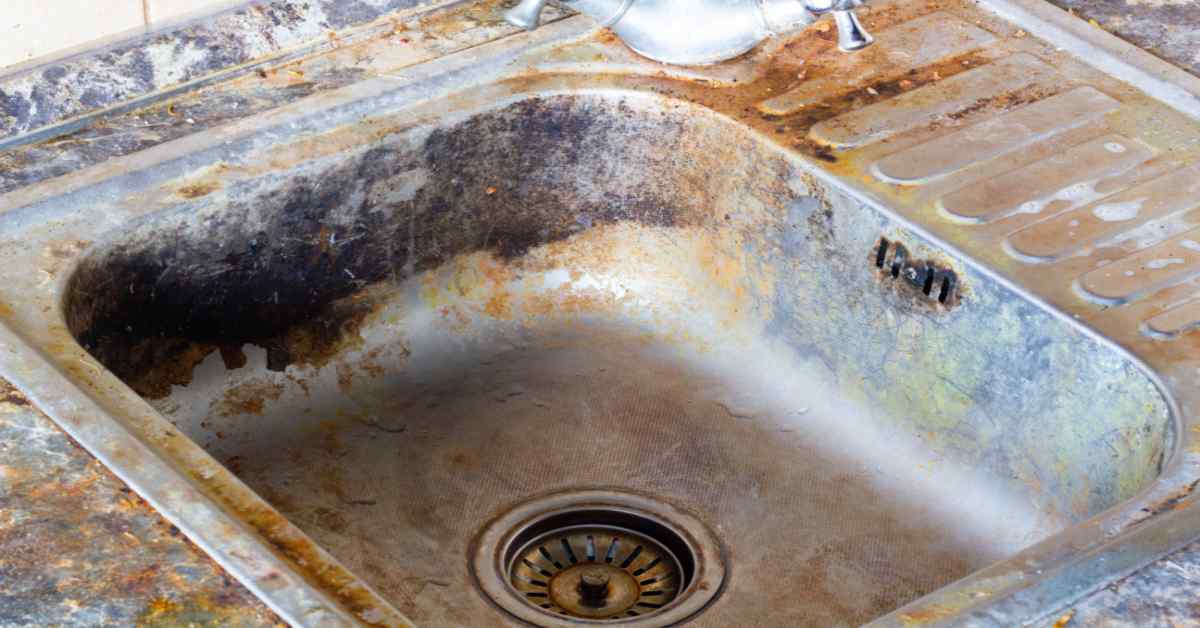
How to Remove Rust from Stainless Steel - Effective Cleaning Tips
Cream of Tartar: The Lesser-Known Hero. If baking soda and lemon juice don't quite cut it, cream of tartar is your next move. Mix it with a few drops of water or lemon juice to create a paste. Apply, let it work its magic for a few minutes, and then scrub gently. This one is particularly good for those more persistent marks.
Specialized Stainless Steel Cleaners: When All Else Fails. For truly stubborn rust or if you prefer a dedicated product, there are excellent stainless steel cleaners on the market. Always follow the product instructions carefully and test in an inconspicuous area first. Look for those specifically formulated for removing rust or tough stains.
How To Remove Rust Stains From Stainless Steel Sinks - YouTube
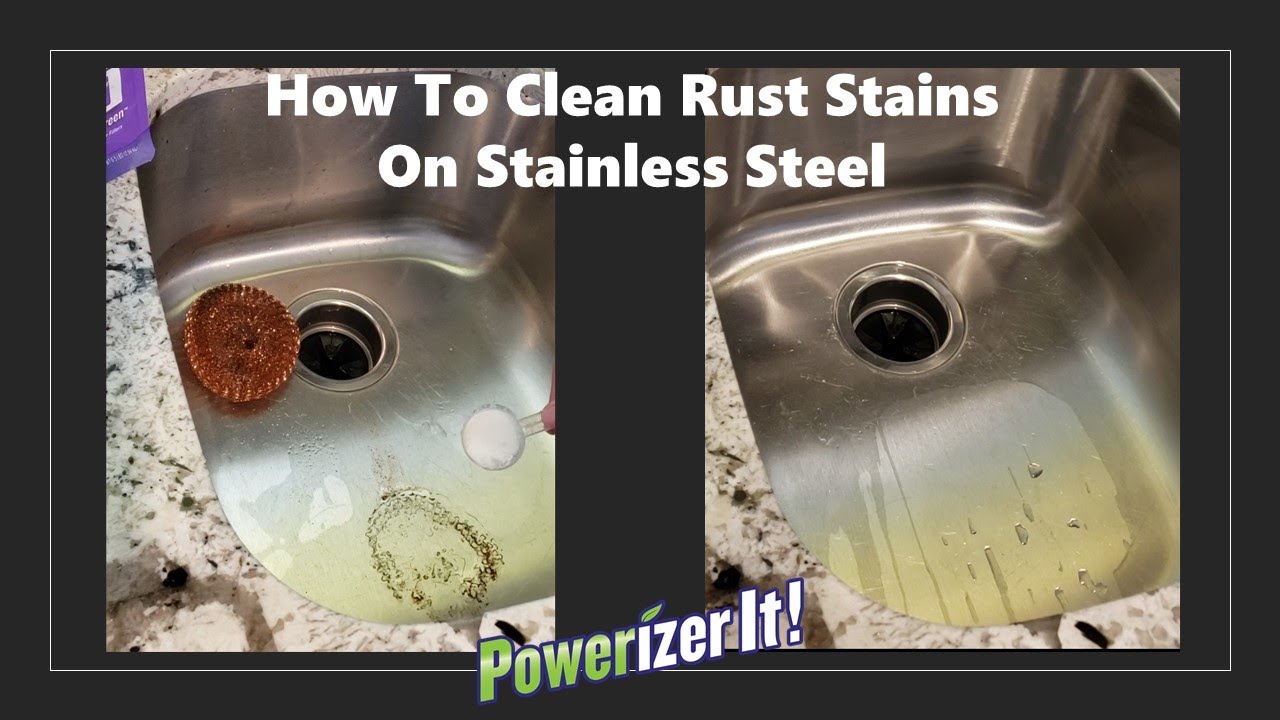
The Technique: A Gentle Touch for a Gleaming Finish
The key to successful rust removal is gentleness. Stainless steel is durable, but it can be scratched. Always use a soft cloth, a non-abrasive sponge, or even an old toothbrush for those hard-to-reach nooks and crannies. Never use steel wool, scouring pads with harsh abrasives, or wire brushes. These will create scratches that can actually trap dirt and make rust more likely in the future.
When applying your chosen cleaning agent, work in the direction of the grain of your stainless steel. You’ll notice a subtle pattern; following it helps prevent visible scratches and contributes to a more uniform shine. After you've scrubbed away the rust, give your sink a thorough rinse with clean water. Then, for that final, professional sparkle, dry it completely with a soft, clean towel. This prevents water spots and leaves your sink looking absolutely radiant.

Prevention is Key: Keeping the Rust at Bay
Once your sink is gleaming, you’ll want to keep it that way! A little bit of preventative care goes a long way:
- Dry it regularly: A quick wipe-down after washing dishes can prevent water from sitting and potentially causing rust, especially if you have hard water.
- Avoid leaving metal items in the sink: Things like cans, cast iron pans, or even steel wool (which you should never use for cleaning anyway!) left sitting in a damp sink are prime culprits for rust transfer.
- Rinse thoroughly: Make sure all soap and food residue is washed away.
- Address spills quickly: Especially acidic spills from things like tomatoes or citrus fruits.
So there you have it! Conquering sink rust is an easy, satisfying, and ultimately fun part of keeping your kitchen looking its best. A little knowledge, a few common household items, and a gentle touch are all you need to bring back the shine. Happy scrubbing!