
How To Get Rust Off Of Stainless Steel Sink
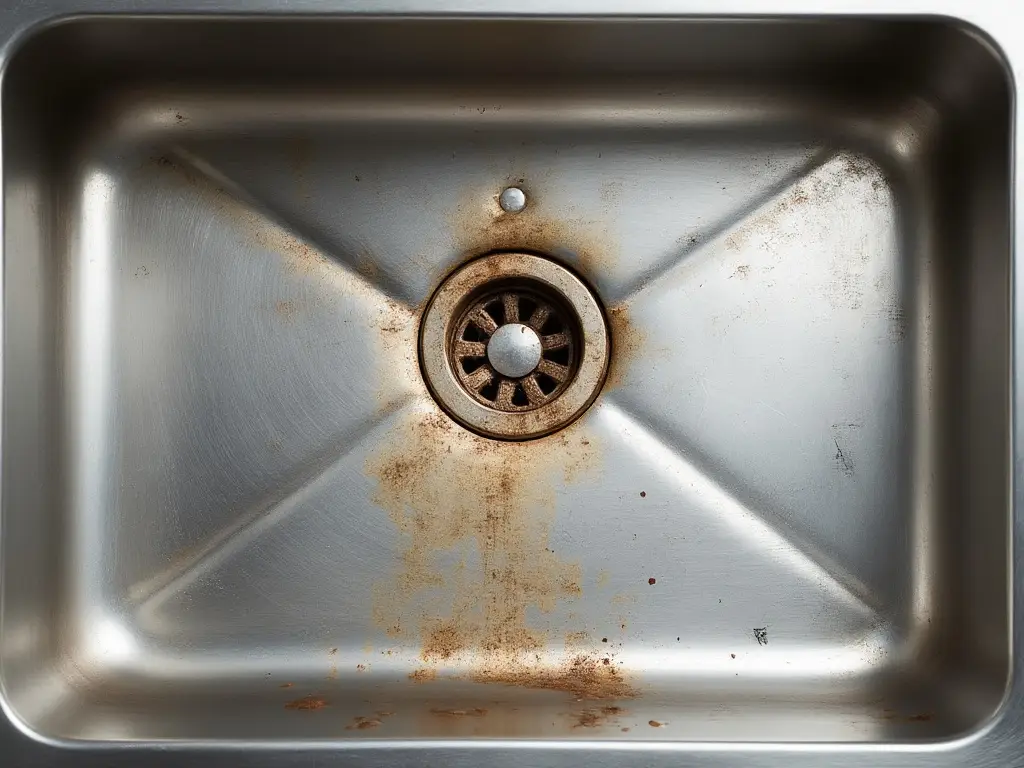
Ah, the stainless steel sink! That gleaming workhorse of our kitchens, the stage for countless culinary adventures, and let's be honest, sometimes the culprit behind those pesky orange-brown blemishes. But fear not, fellow home heroes! Restoring that pristine sparkle to your sink isn't a daunting chore; it's more like a satisfying mini-rescue mission that brings a little bit of joy back into your daily routine. Think of it as giving your most used surface a much-deserved spa treatment!
Why do we bother with this sink-saving endeavor? It’s all about the benefits of a clean and gleaming sink. A rust-free sink isn't just aesthetically pleasing; it's more hygienic. Rust can harbor bacteria, and who wants that lurking where their food prep happens? Plus, a shiny sink just makes your whole kitchen feel… well, cleaner and brighter. It’s a small change that can have a surprisingly big impact on your overall kitchen ambiance and your peace of mind.
You might be wondering, "How does rust even get on a stainless steel sink in the first place?" It’s surprisingly common! Often, it’s from metal objects left sitting in the sink, like cans of soup, cast iron pans, or even metal scrub brushes. Sometimes, it’s from water with high iron content, or even a rogue steel wool pad that’s been used on other surfaces and then carelessly tossed into your sink. Don't beat yourself up about it; these are everyday occurrences that can leave their mark.
So, how do we embark on this rust-busting adventure? It’s simpler than you might think, and there are a few tried-and-true methods to get that shine back. One of the most popular and effective is using a paste made from baking soda and water. It’s gentle yet surprisingly effective. Simply mix them to form a thick paste, apply it to the rust spots, let it sit for a bit (think 15-30 minutes), and then gently scrub with a soft cloth or sponge. You’ll be amazed at how it lifts those stubborn marks. Another champion in the fight against rust is vinegar. For tougher spots, you can soak a paper towel in white vinegar and lay it directly on the rust. Let it work its magic for an hour or so, then scrub and rinse.
To make your rust-removal experience even more enjoyable and effective, here are a few practical tips. First, always work with the grain of your stainless steel sink. You’ll notice a subtle brushed pattern; following this will prevent scratching and ensure a uniform finish. Second, rinse thoroughly after using any cleaning agent. You want to remove the rust, not leave behind a residue. Third, prevention is key! Try to avoid leaving metal items in the sink for extended periods. A quick wipe down after use can save you a lot of scrubbing later. Finally, keep a dedicated, non-scratch sponge or cloth for your sink to avoid inadvertently transferring rust or grime from other cleaning tasks. It’s about being prepared and proactive, turning a potential annoyance into a simple, satisfying maintenance task.