
How To Get Rust Stains Off Stainless Steel
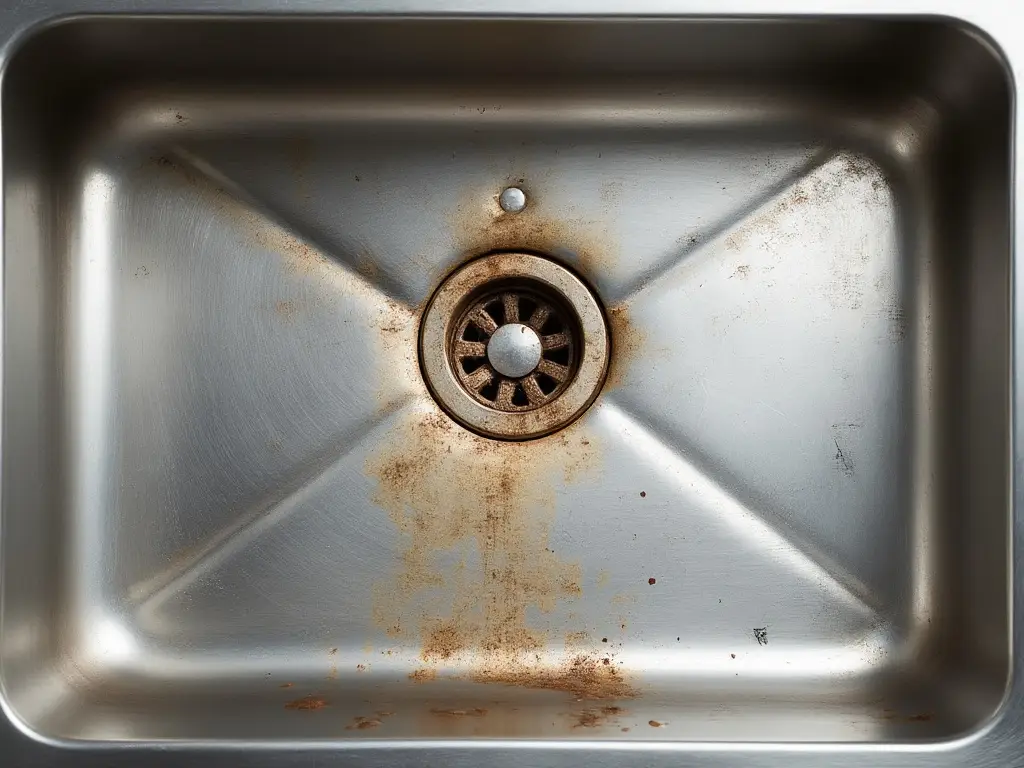
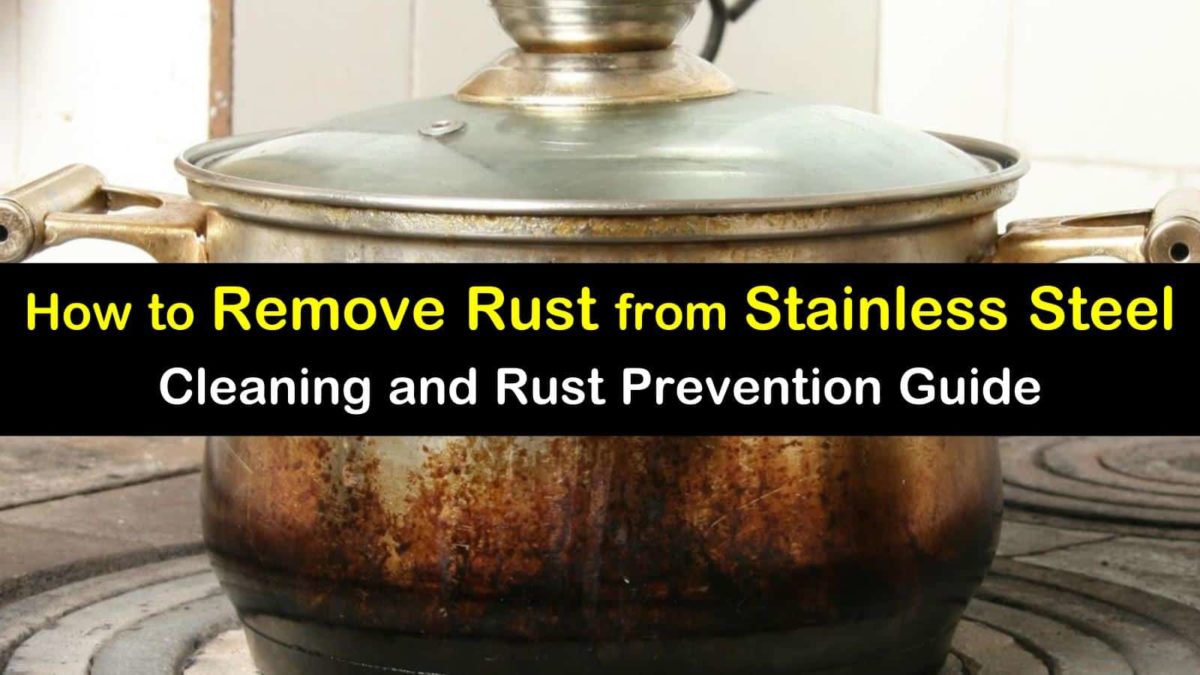
So, you've got that gorgeous stainless steel appliance, the one that usually gleams like a movie star's smile. But then, BAM! You spot it. A rusty little blemish, a betrayal of your shiny hopes. Don't panic! It's not the end of the world, and you don't need a hazmat suit to fix it. Think of me as your friendly neighborhood stainless steel whisperer, here to guide you through the mysterious world of rust removal.
First off, let's have a little heart-to-heart about why this happens. It's not like your stainless steel suddenly decided to take up blacksmithing. Usually, it's a case of something with a higher iron content making contact with your stainless steel surface. Think stray cutlery, a cast iron pan left too long, or even some abrasive cleaning pads. It's like your stainless steel is saying, "Hey, I'm not supposed to play with this stuff! It leaves… marks."
The good news is, stainless steel is pretty resilient. It’s called stainless for a reason, but it’s not entirely stain-proof. It’s more like it has a superhero cape that can get a little smudged sometimes. And just like our favorite superheroes, it can bounce back with a little TLC.
Before we dive into the actual cleaning, a quick word to the wise: always test any cleaning method on an inconspicuous area first. Think the underside of a handle, or the back of your dishwasher. We want to banish rust, not create a whole new set of problems. Nobody wants to trade one unsightly stain for another, right?
The Gentle Approach: Baking Soda Power!
Let's start with the super-duper easy, eco-friendly, and frankly, quite delightful method: baking soda. Yes, that unassuming box in your pantry is a cleaning powerhouse. It’s like the mild-mannered Clark Kent of the cleaning world, but with a secret identity as a rust-busting Superman.
Here’s the drill: Mix a paste of baking soda and water. You want it to be thick, like toothpaste consistency. Not too runny, not too stiff. Think of it as a lovely, slightly gritty mask for your stainless steel. Apply this paste directly onto the rust spots.
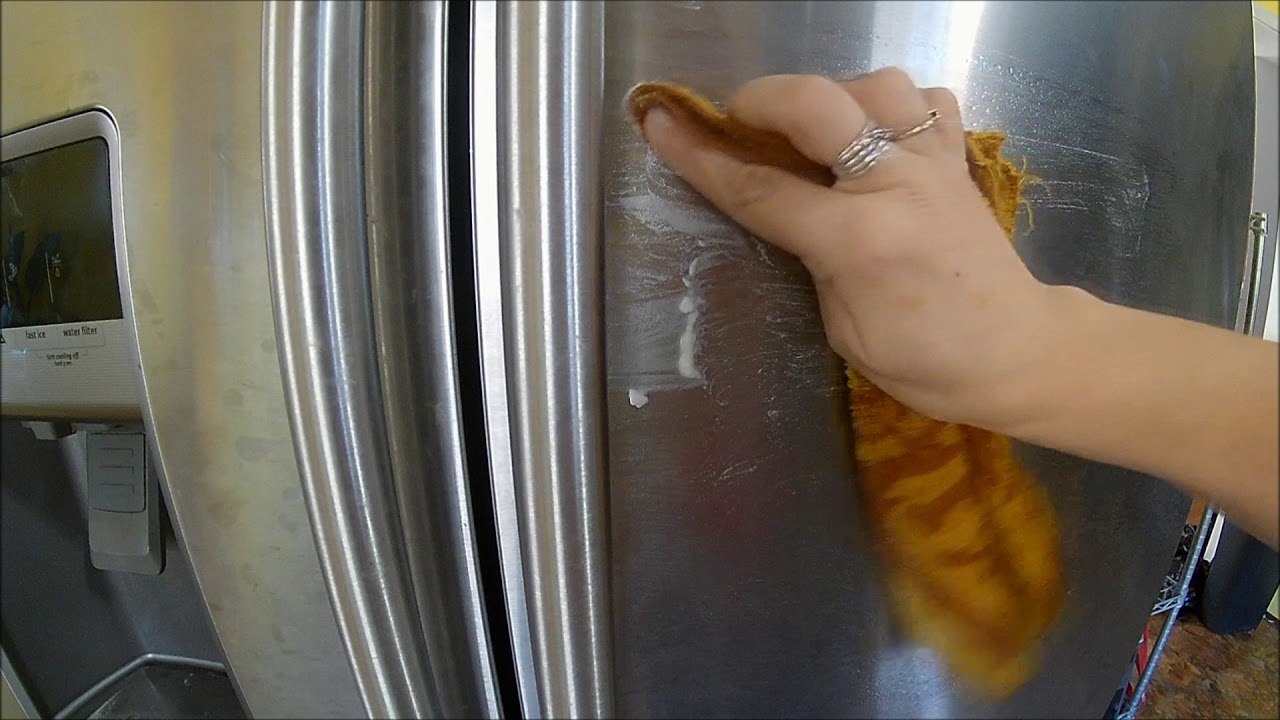
Now, grab a soft cloth or a non-abrasive sponge. Gently rub the paste into the rust. The baking soda acts as a mild abrasive, working its magic to lift the rust without scratching your precious surface. Imagine you're giving your stainless steel a gentle facial. So soothing, so effective.
Let the paste sit for a little while. Maybe 15-20 minutes? This gives the baking soda time to really get to work. Think of it as a little spa treatment for your appliance. While it's doing its thing, you could even hum a little tune. Or, you know, actually do something productive. Your call.
After the waiting period, rinse the area thoroughly with clean water. Then, dry it immediately with a soft, clean cloth. The key here is to dry it completely. Water is the enemy of shiny stainless steel, leading to more water spots. We’re on a mission for gleam, people!
This method is fantastic for light to moderate rust stains. It's the first line of defense, and often, it's all you need. Plus, it smells… well, it smells like nothing, which is pretty great when you’re dealing with cleaning products!
Stepping It Up: Vinegar to the Rescue!
If the baking soda worked a little bit but didn't quite finish the job, don't despair! We have another ally in our rust-busting arsenal: vinegar. Yep, that tangy stuff you put on your fries. It's not just for salads, folks!
White vinegar is your best bet here. It's acidic, which is exactly what we need to tackle those stubborn rust particles. Pour some white vinegar into a spray bottle, or just dip a cloth into it. Apply the vinegar directly to the rust stains.
Now, here’s where things get a little more… potent. Let the vinegar soak for a bit. We're talking 30 minutes to an hour for tougher stains. You can even soak a paper towel in vinegar and lay it directly over the rust spot. It’s like giving the rust a vinegar-soaked chill-out session.
After the soaking, grab your trusty soft cloth or sponge and gently scrub. You might see the rust starting to lift away. It's quite satisfying, like peeling a sticker off a new gadget. Rinse thoroughly with water and, you guessed it, dry it completely with a soft cloth. No lingering moisture allowed!
A little word of caution with vinegar: it’s acidic, so while it's great for rust, it's best not to leave it on your stainless steel for hours on end, especially if you have a highly polished or delicate finish. We’re aiming for rust removal, not etching! And definitely, definitely don't mix vinegar with bleach. That's a chemical cocktail no one wants to experience. Trust me on this one. Shudder.
When Rust is Really Stubborn: Enter the Professional
Okay, so baking soda and vinegar have done their best, but there are still a few defiant rust spots clinging on like barnacles on a ship. What do we do then? It's time to bring out the heavy hitters, but in a gentle way, of course. We’re not looking for brute force here; we’re looking for smart solutions.
Lemon Juice and Salt: A Zesty Combination
This is another acidic approach, but with a little extra grit. Grab a fresh lemon and some salt. Squeeze the lemon juice over the rust spots, then sprinkle a generous amount of salt on top.
The lemon juice provides the acidity, and the salt acts as a more abrasive scrubber. Let this mixture sit for an hour or two. Then, using a soft cloth, gently rub the area in a circular motion. The salt will help to scrub away the rust particles that the lemon juice has started to loosen.
Rinse and dry thoroughly. This method is often effective for those really tenacious rust spots that resist other treatments. Just be mindful of the abrasive nature of the salt, and always test first. We love a good scrub, but not a scratch!
Commercial Stainless Steel Cleaners: Your Last Resort (But Still a Good One!)
If all else fails, or if you just want a product specifically designed for the job, there are some excellent commercial stainless steel cleaners available. These are formulated to tackle rust and other common stainless steel blemishes without damaging the finish.
Read the labels carefully! Look for products that are specifically labeled as being safe for stainless steel and effective against rust. Always follow the manufacturer's instructions. They know their product best, and you’ll get the best results by listening to them.
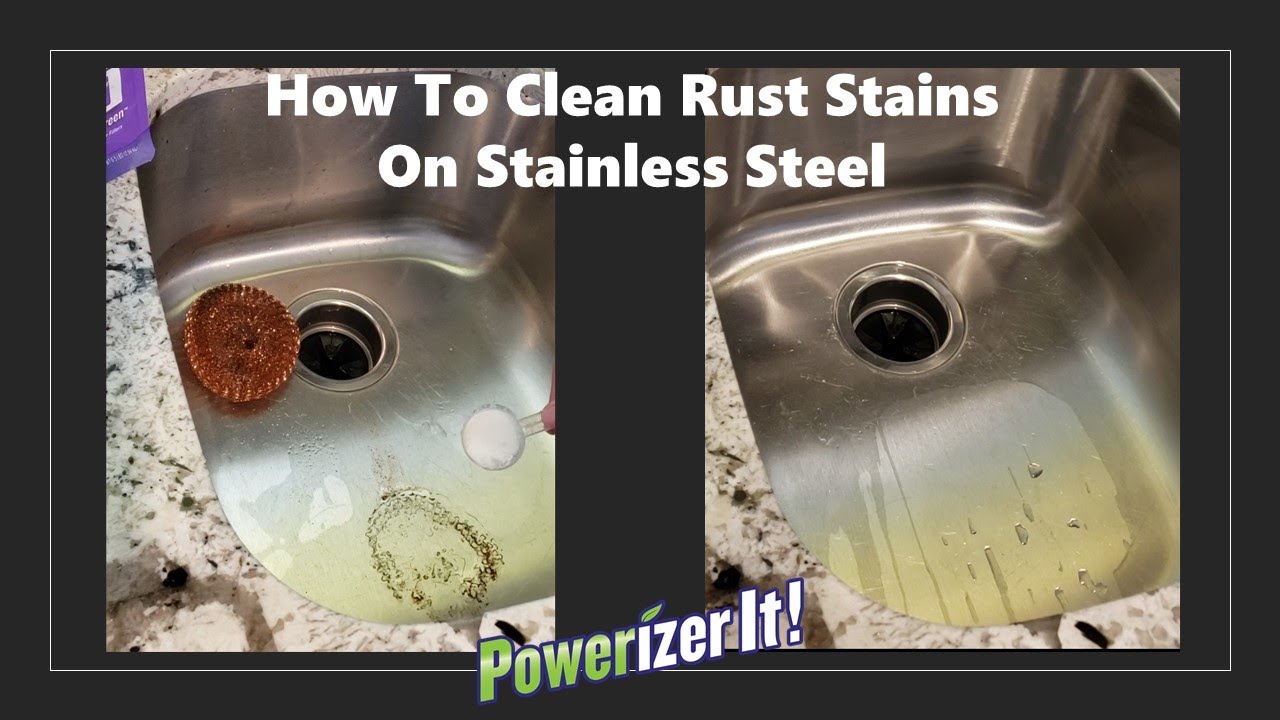
Apply the cleaner to a soft cloth, not directly to the surface, and then gently wipe away the rust. You might need to let it sit for a minute or two, depending on the product. Rinse thoroughly with water and dry completely. Easy peasy, lemon squeezy (or in this case, cleaner squeezy!).
What to AVOID When Cleaning Stainless Steel Rust
Now, let’s talk about the things you definitely don't want to do. These are the rust-removal equivalents of wearing socks with sandals – just don't.
- Steel Wool and Abrasive Scouring Pads: I know, it seems intuitive. Steel on steel! But nope. These will absolutely scratch your beautiful stainless steel, leaving it looking dull and more susceptible to future rust. Think of it as giving your stainless steel a bad haircut.
- Bleach: I mentioned this earlier, but it bears repeating. Bleach can actually damage the protective chromium oxide layer on stainless steel, leading to pitting and even more corrosion. Plus, never, ever mix bleach with ammonia or acids (like vinegar!). It creates toxic fumes. Seriously, just avoid bleach altogether for your stainless steel.
- Harsh Chemicals: Unless a product is specifically designed for stainless steel and rust removal, steer clear. You don't want to introduce any harsh chemicals that could damage the finish.
- Letting Water Sit: I know, I know, I've said it a million times, but it's so important! Always dry your stainless steel thoroughly after cleaning. Water spots are the arch-nemesis of a sparkling appliance.
So, to recap: be gentle, use the right tools, and always test in an inconspicuous spot. It's all about finesse, not force.
Prevention is Better Than Cure (Especially for Rust!)
Now that you've got your stainless steel sparkling again, let's talk about keeping it that way. A little bit of preventative magic can save you a whole lot of scrubbing later on.
Wipe it down regularly with a damp cloth and then dry it. This removes any lingering food particles or moisture that could lead to rust. Think of it as a quick daily check-up for your appliance.
Avoid leaving metal items on the surface for extended periods. That cute little spoon rest might be charming, but if it's made of regular steel, it can leave rust marks. Same goes for trivets and other metal accessories.
Clean up spills immediately. Especially acidic spills like tomato sauce or citrus juice. These can etch the surface if left to sit. A quick wipe and you’re good to go.
Use the right cleaning tools. Stick to microfiber cloths, soft sponges, and non-abrasive cleaners. Your stainless steel will thank you.
Consider a stainless steel polish. Once your appliance is clean and dry, a good stainless steel polish can add an extra layer of protection and enhance its shine. It’s like giving it a protective shield against the elements. Plus, it makes it smell lovely!
Taking these small steps can make a world of difference. It’s the difference between a stainless steel appliance that looks perpetually clean and one that’s always fighting a losing battle with grime and rust. And who has time for that?
Embrace the Shine!
There you have it! Rust stains on stainless steel are not a sign of defeat; they're just a little bump in the road. With a little patience, the right approach, and maybe a dash of humor, you can have your stainless steel looking as good as new.
Remember, your stainless steel appliances are designed to be both beautiful and functional. They’re the workhorses of your kitchen, the silent stars of your home. So, when they get a little scuffed up, show them some love, and they’ll reward you with years of gleaming service. Go forth and conquer those rust spots, and revel in the glorious, unblemished shine!