
How To Grow Prickly Pear Cactus From Seed
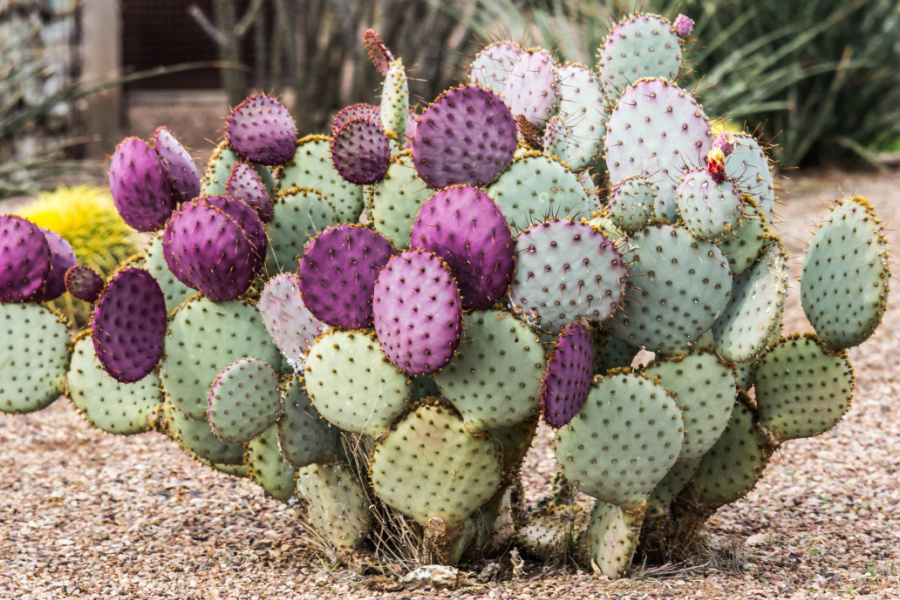
Ever stared at a prickly pear cactus, that spiky marvel of the desert, and wondered, "Could I actually grow one of these from scratch?" Well, my friend, the answer is a resounding YES, and it's a surprisingly rewarding journey! Forget those store-bought succulents that feel a bit… impersonal. Growing a prickly pear from seed is like nurturing a tiny piece of the wild, a miniature desert oasis right in your own home. It’s a testament to nature's resilience and a fantastic way to connect with the plant kingdom.
But why embark on this spiky adventure? Beyond the sheer satisfaction of coaxing life from a seed, growing prickly pear offers a unique blend of practicality and patience. These fascinating plants, once established, are incredibly low-maintenance, making them perfect for busy individuals or those new to gardening. They thrive on neglect (almost!), requiring minimal watering and preferring sunny, arid conditions. This makes them ideal for xeriscaping, helping to conserve water in your garden or even as a striking addition to a patio or balcony. Plus, who knows? With enough dedication, you might even be rewarded with those delicious, vibrant prickly pear fruits, also known as tunas, which are packed with vitamins and make for fantastic jams, juices, and even cocktails!
Think of it: imagine transforming a barren corner of your garden into a miniature desert landscape, complete with these iconic cacti. Or perhaps you’re looking for a conversation-starting houseplant that’s anything but ordinary. Prickly pears are often used decoratively, their unique architectural forms adding a touch of the exotic to any space. They’re also a symbol of survival and endurance, a little bit of desert wisdom sprouting on your windowsill.
Now, let’s get down to the nitty-gritty of coaxing these little guys to life. The journey begins with the seeds themselves. You can often find prickly pear seeds online or, if you're lucky enough to live in an area where they grow wild, you might even be able to collect them from ripe fruits (just be sure to handle them with extreme care, as they can be quite small and numerous!). The key to successful germination is to mimic their natural environment. This means good drainage is absolutely paramount. A gritty, sandy soil mix is your best friend here. Think 50% potting soil and 50% perlite or coarse sand. You’ll want to sow your seeds just below the surface of this mix in a well-draining pot.

For germination, warmth and a touch of moisture are essential, but don't drown your seeds! A good technique is to lightly mist the soil surface regularly. Many gardeners find that placing the pot in a warm spot, perhaps on a heat mat or in a sunny window, can really encourage them. Some people even swear by soaking the seeds in warm water overnight before sowing to help break down their tough outer coat. Be patient! Prickly pear seeds can be notoriously slow to germinate, sometimes taking weeks or even months. Resist the urge to overwater in your eagerness; this is the most common mistake. Once you see those tiny green nubs emerge, you've officially entered cactus parenthood!
To enjoy your prickly pear growing experience to the fullest, remember to embrace the slow pace. These aren't fast-growing plants, and that's part of their charm. Observe their subtle changes, celebrate each new pad, and learn to understand their needs. When you’re watering, it’s better to water thoroughly and then let the soil dry out completely between waterings. This mimics the infrequent but substantial rainfall they experience in the wild. And as your prickly pear grows, remember its desert heritage: lots of sunshine and not too much fuss. Happy sprouting!