
How To Help A Bird That Flew Into The Window
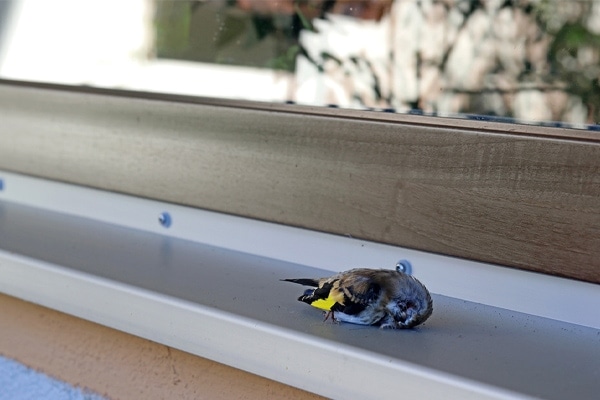
There's a certain quiet joy many of us find in observing the feathered wonders that grace our gardens and neighborhoods. Whether it's the cheerful chirp of a robin at dawn, the daring dive of a hawk, or the gentle flutter of a hummingbird, birds bring a touch of wild magic into our everyday lives. They're a constant reminder of nature's resilience and beauty, and many of us feel a natural instinct to help when we see one in distress.
One situation that tugs at our heartstrings is when a bird, often in a moment of confusion or high-speed flight, collides with a window. It’s a jarring experience, both for the bird and for us who witness it. The purpose of understanding how to help in these moments is simple: to minimize harm and give these delicate creatures a second chance at life. It’s about extending our empathy beyond our own species and recognizing that even the smallest creatures deserve our care.
Common scenarios that lead to window strikes include the bird mistaking the reflection of the sky or trees in the glass for open space, or being startled and flying in a panic. You might find a stunned bird lying on the ground near the window, appearing dazed, or even seemingly deceased. It’s crucial to approach these situations with a calm and gentle demeanor. The goal is not to "fix" the bird yourself, but to provide a safe and supportive environment for its natural recovery.
So, what can you do to effectively help a bird that has flown into your window? Here are some practical tips:
First and foremost, assess the situation from a distance. Is the bird obviously injured, or does it just seem stunned? If it’s breathing and not visibly bleeding, it's likely suffering from disorientation and concussion. Your immediate goal is to protect it from predators like cats or dogs, and from further stress.
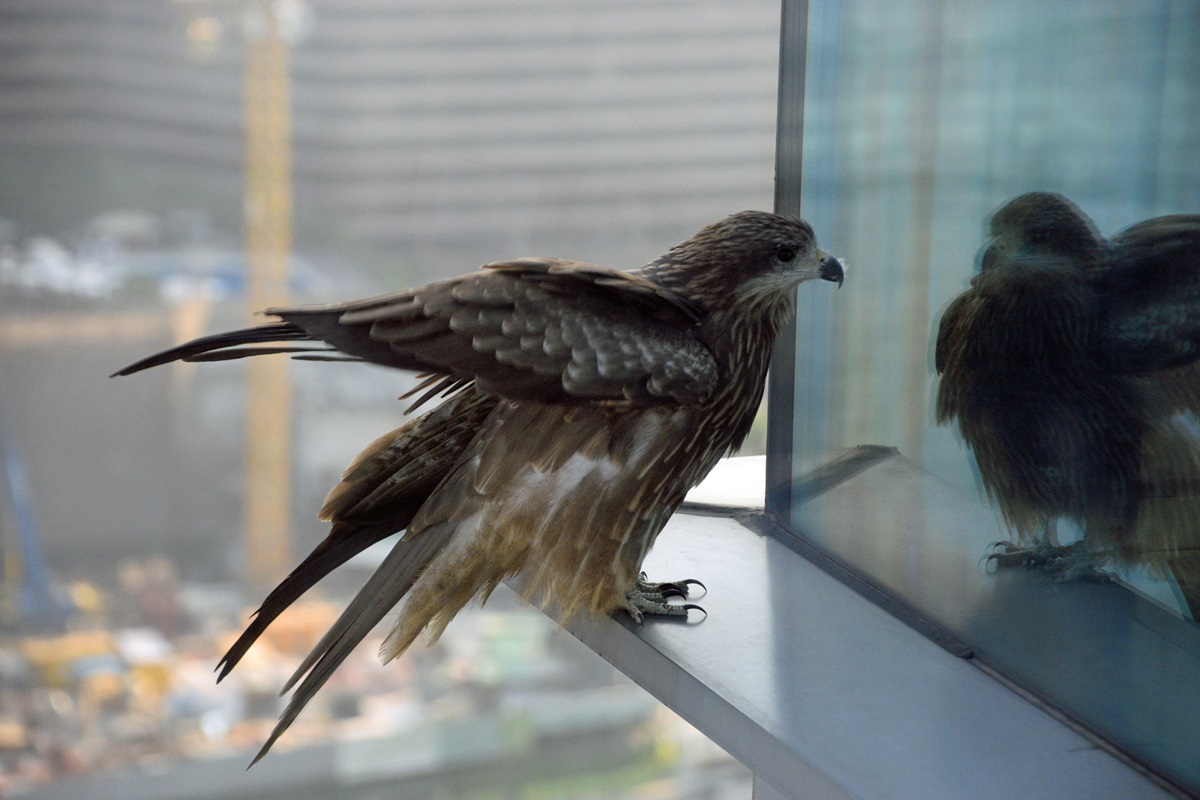
The best course of action is to gently place the bird in a dark, quiet, and ventilated container. A shoebox with air holes poked in it, or a small cardboard box, works perfectly. Place a soft, clean cloth or paper towel at the bottom for comfort. You can also add a small, shallow lid with a tiny bit of water, but be careful not to let the bird drown. Avoid handling the bird more than absolutely necessary; stress can be detrimental.
Once safely inside, place the box in a quiet, dark room, away from pets and the hustle and bustle of daily life. The darkness helps to calm and disorient it, allowing its senses to recover. Patience is key. Leave the bird undisturbed for at least an hour, or even two. Many birds will recover on their own and fly away when they feel ready.

After this period, take the box outside to an open area, away from the window and any immediate dangers. Gently open the box and step back. If the bird is ready, it will likely fly off on its own. If, after several hours, the bird shows no signs of recovery, or if you notice clear injuries like broken wings or bleeding, it’s time to seek professional help. Contact your local wildlife rehabilitation center or a veterinarian specializing in avian care. They have the expertise and resources to provide advanced treatment.
By following these simple steps, you can make a significant difference in the life of a bird that’s had a rough encounter with a window. It’s a small act of kindness that contributes to the well-being of our local wildlife and reinforces our connection to the natural world around us.